Andrew N. Rycroft – författare
890 kr
Skickas inom 5-8 vardagar
2 685 kr
Skickas inom 5-8 vardagar
3 014 kr
Läs direkt efter köp
Comprehensive review of the major bacterial pathogens of animals, focusing on the current understanding of how they cause disease
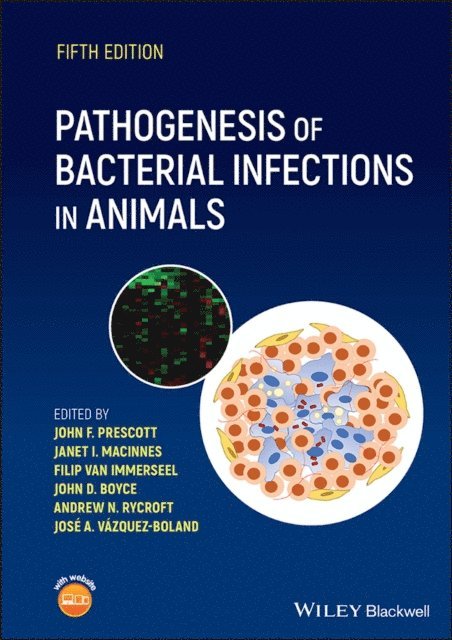
Pathogenesis of Bacterial Infections in Animals, Fifth Edition is a specialist reference that provides a comprehensive review of bacterial pathogens in animals and their complex interplay with disease processes, offering a complete understanding of how bacteria cause disease in animals. It covers the many recent advances in the field including the newest taxonomies. In this revised and long anticipated fifth edition, additional introductory chapters have been added to set the material in context, and more figures added to integrate and improve understanding and comprehension throughout the text. A companion website presents the figures from the book in PowerPoint and references.
This detailed reference includes novel approaches to controlling bacterial pathogens in the light of growing concerns about antimicrobial resistance, with more than 70 expert authors sharing their wisdom on the topic. While molecular pathogenesis is a major aspect in almost every chapter, the authors have been careful to place pathogens in their broader context.
Pathogenesis of Bacterial Infections in Animals, Fifth Edition also contains information on:
Themes in bacterial pathogenesis, covering the basic elements of pathogenesis, concepts of virulence, host-pathogen interactions and communication, and pathogenesis in the post-genomic era Evolution of bacterial pathogens, covering what they are and how they emerge, along with sources of genetic diversity, population structure, and genome plasticity Understanding of pathogenesis through pathogenomics and bioinformatics, including how mutations generate pathogen diversity, and an overview of genome sequencing technologies Subversion of the immune response by bacterial pathogens, covering subversion of both innate responses and adaptive immunityPathogenesis of Bacterial Infections in Animals, Fifth Edition is an essential resource for graduate students in veterinary medicine and animal science, and for veterinary microbiologists, pathologists, infectious disease experts, and others interested in bacterial disease. It is the only book to cover this topic to this depth through the wealth of insight of dozens of qualified and practicing professionals.
3 112 kr
Läs direkt efter köp
Comprehensive review of the major bacterial pathogens of animals, focusing on the current understanding of how they cause disease
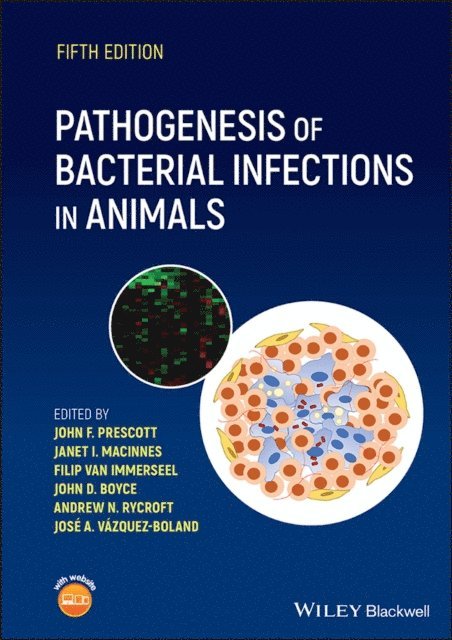
Pathogenesis of Bacterial Infections in Animals, Fifth Edition is a specialist reference that provides a comprehensive review of bacterial pathogens in animals and their complex interplay with disease processes, offering a complete understanding of how bacteria cause disease in animals. It covers the many recent advances in the field including the newest taxonomies. In this revised and long anticipated fifth edition, additional introductory chapters have been added to set the material in context, and more figures added to integrate and improve understanding and comprehension throughout the text. A companion website presents the figures from the book in PowerPoint and references.
This detailed reference includes novel approaches to controlling bacterial pathogens in the light of growing concerns about antimicrobial resistance, with more than 70 expert authors sharing their wisdom on the topic. While molecular pathogenesis is a major aspect in almost every chapter, the authors have been careful to place pathogens in their broader context.
Pathogenesis of Bacterial Infections in Animals, Fifth Edition also contains information on:
Themes in bacterial pathogenesis, covering the basic elements of pathogenesis, concepts of virulence, host-pathogen interactions and communication, and pathogenesis in the post-genomic era Evolution of bacterial pathogens, covering what they are and how they emerge, along with sources of genetic diversity, population structure, and genome plasticity Understanding of pathogenesis through pathogenomics and bioinformatics, including how mutations generate pathogen diversity, and an overview of genome sequencing technologies Subversion of the immune response by bacterial pathogens, covering subversion of both innate responses and adaptive immunityPathogenesis of Bacterial Infections in Animals, Fifth Edition is an essential resource for graduate students in veterinary medicine and animal science, and for veterinary microbiologists, pathologists, infectious disease experts, and others interested in bacterial disease. It is the only book to cover this topic to this depth through the wealth of insight of dozens of qualified and practicing professionals.
928 kr
Läs direkt efter köp
A compact and accessible guidebook exploring current understanding of common bacterial and fungal pathogens of animals.
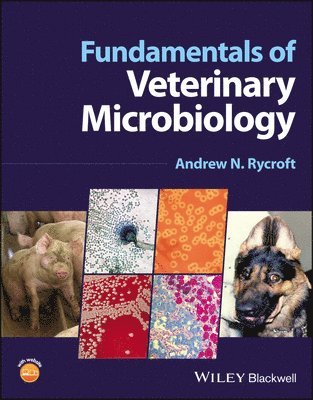
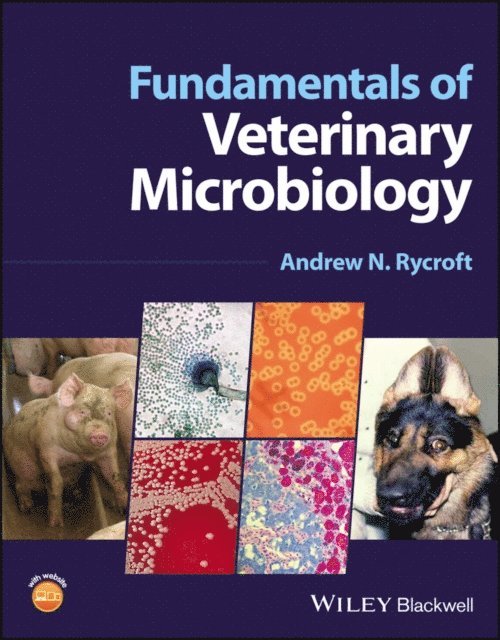
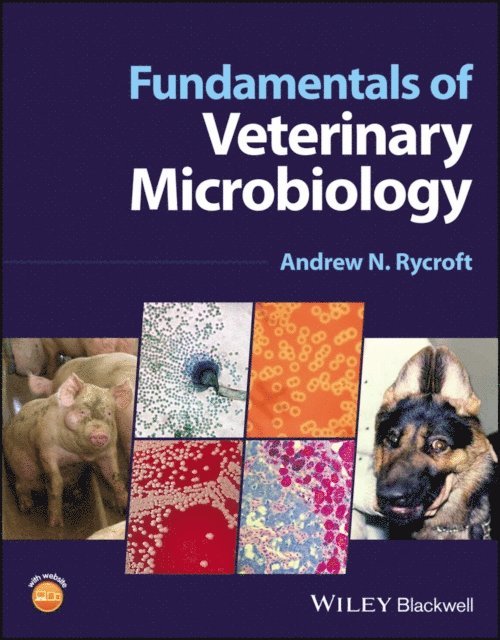
Fundamentals of Veterinary Microbiology brings together knowledge and understanding of the bacterial pathogens of animals from disease signs and diagnostic methods to the molecular basis of the host pathogen interaction. A small but focused book, it enables the reader to access important information during diagnosis and treatment in a clinically relevant way. Suitable as a companion for study on the subject and for professional use, the author focuses on the more clinically common diseases at the general and first-referral level.
Divided into three sections, the first covers the basics of bacterial microbiology such as structure, growth and genetics. The second examines the commonly encountered bacterial pathogens, with emphasis on current understanding of the cellular and molecular basis of infection and immunity. The third section explores the current state of knowledge of those fungi involved in infection of animals.
Specific topics covered in Fundamentals of Veterinary Microbiology include:
Nutrition, sterilization, and disinfection of bacteria, bacterial genes and gene transfer, pathogenicity and host response, and vaccination Antimicrobials (action, dynamics, and resistance), typing and identification of pathogens, fungi as agents of disease, Salmonella and E. coli in animal disease and public health Pathogens transmitted by vectors such as Borrelia, those of endogenous origin such as Clostridium and Pasteurella and those able to spread widely such as Leptospira, Mycobacterium and Chlamydia Fungal pathogens causing superficial, subcutaneous and systemic mycosesFundamentals of Veterinary Microbiology is an essential resource for veterinary students, veterinary nurses, and veterinary practitioners worldwide, allowing them to quickly establish a foundation of knowledge of bacterial pathogens based on clear understanding gained from studies over recent decades.
928 kr
Läs direkt efter köp
A compact and accessible guidebook exploring current understanding of common bacterial and fungal pathogens of animals.
Fundamentals of Veterinary Microbiology brings together knowledge and understanding of the bacterial pathogens of animals from disease signs and diagnostic methods to the molecular basis of the host pathogen interaction. A small but focused book, it enables the reader to access important information during diagnosis and treatment in a clinically relevant way. Suitable as a companion for study on the subject and for professional use, the author focuses on the more clinically common diseases at the general and first-referral level.
Divided into three sections, the first covers the basics of bacterial microbiology such as structure, growth and genetics. The second examines the commonly encountered bacterial pathogens, with emphasis on current understanding of the cellular and molecular basis of infection and immunity. The third section explores the current state of knowledge of those fungi involved in infection of animals.
Specific topics covered in Fundamentals of Veterinary Microbiology include:
Nutrition, sterilization, and disinfection of bacteria, bacterial genes and gene transfer, pathogenicity and host response, and vaccination Antimicrobials (action, dynamics, and resistance), typing and identification of pathogens, fungi as agents of disease, Salmonella and E. coli in animal disease and public health Pathogens transmitted by vectors such as Borrelia, those of endogenous origin such as Clostridium and Pasteurella and those able to spread widely such as Leptospira, Mycobacterium and Chlamydia Fungal pathogens causing superficial, subcutaneous and systemic mycosesFundamentals of Veterinary Microbiology is an essential resource for veterinary students, veterinary nurses, and veterinary practitioners worldwide, allowing them to quickly establish a foundation of knowledge of bacterial pathogens based on clear understanding gained from studies over recent decades.