Andrew Needham – författare
Visar alla böcker från författaren Andrew Needham. Handla med fri frakt och snabb leverans.
4 produkter
4 produkter
Häftad, Engelska, 2022
363 kr
Skickas inom 10-15 vardagar
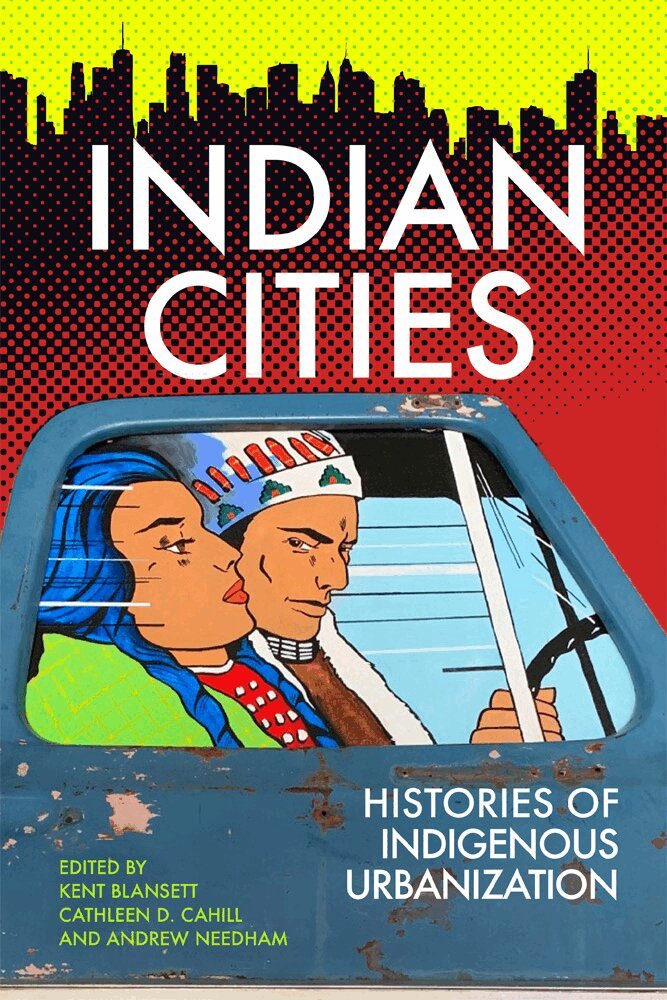
From ancient metropolises like Pueblo Bonito and TenochtitlÁn to the twenty-first century Oceti Sakowin encampment of NoDAPL water protectors, Native people have built and lived in cities—a fact little noted in either urban or Indigenous histories. By foregrounding Indigenous peoples as city makers and city dwellers, as agents and subjects of urbanization, the essays in this volume simultaneously highlight the impact of Indigenous people on urban places and the effects of urbanism on Indigenous people and politics.The authors—Native and non-Native, anthropologists and geographers as well as historians—use the term “Indian cities” to represent collective urban spaces established and regulated by a range of institutions, organizations, churches, and businesses. These urban institutions have strengthened tribal and intertribal identities, creating new forms of shared experience and giving rise to new practices of Indigeneity. Some of the essays in this volume explore Native participation in everyday economic activities, whether in the commerce of colonial Charleston or in the early development of New Orleans. Others show how Native Americans became entwined in the symbolism associated with Niagara Falls and Washington, D.C., with dramatically different consequences for Native and non-Native perspectives. Still others describe the roles local Indigenous community groups have played in building urban Native American communities, from Dallas to Winnipeg.All the contributions to this volume show how, from colonial times to the present day, Indigenous people have shaped and been shaped by urban spaces. Collectively they demonstrate that urban history and Indigenous history are incomplete without each other.
Inbunden, Engelska, 2023
899 kr
Skickas inom 5-8 vardagar
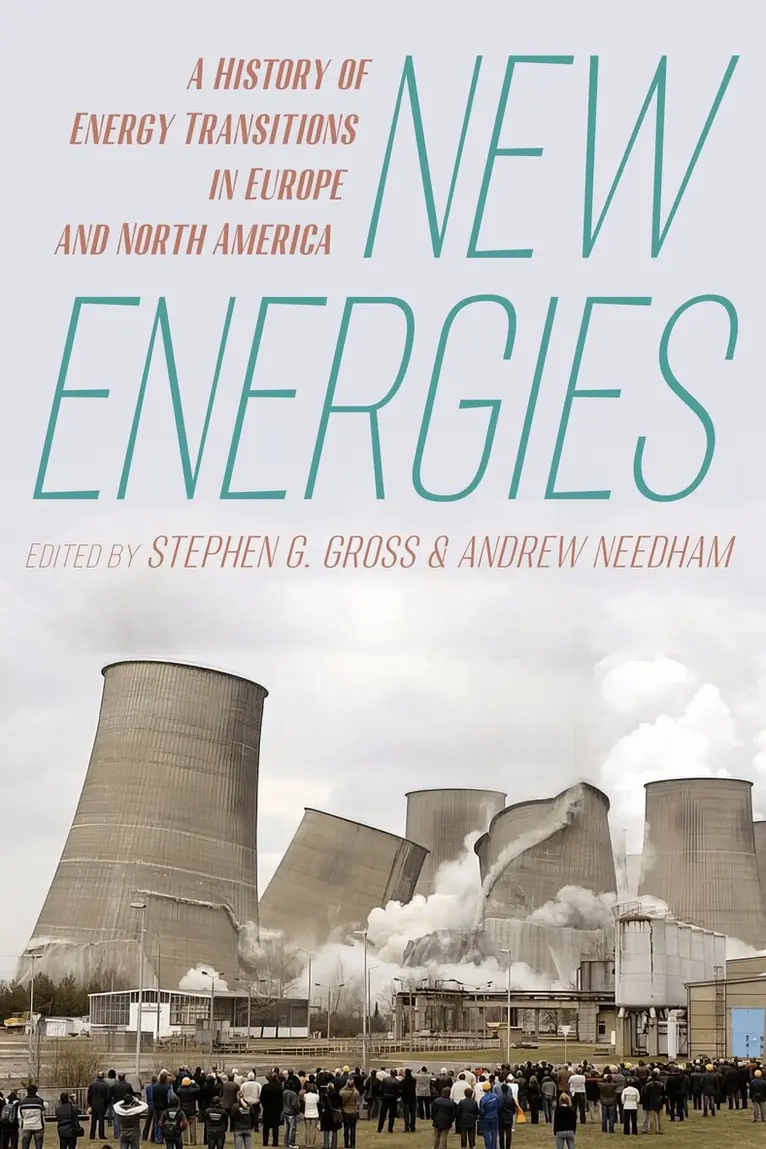
Over the past 250 years, energy transitions have occurred repeatedly—the rise of coal in the nineteenth century, the explosion of oil in the twentieth century, the nuclear utopianism of the 1950s and 1960s. These transitions have been as revolutionary as any political or economic upheaval, and they required changes in infrastructure and behavior. Yet new energies never wholly replace old ones. This volume historicizes energy production and consumption while demonstrating how energy use has reshaped everything from social life and economic organization to political governance. It foregrounds the importance of energy for big historical questions about capitalism, democracy, inequality, the environment, and identity, and it argues that energy systems themselves merit attention as key agents of historical change. Given the urgency of climate change, and the central position that energy plays in causing and potentially solving global warming, this volume engages history as a discipline in the debate over what may be most monumental energy transition of all time: the shift away from fossil fuels.
Häftad, Engelska, 2026
592 kr
Skickas inom 3-6 vardagar
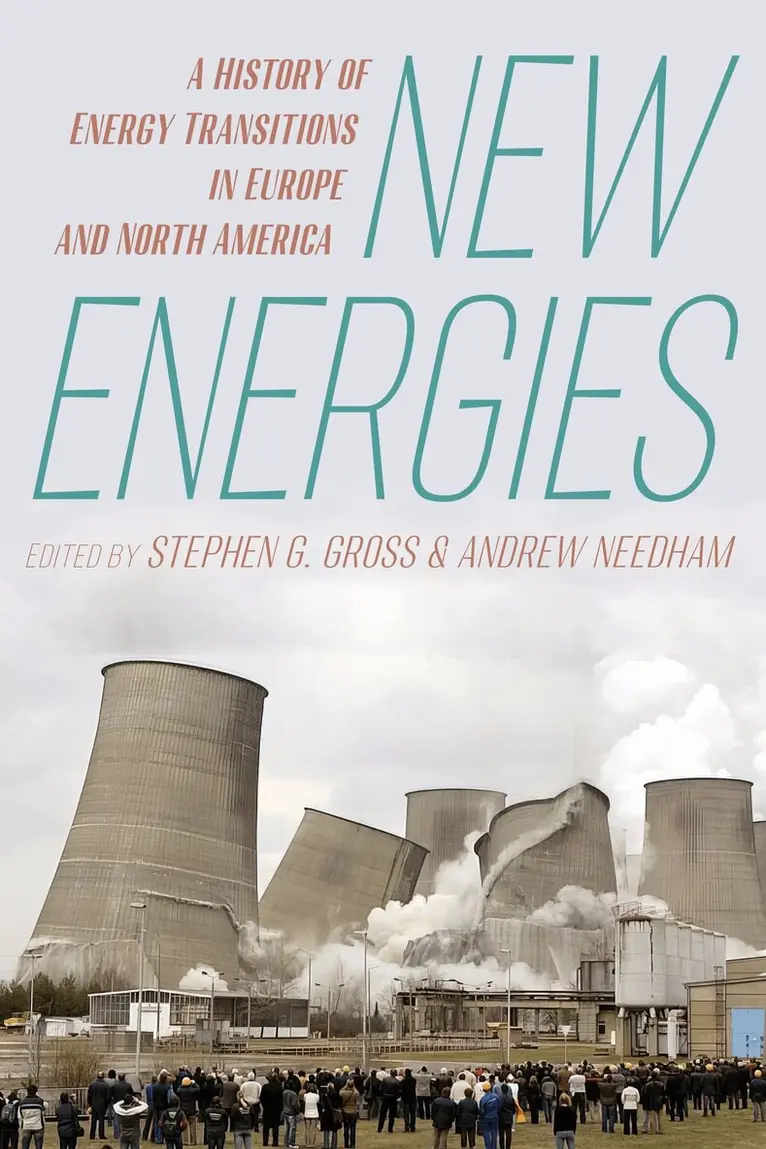
Over the past 250 years, energy transitions have occurred repeatedly—the rise of coal in the nineteenth century, the explosion of oil in the twentieth century, the nuclear utopianism of the 1950s and 1960s. These transitions have been as revolutionary as any political or economic upheaval, and they required changes in infrastructure and behavior. Yet new energies never wholly replace old ones. This volume historicizes energy production and consumption while demonstrating how energy use has reshaped everything from social life and economic organization to political governance. It foregrounds the importance of energy for big historical questions about capitalism, democracy, inequality, the environment, and identity, and it argues that energy systems themselves merit attention as key agents of historical change. Given the urgency of climate change, and the central position that energy plays in causing and potentially solving global warming, this volume engages history as a discipline in the debate over what may be most monumental energy transition of all time: the shift away from fossil fuels.
E-bok
Engelska, 2023569 kr
Läs direkt efter köp
Over the past 250 years, energy transitions have occurred repeatedly—the rise of coal in the nineteenth century, the explosion of oil in the twentieth century, the nuclear utopianism of the 1950s and 1960s. These transitions have been as revolutionary as any political or economic upheaval, and they required changes in infrastructure and behavior. Yet new energies never wholly replace old ones. This volume historicizes energy production and consumption while demonstrating how energy use has reshaped everything from social life and economic organization to political governance. It foregrounds the importance of energy for big historical questions about capitalism, democracy, inequality, the environment, and identity, and it argues that energy systems themselves merit attention as key agents of historical change. Given the urgency of climate change, and the central position that energy plays in causing and potentially solving global warming, this volume engages history as a discipline in the debate over what may be most monumental energy transition of all time: the shift away from fossil fuels.