Andrew Plowman – författare
Visar alla böcker från författaren Andrew Plowman. Handla med fri frakt och snabb leverans.
7 produkter
German Writers and the Politics of Culture
Dealing with the Stasi
Häftad, 2003
634 kr
Lägg i varukorg
Before the fall of the Berlin Wall many East German writers were praised in the Western world as dissident voices of truth, bravely struggling with the draconian constraints of living under the GDR's communist regime. However, since unification, Germany has been rocked by scandals showing the level …
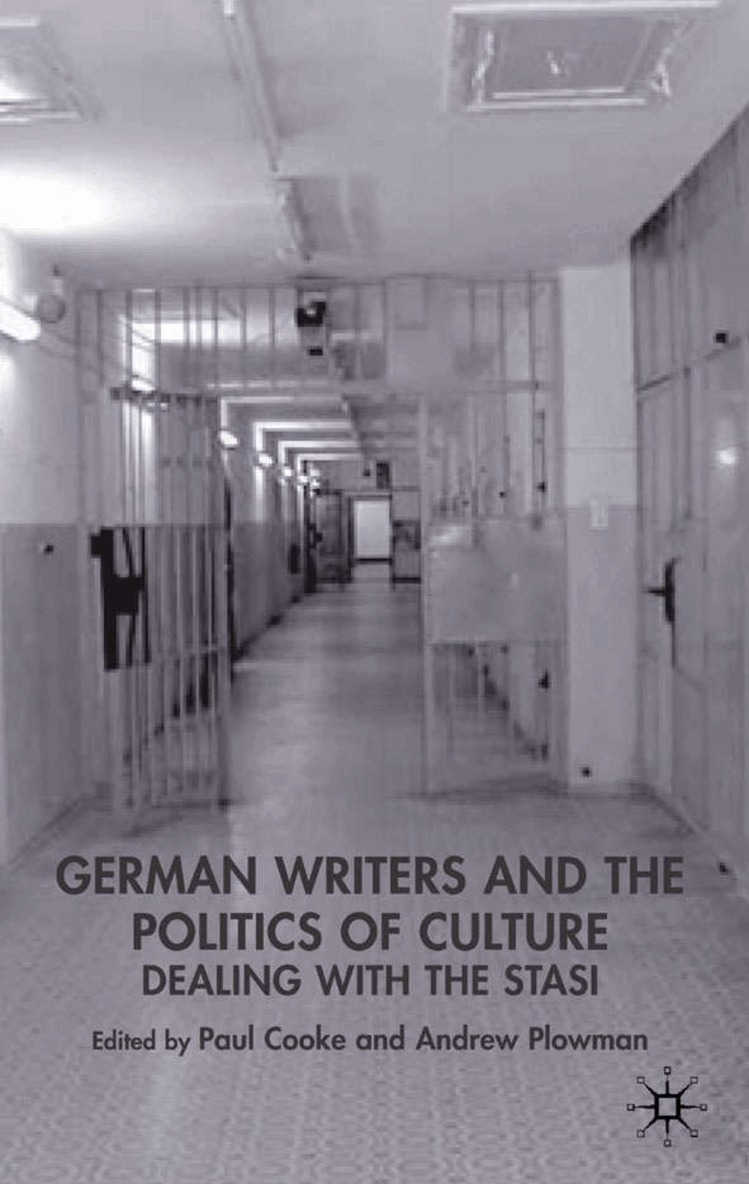
German Writers and the Politics of Culture
Dealing with the Stasi
Inbunden, 2003
634 kr
Lägg i varukorg
Before the fall of the Berlin Wall many East German writers were praised in the Western world as dissident voices of truth, bravely struggling with the draconian constraints of living under the GDR's communist regime. However, since unification, Germany has been rocked by scandals showing the level …
German Writers and the Politics of Culture
Dealing with the Stasi
E-bok, 2003
877 kr
Lägg i varukorg
Before the fall of the Berlin Wall many East German writers were praised in the Western world as dissident voices of truth, bravely struggling with the draconian constraints of living under the GDR''s communist regime. However, since unification, Germany has been rocked by scandals showing the …
Short Story in German in the Twenty-First Century
Av Lyn Marven, Andrew Plowman m. fl.
Inbunden, 2020
1946 kr
Lägg i varukorg
Offers readings of key contemporary trends and themes in the vibrant genre of short-story writing in Germany, Austria, and Switzerland, with attention to major practitioners and translations of two representative stories.Since the 1990s, the short story has re-emerged in the German-speaking world …
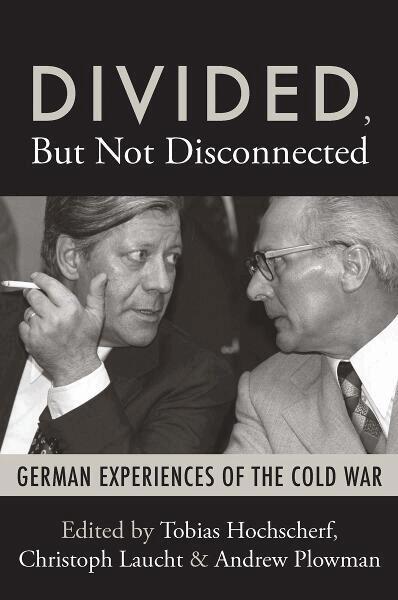
Divided, But Not Disconnected
German Experiences of the Cold War
Av Tobias Hochscherf, Christoph Laucht m. fl.
Häftad, 2013
543 kr
Lägg i varukorg
The Allied agreement after the Second World War did not only partition Germany, it divided the nation along the fault-lines of a new bipolar world order. This inner border made Germany a unique place to experience the Cold War, and the "German question" in this post-1945 variant remained …
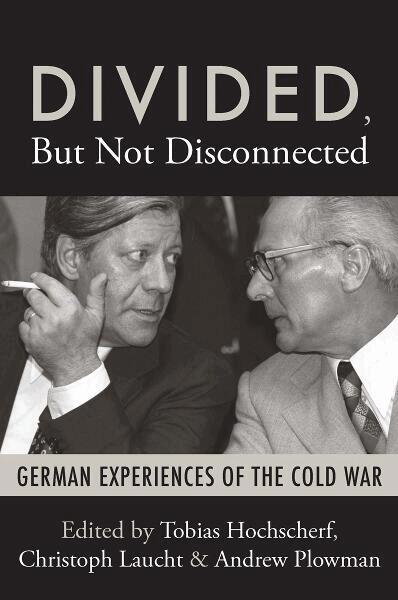
Divided, But Not Disconnected
German Experiences of the Cold War
Av Andrew Plowman, Christoph Laucht m. fl.
E-bok, 2010
335 kr
Lägg i varukorg
The Allied agreement after the Second World War did not only partition Germany, it divided the nation along the fault-lines of a new bipolar world order. This inner border made Germany a unique place to experience the Cold War, and the “German question” in this post-1945 variant remained …
Divided, But Not Disconnected
German Experiences of the Cold War
Av Tobias Hochscherf, Christoph Laucht m. fl.
Inbunden, 2010
1916 kr
Lägg i varukorg
The Allied agreement after the Second World War did not only partition Germany, it divided the nation along the fault-lines of a new bipolar world order. This inner border made Germany a unique place to experience the Cold War, and the “German question” in this post-1945 variant remained …