Andrew Rawson – författare
Visar alla böcker från författaren Andrew Rawson. Handla med fri frakt och snabb leverans.
38 produkter
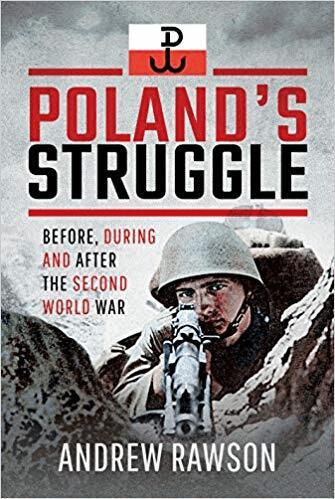
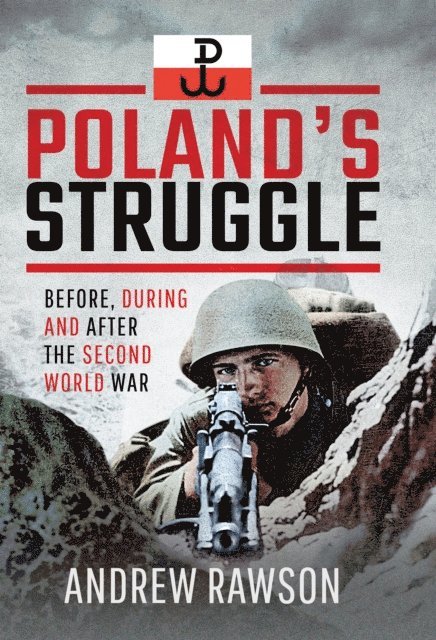
Poland's Struggle
Before, During and After the Second World War
Inbunden, 2019
225 kr
Lägg i varukorg
Poland was re-created as an independent nation at the end of the First World War, but it soon faced problems as Nazi Germany set about expanding its control on Europe. The Wehrmacht's attack on 1 September 1939 was followed by a Red Army invasion two weeks later.The people of Poland were then …
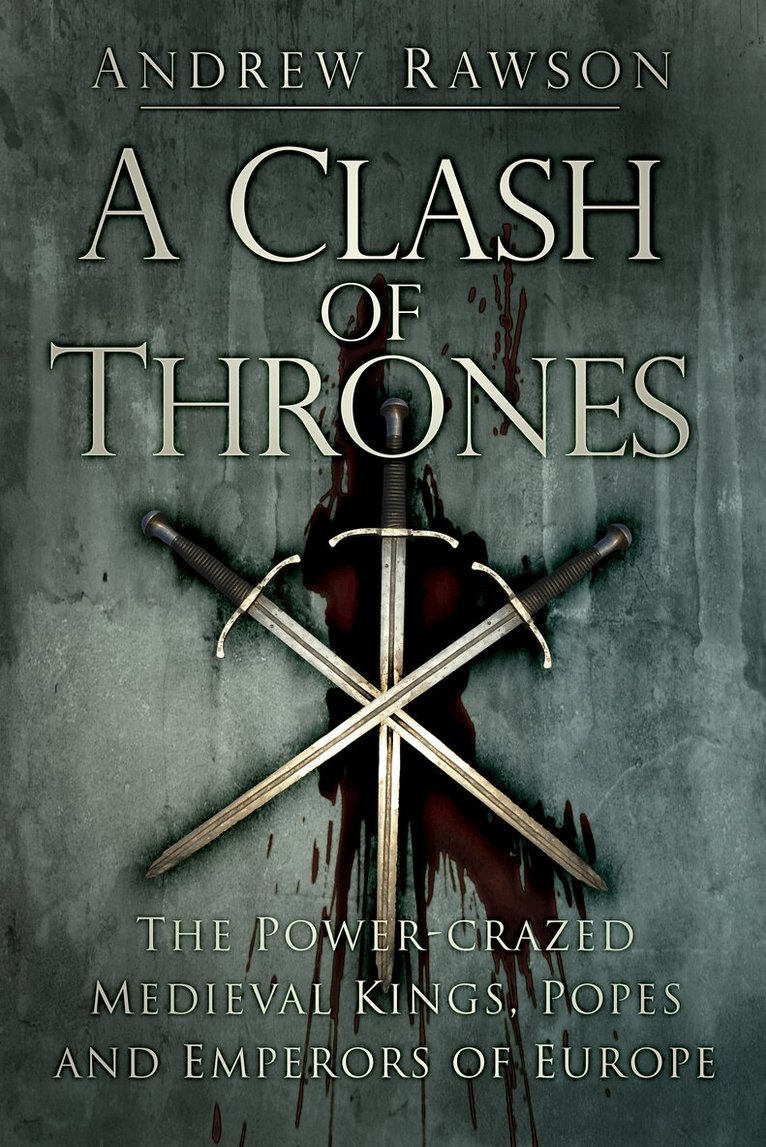
Clash of Thrones
The Power-crazed Medieval Kings, Popes and Emperors of Europe
Häftad, 2015
102 kr
Lägg i varukorg
Medieval Europe is a dark and dangerous place. In 1054 the Church tears itself in two, setting the scene for nearly 500 years of turmoil. Empires will collide and dynasties will rise and fall; marriages will be made and alliances broken. It is a place where love clashes with ambition and violence …
Clash of Thrones
The Power-crazed Medieval Kings, Popes and Emperors of Europe
E-bok, 2015
16 kr
Lägg i varukorg
Medieval Europe is a dark and dangerous place. In 1054 the Church tears itself in two, setting the scene for nearly 500 years of turmoil. Empires will collide and dynasties will rise and fall; marriages will be made and alliances broken. It is a place where love clashes with ambition and violence …
Loos - Hill 70: French Flanders
Häftad, 2002
137 kr
Lägg i varukorg
The Battle of Loos formed part of a wider offensive conducted by both French and British Forces in September 1915. The British First Army, under the leadership of General Haig, were to break through the German line at Loos thanks in part to their superior numbers, while other operations were to …
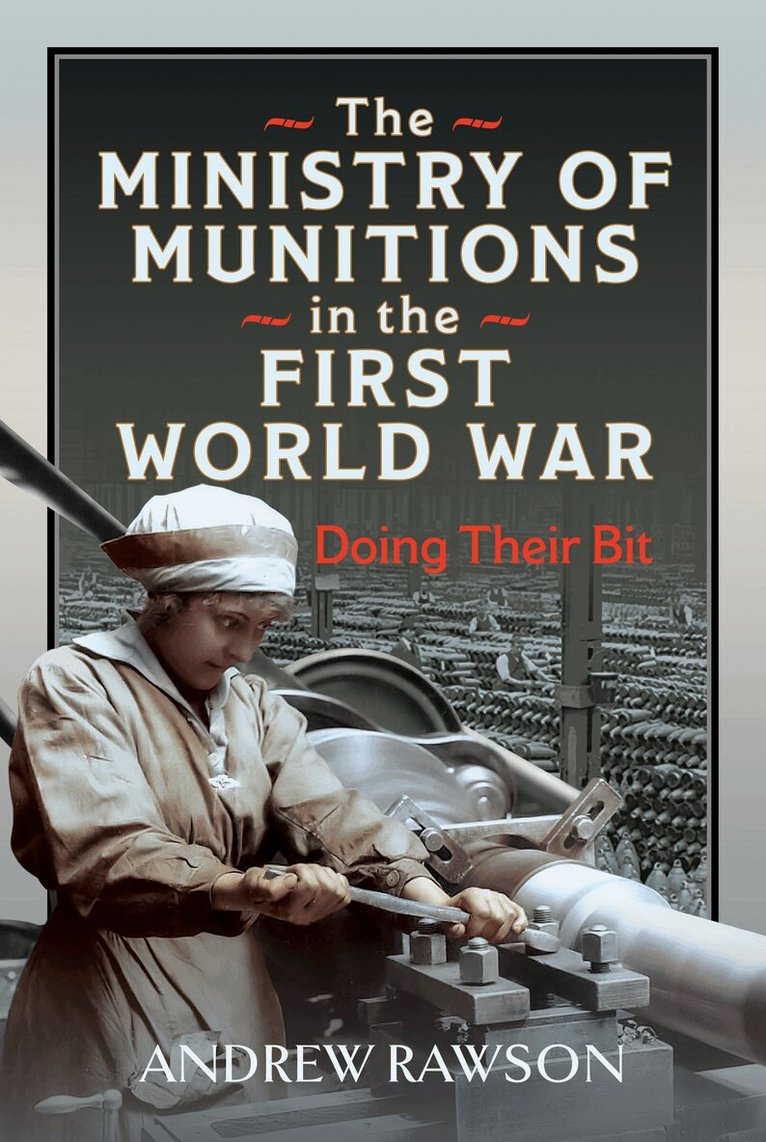
Ministry of Munitions in the First World War
Doing Their Bit
Inbunden, 2025
280 kr
Lägg i varukorg
This is the history of Britain’s munitions industry in the First World War. It begins with the shortages caused by an expanding army required to fight in trenches, then shows how the country was organised, with the expansion of private companies and the introduction of state owned factories. It …
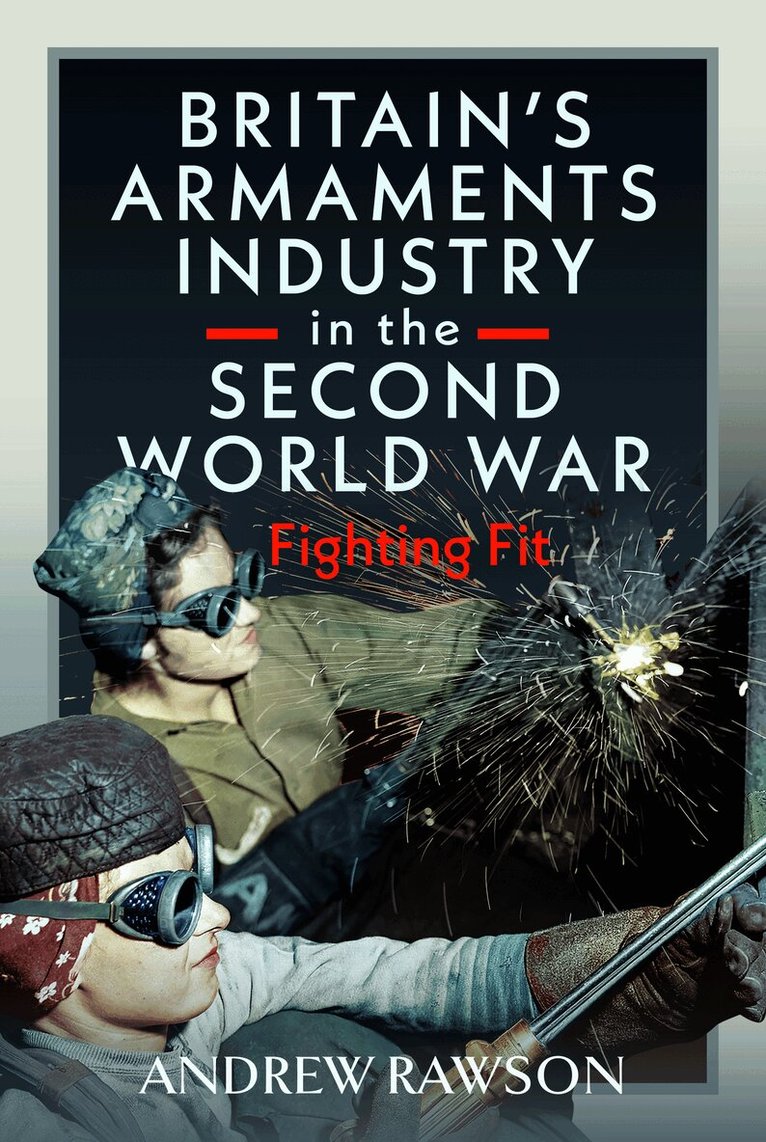
Britain's Armaments Industry in the Second World War
Fighting Fit
Inbunden, 2026
280 kr
Lägg i varukorg
This is the history of Britain’s armaments industry during the Second World War.It begins with the rearmament before the war and shows how a shadow industry was prepared, in response to German aggression. See how industry was organised and programmed, before learning how armaments were researched, …
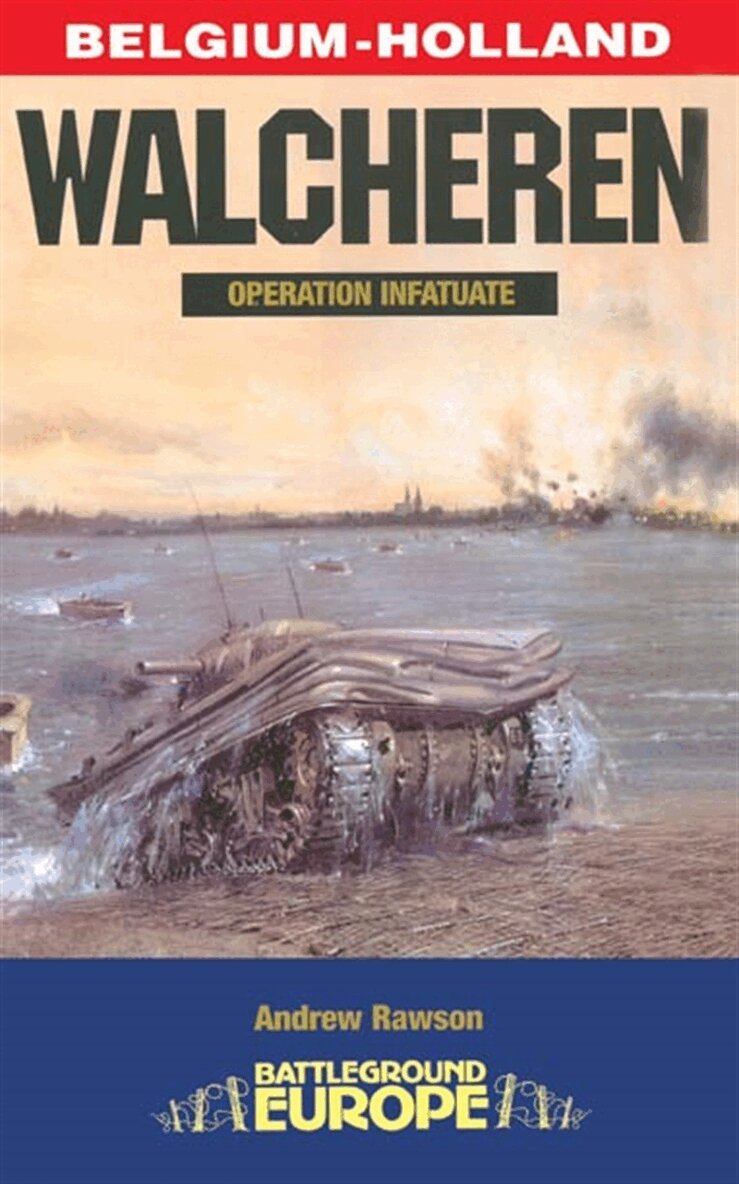
Walcheren
Operation Infatuate
E-bok, 2021
127 kr
Lägg i varukorg
Describes the fierce campaign, codenamed INFATUATE, mounted in November 1944 to clear the way through to the port of Antwerp. The book describes the extraordinary courage of the Germans who fought to the bitter end.
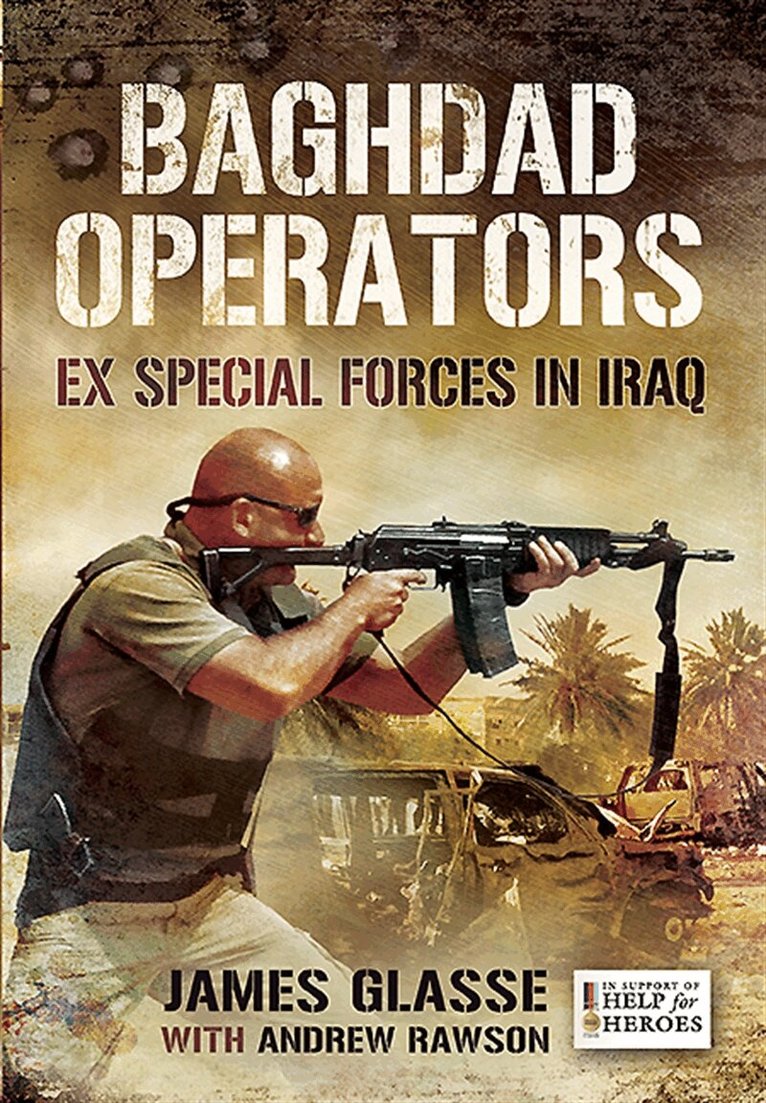
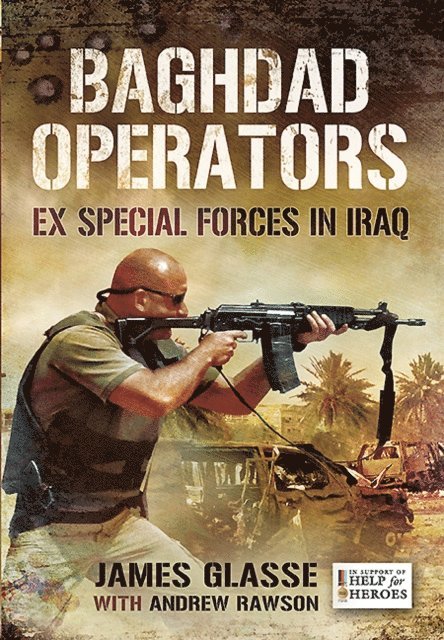
Baghdad Operators
Ex Special Forces in Iraq
Av Andrew Rawson, James Glasse
E-bok, 2021
127 kr
Lägg i varukorg
p across worn torn Iraq in the spring 2003. Discover how they used their unique military skills to create a successful security company with over 300 employees during the early days of the occupation. See how Iraq was torn apart from the inside from someone who was there and get an insight into …
Baghdad Operators
Ex Special Forces in Iraq
Av Andrew Rawson, James Glasse
E-bok, 2013
88 kr
Lägg i varukorg
p across worn torn Iraq in the spring 2003. Discover how they used their unique military skills to create a successful security company with over 300 employees during the early days of the occupation. See how Iraq was torn apart from the inside from someone who was there and get an insight into …
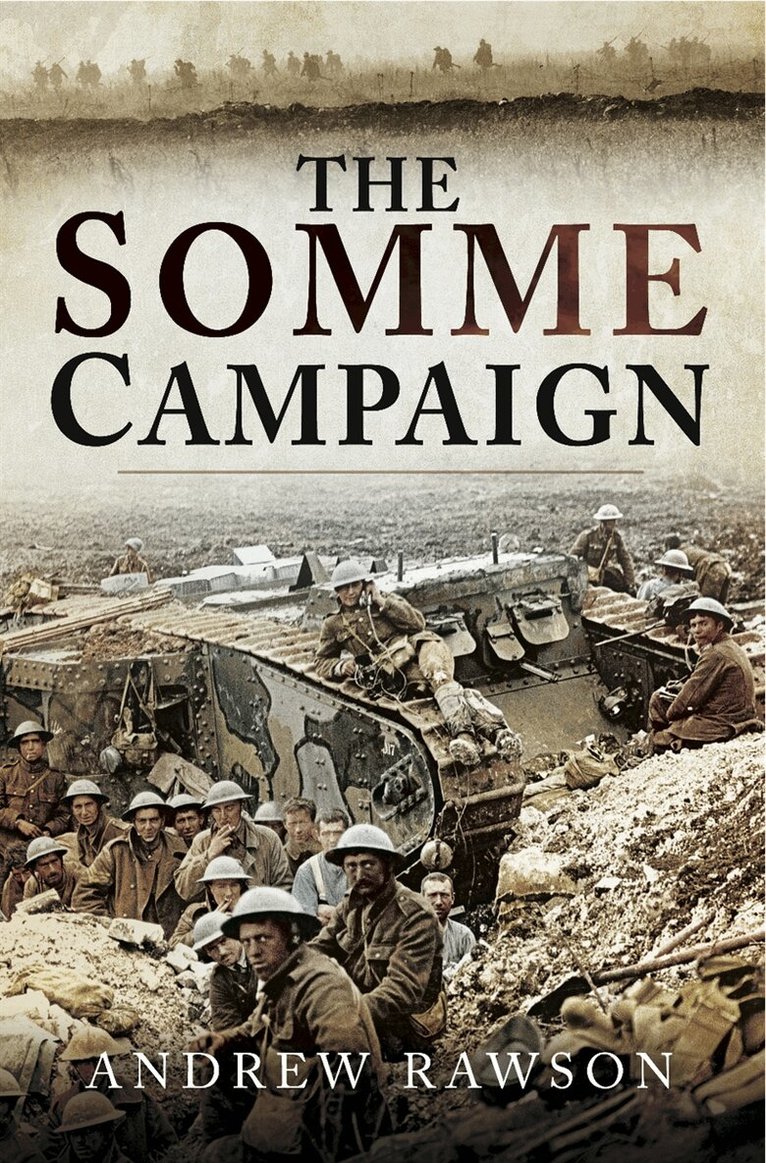
Somme Campaign
E-bok, 2021
127 kr
Lägg i varukorg
The five and a half month long Somme campaign in the summer and autumn of 1916 was a defining moment in the history of the British Army. From the disastrous opening day on 1 July to the final attacks in November, each large battle and minor action is given equal treatment inside these pages. The …
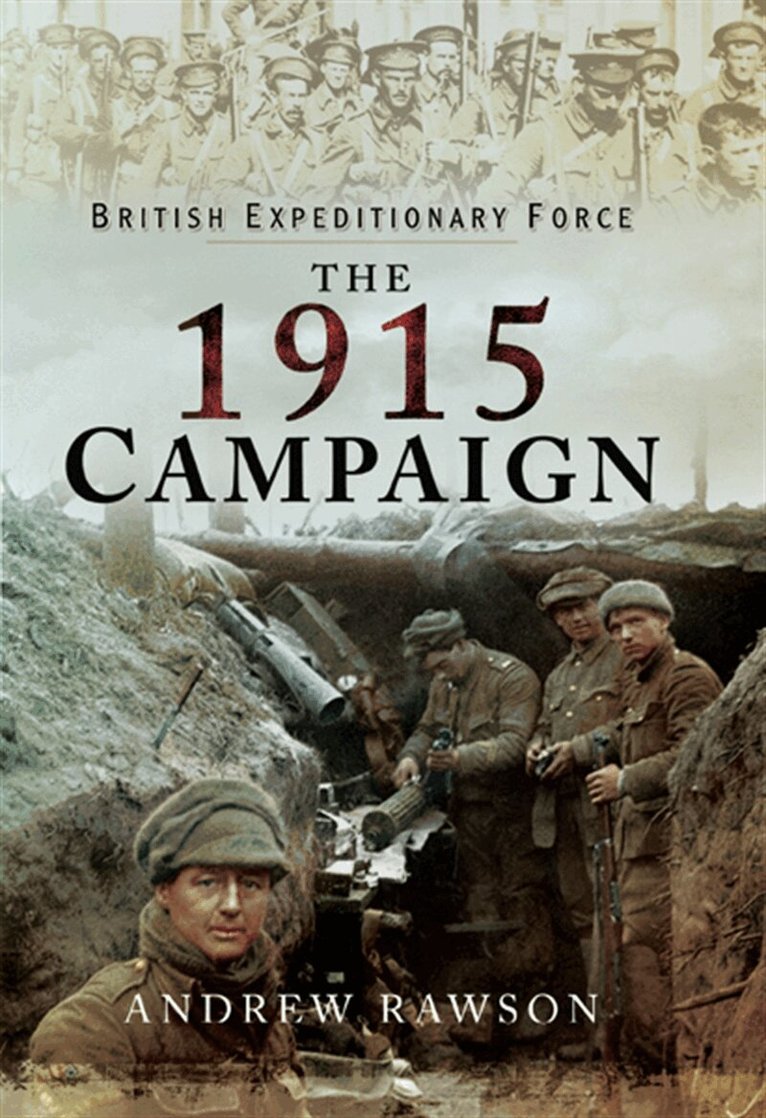
The 1915 Campaign
E-bok, 2021
127 kr
Lägg i varukorg
The British Expeditionary Force – The 1915 Campaign is a thorough account of the BEF's actions during the battles of 1915 and early 1916, starting with the success at Neuve Chapelle in March and the nightmare gas attack at Ypres in April. It follows their
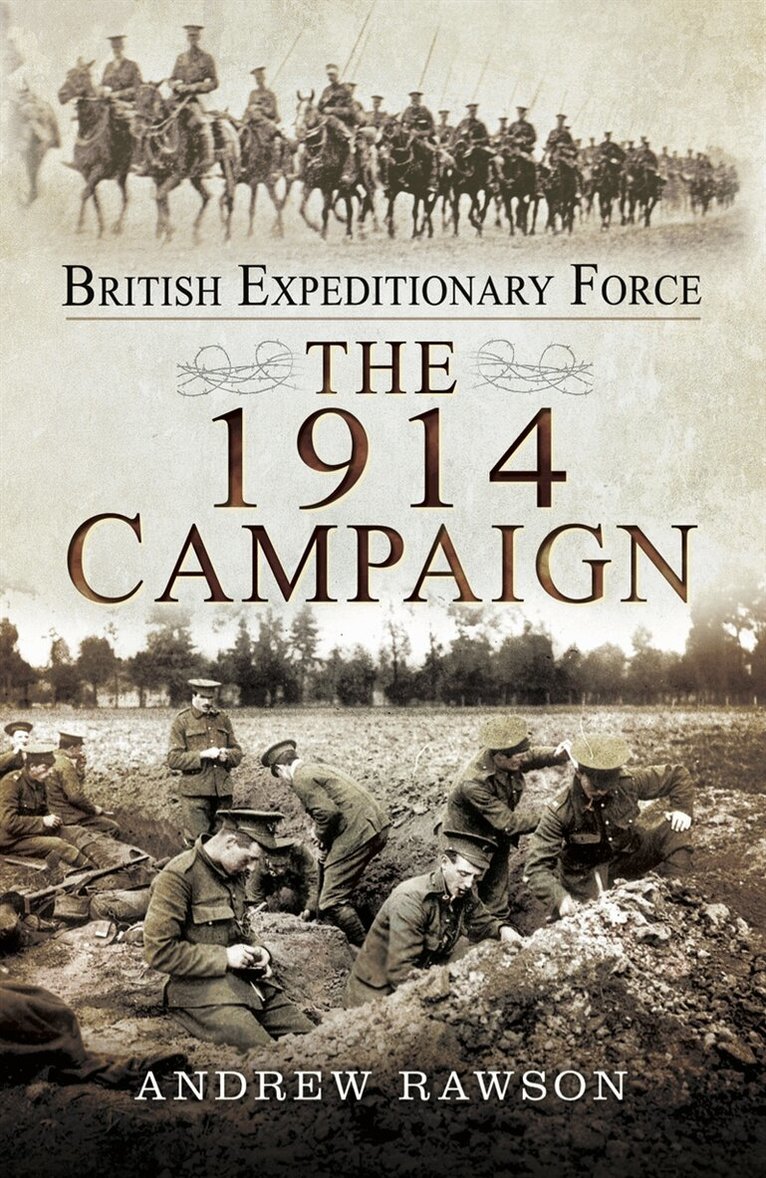
British Expeditionary Force
E-bok, 2021
127 kr
Lägg i varukorg
The book concentrates on the British Expeditionary Force's defensive actions during the retreat from Mons through to the advance to the River Aisne and the first days of trench warfare. Then moved north to Ypres, where it endured three long weeks of German attacks. By compiling information from the …
1914 Campaign
E-bok, 2014
88 kr
Lägg i varukorg
The book concentrates on the British Expeditionary Force''s defensive actions during the retreat from Mons through to the advance to the River Aisne and the first days of trench warfare. Then moved north to Ypres, where it endured three long weeks of German attacks. By compiling information from …
Auschwitz
The Nazi Solution
E-bok, 2021
127 kr
Lägg i varukorg
The camps at Auschwitz-Birkenau were an important part of the Nazis' final solution to the Jewish question. Over one million people were murdered in its gas chambers and tens of thousands of prisoners were worked to death in the nearby sub-camps. Others were held in the quarantine area before they …
Ancestor's Footsteps: The Somme 1916
The Somme 1916
E-bok, 2021
127 kr
Lägg i varukorg
This book answers one of biggest unanswered questions asked by visitors to the Somme; where did my ancestor fight? The combination of First World War battle accounts and annotated trench maps throughout this book, explains exactly what happened and where, and indexed orders of battle give the …
Cambrai Campaign 1917
Inbunden, 2017
280 kr
Lägg i varukorg
_Cambrai Campaign 1917_ is an account of the British Expeditionary Force s battles in November and December of 1917\. It starts with the plan to carry out a tank raid on the Hindenburg Line at Cambrai. The raid grew into a full scale attack and Third Army would rely on a different style of attack. …
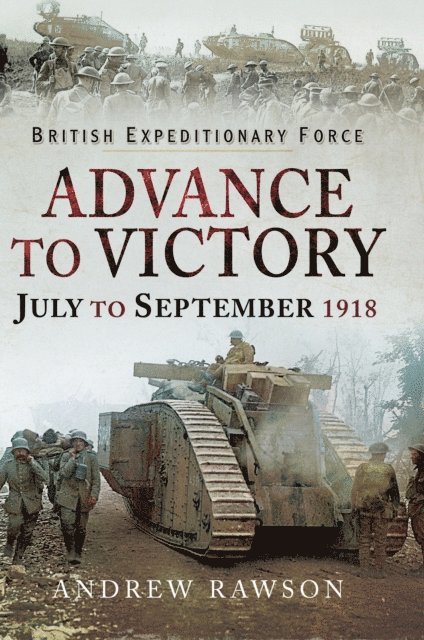
Advance to Victory, July to September 1918
E-bok, 2018
149 kr
Lägg i varukorg
This is the story of the British Expeditionary Forces part in the opening days of the Advance to Victory. It starts with the contribution to the Battle of Fre-en-Tardenois in July; the counter-offensive which pushed the Germans back to the River Marne.Fourth Armys attack on 8 August was called the …
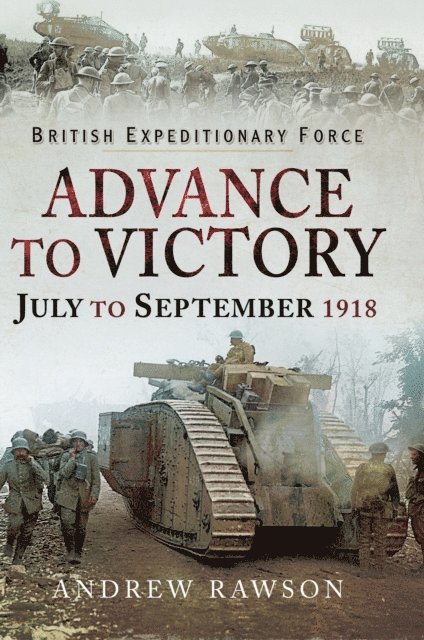
Advance to Victory, July to September 1918
E-bok, 2018
149 kr
Lägg i varukorg
This is the story of the British Expeditionary Forces part in the opening days of the Advance to Victory. It starts with the contribution to the Battle of Fre-en-Tardenois in July; the counter-offensive which pushed the Germans back to the River Marne.Fourth Armys attack on 8 August was called the …
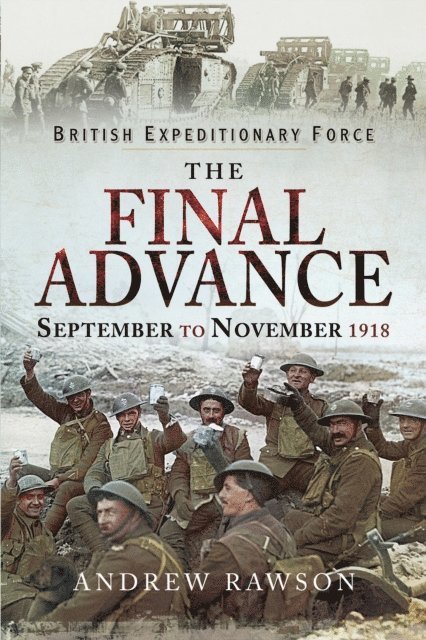
Final Advance, September to November 1918
E-bok, 2018
15 kr
Lägg i varukorg
This is the story the British Expeditionary Forces part in the final days of the Advance to Victory. It starts with the massive offensive against the Hindenburg Line at the end of September 1918. Second Army launched the first of the British attacks in Flanders on the 28th, followed by Fourth Army …
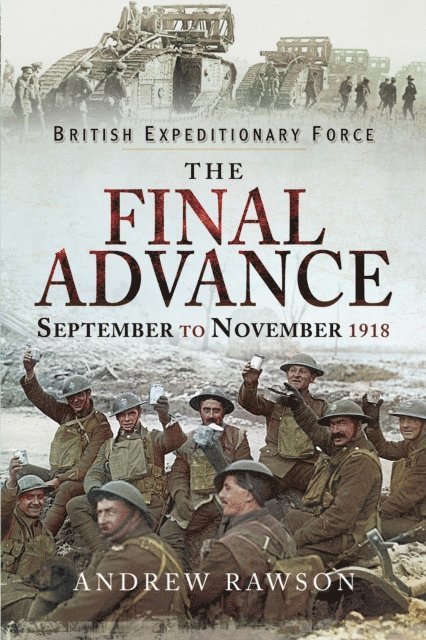
Final Advance, September to November 1918
E-bok, 2018
15 kr
Lägg i varukorg
This is the story the British Expeditionary Forces part in the final days of the Advance to Victory. It starts with the massive offensive against the Hindenburg Line at the end of September 1918. Second Army launched the first of the British attacks in Flanders on the 28th, followed by Fourth Army …
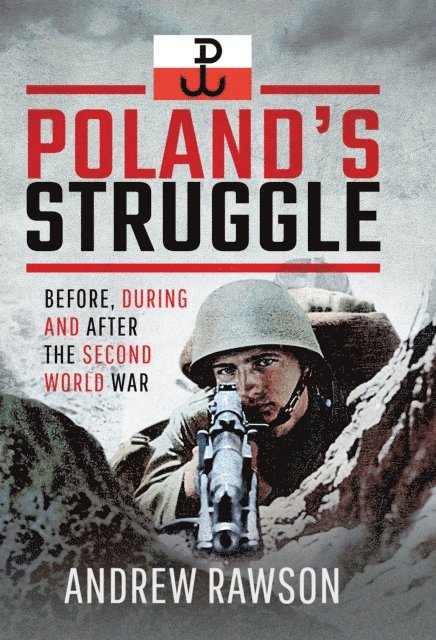
Poland's Struggle
Before, During and After the Second World War
E-bok, 2019
88 kr
Lägg i varukorg
A historian''s account of the experience of Poland''s people and its military before, during, and after World War II—from 1918 to 1991. Poland was re-created as an independent nation at the end of the First World War, but it soon faced problems as Nazi Germany set about expanding its control of …
Poland's Struggle
Before, During and After the Second World War
E-bok, 2019
88 kr
Lägg i varukorg
A historian''s account of the experience of Poland''s people and its military before, during, and after World War II—from 1918 to 1991. Poland was re-created as an independent nation at the end of the First World War, but it soon faced problems as Nazi Germany set about expanding its control of …
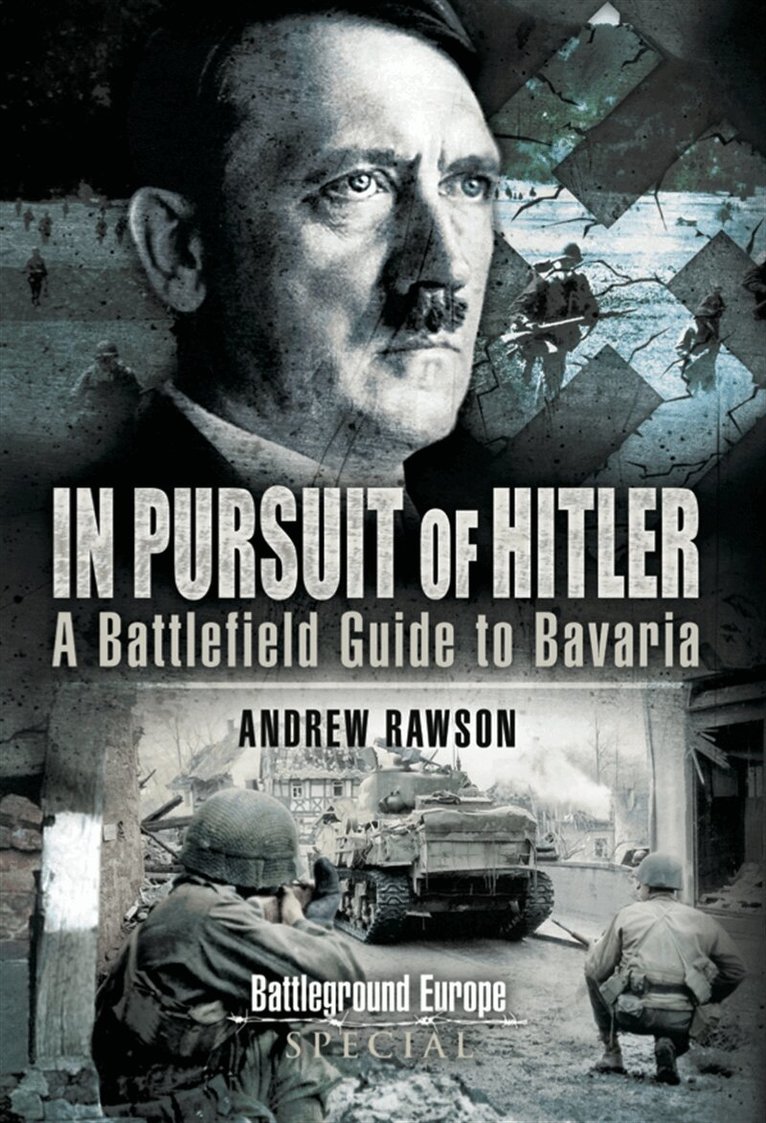
In Pursuit of Hitler
A Battlefield Guide to the Seventh (US) Army Drive
E-bok, 2021
127 kr
Lägg i varukorg
This book is a chronology of the Rise and Fall of the Third Reich and the famous victory drive of the Seventh Army. It starts at the Worms’ Rhine bridgehead and moves quickly onto Aschaffenburg, before describing the Hammelburg Raid to release US POWs. The seizure of Nuremberg was hugely symbolic …
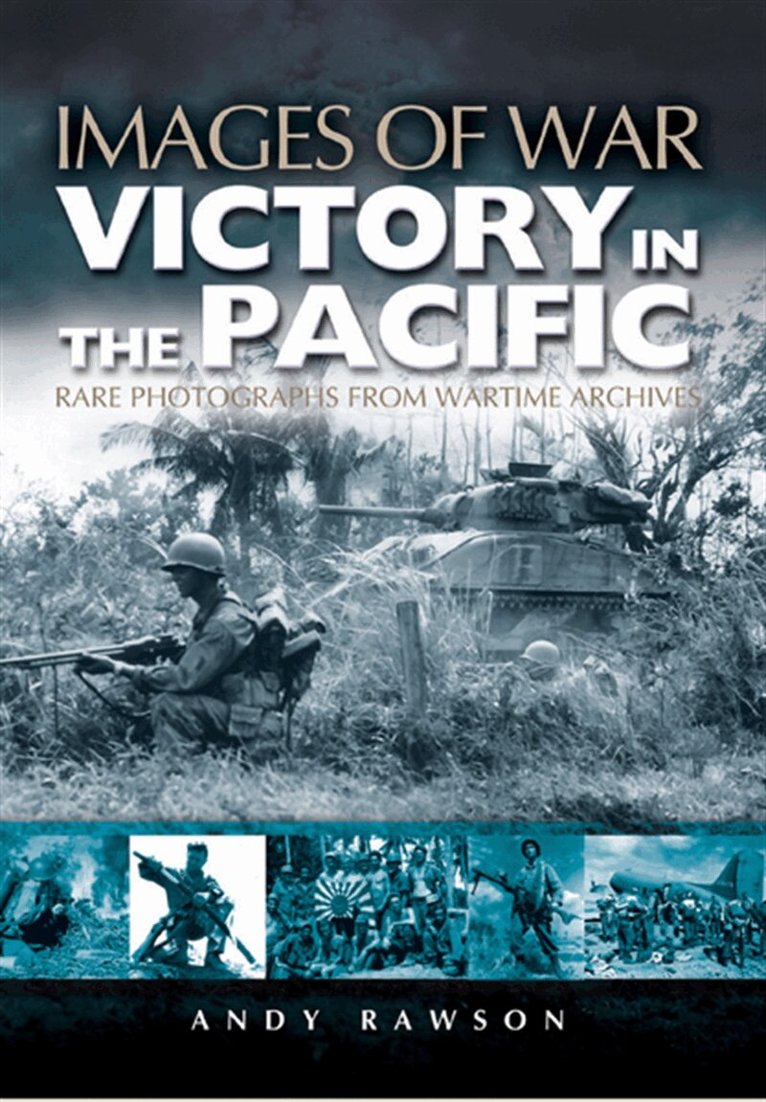
Victory in the Pacific
E-bok, 2021
127 kr
Lägg i varukorg
By Spring 1945, while the war in Europe was coming to a close, in the Pacific there was no end to hostilities in sight. The Japanese, albeit retreating, defended every outpost and island with fanatical determination and all the indications were that Japan would have to be invaded at a terrible …
Victory in Europe
E-bok, 2021
127 kr
Lägg i varukorg
Sixty years ago, the World had been at war for nearly six years. The cost in life and material terms was appalling Millions of men and women had died, families and nations destroyed and all sides were suffering grievously in human and financial terms. The Allies were closing in on Hitler’s Germany …
Loos - Hill 70: French Flanders
French Flanders
E-bok, 2021
111 kr
Lägg i varukorg
The Battle of Loos formed part of a wider offensive conducted by both French and British Forces in September 1915. The British First Army, under the leadership of General Haig, were to break through the German line at Loos thanks in part to their superior numbers, while other operations were to …
Loos – Hohenzollen
French Flanders
E-bok, 2021
111 kr
Lägg i varukorg
In September 1915 Kitcherner's men were in action for the first time in the largest offensive of the year. Using gas, British troops managed to open a three mile gap in the German line. However, misuse of the reserves allowed the chance of success to pass by. In the following struggle for …
Rhine Crossing
Operations Flashpoint & Varsity
E-bok, 2005
15 kr
Lägg i varukorg
A detailed account of "the last great set piece operation carried out by the western Allies during the Second World War . . . surprisingly comprehensive."—Pegasus Archive By Spring 1945, with the Russians closing fast on Berlin from the East, the US and British Armies of Patton and Montgomery were …
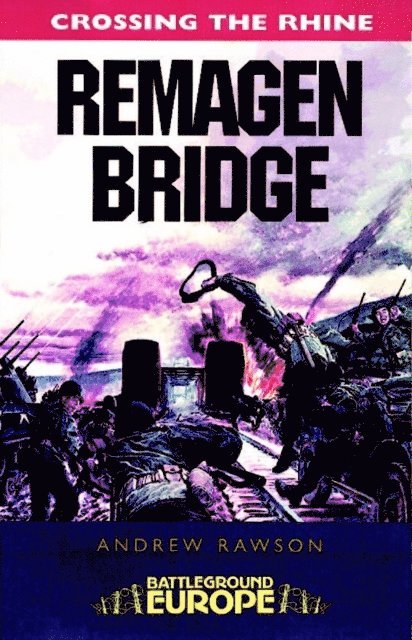
Crossing the Rhine: Remagen Bridge
9th Armoured Infantry Division
E-bok, 2004
132 kr
Lägg i varukorg
In Spring 1945 one final hurdle faced the American and British Armies under Ike''s supreme command - the Rhine. This mighty river was literally the last ditch for the defence of Hitler''s Germany. Crossing it would be a major military undertaking. The race was on to find intact crossings that could …
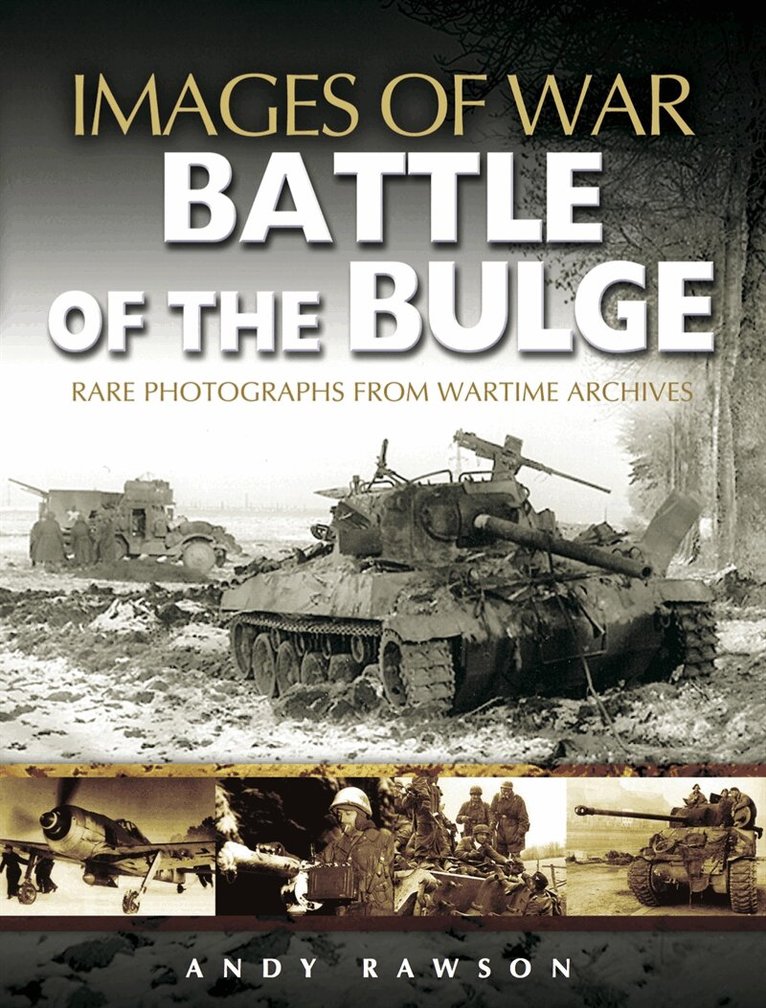
Battle of the Bulge
E-bok, 2021
95 kr
Lägg i varukorg
Hitler's desperate last throw during the depths of winter 1944/45 came perilously close to being a major disaster for the Allies. Their offensive through the Ardennes fell on the Americans and caught them totally by surprise. Unaccustomed to setbacks, the situation was for a time extremely serious …