Andrew S. Fullerton – författare
Visar alla böcker från författaren Andrew S. Fullerton. Handla med fri frakt och snabb leverans.
8 produkter
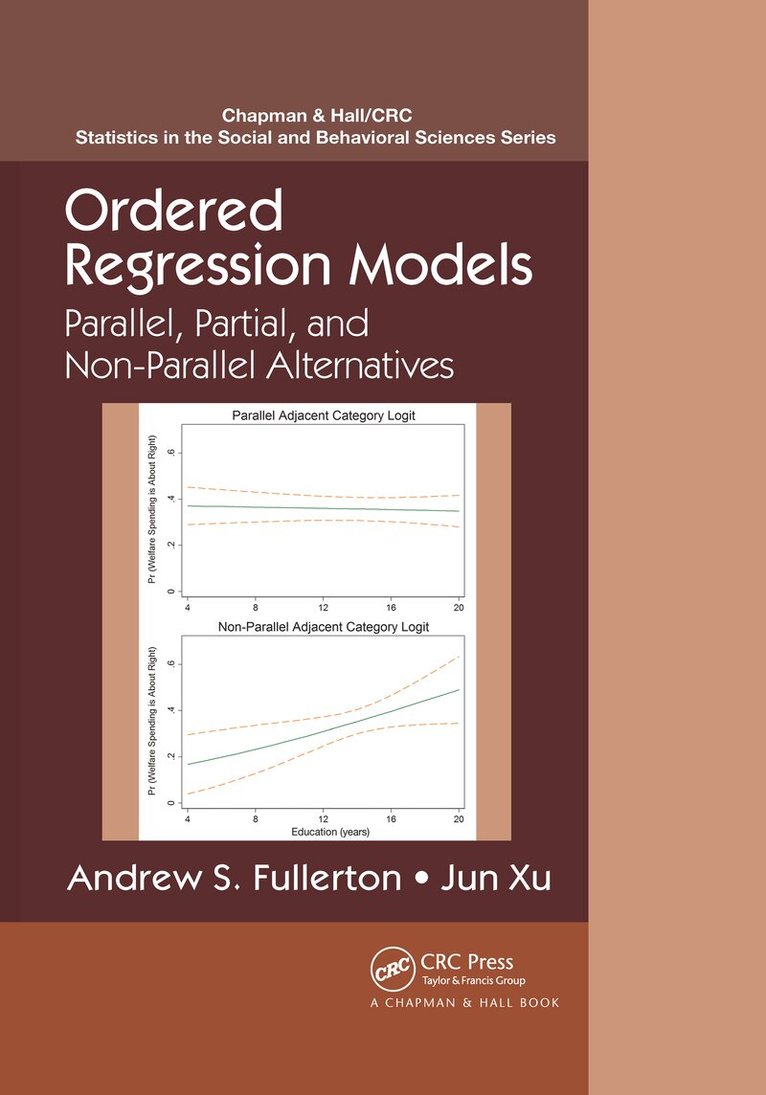
Ordered Regression Models
Parallel, Partial, and Non-Parallel Alternatives
Av Andrew S. Fullerton, Jun Xu
Häftad, 2020
793 kr
Lägg i varukorg
Estimate and Interpret Results from Ordered Regression ModelsOrdered Regression Models: Parallel, Partial, and Non-Parallel Alternatives presents regression models for ordinal outcomes, which are variables that have ordered categories but unknown spacing between the categories. The book provides …
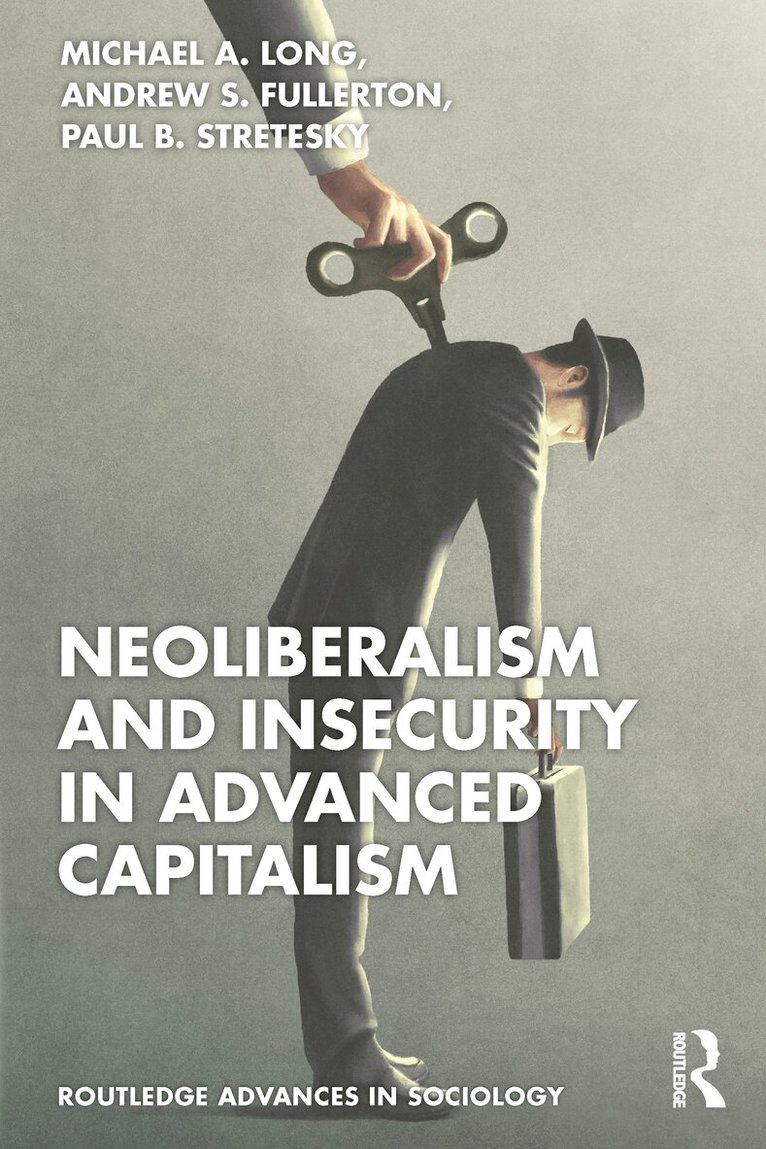
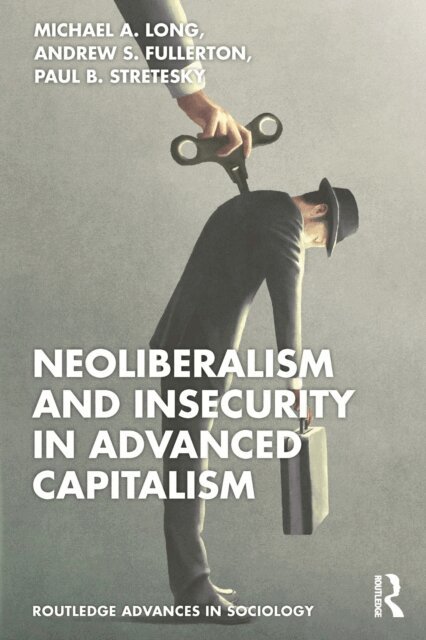
Neoliberalism and Insecurity in Advanced Capitalism
Av Michael A. Long, Andrew S. Fullerton m. fl.
Häftad, 2025
647 kr
Lägg i varukorg
This book examines the relationship between neoliberalism and insecurity, beginning with the post‑World War II period and continuing up through the present. Neoliberalism – the dominant political economic perspective that elevates competition above all else at both the structural and individual …
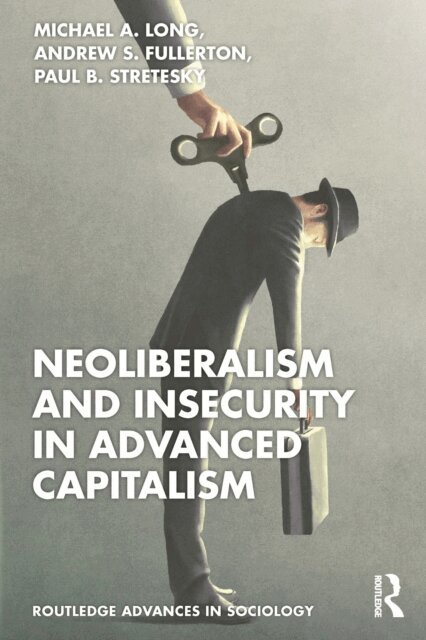
Neoliberalism and Insecurity in Advanced Capitalism
Av Michael A. Long, Andrew S. Fullerton m. fl.
Inbunden, 2025
2510 kr
Lägg i varukorg
This book examines the relationship between neoliberalism and insecurity, beginning with the post‑World War II period and continuing up through the present. Neoliberalism – the dominant political economic perspective that elevates competition above all else at both the structural and individual …
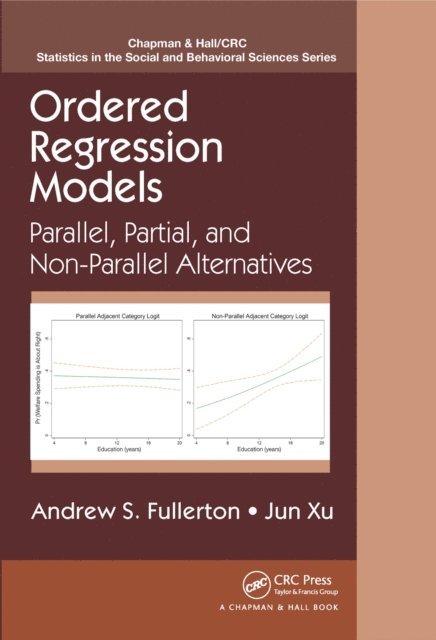
Ordered Regression Models
Parallel, Partial, and Non-Parallel Alternatives
Av Jun Xu, Andrew S. Fullerton
E-bok, 2016
935 kr
Lägg i varukorg
Ordered Regression Models: Parallel, Partial, and Non-Parallel Alternatives presents regression models for ordinal outcomes, which are variables that have ordered categories but unknown spacing between the categories. The book provides comprehensive coverage of the three major classes of ordered …
Neoliberalism and Insecurity in Advanced Capitalism
Av Paul B. Stretesky, Andrew S. Fullerton m. fl.
E-bok, 2025
738 kr
Lägg i varukorg
This book examines the relationship between neoliberalism and insecurity, beginning with the post‑World War II period and continuing up through the present. Neoliberalism – the dominant political economic perspective that elevates competition above all else at both the structural and individual …
Neoliberalism and Insecurity in Advanced Capitalism
Av Paul B. Stretesky, Andrew S. Fullerton m. fl.
E-bok, 2025
746 kr
Lägg i varukorg
This book examines the relationship between neoliberalism and insecurity, beginning with the post‑World War II period and continuing up through the present. Neoliberalism – the dominant political economic perspective that elevates competition above all else at both the structural and individual …
Ordered Regression Models
Parallel, Partial, and Non-Parallel Alternatives
Av Andrew S. Fullerton, Jun Xu
Inbunden, 2016
1499 kr
Lägg i varukorg
Estimate and Interpret Results from Ordered Regression ModelsOrdered Regression Models: Parallel, Partial, and Non-Parallel Alternatives presents regression models for ordinal outcomes, which are variables that have ordered categories but unknown spacing between the categories. The book provides …
Ordered Regression Models
Parallel, Partial, and Non-Parallel Alternatives
Av Jun Xu, Andrew S. Fullerton
E-bok, 2016
935 kr
Lägg i varukorg
Ordered Regression Models: Parallel, Partial, and Non-Parallel Alternatives presents regression models for ordinal outcomes, which are variables that have ordered categories but unknown spacing between the categories. The book provides comprehensive coverage of the three major classes of ordered …