Andrew Sangster - Böcker
Visar alla böcker från författaren Andrew Sangster. Handla med fri frakt och snabb leverans.
16 produkter
16 produkter
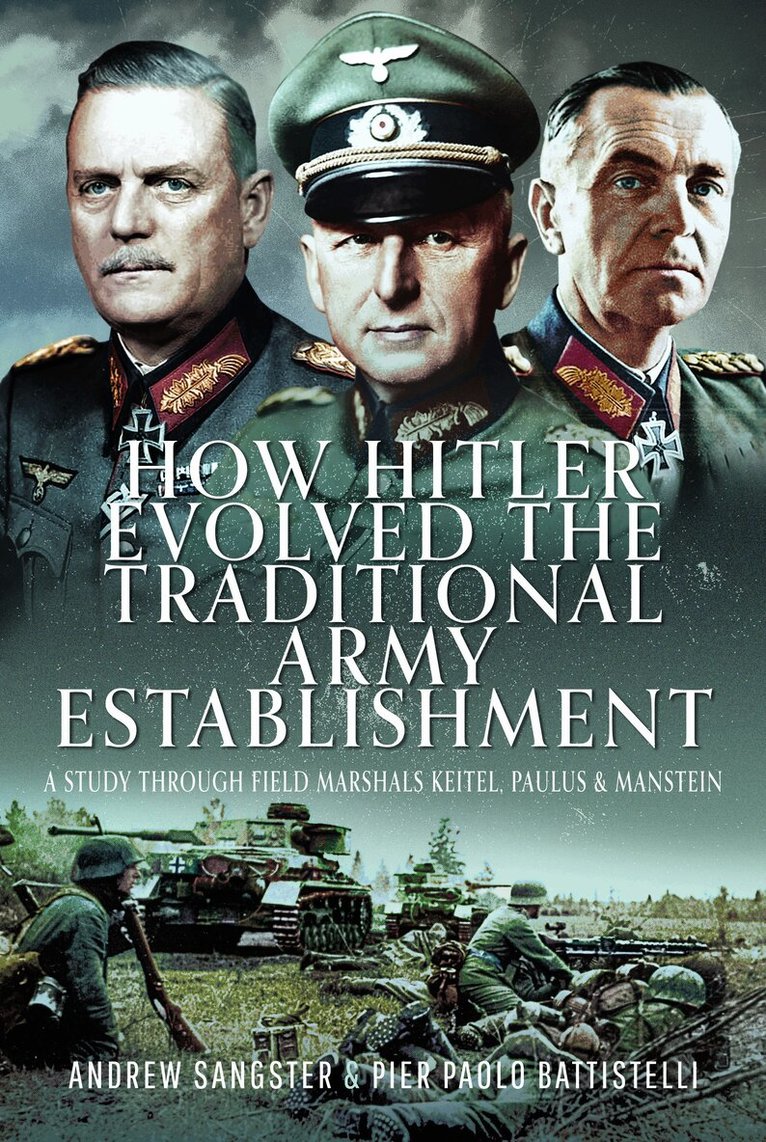
How Hitler Evolved the Traditional Army Establishment
A Study Through Field Marshals Keitel, Paulus and Manstein
Inbunden, Engelska, 2024
266 kr
Skickas
Under the surveillance of General von Seeckt the Germans re-established their military, which Hitler utilised for his aggression of recovering Germany’s military greatness. This book explores some of the leading military figures. The often-ignored Field Marshal Keitel is explored, to see if there were any substance in the Allied belief that this Chief of the OKW was the driving force behind initial German success or was he merely Hitler’s lackey and bureaucrat. He was derided by his contemporaries because of his unstinting Prussian obedience to Hitler.This sense of total compliance was also reflected by General Paulus, who although obedient, was reluctant to carry out Hitler’s barbaric orders relating to Jews and prisoners, but otherwise was obedient and trusting of Hitler even though he knew it would lead to military disaster. It took time in a Russian prison camp to turn him against the once adored German dictator where he eventually became anti-Nazi.In striking contrast to the failed Paulus Field Marshal Manstein is examined. He was a skilled strategist and tactician and proved this in his victory in France. He lacked the social sophistication of many other leading military commanders, but he was one of the very few who had the courage to challenge Hitler’s military directions and decisions. He was eventually dismissed by Hitler and postwar wrote two books to regain his reputation, despite the fact he was convicted of war crimes, and whether he deserves a pedestal remains with the reader.
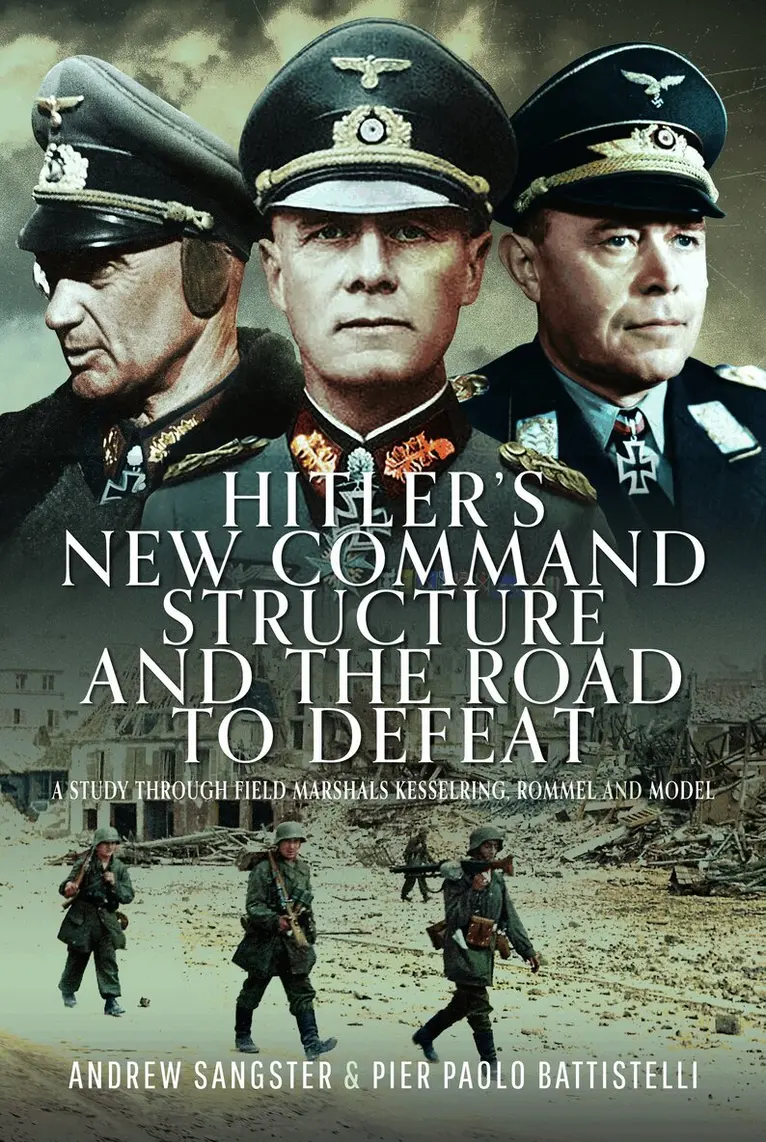
Hitler's New Command Structure and the Road to Defeat
A Study through Field Marshals Kesselring, Rommel and Model
Inbunden, Engelska, 2024
266 kr
Skickas
As the war progressed Hitler did not need obedient bureaucrats like Keitel, failures like Paulus and was paranoid about having military leaders who were loyal. The three field marshals in this book were amongst the best.Field Marshal Kesselring gained a reputation in Italy as an expert in defence, and his Allied code name was The Emperor. Kesselring was diplomatic, charming, known as Smiling Albert, but convicted as a war criminal which may not have happened had it not been for the bitter partisan war. Field Marshal Rommel is surrounded by myths which need disentangling. He possessed exceptional qualities of command and leadership, with personal courage and determination, but had problems caused by two major reasons. The first was his relentless ambition, which prevented him from self-criticism and self-evaluation. The second was his meteoric rise in command, and like many other commanders driven by ambition.Field Marshal Model when on the battlefield led his men so well it is surprising that little is known of him. He fought defensive battles in a way hardly matched by any other German general. He had the immense capability of keeping his nerve, but his skills as a commander, were not matched by the sort of personality which may have given him a similar status as with Rommel, and not helped by challenging Hitler. Model had a reputation of being so tough even Hitler claimed he would not want to serve under him, he was known as the Frontschwein (front-line pig).
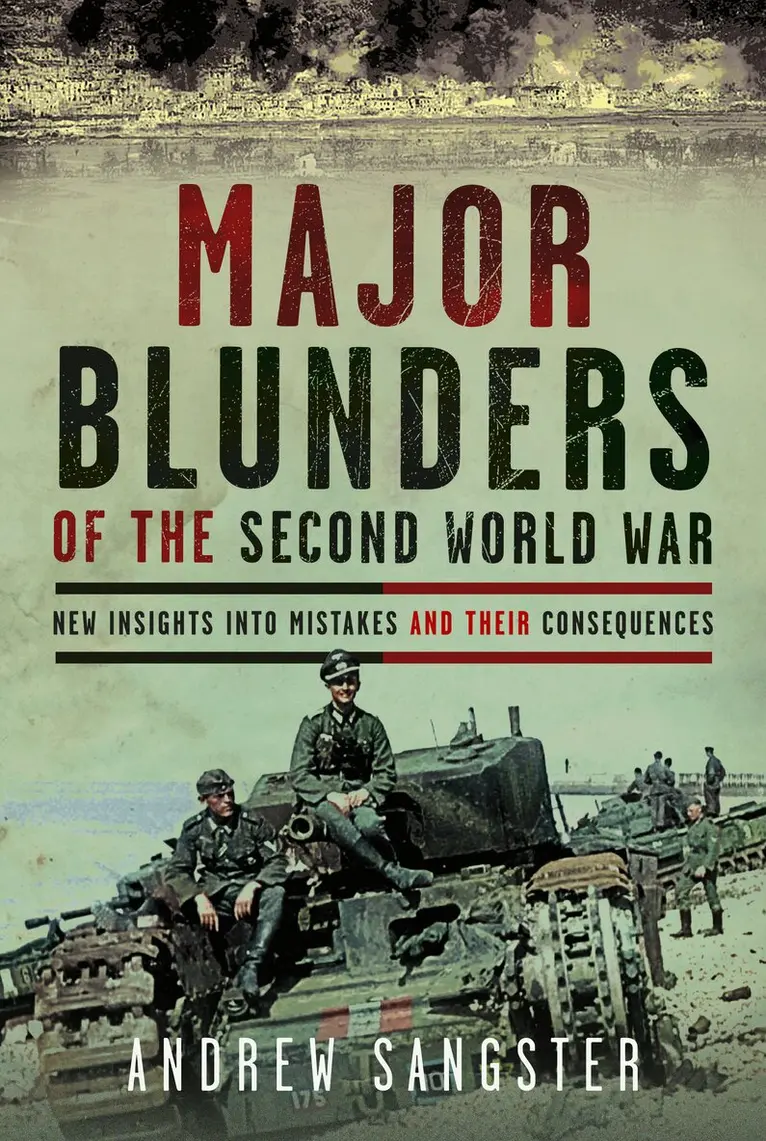
Major Blunders of the Second World War
New Insights into Mistakes and their Consequences
Inbunden, Engelska, 2024
235 kr
Skickas
A mistake is an error of judgement, a blunder is a mistake caused by carelessness or ignorance, implying incompetence. Blunders are not always the result of incompetence; a chess player may give a critical piece away being distracted by noise, but in war it results in death with serious repercussions. This book explores such errors during the Second World War, some hardly known, a few contentious, many embarrassing.An American destroyer which fired a live torpedo at a battleship carrying Roosevelt, an American officer who unintentionally passed British information to Rommel, and a German plane crash-landing in neutral territory with plans for invasion are some little-known incidents. Overconfidence resulted in a Luftwaffe raid hitting exposed American gas shells killing Italian civilians, British and American military. Self-assurance led to an American general who lost men and tanks failing to rescue his son-in-law from a PoW camp. Inadequate planning brought disaster in the raid on Dieppe. Poor tactics deployed in the bombing of Monte Cassino was bad propaganda for the Allies but assisted the German defence.There are some issues which remain disputed, as with the British sinking the French Fleet, but whether it was a blunder remains questionable. There is the issue of the abdicated King Edward often accused of being a traitor, which may not have stood a court case but possibly a Judas caused by immature naivety. Finally, Dönitz was condemned at Nuremberg, but his U-boat warfare was no different from the Allies and at times almost chivalrous.
266 kr
Skickas
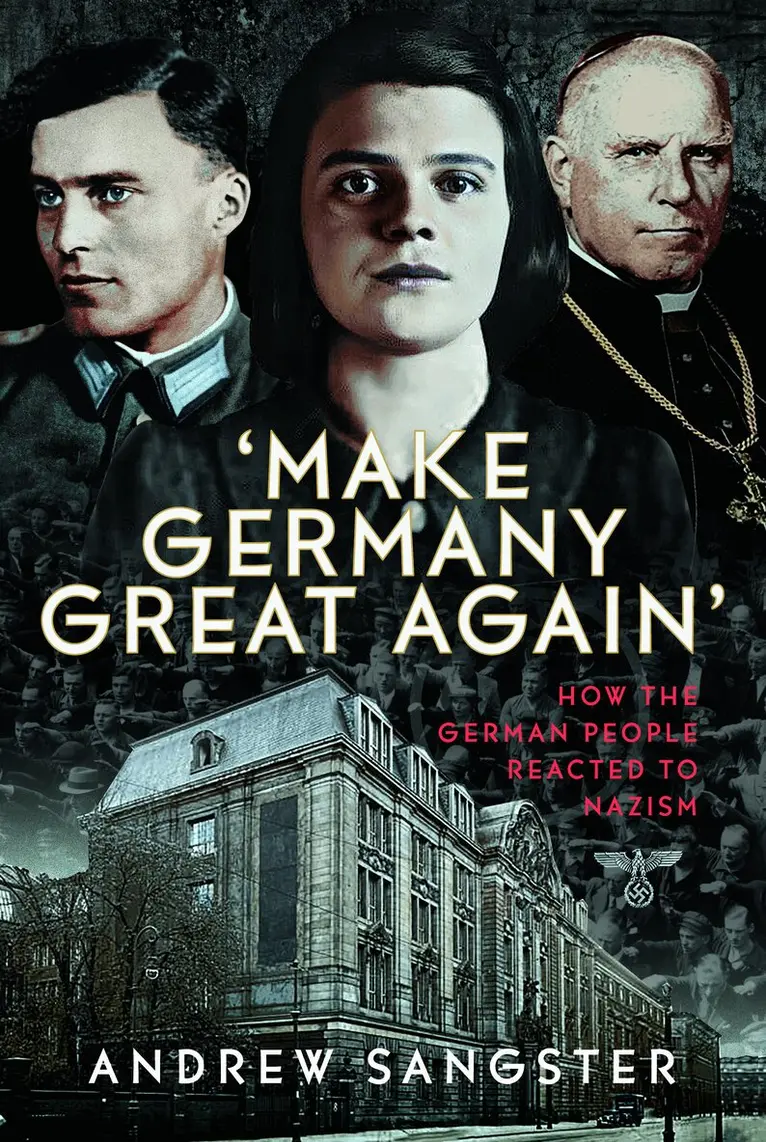
After the Second World War the Allies in referring to the German people used the term ‘collective guilt’, which, after minimal research, appeared unfair. There was active opposition to Hitler from the moment he led Germany into war, which ranged from young teenagers, to undergraduates, to top-level civil servants, diplomats, and to the highest ranks in the military. As the moral depravity of the Nazi regime became apparent many Germans turned against the regime, although there was always the dedicated fanatic. They had become a repressed society, watched by Himmler’s SD and above all feared interrogation by the Gestapo, what one German described as the ‘silence of the graveyard’. This did not stop what may be called passive resistance which this book also explores, using the work of German diarists who wrote their accounts not postwar with the benefit of hindsight, but with genuine integrity at the time as events were unfolding. This book explores not just the resistance culminating in the 20 July Plot, and the divisions of opinions amongst the various resistance groups, but also the reaction of the German public, a question which the reader may feel obliged to ask where he or she may have stood under the circumstance of the day and under such a regime.
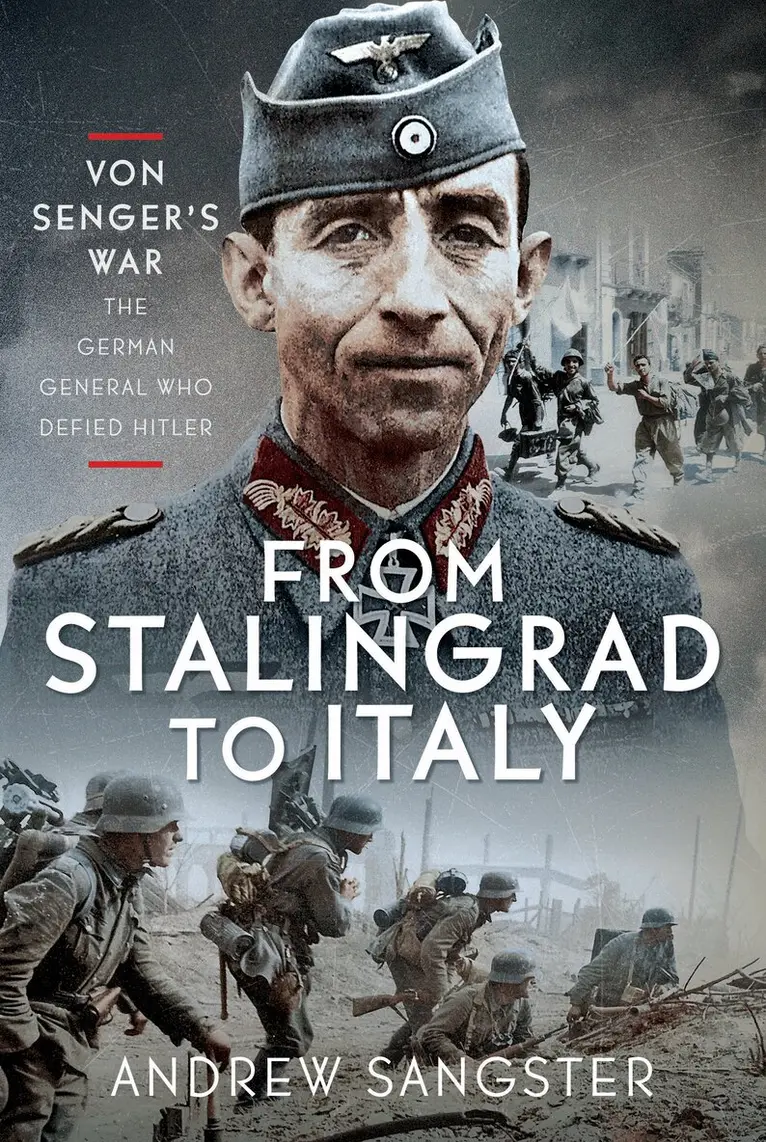
From Stalingrad to Italy - Von Senger's War
The German General Who Defied Hitler
Inbunden, Engelska, 2025
214 kr
Skickas
In a world defined by the brutalities of war, one German general stands apart from the Hollywood stereotype. Before the storm of the Second World War, Fridolin von Senger und Etterlin was a Rhodes Scholar at Oxford, fluent in multiple languages, and a devoted Christian — a lifelong Benedictine Oblate. From the very outset he was anti-Nazi and, on many occasions, defied Hitler’s orders. His military skills were good; in France he beat Rommel to Cherbourg and on the Eastern Front he tried to relieve the German 6th Army in Stalingrad. It was in Italy where his reputation grew by safely evacuating German troops from Sicily, Sardinia and Corsica, a delicate matter because the Italians had changed sides. He defeated General Clark’s forces at the Rapido battle fiasco, and he caused Cassino to become a serious hold up for the Allied advance north. It was he who willingly signed the surrender documents in Italy on 4 May 1945.His Christian beliefs meant there were no barbarities within his command, and he made lifelong friends with some occupied residents, helping to save lives from the dreaded SS, and the Italian partisans never attacked him because he had helped the helpless. He was a brilliant tactician, always with his troops on the frontline, and his anti-Nazi views were not a post-war justification but were widely known during the war years by friend and foe. Von Senger was never even considered for war crimes, and was granted the rare privilege of being allowed to explore the English countryside from the Bridgend PoW camp. Discover the life of a general who fought not just for victory, but for honour, compassion, and morality under the brutal Nazi regime.
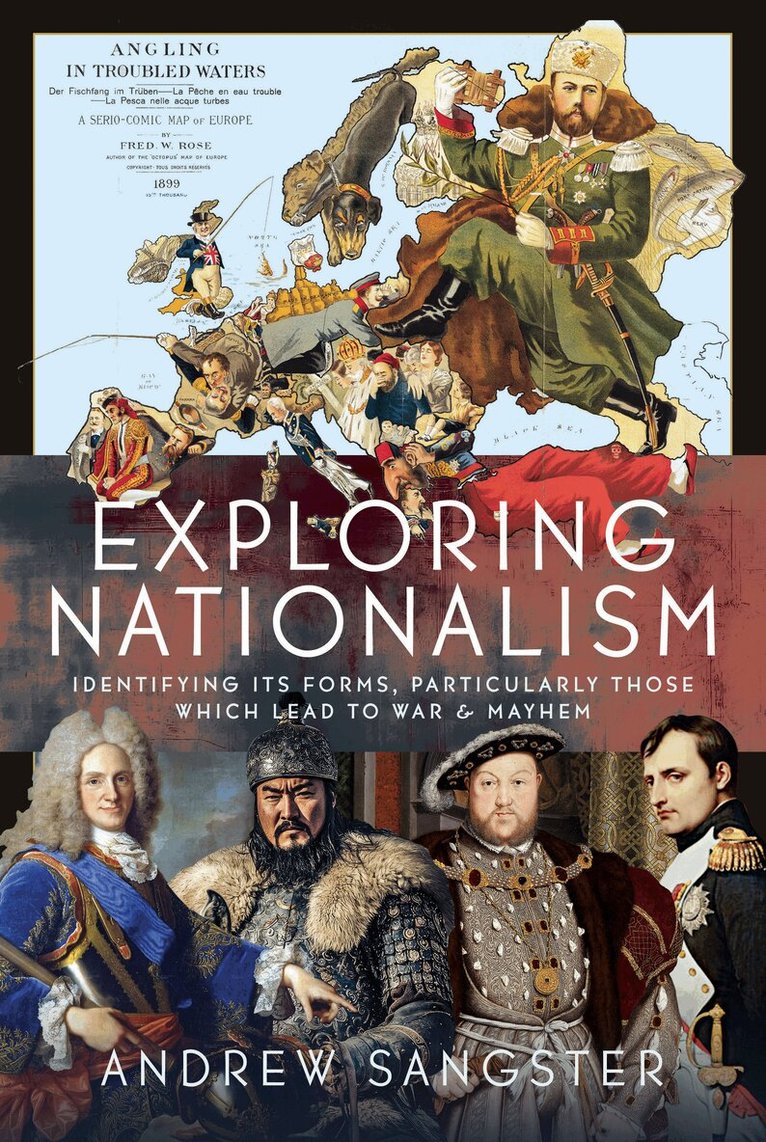
Exploring Nationalism
Identifying its forms, particularly those which lead to War and Mayhem
Inbunden, Engelska, 2025
235 kr
Skickas
In a compelling exploration of nationalism's darker facets, this book delves into the aggressive, expansionist strain that has fueled conflict and suffering throughout human history. While nationalism is often linked to modernity, the author traces its roots back to humanity's earliest recorded eras, revealing how elements such as racialism, ethnicity, language, religion, and culture have historically ignited aggressive nationalism.Drawing from a sweeping analysis of over 33 European countries, the book examines the common experiences of nations from their tribal beginnings to the current age of superpowers. While acknowledging that some forms of nationalism—like secessionism and irredentism—may serve as legitimate expressions of self-defense, the primary focus remains on the destructive impulse to invade and dominate neighbouring lands.This work is not just a historical study; it serves as a cautionary tale for the present day. With 2024 as its backdrop, the author connects historical patterns to contemporary issues, warning of the resurgence of extreme right-wing ideologies across the globe. This thought-provoking examination urges readers to confront the past's lessons, emphasizing that history is not merely a record of what has been, but a vital lens through which to understand our present and shape a more peaceful future.
274 kr
Skickas
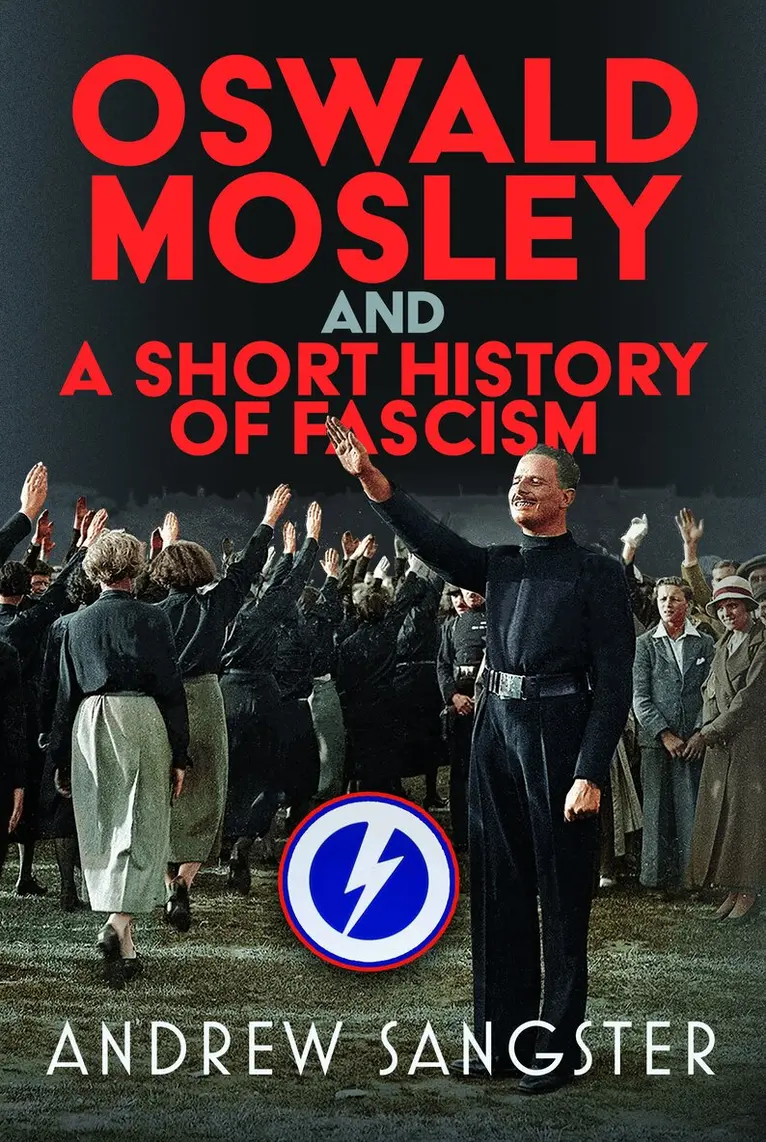
Oswald Mosley and A Short History of Fascism is an engrossing examination of Britain’s flirtation with fascism and the troubling allure of authoritarianism, both past and present. As the nineteenth century closed and the trauma of the First World War shook the foundations of society, Britain’s elite and ‘upper classes’ increasingly looked to strongman leadership. Inspired by Mussolini’s rise in Italy, figures like Oswald Mosley and the British Union of Fascists (BUF) gained traction, offering a seductive alternative to democracy rooted in fear of the loss of colonies, communism and anti-Semitism.From the drawing rooms of the influential Cliveden Set and the Mitford family to the sympathies of the abdicated King Edward VIII, fascism found unexpected champions. But it was not just the privileged classes whose interest was piqued – working-class citizens too were drawn to its promises of a better and brighter future.This powerful book draws chilling parallels between history and today, examining the thin line between democracy and extremism. With rising autocracies across Europe and beyond, it asks urgent questions about the resilience of democratic values and warns of a cycle we seem doomed to repeat.Provocative and timely, Oswald Mosley and A Short History of Fascism is a stark reminder that the past is never as far away as we think.
258 kr
Kommande
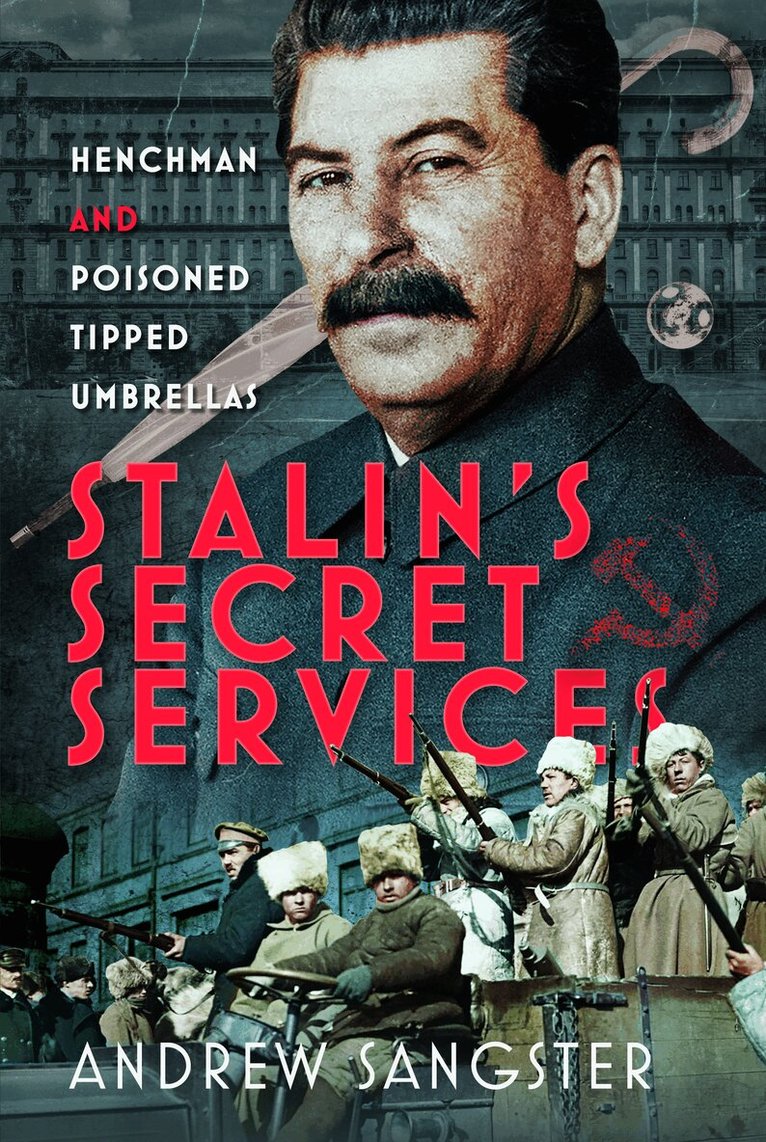
From the shadows of Tsarist Russia to the brutal heights of Stalin's reign, Stalin's Secret Services: Henchman and Poisoned Tipped Umbrellas traces the evolution of the Soviet secret services and the men who wielded their terrible power. At its centre was Lavrentiy Beria, head of the NKVD and whose ruthless ambition helped build a criminal state where paranoia reigned and murder was policy. The narrative continues with Pavel Sudoplatov, a shadowy assassin known as an illegal, who orchestrated the assassination of Trotsky and the theft of America's atomic secrets. As the line between ideology and brutality blurs, the book draws disturbing parallels between Stalin's Soviet Union and Hitler's Nazi regime, exposing the dangerous symmetry between two of history's most feared dictators in acts such as the 1940 Katyn massacre. In the final chapter, the book takes a step back, examining the deeper philosophical questions behind autocracy: the fragility of intellectual and moral freedom, the corrupting allure of power and the enduring importance of free will. Stalin's Secret Services is a sobering reminder of how easily nations and individuals can be swept into darkness. AUTHOR: Andrew Sangster has six degrees, in Law, Theology and four in history including his doctorate. An ordained priest, he has trespassed away from the Church to teaching and the study of history. He has taught in grammar schools and at Eton College, was a headmaster for some nine years and has assisted post-graduate students of history. He has more than twenty published history books both in the United Kingdom and overseas with some co-authored with Pier Paolo Battistelli, the well-known Italian historian. When not called for Church duties he studies the lesser-known aspects of modern history and plays chess for relaxation. 16 b/w illustrations
235 kr
Kommande
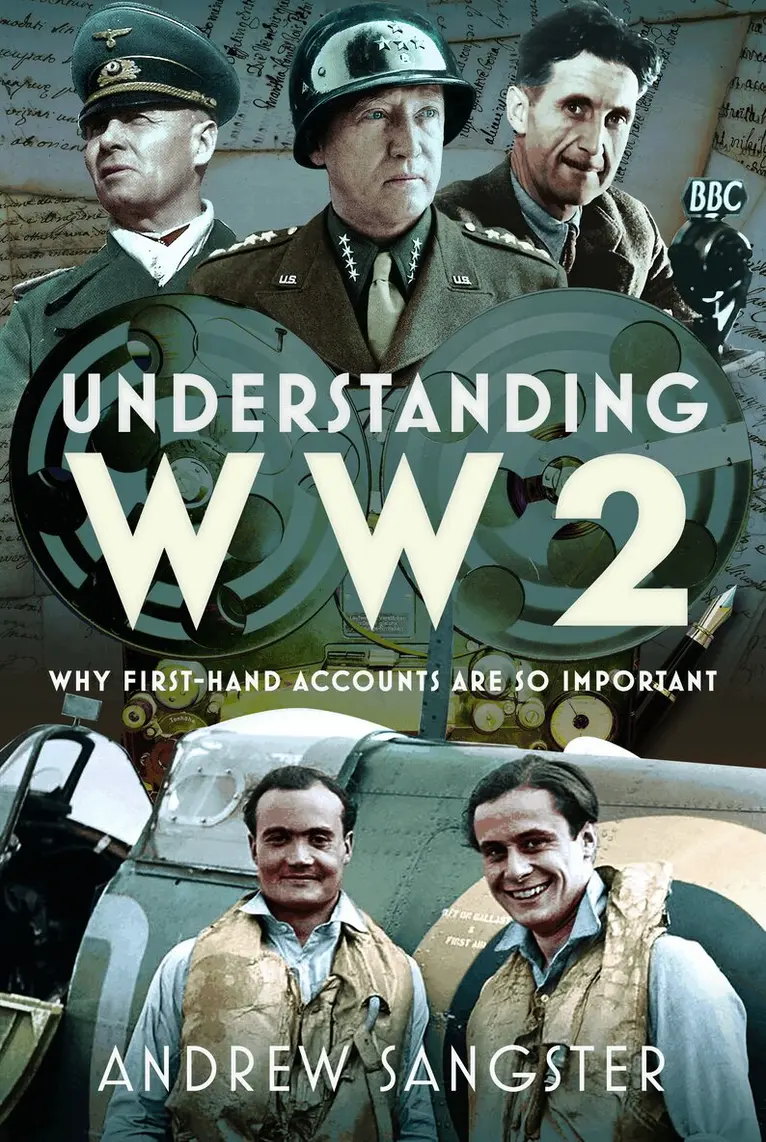
As oral history gains long-overdue recognition, its power to illuminate the past has never been more vital. From buried time capsules to the preserved voices, letters, diaries, photographs and films of those who lived through history’s most pivotal moments, this book explores how personal testimony shapes our understanding of truth.Split into six main chapters and focussing on the Second World War years, Andrew Sangster starts by analysing personal letters from key players on both sides – Himmler, Rommel and Patton – before exploring the diaries of Lord Alan Brooke, Goebbels and Galeazzo Ciano, to name but a few. The final chapters explore the significance of the recorded notes from the Nuremberg Trials, before explaining the merits of autobiographies written after the fact.With honesty and clarity, the author reveals the challenges historians face – how memories can shift, how documents can be altered and how autobiographies, even in their sincerity, must be handled with care. Still, within these fragile records lie invaluable insights: motives, emotions and the human reactions that traditional archives often overlook.Balanced and engaging, Understanding WW2 is an essential guide to the promise and pitfalls of oral history – and a compelling reminder that the voices of ordinary men and women are as crucial to our collective memory as those of the famous and powerful.
274 kr
Kommande
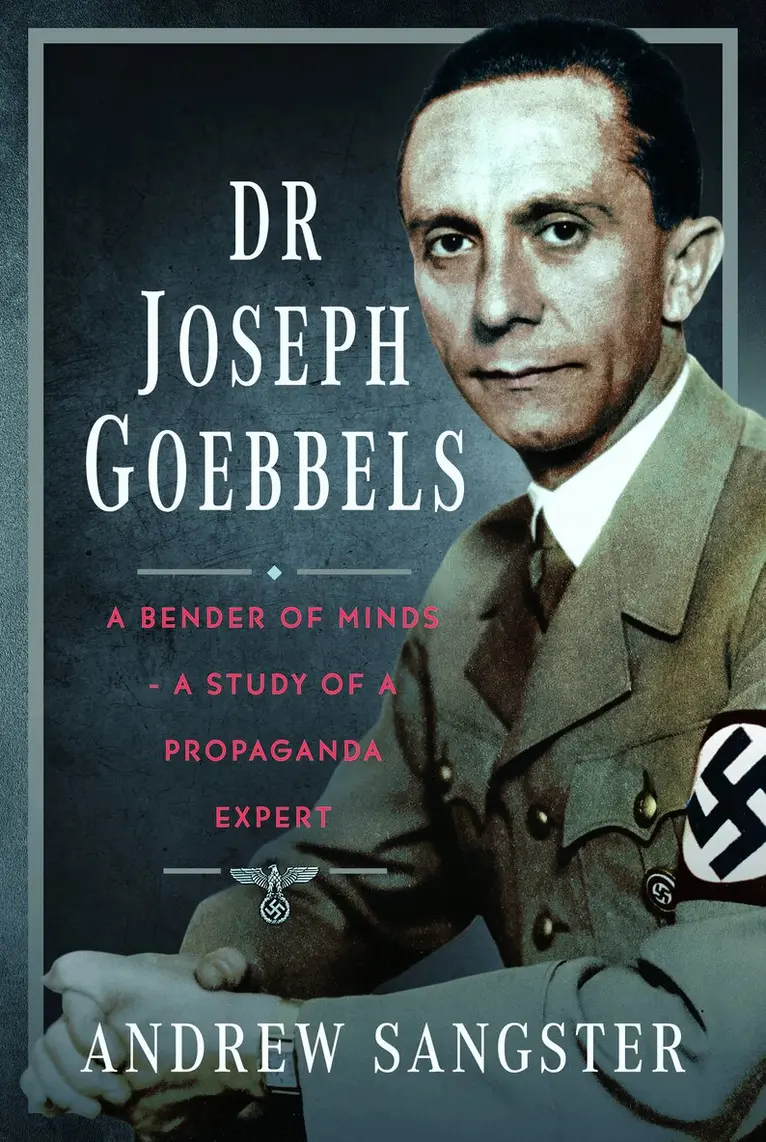
Joseph Goebbels remains one of the most disturbing figures to emerge from the Nazi regime. A man of sharp intellect and intelligence, he ultimately became the architect of some of history’s most destructive propaganda. Raised in a Roman Catholic household and once considered a potential priest, the young Goebbels excelled at university, supported by Jewish scholars who recognised his academic talent. Yet a lifelong physical disability may have helped to kindle his fierce personal ambition, steering him towards a very different path.Amid the political turbulence of 1920s Germany, Goebbels found his calling in the rising Nazi movement, becoming one of Hitler’s most devoted and influential lieutenants. As Reichminister of Public Enlightenment and Propaganda, he crafted the narratives that fuelled hatred, manipulated public opinion and bolstered the Führer’s image. From brazen falsehoods, such as blaming Churchill for the sinking of SS Athenia, to his relentless promotion of Total War and so-called wonder weapons, Goebbels continued to spin hope for a collapsing regime.Behind the public façade, his personal life was equally tumultuous: notorious for his affairs, consumed by obsession, and ultimately responsible for choices that ended in unthinkable tragedy. In the final days of the Third Reich, he and his wife Magda took their own lives after murdering their six young children by cyanide.Dr Joseph Goebbels charts the rise and catastrophic fall of a man who might have been a bishop, an academic or a writer, but instead became one of the most reviled figures in modern history.
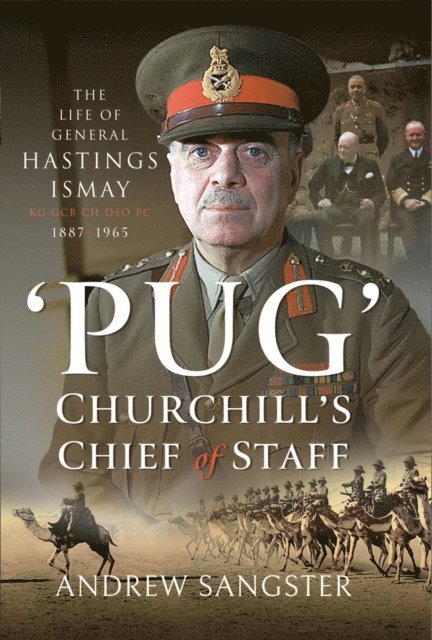
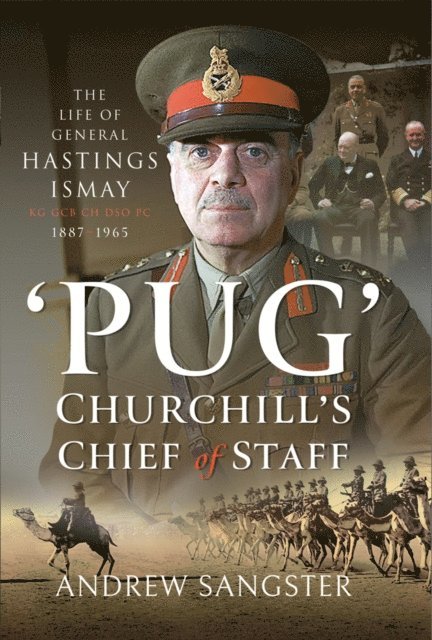
Pug Churchill's Chief of Staff
The Life of General Hastings Ismay KG GCB CH DSO PS, 1887 1965
Inbunden, Engelska, 2023
274 kr
Skickas
General Hasting Ismay, invariably referred to as Pug', was one of the most intriguing, yet less well known, leading military characters of his era. This overdue biography describes how an officer who fought tribesmen in India and Dervishes in North-East Africa, thereby playing no significant role in The Great War, found himself as Winston Churchill's Chief of Staff throughout the Second World War.In this hugely influential position, he eased the often fraught relationship between a determined and obstinate Prime Minister and his top military advisors. His tact and diplomacy were tested to their limits oiling the wheels with our American allies, both political and military, even those with Anglophobic tendencies. Based in 10 Downing Street, Pug accompanied Churchill on his overseas visits and to the major conferences.Post-war Ismay assisted Mountbatten in the partitioning of the Indian sub-continent before becoming the first NATO Secretary General, a measure of the high regard the United States and other nations held him in.Despite the influence he wielded during and after the Second World War, Ismay remains a mysterious figure who somehow managed to maintain the trust of those with whom he worked and dealt with under the most testing and stressful conditions. This insightful biography is a most welcome and valuable addition to the history of the period.
266 kr
Skickas
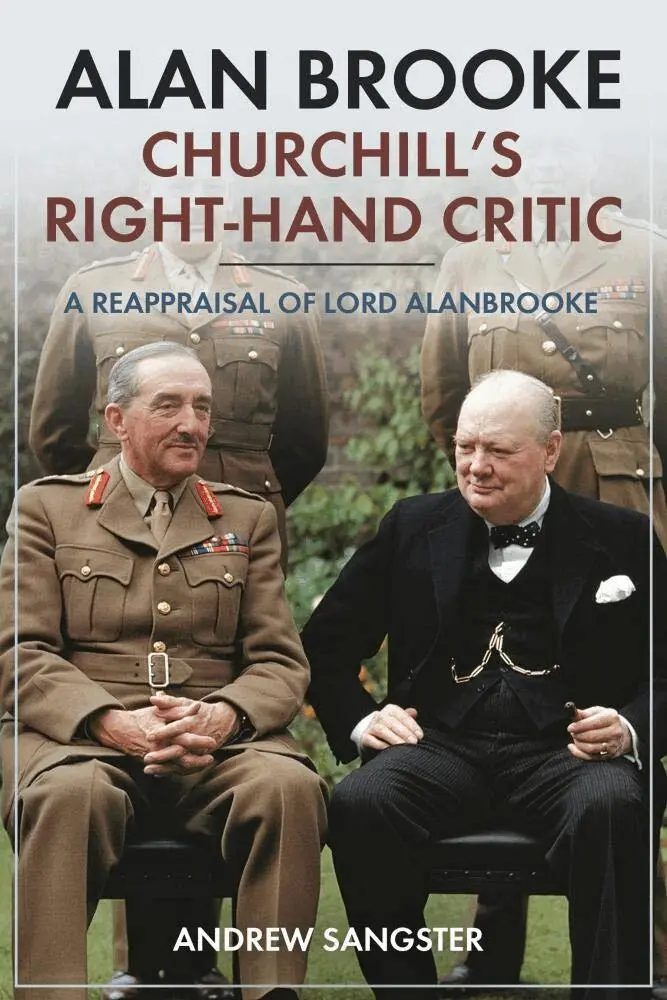
Lord Alanbrooke was Churchill's right-hand man during World War II, and as Chief of the Imperial General Staff he had an integral part in shaping the strategy of Britain and the Allies. Despite this crucial role, he is very little known compared to military commanders such as Montgomery, Alexander, Slim, Mountbatten, Patton, or Eisenhower. This new biography of Lord Alanbrooke uses archival material and his diaries to trace his life, including his experiences in World War I and the development of his military career in the interwar years, with a focus on his post as the Chief of the Imperial General Staff during World War II. Voted the greatest Briton of the 20th century, Churchill has long been credited with almost single-handedly leading his country to victory in World War II. However without Brooke, a skilled tactician, at his side the outcome might well have been disastrous. Brooke more often than not served as a brake on some of Churchill's more impetuous ideas. However, while Brooke's diaries reveal his fury with some of Churchill's decisions, they also reveal his respect and admiration for the wartime prime minister. In return Churchill must surely have considered Brooke one of his most difficult subordinates but later wrote that he was "fearless, formidable, articulate, and in the end convincing". As CIGS, Brooke was integral to coordination between the Allied forces, and so had to wrestle with the cultural strategy clash between the British and Americans. Comments in his diaries offer up his opinions of both his British and American military colleagues – his negative assessments of Mountbatten’s ability, and acerbic comments on the difficult character of de Gaulle and the weaknesses of Eisenhower. Conversely he was clearly over-indulgent in the face of Montgomery's foibles. Brooke was often seen as a stern and humourless figure, but a study of his private life reveals an little-seen lighter side, a lifelong passion for birdwatching, and abiding love for his family. The two tragedies that befell his immediate family were a critical influence on his life. Sangster completes this new biography with a survey of the way various historians have assessed Brooke, explaining how he has lapsed into seeming obscurity in the years since his crucial part in the Allied victory in World War II.
266 kr
Skickas
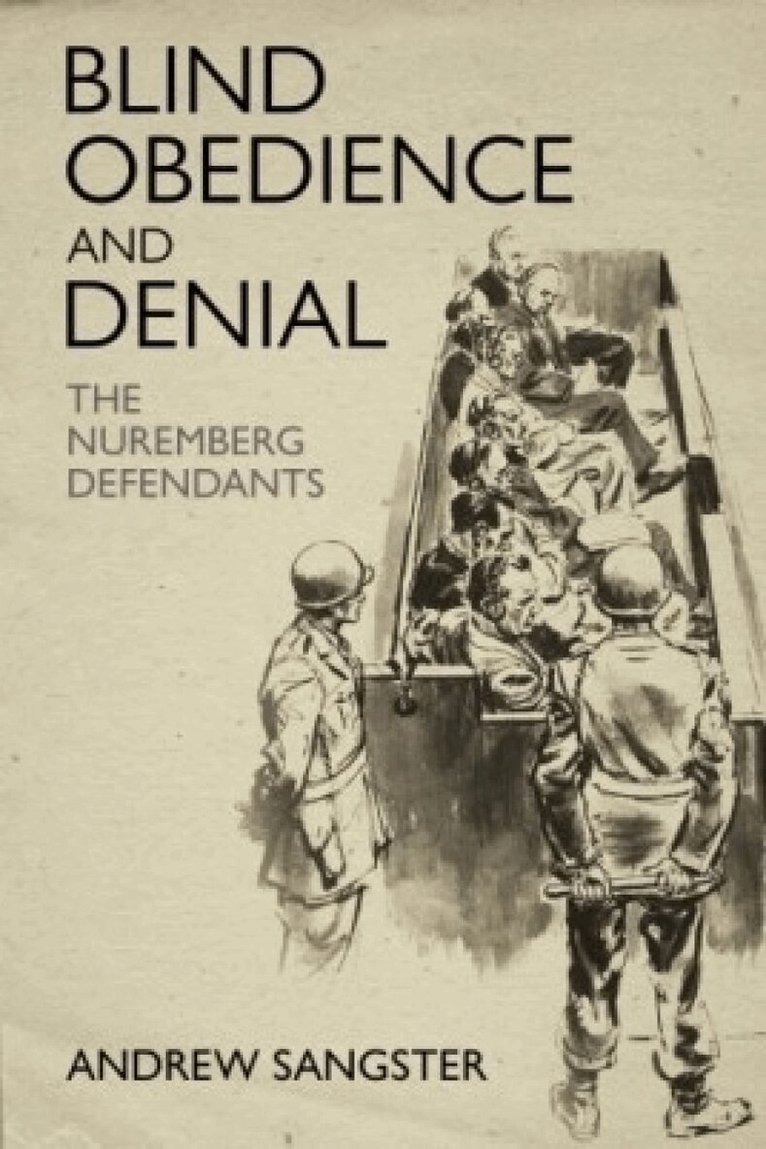
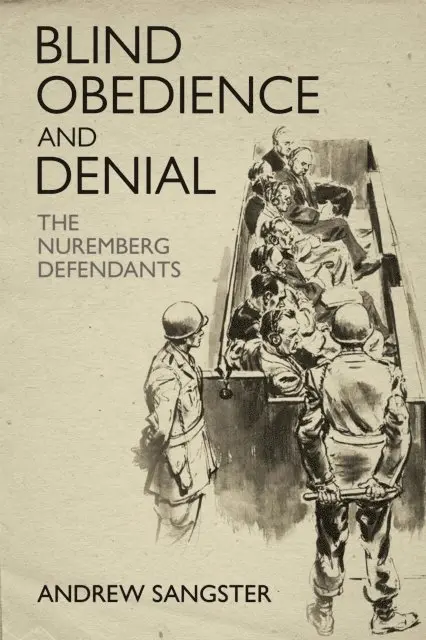
A revealing yet accessible examination of the Nuremberg trial, and most crucially all 23 men who stood accused, not just the most infamous—Speer, Hess, and Göring. This account sets the scene by explaining the procedures, the legal context, and the moments of hypocrisy in the Allies’ prosecution—ignoring the fact that the Katyń massacre was a Soviet crime and overlooking carpet bombing. Author Andrew Sangster discusses how the word “Holocaust” was not used until long after the trial, probably due to Russian objection as they had lost many more people, and because the Allies generally were not innocent of anti-Semitism themselves, especially Russia and Vichy France. However, the defendants to a person immediately recognised that this was the singular issue which placed them on the steps of the gallows, and their various defences on this charge are therefore crucial to understanding the trial. Sangster also explores how the prisoners related to one another in their approach to defending themselves on the charge of genocide and extermination camps, especially in facing the bully-boy Göring. This new study utilises not only the trial manuscripts, but the pre-trial interrogations, the views of the psychiatrists and psychologists, and the often-overheard conversations between prisoners—who did not know their guards spoke German—to give the fullest exploration of the defendants, their state of mind, and their attitudes towards the Third Reich, Hitler and each other as they faced judgement by the victors of the war.
1 207 kr
Skickas inom 5-8 vardagar
Unfolding Agony of Oppression
Victor Klemperer, Nazi Germany and Soviet Communism, 1933 - 1959
Inbunden, Engelska, 2023
986 kr
Skickas inom 5-8 vardagar
242 kr
Skickas
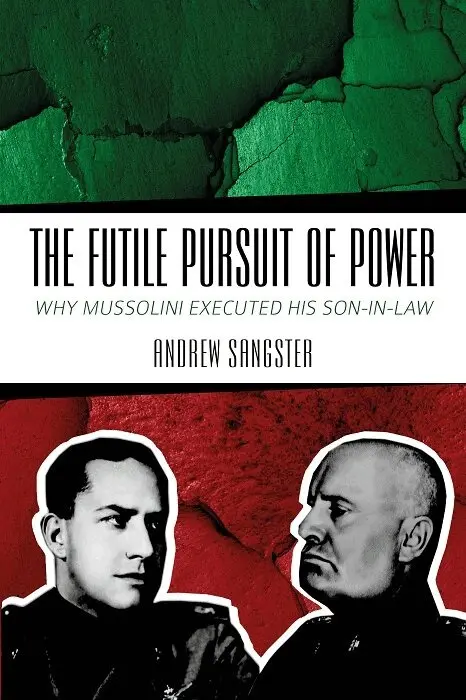
Italian history is not widely read but the period under Mussolini’s shadow is both interesting and relevant to understanding the wheeling and dealings of the 1930s and into WWII. Through sheer nepotism Galeazzo Ciano married Mussolini’s daughter and became Italy’s Foreign Secretary, the youngest in Europe and at first scorned at home and abroad.There are many salacious stories of their open marriage and promiscuity, but the focus is Ciano’s political life as a man regarded as second only to Mussolini. Through his diary and diplomatic papers, access is gained to the European diplomatic squabbles of the 1930s. The study of Ciano provides insights into Hitler and his leading henchmen, especially Ribbentrop and Göring, as well as the Spanish dictator Franco. Most importantly the figure of Mussolini is exposed in both his professional and somewhat dubious private life.The book explores the question of the Italian Fascist attitudes towards the Jewish population, the Vatican, and the monarchy. The Nazis at first courted him but soon realised he saw them for what they were, and he proved incapable of containing either his criticisms or the growing threat against him. Ciano finally turned against Mussolini only to find after his master’s downfall that he had left himself encircled by personal enemies. His flight to Germany initiated his descent into personal chaos, leading to his trial and execution in Italy seemingly supported by his father-in-law.Perhaps the strangest twist in the personal story is the way his wife Edda turned to support him after years of an open and promiscuous marriage. There was considerable German and international interest in his diaries and diplomatic papers because of their revealing insights. He has been described as egotistical and arrogant, clever, perceptive, corrupt and a man with potential. Many despised him, but historically he was an interesting personality who above all left historians with some incisive observations of the critical years of 1935 to 1942.