Andrew W. Wood - Böcker
Visar alla böcker från författaren Andrew W. Wood. Handla med fri frakt och snabb leverans.
2 produkter
2 produkter
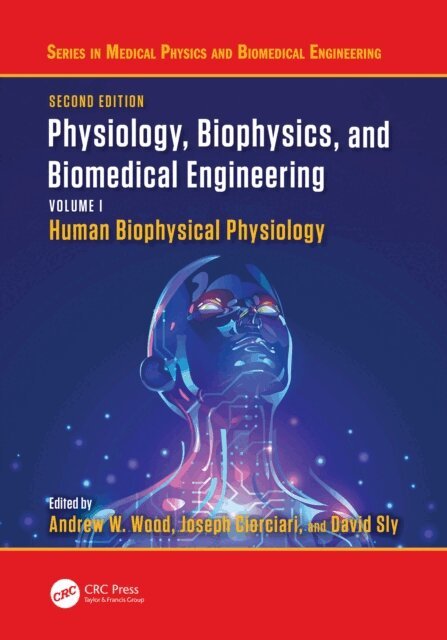
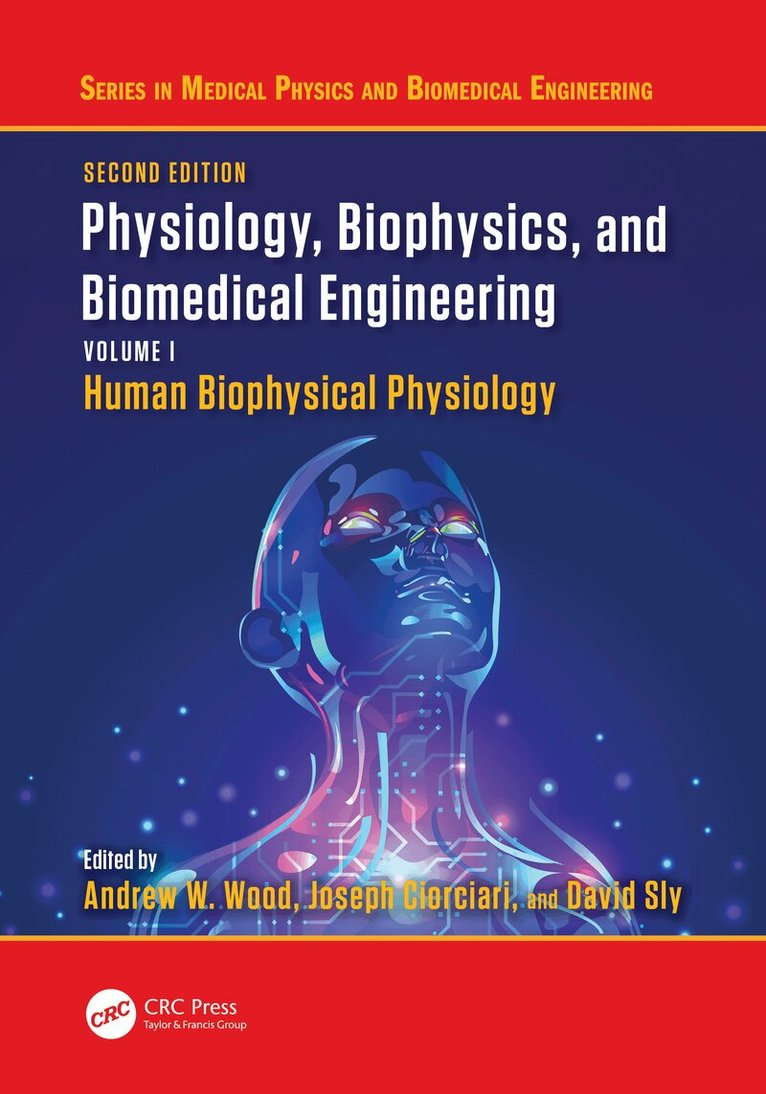
Physiology, Biophysics, and Biomedical Engineering, Volume I
Human Biophysical Physiology
Inbunden, Engelska, 2026
2 725 kr
Skickas inom 10-15 vardagar
Fully updated throughout, this second edition of Physiology, Biophysics, and Biomedical Engineering provides a multidisciplinary understanding of biological phenomena and the instrumentation for monitoring these phenomena. Now split into two volumes, it provides a comprehensive introduction for undergraduate courses emphasizing the application of the physical sciences to human physiology in a medical context. Volume 1 tackles human biophysical physiology, while Volume 2 explores biomedical engineering and instrumentation. Developed from the authors’ courses in medical biophysics and biomedical instrumentation, this book shows how biophysics and biomedical engineering have advanced modern medicine. It brings together the physical principles underlying human physiological processes and the physical methods used to monitor these processes. Requiring mostly only basic mathematical knowledge, the text supplements mathematical formulae with qualitative explanations and illustrations to encourage an intuitive grasp on the processes discussed.Key Features:Offers a multidisciplinary approach to human biological systems and highlights the application of physics and engineering methods to medicine and biology.Gives readers a solid basis for understanding the physiological processes in the human body.Incorporates a range of numerical problems with worked solutions and provides MATLAB® and some Python code for advanced mathematical analysis of physiological and clinical monitoring systems.
1 642 kr
Skickas inom 7-10 vardagar
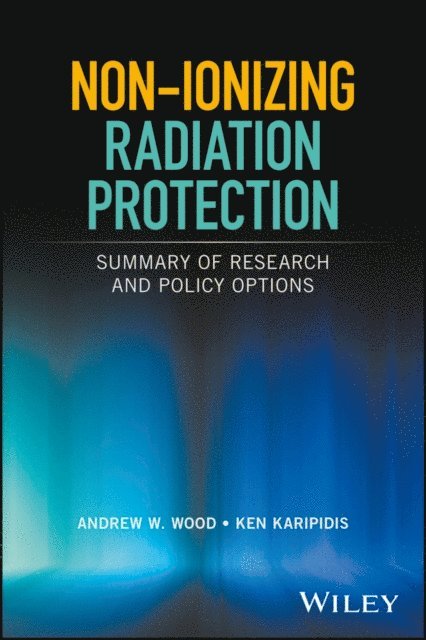
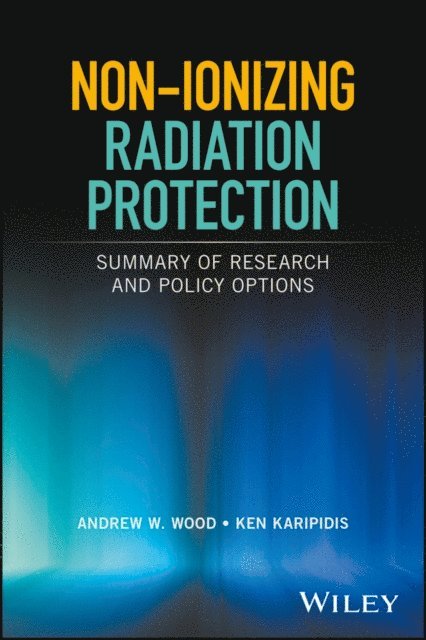
A comprehensive review of non-ionizing radiation and its public health and environmental risks, for researchers, policy makers, and laymenThis book explains the characteristics of all forms of electromagnetic non-ionizing radiation (NIR) and analyzes the relationship between exposure and its biological effects, as well as the known dose-response relationships associated with each. Taking a uniquely holistic approach to the concept of health that builds upon the WHO definition to include not only absence of disease, but the physical, mental and social well-being of individuals and the population, it reviews established and potential risks and protections, along with regulatory issues associated with each.The risks to public health of NIR, whether in the form of UV light, radio waves from wireless devices, or electric and magnetic fields associated with electrical power systems, is currently a cause of great concern among members of the public and lawmakers. But in order to separate established science from speculation and make informed decisions about how to mitigate the risks of NIR and allocate precious resources, policymakers, manufacturers, and individuals need a comprehensive source of up-to-date information based on the current scientific evidence. Written by a team of experts in their fields, this book is that source. Among other things, it: Summarizes scientific findings on the safety of different forms of NIR and the rationale behind current standardsDescribes devices for monitoring NIR along with the established and potential hazards of each formExplores proper protections against UV light and lasers, RF radiation, ELF fields and other forms of NIRDiscusses how to avoid injuries through occupational training or public awareness programs, and how to perform medical assessments in cases of suspected NIR injuriesConsiders how to decide whether or not to spend money on certain mitigation measures, based on cost-benefit analysesOffering expert reviews and analyses of the latest scientific findings and public policy issues concerning the risks to public health and the environment of NIR, Non-ionizing Radiation Protection is an indispensable source of information for manufacturers, government regulators, and regulatory agencies, as well as researchers, concerned laypersons, and students.