Andy Gibson – författare
587 kr
Skickas inom 10-15 vardagar
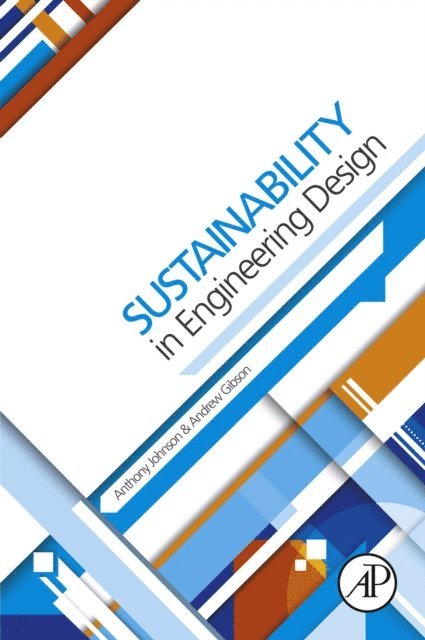
Designed for use in engineering design courses, and as a reference for industry professionals learning sustainable design concepts and practical methods, Sustainability in Engineering Design focuses on designers as the driving force behind sustainable products. This book introduces sustainability concepts and explains the application of sustainable methods to the engineering design process.
The book also covers important design topics such as project and team management, client management, performance prediction, and the social and environmental effects of sustainable engineering design. These concepts and methods are supported with a wealth of worked examples, discussion questions, and primary case studies to aid comprehension.
Applies research-based methods to achieve real-world results for rapidly evolving industry trends Focuses on design engineers as the starting point of creating sustainable design Provides practical methods and design tools to guide engineering designers in creating sustainably designed and engineering products Incorporates all aspects of sustainable engineering design, including the material selection, production, and marketing of products Includes cutting-edge sustainable design model case studies based on the authors' own research and experiences633 kr
Läs direkt efter köp
43 kr
Läs direkt efter köp
From the people who brought you the Mindapples "5-a-day for your mind" campaign, The Mind Manual is an accessible guide to what''s going on in your head. From understanding how your own mind works, to making sense of the behaviour of others, this is a practical guide to managing your mind and using it to get the life you want. The book uses proven insights from neuroscience and psychology, filtered through the wisdom and experience of thousands of people in Mindapples'' global community, to give you a crash-course in understanding your own mind. It will improve your well-being, your ability to cope with stress, and your understanding of yourself and others, and give you the tools you need to be your best self, with chapters including:How to Be YourselfHow to Keep CalmHow to Be HappyHow to Have a Healthy MindHow to Be WiseHow to Be ProductiveHow to Be ResilientHow to Be KindHow to Fall in Love
436 kr
Skickas inom 10-15 vardagar
1 356 kr
Skickas inom 5-8 vardagar
1 149 kr
Läs direkt efter köp
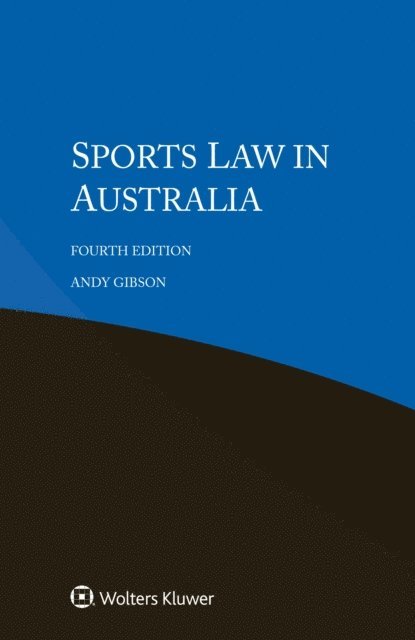
Derived from the renowned multi-volume International Encyclopaedia of Laws, this practical analysis of sports law in Australia deals with the regulation of sports activity by both public authorities and private sports organizations. The growing internationalization of sports inevitably increases the weight of global regulation, yet each country maintains its own distinct regime of sports law and its own national and local sports organizations. Sports law at a national or organizational level thus gains a growing relevance in comparative law.
The book describes and discusses both state-created rules and autonomous self-regulation regarding the variety of economic, social, commercial, cultural, and political aspects of sports activities. Self- regulation manifests itself in the form of by-laws, and encompasses organizational provisions, disciplinary rules, and rules of play. However, the trend towards more professionalism in sports and the growing economic, social and cultural relevance of sports have prompted an increasing reliance on legal rules adopted by public authorities. This form of regulation appears in a variety of legal areas, including criminal law, labour law, commercial law, tax law, competition law, and tort law, and may vary following a particular type or sector of sport. It is in this dual and overlapping context that such much-publicized aspects as doping, sponsoring and media, and responsibility for injuries are legally measured.
This monograph fills a gap in the legal literature by giving academics, practitioners, sports organizations, and policy makers access to sports law at this specific level. Lawyers representing parties with interests in Australia will welcome this very useful guide, and academics and researchers will appreciate its value in the study of comparative sports law.
1 109 kr
Läs direkt efter köp
Derived from the renowned multi-volume International Encyclopaedia of Laws, this practical analysis of sports law in Australia deals with the regulation of sports activity by both public authorities and private sports organizations. The growing internationalization of sports inevitably increases the weight of global regulation, yet each country maintains its own distinct regime of sports law and its own national and local sports organizations. Sports law at a national or organizational level thus gains a growing relevance in comparative law.
The book describes and discusses both state-created rules and autonomous self-regulation regarding the variety of economic, social, commercial, cultural, and political aspects of sports activities. Self- regulation manifests itself in the form of by-laws, and encompasses organizational provisions, disciplinary rules, and rules of play. However, the trend towards more professionalism in sports and the growing economic, social and cultural relevance of sports have prompted an increasing reliance on legal rules adopted by public authorities. This form of regulation appears in a variety of legal areas, including criminal law, labour law, commercial law, tax law, competition law, and tort law, and may vary following a particular type or sector of sport. It is in this dual and overlapping context that such much-publicized aspects as doping, sponsoring and media, and responsibility for injuries are legally measured.
This monograph fills a gap in the legal literature by giving academics, practitioners, sports organizations, and policy makers access to sports law at this specific level. Lawyers representing parties with interests in Australia will welcome this very useful guide, and academics and researchers will appreciate its value in the study of comparative sports law.
1 373 kr
Skickas inom 5-8 vardagar
1 122 kr
Läs direkt efter köp
Derived from the renowned multi-volume International Encyclopaedia of Laws, this practical analysis of sports law in Australia deals with the regulation of sports activity by both public authorities and private sports organizations. The growing internationalization of sports inevitably increases the weight of global regulation, yet each country maintains its own distinct regime of sports law and its own national and local sports organizations. Sports law at a national or organizational level thus gains a growing relevance in comparative law.
The book describes and discusses both state-created rules and autonomous self-regulation regarding the variety of economic, social, commercial, cultural, and political aspects of sports activities. Self- regulation manifests itself in the form of by-laws, and encompasses organizational provisions, disciplinary rules, and rules of play. However, the trend towards more professionalism in sports and the growing economic, social and cultural relevance of sports have prompted an increasing reliance on legal rules adopted by public authorities. This form of regulation appears in a variety of legal areas, including criminal law, labour law, commercial law, tax law, competition law, and tort law, and may vary following a particular type or sector of sport. It is in this dual and overlapping context that such much-publicized aspects as doping, sponsoring and media, and responsibility for injuries are legally measured.
This monograph fills a gap in the legal literature by giving academics, practitioners, sports organizations, and policy makers access to sports law at this specific level. Lawyers representing parties with interests in Australia will welcome this very useful guide, and academics and researchers will appreciate its value in the study of comparative sports law.
1 163 kr
Läs direkt efter köp
Derived from the renowned multi-volume International Encyclopaedia of Laws, this practical analysis of sports law in Australia deals with the regulation of sports activity by both public authorities and private sports organizations. The growing internationalization of sports inevitably increases the weight of global regulation, yet each country maintains its own distinct regime of sports law and its own national and local sports organizations. Sports law at a national or organizational level thus gains a growing relevance in comparative law.
The book describes and discusses both state-created rules and autonomous self-regulation regarding the variety of economic, social, commercial, cultural, and political aspects of sports activities. Self- regulation manifests itself in the form of by-laws, and encompasses organizational provisions, disciplinary rules, and rules of play. However, the trend towards more professionalism in sports and the growing economic, social and cultural relevance of sports have prompted an increasing reliance on legal rules adopted by public authorities. This form of regulation appears in a variety of legal areas, including criminal law, labour law, commercial law, tax law, competition law, and tort law, and may vary following a particular type or sector of sport. It is in this dual and overlapping context that such much-publicized aspects as doping, sponsoring and media, and responsibility for injuries are legally measured.
This monograph fills a gap in the legal literature by giving academics, practitioners, sports organizations, and policy makers access to sports law at this specific level. Lawyers representing parties with interests in Australia will welcome this very useful guide, and academics and researchers will appreciate its value in the study of comparative sports law.
1 389 kr
Skickas inom 5-8 vardagar
1 449 kr
Tillfälligt slut
1 641 kr
Tillfälligt slut