Canadian-born Seth Rogen has an accomplished career. With more than forty acting credits, four produced screenplays, more than a dozen short film and TV show scripts, and sixteen producing credits, Rogen is anything but the slacker character he has played in his most popular and often R-rated films. The author addresses the more controversial aspects of Rogen''s movies and explains how the content and comedic style of these productions have sometimes put Rogen at the center of battles over censorship and ratings, as well as stirred controversy among critics, the media, and parental watch groups.
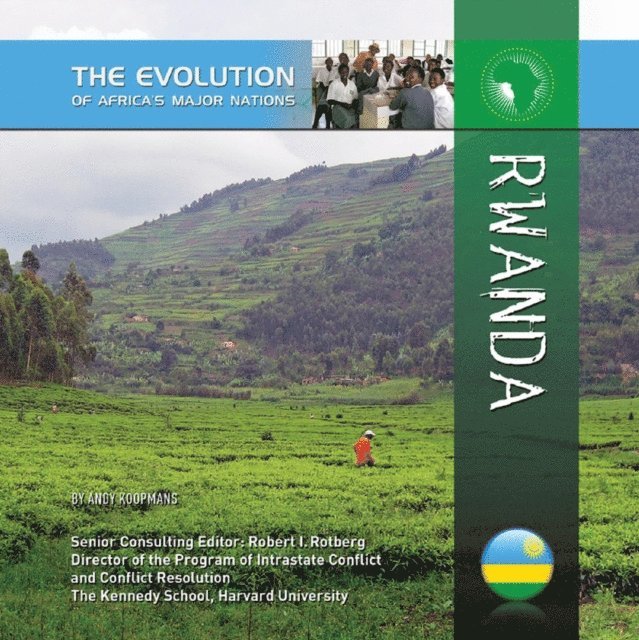
Even before the country became independent in 1962, Rwanda''s two largest ethnic groups, the Hutu and Tutsi, were often at war. In the spring of 1994, tensions between the two groups culminated in nationwide massacres of approximately 800,000 Tutsi and moderate Hutu. The genocide drew international attention to the problems of this small state in central Africa. Since the genocide ended, Rwanda has made slow but steady progress. In 2003, a new constitution was adopted that would prevent future human-rights abuses. The country''s economy, devastated by years of civil war, is also improving. However, much work must still be done to ensure Rwanda''s stability.
Canadian-born Seth Rogen has an accomplished career. With more than forty acting credits, four produced screenplays, more than a dozen short film and TV show scripts, and sixteen producing credits, Rogen is anything but the slacker character he has played in his most popular and often R-rated films. The author addresses the more controversial aspects of Rogen''s movies and explains how the content and comedic style of these productions have sometimes put Rogen at the center of battles over censorship and ratings, as well as stirred controversy among critics, the media, and parental watch groups.
Even before the country became independent in 1962, Rwanda''s two largest ethnic groups, the Hutu and Tutsi, were often at war. In the spring of 1994, tensions between the two groups culminated in nationwide massacres of approximately 800,000 Tutsi and moderate Hutu. The genocide drew international attention to the problems of this small state in central Africa. Since the genocide ended, Rwanda has made slow but steady progress. In 2003, a new constitution was adopted that would prevent future human-rights abuses. The country''s economy, devastated by years of civil war, is also improving. However, much work must still be done to ensure Rwanda''s stability.