Anette Freytag – författare
Visar alla böcker från författaren Anette Freytag. Handla med fri frakt och snabb leverans.
5 produkter
5 produkter
Häftad, Engelska, 2020
954 kr
Skickas inom 3-6 vardagar
Inbunden, Engelska, 2018
1 010 kr
Skickas inom 7-10 vardagar
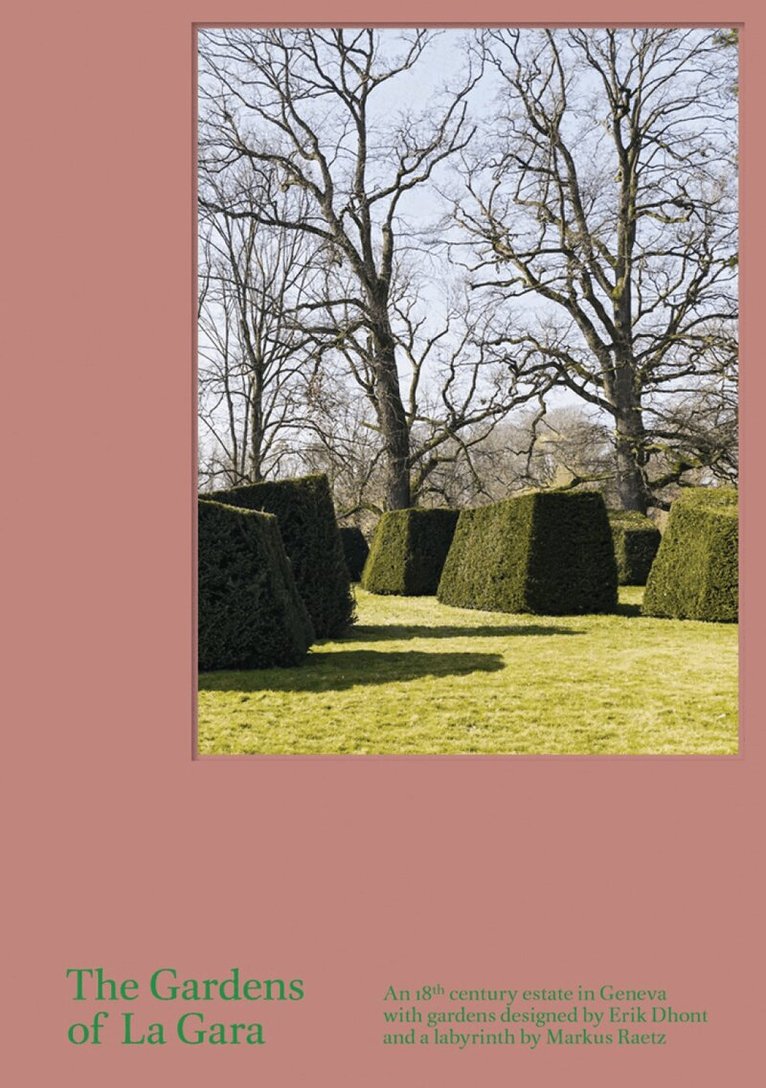
La Gara is an 18th-century country estate in Jussy, a village near Geneva, Switzerland. The buildings have been carefully restored by Swiss architect Verena Best, who also added inspired touches to the interior design. The renowned Belgian landscape designer Erik Dhont reinterpreted and subtly redesigned the gardens and surrounding grounds, completed by a palindrome-like labyrinth designed by Swiss artist Markus Raetz.This new book tells the full story of the La Gara estate and illustrates its beauty. The essays investigate various aspects of its preservation and restoration of buildings and gardens and the contemporary interventions. They highlight features such as the historic watering system for the gardens and the fishponds, and look at the specific Genevan garden tradition and characteristics of the rural landscape around Jussy with its biodiversity. Moreover, they contextualise La Gara with the 'ferme ornée', a villa with agricultural and ornamental features following ancient Roman models. The beautiful volume is rounded out with newly commissioned photographs by renowned Swiss photographer Georg Aerni.
Inbunden, Franska, 2018
1 010 kr
Skickas inom 7-10 vardagar
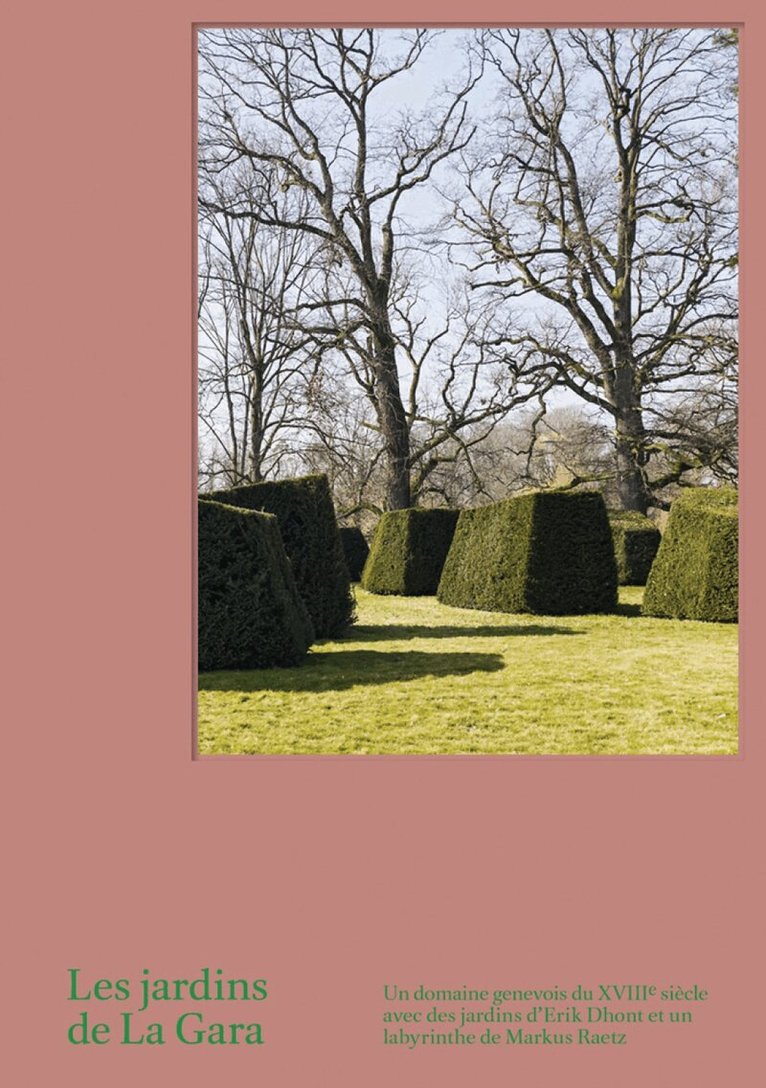
La Gara is an 18th-century country estate in Jussy, a village near Geneva, Switzerland. The buildings have been carefully restored by Swiss architect Verena Best, who also added inspired touches to the interior design. The renowned Belgian landscape designer Erik Dhont reinterpreted and subtly redesigned the gardens and surrounding grounds, completed by a palindrome-like labyrinth designed by Swiss artist Markus Raetz. This new book tells the full story of the La Gara estate and illustrates its beauty. The essays investigate various aspects of its preservation and restoration of buildings and gardens and the contemporary interventions. They highlight features such as the historic watering system for the gardens and the fishponds and look at the specific Genevan garden tradition and characteristics of the rural landscape around Jussy with its biodiversity. Moreover, they contextualise La Gara with the 'ferme ornée', a villa with agricultural and ornamental features following ancient Roman models. The beautiful volume is rounded out with newly commissioned photographs by renowned Swiss photographer Georg Aerni. Text in French
420 kr
Läs direkt efter köp
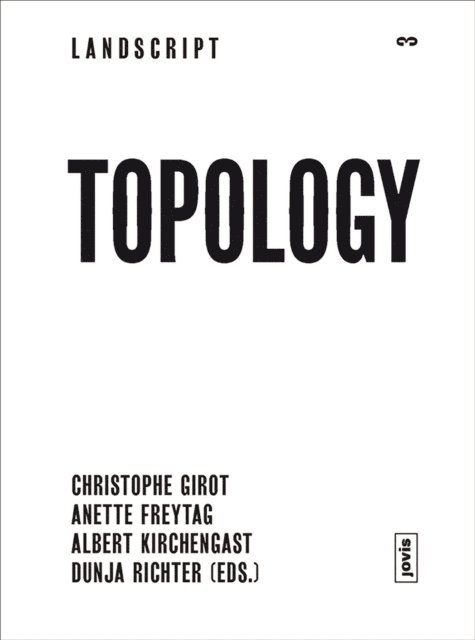
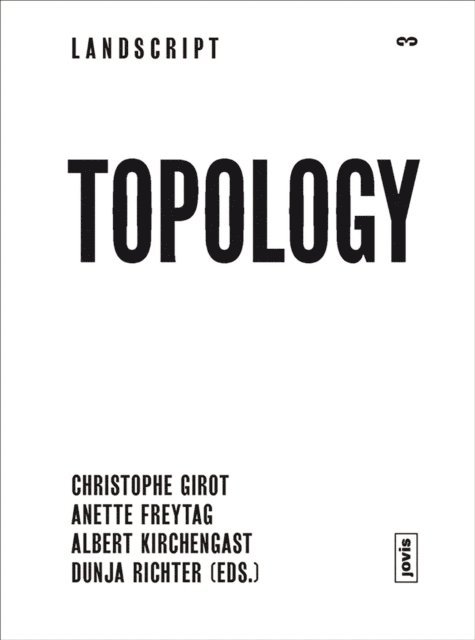
How can an abstract term like “Topology” become pertinent and effective to landscape thinking today? There is a schism between the way landscape is understood scientifically, either as a normative network or an environmental system, and the way the same place exists emotionally for people. This disparity which prevails in today’s landscape calls for a change of approach, both in terms of action and perception. Topology, in this instance, is not confined to the science of continuous surfaces in mathematics, it can pay greater attention to deeper spatial, physical, poetic and philosophical values embedded in a long tradition of designed nature. The strength of landscape topology is that it can weave together and integrate heterogeneous fields of action into a single meaningful whole. It brings disciplines together on a common topological “vellum” capable of improving our understanding of landscape as a cultural construct with all its inherent beauty and strength.
E-bok
Engelska, 2014420 kr
Läs direkt efter köp
How can an abstract term like “Topology” become pertinent and effective to landscape thinking today? There is a schism between the way landscape is understood scientifically, either as a normative network or an environmental system, and the way the same place exists emotionally for people. This disparity which prevails in today’s landscape calls for a change of approach, both in terms of action and perception. Topology, in this instance, is not confined to the science of continuous surfaces in mathematics, it can pay greater attention to deeper spatial, physical, poetic and philosophical values embedded in a long tradition of designed nature. The strength of landscape topology is that it can weave together and integrate heterogeneous fields of action into a single meaningful whole. It brings disciplines together on a common topological “vellum” capable of improving our understanding of landscape as a cultural construct with all its inherent beauty and strength.