Ángel Alcalde – författare
Visar alla böcker från författaren Ángel Alcalde. Handla med fri frakt och snabb leverans.
5 produkter
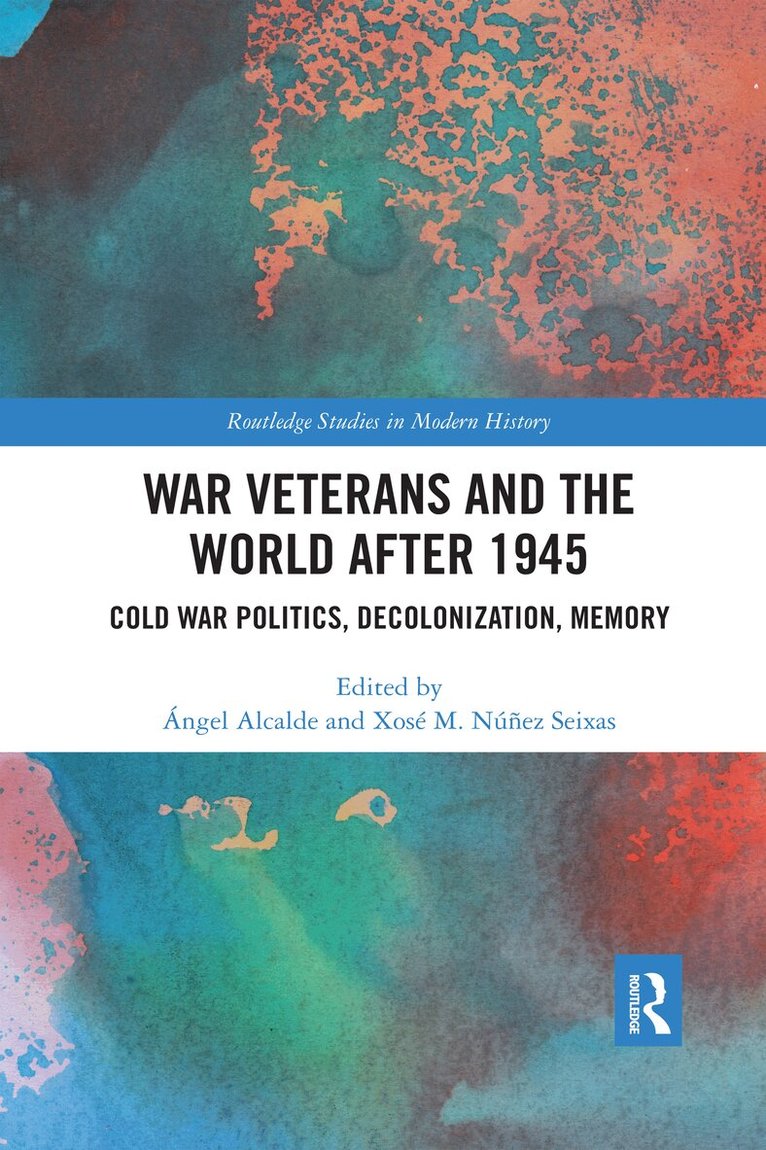
War Veterans and the World after 1945
Cold War Politics, Decolonization, Memory
Av Ángel Alcalde, Xosé M. Núñez Seixas
Häftad, 2020
725 kr
Lägg i varukorg
This book examines war veterans’ history after 1945 from a global perspective. In the Cold War era, in most countries of the world there was a sizeable portion of population with direct war experience. This edited volume gathers contributions which show the veterans’ involvement in all the major …
War Veterans and the World after 1945
Cold War Politics, Decolonization, Memory
Av Ángel Alcalde, Xosé M. Núñez Seixas
Inbunden, 2018
2578 kr
Lägg i varukorg
This book examines war veterans’ history after 1945 from a global perspective. In the Cold War era, in most countries of the world there was a sizeable portion of population with direct war experience. This edited volume gathers contributions which show the veterans’ involvement in all the major …
War Veterans and the World after 1945
Cold War Politics, Decolonization, Memory
Av Xose M. Nunez Seixas, Angel Alcalde
E-bok, 2018
838 kr
Lägg i varukorg
This book examines war veterans’ history after 1945 from a global perspective. In the Cold War era, in most countries of the world there was a sizeable portion of population with direct war experience. This edited volume gathers contributions which show the veterans’ involvement in all the …
War Veterans and the World after 1945
Cold War Politics, Decolonization, Memory
Av Xose M. Nunez Seixas, Angel Alcalde
E-bok, 2018
856 kr
Lägg i varukorg
This book examines war veterans’ history after 1945 from a global perspective. In the Cold War era, in most countries of the world there was a sizeable portion of population with direct war experience. This edited volume gathers contributions which show the veterans’ involvement in all the …
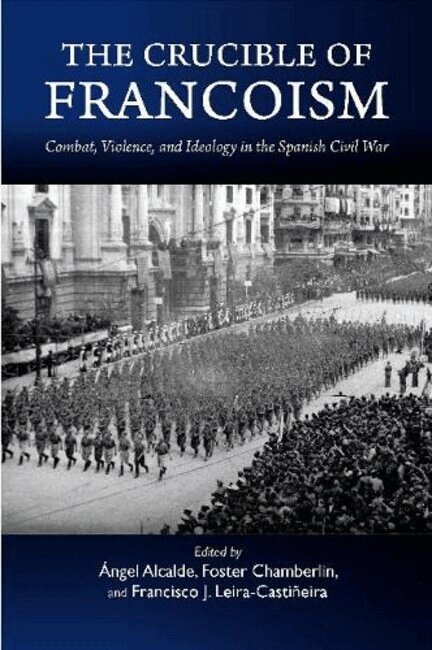
Crucible of Francoism
Combat, Violence, and Ideology in the Spanish Civil War
Av Ángel Alcalde, Foster Chamberlin m. fl.
Inbunden, 2021
1964 kr
Lägg i varukorg
The July 1936 coup d'tat against the Spanish Second Republic brought together a diversity of anti-Republican political and social groups under the leadership of rebel Africanista military officers. In the ensuing Civil War this coalition gradually came under the rule of Generalissimo Franco. This …