Angel Rios – författare
Visar alla böcker från författaren Angel Rios. Handla med fri frakt och snabb leverans.
3 produkter
3 produkter
E-bok
PDF, Engelska, 20054 122 kr
Läs direkt efter köp
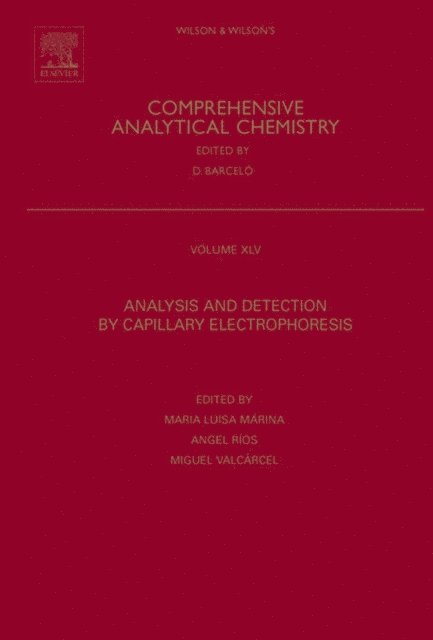
Capillary Electrophoresis (CE) is a powerful analytical technique used to separate compounds and is increasingly being used in routine analytical laboratories. Analysis and Detection by Capillary Electrophoresis presents developments enabling the enhancement of the detection sensitivity in CE, including the different strategies used to achieve sensitivity requirements. It describes techniques allowing sample preconcentration and sensitive continuous detection systems and looks at recent developments such as chiral analysis in CE and electrochemical detection in microchips. UV-Vis absorbance detection, as the most widely used detection system in CE, is also presented. Analysis and Detection by Capillary Electrophoresis delves into the practical approaches used in the field and will greatly benefit analytical chemists, as well as students, teachers, technical analysts, scientists and researchers involved in capillary electrophoresis.* An overview of practical approaches employed in capillary electrophoresis, including the fundamentals, instrumentation, and applications of continuous detections systems employed in capillary electrophoresis* Covers aspects of capillary electrophoresis that have never previously been covered * Written by leading experts in the field
E-bok
PDF, Engelska, 20091 480 kr
Läs direkt efter köp
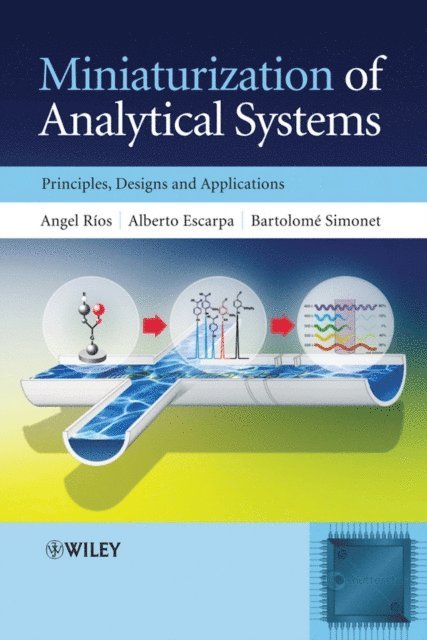
The book describes a general vision of the miniaturization of the analytical systems, including their principles, designs and applications. Through ten chapters the different aspects characterizing the miniaturized systems are developed. Thus, the two first chapters include the basic concepts behind miniaturization in analytical chemistry, as well as the mechanical and electronic tools needed for designing and fabricating miniaturized analytical systems. Chapters 3 to 6 represent the core of the book, as they take as the basis the analytical process and deal with the miniaturization of sample treatment (including the consequent automation), with sections devoted to the problems associated with sample introduction in micro(nano) systems; miniaturized systems for analyte separation, depending of the forces involved in moving the flow; and detection in micro-size environments. Following on, Chapters 7 and 8 will deal with the miniaturization of the entire process: from sample introduction to the generation of the corresponding analytical results. The last part of the book will deal with two aspects of miniaturized analytical systems directly connected to their usefulness: the design of portable miniaturized systems (interesting for performing field tests) and how to assure the practical reliability of the micro(nano) systems (quality control tests, performance and validation activities, as well as the robustness of the miniaturized depicted systems. The ruggedness of micro(nano) systems are briefly discussed and related to the tools for designing and fabricating described in the first chapters of the book.
Inbunden, Engelska, 2009
1 018 kr
Tillfälligt slut
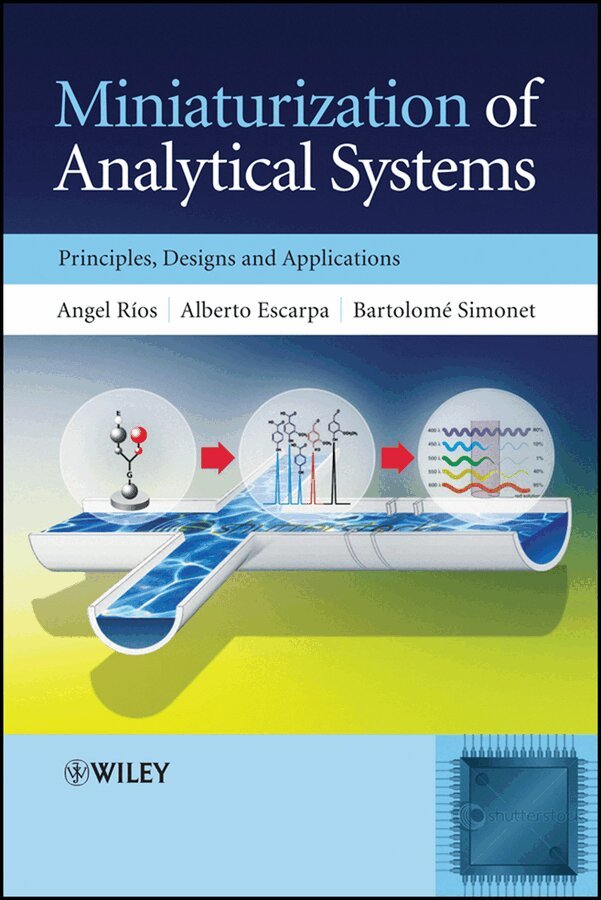
The book describes a general vision of the miniaturization of the analytical systems, including their principles, designs and applications. Through ten chapters the different aspects characterizing the miniaturized systems are developed. Thus, the two first chapters include the basic concepts behind miniaturization in analytical chemistry, as well as the mechanical and electronic tools needed for designing and fabricating miniaturized analytical systems. Chapters 3 to 6 represent the core of the book, as they take as the basis the analytical process and deal with the miniaturization of sample treatment (including the consequent automation), with sections devoted to the problems associated with sample introduction in micro(nano) systems; miniaturized systems for analyte separation, depending of the forces involved in moving the flow; and detection in micro-size environments. Following on, Chapters 7 and 8 will deal with the miniaturization of the entire process: from sample introduction to the generation of the corresponding analytical results. The last part of the book will deal with two aspects of miniaturized analytical systems directly connected to their usefulness: the design of portable miniaturized systems (interesting for performing field tests) and how to assure the practical reliability of the micro(nano) systems (quality control tests, performance and validation activities, as well as the robustness of the miniaturized depicted systems. The ruggedness of micro(nano) systems are briefly discussed and related to the tools for designing and fabricating described in the first chapters of the book.