
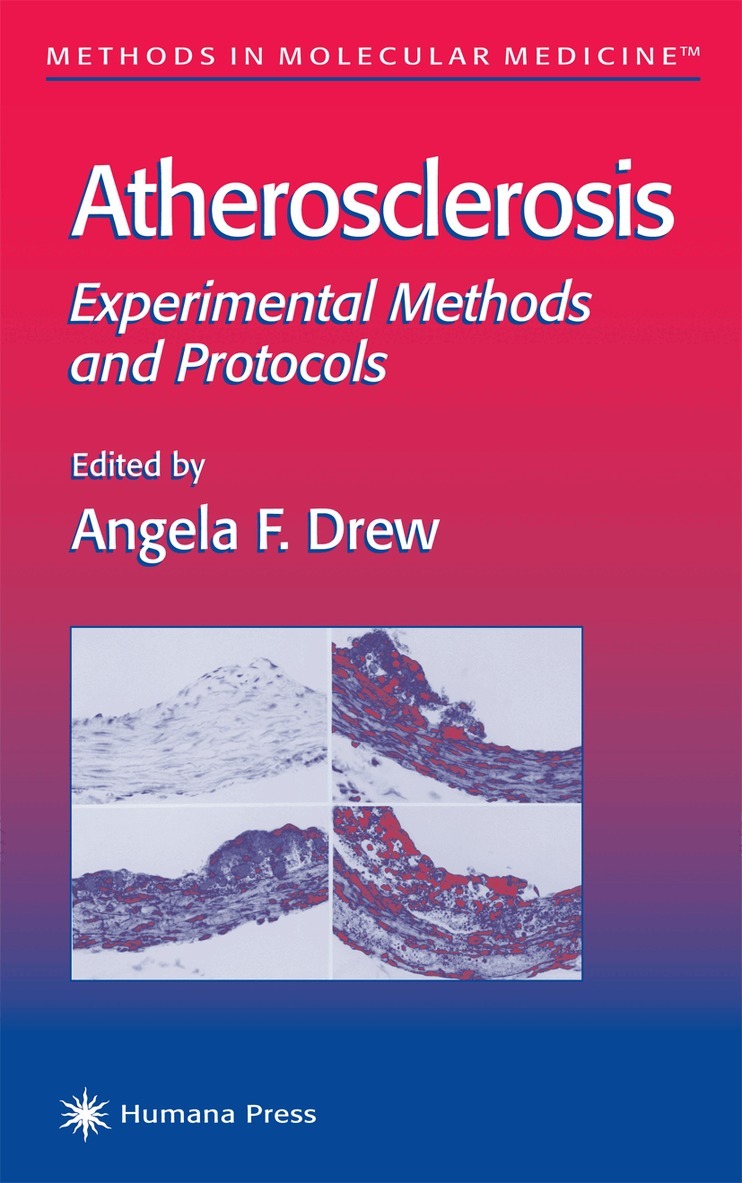
This truly unique volume provides a broad spectrum of techniques and assays pertinent for experimental atherosclerosis research. Practical information regarding sample collection, choice of model system, experimental design, and data analysis techniques are provided in each chapter. In addition novel animal models are discussed including genetically engineered mice. Traditional and newer methods for identifying and separating classes and subclasses of lipoproteins are included along with assays for more recently identified plasma proteins implicated in atherogenesis, such as cholesteryl ester transfer protein, homocysteine, glycated lipoproteins, and apolipoprotein. Chapters describe the isolation and culture of cells and clycosaminoglycans from atherosclerotic plaques and further elaborate on in vivo techniques for the collection and analysis of experimental atherosclerotic lesions. Finally, a comprehensive presentation of gene therapies is given, and is accompanied by a highly practical technique that has been successfully implemented in pigs.The compilations in this manual will benefit those researchers in pursuit of understanding, diagnosing, treating, and ultimately preventing atherosclerosis.

Atherosclerosis: Experimental Methods and Protocols aims to provide the reader with a compilation of techniques that will prove useful to active investigators across the field of experimental atherosclerosis research. In fact, this volume is unique, the first devoted to a broad spectrum of techniques and assays, some adopted from other disciplines, not previously brought together in one book. Our approach is designed to permit researchers to select the techniques that will answer their particular sets of questions, in any of the expanding number of both animal models and in vitro systems now available for studying factors contributing to the development or progression of athe- sclerotic lesions. Researchers can only benefit from this collection of relevant techniques, written and explained by experts in each of these fields. Both investigators beginning in the field of atherosclerosis studies and researchers entering the field from related but different areas of study will benefit from Atherosclerosis: Experimental Methods and Protocols. Sufficient background is provided for a beginner to carry out the techniques described in the chapters, yet great depth is achieved owing to the special expertise of the authors. Researchers new to the field of atherosclerosis will appreciate the benefits of having these techniques gathered in one volume for their inves- gations. In addition, researchers already in the field of atherosclerosis research may benefit from the wide array of techniques and ideas provided by enjoying expanded opportunities to investigate their hypotheses.
This truly unique volume provides a broad spectrum of techniques and assays pertinent for experimental atherosclerosis research. Practical information regarding sample collection, choice of model system, experimental design, and data analysis techniques are provided in each chapter. In addition novel animal models are discussed including genetically engineered mice. Traditional and newer methods for identifying and separating classes and subclasses of lipoproteins are included along with assays for more recently identified plasma proteins implicated in atherogenesis, such as cholesteryl ester transfer protein, homocysteine, glycated lipoproteins, and apolipoprotein. Chapters describe the isolation and culture of cells and clycosaminoglycans from atherosclerotic plaques and further elaborate on in vivo techniques for the collection and analysis of experimental atherosclerotic lesions. Finally, a comprehensive presentation of gene therapies is given, and is accompanied by a highly practical technique that has been successfully implemented in pigs.The compilations in this manual will benefit those researchers in pursuit of understanding, diagnosing, treating, and ultimately preventing atherosclerosis.
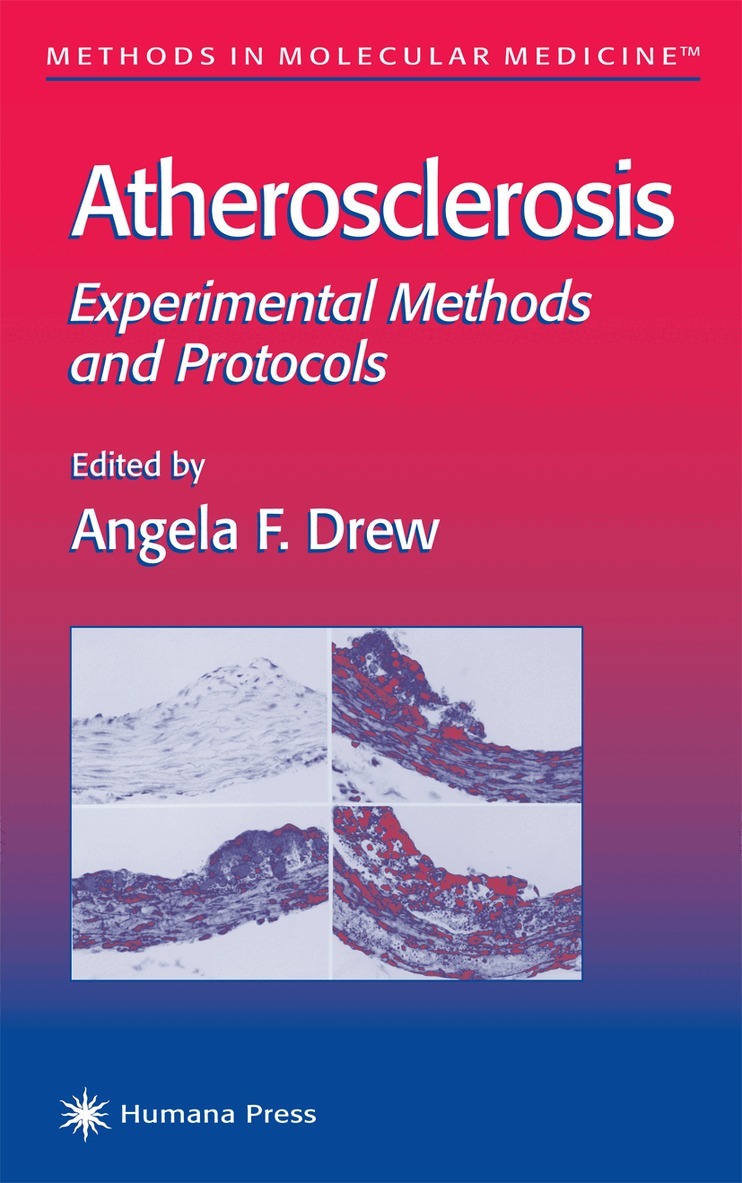
Atherosclerosis: Experimental Methods and Protocols aims to provide the reader with a compilation of techniques that will prove useful to active investigators across the field of experimental atherosclerosis research. In fact, this volume is unique, the first devoted to a broad spectrum of techniques and assays, some adopted from other disciplines, not previously brought together in one book. Our approach is designed to permit researchers to select the techniques that will answer their particular sets of questions, in any of the expanding number of both animal models and in vitro systems now available for studying factors contributing to the development or progression of athe- sclerotic lesions. Researchers can only benefit from this collection of relevant techniques, written and explained by experts in each of these fields. Both investigators beginning in the field of atherosclerosis studies and researchers entering the field from related but different areas of study will benefit from Atherosclerosis: Experimental Methods and Protocols. Sufficient background is provided for a beginner to carry out the techniques described in the chapters, yet great depth is achieved owing to the special expertise of the authors. Researchers new to the field of atherosclerosis will appreciate the benefits of having these techniques gathered in one volume for their inves- gations. In addition, researchers already in the field of atherosclerosis research may benefit from the wide array of techniques and ideas provided by enjoying expanded opportunities to investigate their hypotheses.