Angela Hug – författare
Visar alla böcker från författaren Angela Hug. Handla med fri frakt och snabb leverans.
7 produkter
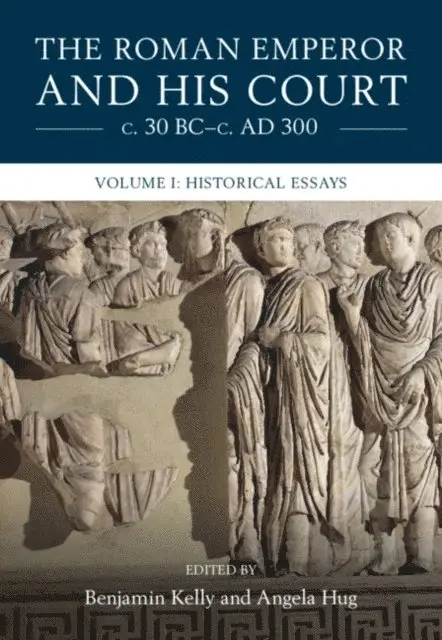
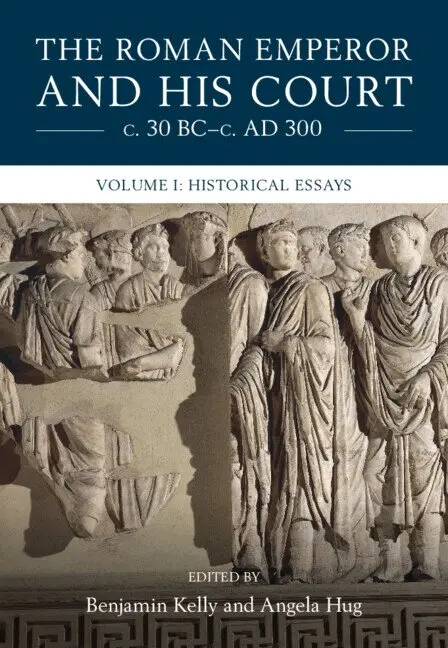
Roman Emperor and his Court c. 30 BC-c. AD 300: Volume 1, Historical Essays
E-bok, 2022
2199 kr
Lägg i varukorg
At the centre of the Roman empire stood the emperor and the court surrounding him. The systematic investigation of this court in its own right, however, has been a relatively late development in the field of Roman history, and previous studies have focused on narrowly defined aspects or on …
Roman Emperor and his Court c. 30 BC-c. AD 300: Volume 1, Historical Essays
E-bok, 2022
2199 kr
Lägg i varukorg
At the centre of the Roman empire stood the emperor and the court surrounding him. The systematic investigation of this court in its own right, however, has been a relatively late development in the field of Roman history, and previous studies have focused on narrowly defined aspects or on …
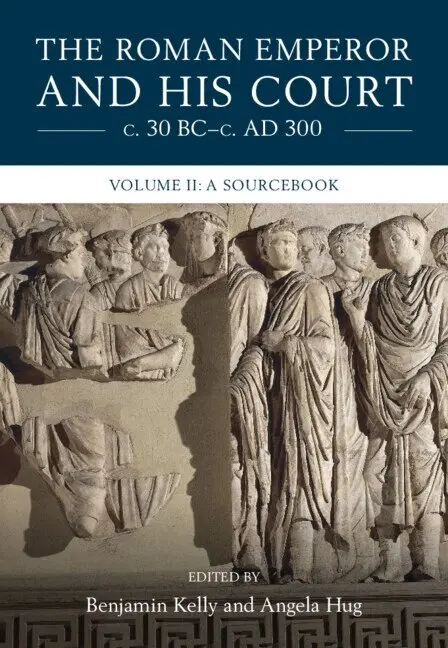
Roman Emperor and his Court c. 30 BC-c. AD 300: Volume 2, A Sourcebook
E-bok, 2022
1662 kr
Lägg i varukorg
At the centre of the Roman empire stood the emperor and the court surrounding him. The systematic investigation of this court in its own right, however, has been a relatively late development in the field of Roman history, and previous studies have focused on narrowly defined aspects or on …
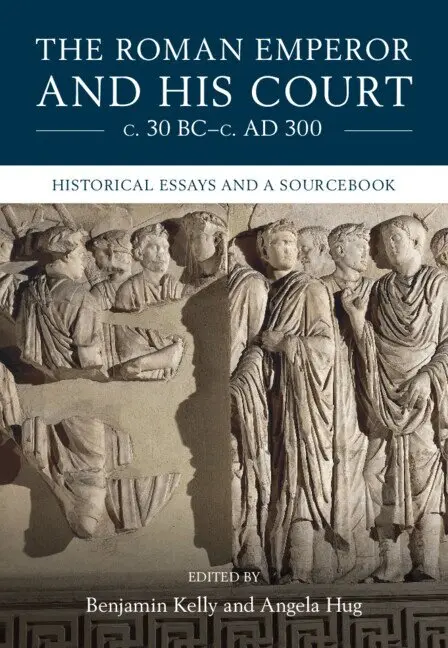
The Roman Emperor and his Court c. 30 BC-c. AD 300
Historical Essays and A Sourcebook
Inbunden, 2022
3062 kr
Lägg i varukorg
At the centre of the Roman empire stood the emperor and the court surrounding him. The systematic investigation of this court in its own right, however, has been a relatively late development in the field of Roman history, and previous studies have focused on narrowly defined aspects or on …
The Roman Emperor and his Court c. 30 BC-c. AD 300: Volume 2, A Sourcebook
Inbunden, 2022
1461 kr
Lägg i varukorg
At the centre of the Roman empire stood the emperor and the court surrounding him. The systematic investigation of this court in its own right, however, has been a relatively late development in the field of Roman history, and previous studies have focused on narrowly defined aspects or on …
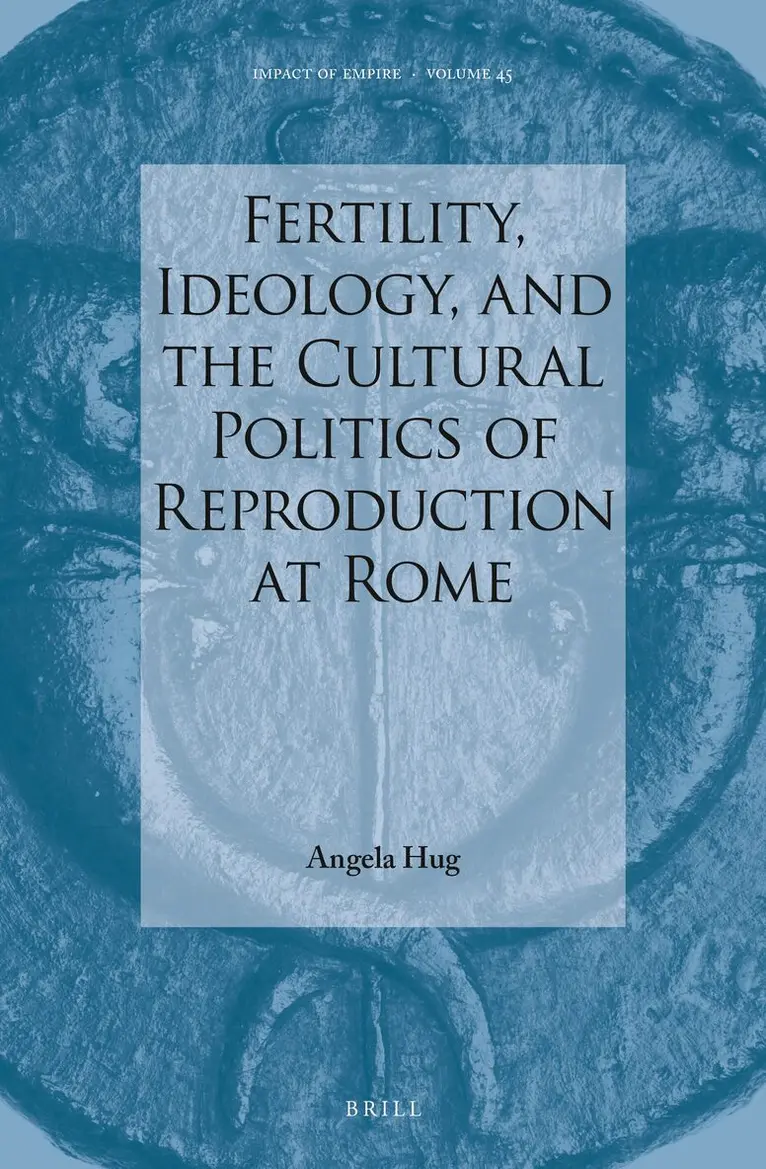
Fertility, Ideology, and the Cultural Politics of Reproduction at Rome
Av Angela Hug
Inbunden, 2023
2301 kr
Lägg i varukorg
Winner of the 2024 Outstanding Academic Titles award in Choice, a publishing unit of the Association of College & Research Libraries (ACRL)Winner of the 2024 Mark Golden Book PrizeRoman women bore children not just for their husbands, but for the Roman state. This book is the first comprehensive …
The Roman Emperor and his Court c. 30 BC-c. AD 300: Volume 1, Historical Essays
Inbunden, 2022
1931 kr
Tillfälligt slut
At the centre of the Roman empire stood the emperor and the court surrounding him. The systematic investigation of this court in its own right, however, has been a relatively late development in the field of Roman history, and previous studies have focused on narrowly defined aspects or on …