Angela I. Fritz – författare
Visar alla böcker från författaren Angela I. Fritz. Handla med fri frakt och snabb leverans.
4 produkter
4 produkter
Inbunden, Engelska, 2021
1 059 kr
Skickas inom 10-15 vardagar
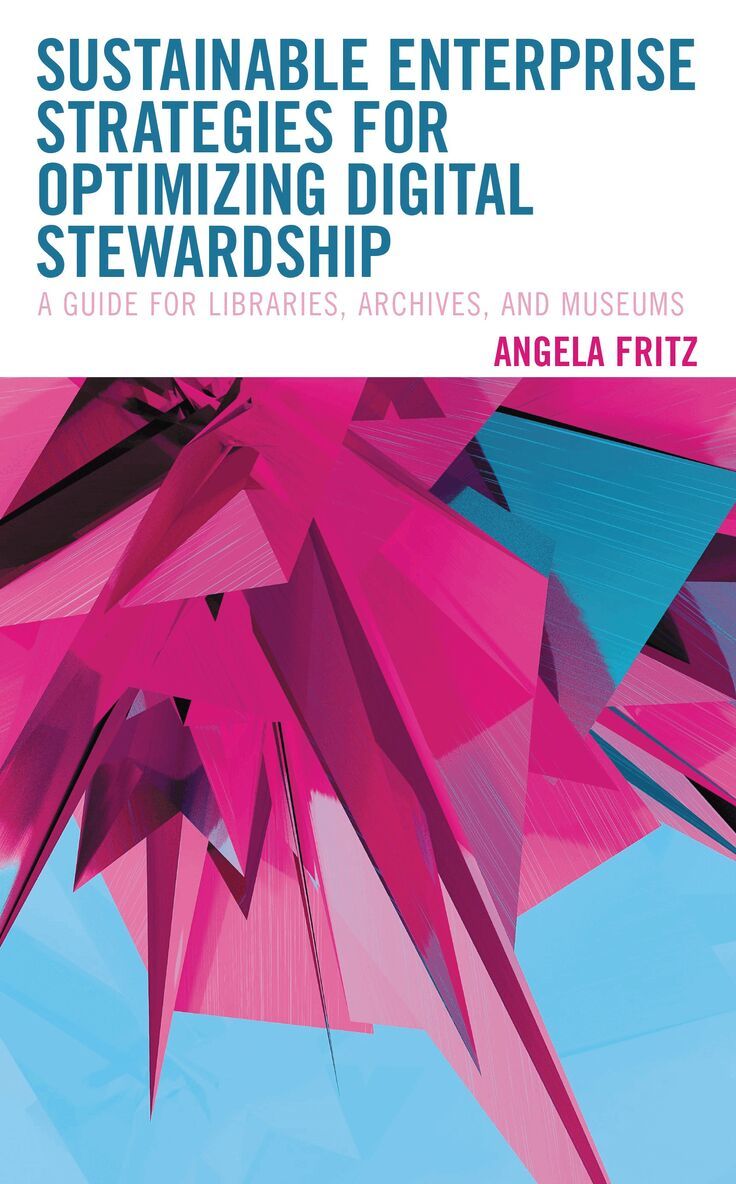
For most academic libraries, archives and museums, digital content management is increasingly occurring on a holistic enterprise level. As most institutions contemplate an enterprise digital content strategy for a growing number of digitized surrogates and born-digital assets, libraries, archives, and museums understand that these expanding needs can only be met by more flexible approaches offered by a multicomponent digital asset management ecosystem (DAME).Increasingly, librarians, archivists, and curators are managing an integrated digital ecosystem by coordinating and complementing a number of existing and emerging initiatives. This guide provides a high-level overview and offers a conceptual framework for understanding a digital asset management ecosystem with discussions on digital collection typologies and assessment, planning and prioritization, the importance of a community of practice through associated workflows, and an understanding of the critical role that foresight planning plays in balancing an evolving infrastructure and expanding digital content with creative cost modeling and sustainability strategies. Borrowing from the principles of data curation, integrative collection building requires an understanding of the library’s “digital ecosystem” of licensed content, digitized material, and born-digital content in order to ensure strategic growth of institutional collections in the context of long-term holistic collection management plans. Key elements discussed in this book include:the importance of digital collection assessment, analysis, and prioritization,the realignment of accession and appraisal methodologies for efficient digital content acquisition,the need to think holistically relating to tool selection and infrastructure development to ensure interoperability, scalability, and sustainability of a universe of digital assets,the creation of cross-functional workflows in accordance with policies and plans,the importance of advocating for growing resources needed for managing, descriptive, administrative, technical, rights and preservation metadata across the institution, andthe significance of distributed digital preservation models with a growing array of associated options for cloud storage.
Häftad, Engelska, 2021
512 kr
Skickas inom 10-15 vardagar
For most academic libraries, archives and museums, digital content management is increasingly occurring on a holistic enterprise level. As most institutions contemplate an enterprise digital content strategy for a growing number of digitized surrogates and born-digital assets, libraries, archives, and museums understand that these expanding needs can only be met by more flexible approaches offered by a multicomponent digital asset management ecosystem (DAME).Increasingly, librarians, archivists, and curators are managing an integrated digital ecosystem by coordinating and complementing a number of existing and emerging initiatives. This guide provides a high-level overview and offers a conceptual framework for understanding a digital asset management ecosystem with discussions on digital collection typologies and assessment, planning and prioritization, the importance of a community of practice through associated workflows, and an understanding of the critical role that foresight planning plays in balancing an evolving infrastructure and expanding digital content with creative cost modeling and sustainability strategies. Borrowing from the principles of data curation, integrative collection building requires an understanding of the library’s “digital ecosystem” of licensed content, digitized material, and born-digital content in order to ensure strategic growth of institutional collections in the context of long-term holistic collection management plans. Key elements discussed in this book include:the importance of digital collection assessment, analysis, and prioritization,the realignment of accession and appraisal methodologies for efficient digital content acquisition,the need to think holistically relating to tool selection and infrastructure development to ensure interoperability, scalability, and sustainability of a universe of digital assets,the creation of cross-functional workflows in accordance with policies and plans,the importance of advocating for growing resources needed for managing, descriptive, administrative, technical, rights and preservation metadata across the institution, andthe significance of distributed digital preservation models with a growing array of associated options for cloud storage.
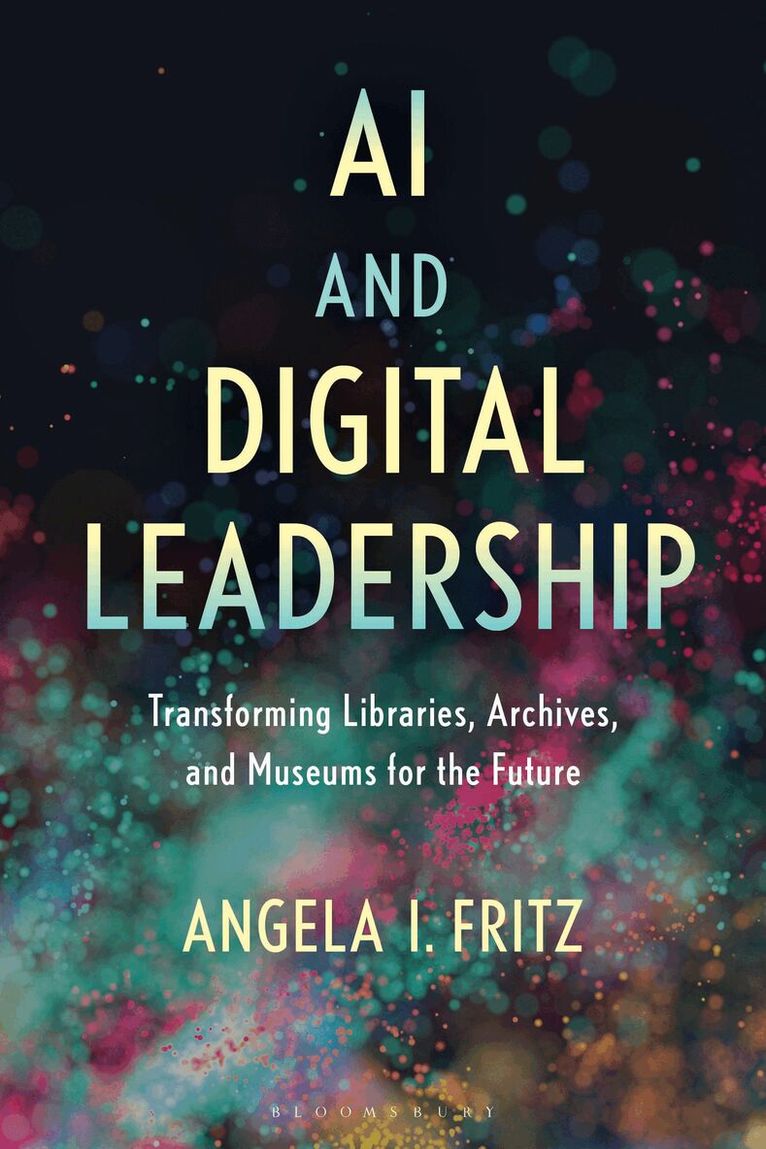
Inbunden, Engelska, 2025
988 kr
Skickas inom 10-15 vardagar
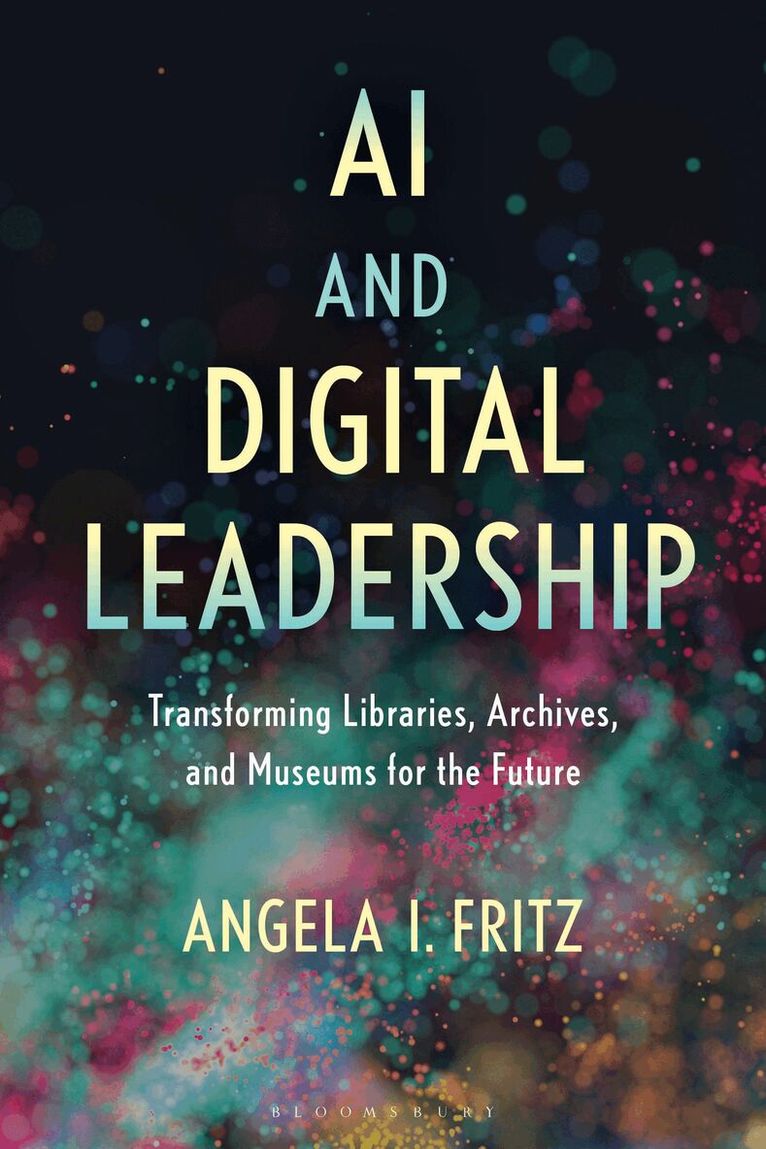
Explore how GLAM institutions are navigating new leadership styles and organizational frameworks to help meet the challenges posed by a digital society.During this time of digital transformation, galleries, libraries, archives, and museums (GLAMs) are facing a generational challenge that calls on them to rethink their roles and responsibilities, re-evaluate policies and practices, and re-envision creative management and use of their collections. While AI is not new for GLAMs, the rapid development of generative AI has accelerated the pace of change along with a host of risks and benefits. For cultural heritage institutions, the stakes for implementing emerging AI technologies are high as GLAMs navigate questions relating to cultural relevance, limited resources and expanding backlogs of digital collections. GLAMs must also contend with the major intellectual and social implications for supporting entirely new approaches to learning, scholarship and public engagement. As GLAMs strive to keep pace, this book turns to explore how cultural heritage institutions can draw on a model of digital leadership to help them meet the challenges posed by the ethical implementation and use of generative AI in the stewardship of distinctive collections. Although digital leadership has been widely written about in the fields of business management, communication and marketing and information technology, it has not yet been addressed in a book format for the GLAM sector. In addition to discussing the basic definition and concepts of digital leadership, this book explores digital leadership as a critical framework for GLAMs to advance digital stewardship programs, professional development and staff training initiatives, and institutional advocacy in the age of AI.
Häftad, Engelska, 2025
484 kr
Skickas inom 10-15 vardagar
Explore how GLAM institutions are navigating new leadership styles and organizational frameworks to help meet the challenges posed by a digital society.During this time of digital transformation, galleries, libraries, archives, and museums (GLAMs) are facing a generational challenge that calls on them to rethink their roles and responsibilities, re-evaluate policies and practices, and re-envision creative management and use of their collections. While AI is not new for GLAMs, the rapid development of generative AI has accelerated the pace of change along with a host of risks and benefits. For cultural heritage institutions, the stakes for implementing emerging AI technologies are high as GLAMs navigate questions relating to cultural relevance, limited resources and expanding backlogs of digital collections. GLAMs must also contend with the major intellectual and social implications for supporting entirely new approaches to learning, scholarship and public engagement. As GLAMs strive to keep pace, this book turns to explore how cultural heritage institutions can draw on a model of digital leadership to help them meet the challenges posed by the ethical implementation and use of generative AI in the stewardship of distinctive collections. Although digital leadership has been widely written about in the fields of business management, communication and marketing and information technology, it has not yet been addressed in a book format for the GLAM sector. In addition to discussing the basic definition and concepts of digital leadership, this book explores digital leadership as a critical framework for GLAMs to advance digital stewardship programs, professional development and staff training initiatives, and institutional advocacy in the age of AI.