Angela M. Smith – författare
Visar alla böcker från författaren Angela M. Smith. Handla med fri frakt och snabb leverans.
10 produkter
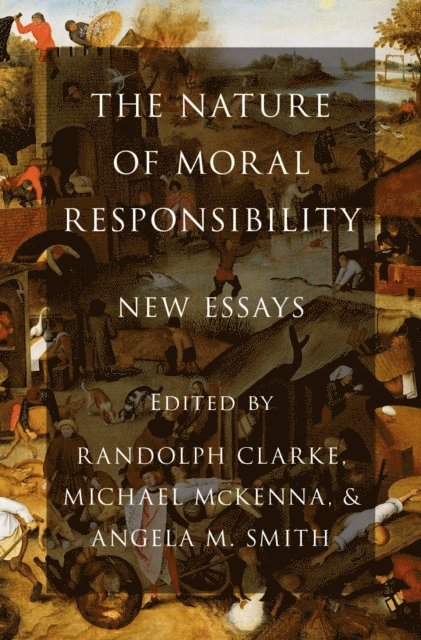
Nature of Moral Responsibility
New Essays
Av Angela M. Smith, Michael McKenna m. fl.
E-bok, 2015
495 kr
Lägg i varukorg
What is it to be morally responsible for something? Recent philosophical work reveals considerable disagreement on the question. Indeed, some theorists claim to distinguish several varieties of moral responsibility, with different conditions that must be satisfied if one is to bear responsibility …
The Nature of Moral Responsibility
New Essays
Av Randolph Clarke, Michael McKenna m. fl.
Inbunden, 2015
1988 kr
Lägg i varukorg
What is it to be morally responsible for something? Recent philosophical work reveals considerable disagreement on the question. Indeed, some theorists claim to distinguish several varieties of moral responsibility, with different conditions that must be satisfied if one is to bear responsibility …
Nature of Moral Responsibility
New Essays
Av Angela M. Smith, Michael McKenna m. fl.
E-bok, 2015
495 kr
Lägg i varukorg
What is it to be morally responsible for something? Recent philosophical work reveals considerable disagreement on the question. Indeed, some theorists claim to distinguish several varieties of moral responsibility, with different conditions that must be satisfied if one is to bear responsibility …
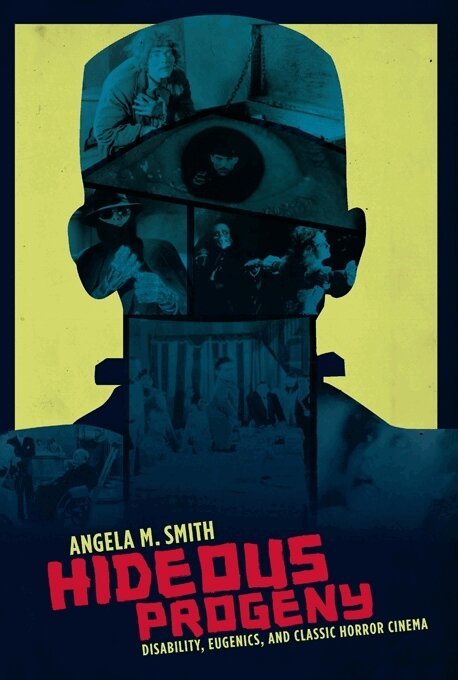
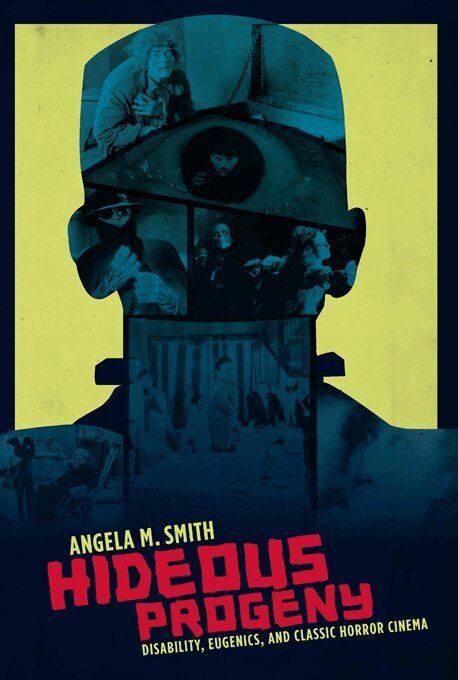
Hideous Progeny
Disability, Eugenics, and Classic Horror Cinema
Inbunden, 2012
1270 kr
Lägg i varukorg
Twisted bodies, deformed faces, aberrant behavior, and abnormal desires characterized the hideous creatures of classic Hollywood horror, which thrilled audiences with their sheer grotesqueness. Most critics have interpreted these traits as symptoms of sexual repression or as metaphors for other …
Hideous Progeny
Disability, Eugenics, and Classic Horror Cinema
Häftad, 2012
323 kr
Lägg i varukorg
Twisted bodies, deformed faces, aberrant behavior, and abnormal desires characterized the hideous creatures of classic Hollywood horror, which thrilled audiences with their sheer grotesqueness. Most critics have interpreted these traits as symptoms of sexual repression or as metaphors for other …
Hideous Progeny
Disability, Eugenics, and Classic Horror Cinema
E-bok, 2012
492 kr
Lägg i varukorg
Twisted bodies, deformed faces, aberrant behavior, and abnormal desires characterized the hideous creatures of classic Hollywood horror, which thrilled audiences with their sheer grotesqueness. Most critics have interpreted such traits as symptoms of sexual repression, or as metaphors for other …
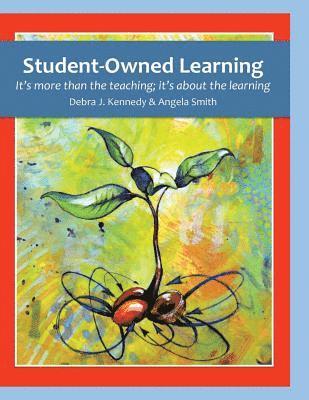
Student-Owned Learning: It's more than the teaching; it's about the learning
Av Angela M. Smith, Debra J. Kennedy
Häftad, 2016
256 kr
Lägg i varukorg
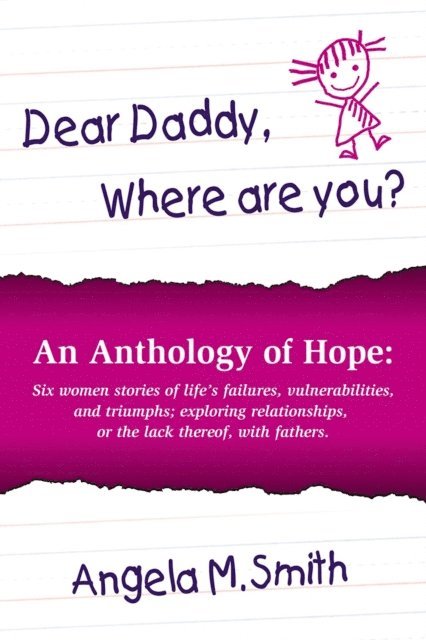
Dear Daddy, Where are you?
E-bok, 2013
61 kr
Lägg i varukorg
The 'Dear Daddy' Anthology Project was conceived when the author's father passed away in 2006. Even though her father lived in the home, she realized that she never knew him like other's knew him. Knowing that it is too late to develop a father-daughter relationship, she pens her letter recalling …
The Millennial Survival Guide: Keeping It "100" In The 21st Century
Av Dominique Williams, Angela M. Smith
Häftad
261 kr
Lägg i varukorg