Angela W. Little – författare
Visar alla böcker från författaren Angela W. Little. Handla med fri frakt och snabb leverans.
11 produkter
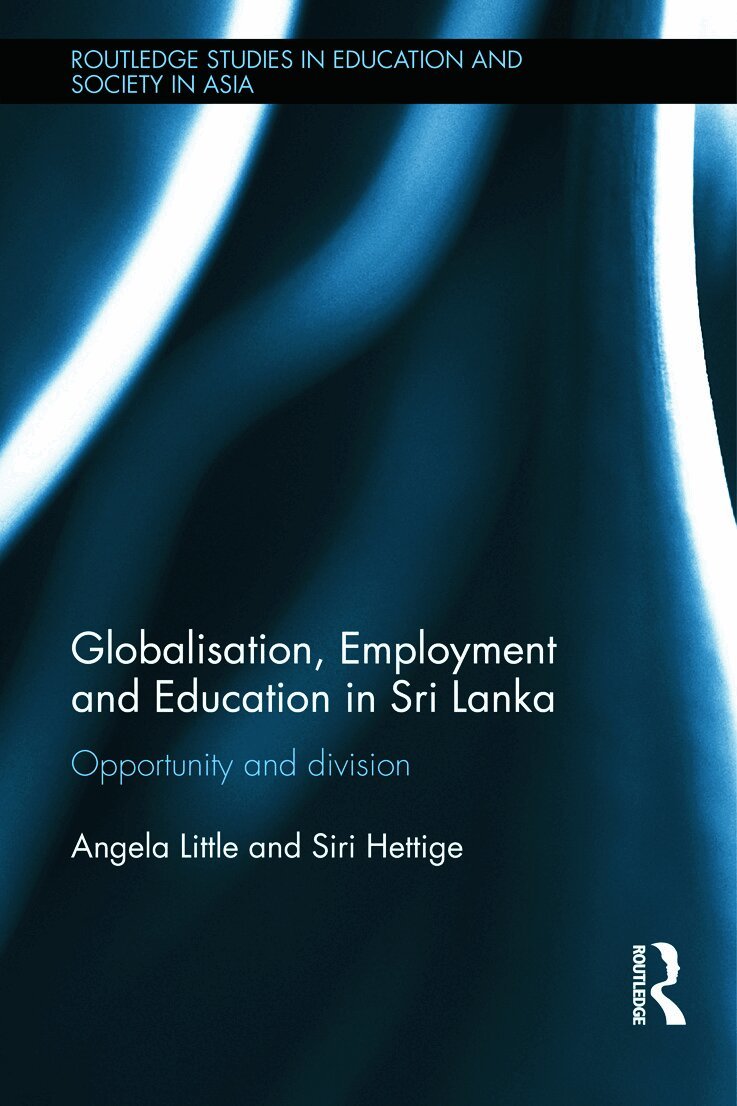
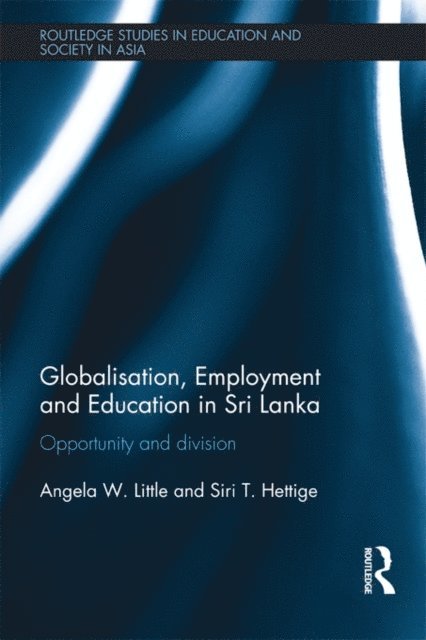
Globalisation, Employment and Education in Sri Lanka
Opportunity and Division
Av Angela W. Little, Siri T. Hettige
Inbunden, 2013
2433 kr
Lägg i varukorg
Since the late 1970s, Sri Lanka has undergone a socio-economic transformation, from protectionism towards economic liberalisation and increasing integration into the world economy. Through a systematic comparison of these periods of economic change (1956–1977, and 1977 to the present), Angela W. …
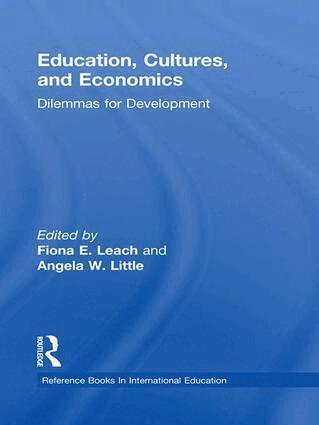
Education, Cultures, and Economics
Dilemmas for Development
Av Angela W. Little, Fiona E. Leach m. fl.
Inbunden, 1999
2433 kr
Lägg i varukorg
This edited volume reviews the conflict between economic prescriptions for improved education in the developing world and local cultures. Among the issues reviewed are: conceptions of culture and economics in development and education literature, economic considerations of school systems to promote …
Education, Cultures, and Economics
Dilemmas for Development
Av Fiona E. Leach, Angela W. Little m. fl.
E-bok, 2013
926 kr
Lägg i varukorg
This edited volume reviews the conflict between economic prescriptions for improved education in the developing world and local cultures. Among the issues reviewed are: conceptions of culture and economics in development and education literature, economic considerations of school systems to promote …
Education, Cultures, and Economics
Dilemmas for Development
Av Fiona E. Leach, Angela W. Little m. fl.
E-bok, 2013
906 kr
Lägg i varukorg
This edited volume reviews the conflict between economic prescriptions for improved education in the developing world and local cultures. Among the issues reviewed are: conceptions of culture and economics in development and education literature, economic considerations of school systems to promote …
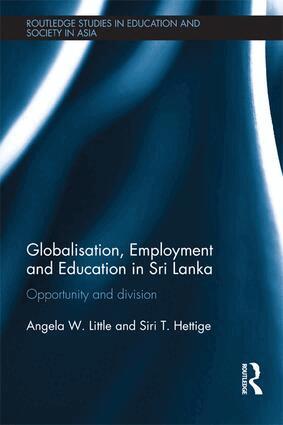
Globalisation, Employment and Education in Sri Lanka
Opportunity and Division
Av Siri T. Hettige, Angela W. Little
E-bok, 2014
1043 kr
Lägg i varukorg
Since the late 1970s, Sri Lanka has undergone a socio-economic transformation, from protectionism towards economic liberalisation and increasing integration into the world economy. Through a systematic comparison of these periods of economic change (1956–1977, and 1977 to the present), Angela W. …
Globalisation, Employment and Education in Sri Lanka
Opportunity and Division
Av Siri T. Hettige, Angela W. Little
E-bok, 2014
1043 kr
Lägg i varukorg
Since the late 1970s, Sri Lanka has undergone a socio-economic transformation, from protectionism towards economic liberalisation and increasing integration into the world economy. Through a systematic comparison of these periods of economic change (1956–1977, and 1977 to the present), Angela W. …
Globalisation, Employment and Education in Sri Lanka
Opportunity and Division
Av Angela W. Little, Siri T. Hettige
Häftad, 2015
881 kr
Lägg i varukorg
Since the late 1970s, Sri Lanka has undergone a socio-economic transformation, from protectionism towards economic liberalisation and increasing integration into the world economy. Through a systematic comparison of these periods of economic change (1956–1977, and 1977 to the present), Angela W. …
Education, Cultures, and Economics
Dilemmas for Development
Av Angela W. Little, Fiona E. Leach m. fl.
Häftad, 2016
783 kr
Lägg i varukorg
This edited volume reviews the conflict between economic prescriptions for improved education in the developing world and local cultures. Among the issues reviewed are: conceptions of culture and economics in development and education literature, economic considerations of school systems to promote …
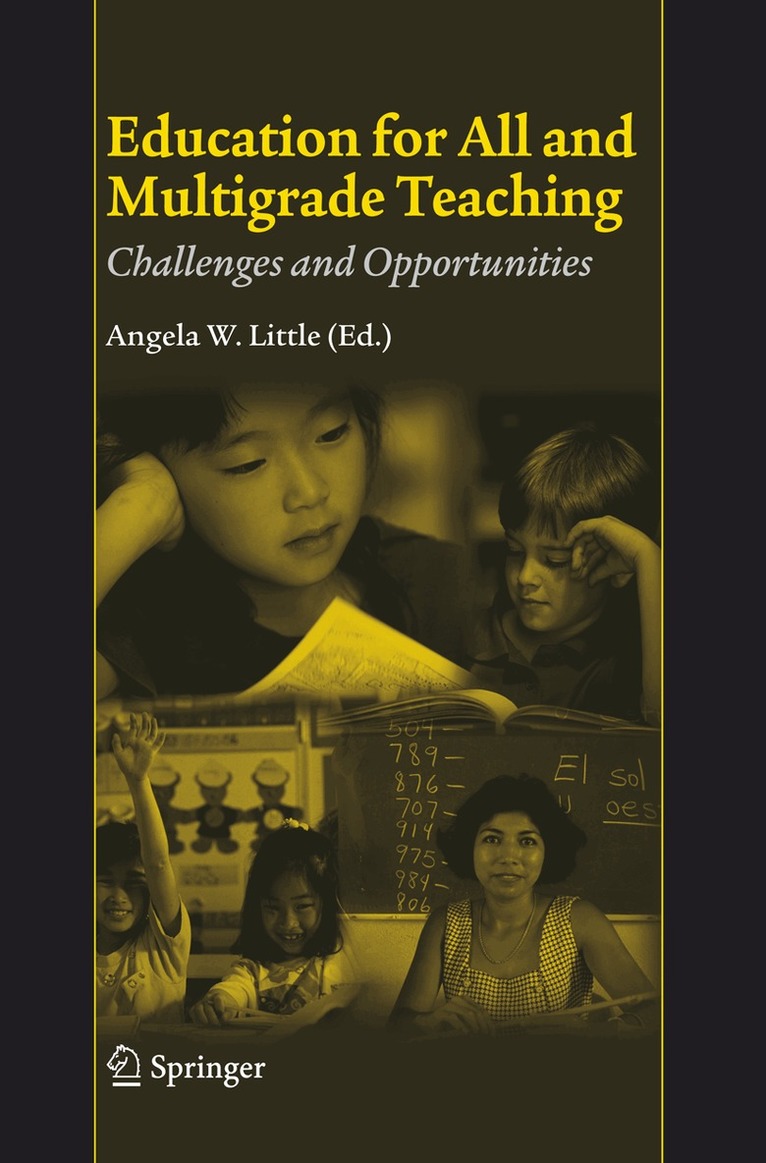
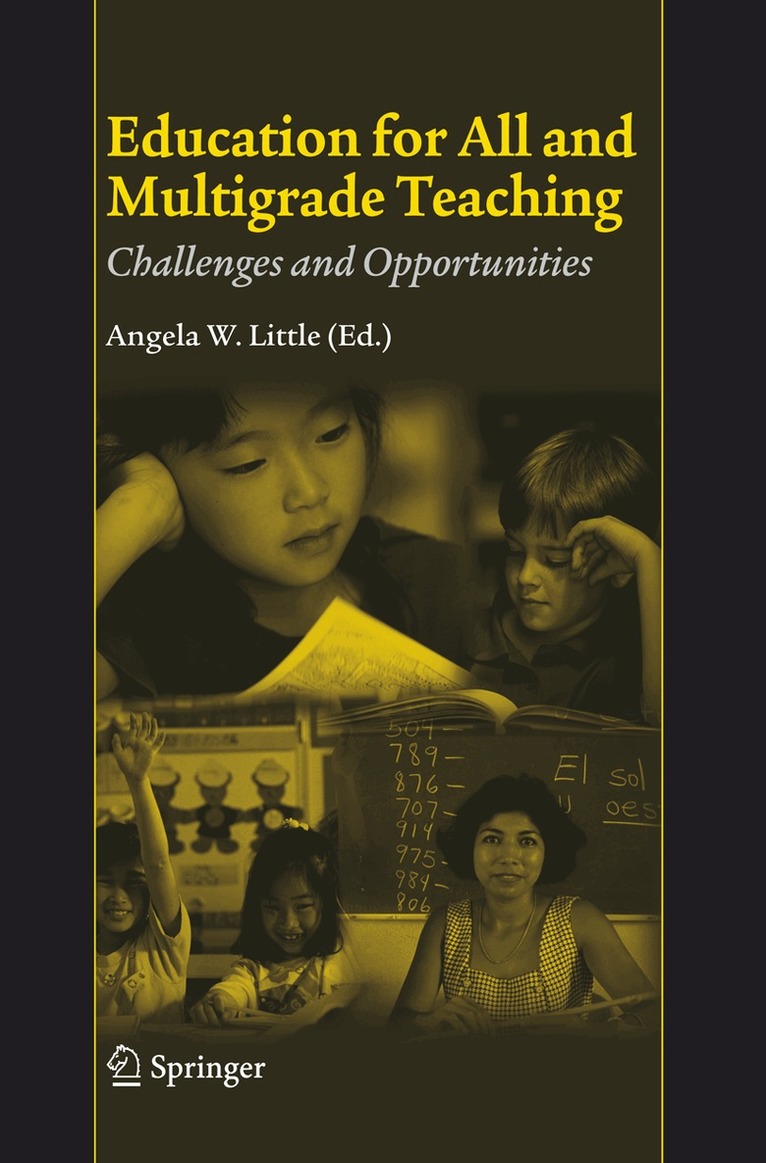
Education for All and Multigrade Teaching
Challenges and Opportunities
Inbunden, 2006
1593 kr
Lägg i varukorg
Multigrade teaching poses a challenge to learning. Millions of learners worldwide are taught by teachers who, at any one time, are responsible for two or more school grades/years. These are the invisible multigrade teachers who struggle to provide learning opportunities for all within curriculum …
Education for All and Multigrade Teaching
Challenges and Opportunities
E-bok, 2006
1986 kr
Lägg i varukorg
Multigrade teaching poses a challenge to learning. Millions of learners worldwide are taught by teachers who, at any one time, are responsible for two or more school grades/years. These are the invisible multigrade teachers who struggle to provide learning opportunities for all within curriculum …
Education for All and Multigrade Teaching
Challenges and Opportunities
Häftad, 2007
536 kr
Lägg i varukorg
Multigrade teaching poses a challenge to learning. Millions of learners worldwide are taught by teachers who, at any one time, are responsible for two or more school grades/years. These are the invisible multigrade teachers who struggle to provide learning opportunities for all within curriculum …