Angelica Shirley Carpenter – författare
Visar alla böcker från författaren Angelica Shirley Carpenter. Handla med fri frakt och snabb leverans.
6 produkter
Secret Gardens of Frances Hodgson Burnett
Inbunden, 2024, 3-6 år
220 kr
Lägg i varukorg
Frances Hodgson Burnett - best known for writing The Secret Garden, Little Lord Fauntleroy, and The Little Princess - had a difficult childhood, losing her father when she was very young and moving with her family from England to Tennessee in hopes of a better life. She'd been making up stories her …
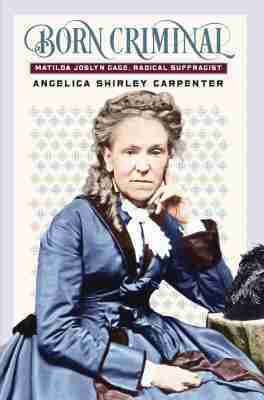
Born Criminal
Matilda Joslyn Gage, Radical Suffragist
Häftad, 2020
261 kr
Lägg i varukorg
American Library Association Amelia Bloomer List FinalistMidwest Book Awards WinnerForeword INDIE Awards FinalistBenjamin Franklin Award Silver Award“All the crimes which I was not guilty of rushed through my mind. I failed to remember that I was a born criminal—a woman.”—Matilda Joslyn …
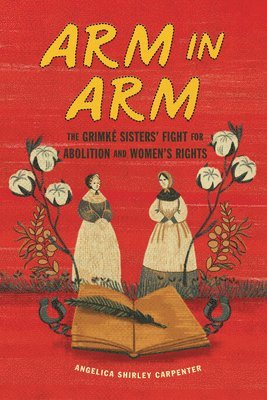
Arm in Arm: The Grimké Sisters' Fight for Abolition and Women's Rights
Häftad, 2025
287 kr
Lägg i varukorg
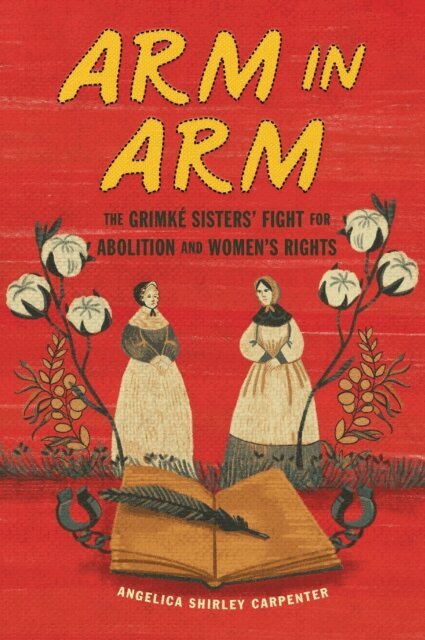
Arm in Arm
The Grimké Sisters'' Fight for Abolition and Women''s Rights
E-bok, 2025
831 kr
Lägg i varukorg
Sisters Sarah and Angelina Grimké grew up in wealth and privilege in early nineteenth century Charleston, South Carolina. Following the standards of the time, they should have known nothing but prosperity, high social status, and Southern gentility for all their lives. But neither could look away …
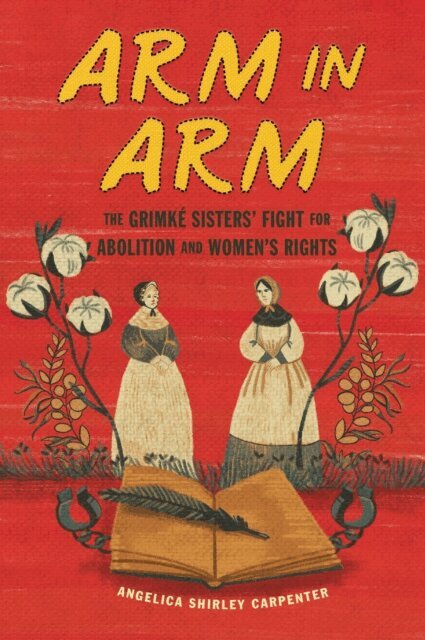
Arm in Arm
The Grimke Sisters' Fight for Abolition and Women's Rights
E-bok, 2025
277 kr
Lägg i varukorg
Sisters Sarah and Angelina Grimke grew up in wealth and privilege in early nineteenth century Charleston, South Carolina. Following the standards of the time, they should have known nothing but prosperity, high social status, and Southern gentility for all their lives. But neither could look away …
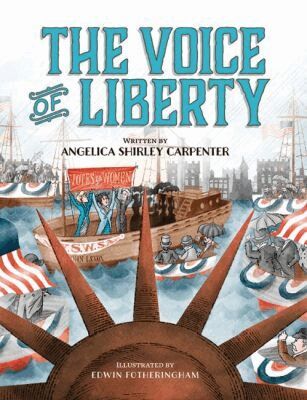
Voice of Liberty
Inbunden, 2022
258 kr
Tillfälligt slut
In 1886, the Statue of Liberty came to America. If Liberty had been a real woman, she would have had no voice in her new country. She could not vote or run for office.The men in charge of unveiling the statue in New York Harbor even declared that women could not set foot on the island during the …