
Angelo J. Corlett – författare
Visar alla böcker från författaren . Handla med fri frakt och snabb leverans.
4 produkter
4 produkter
Häftad, Engelska, 1996
542 kr
Skickas inom 10-15 vardagar
Analyzing Social Knowledge argues for both socialized and naturalized epistemology. J. Angelo Corlett takes social epistemology in a new direction, applying the findings of experimental cognitive psychology to theories of social knowledge. Corlett analyzes social knowlegde in terms of group belief, individual belief, truth, justification, coherence, and reliability and responsibility. He provides a critique of leading theories of social knowledge and defends his analysis against respected criticisms of naturalized epistemology. The far-reaching implications of Analyzing Social Knowledge will interest epistemoloogists, philosophers of the mind, and cognitive psychologists.
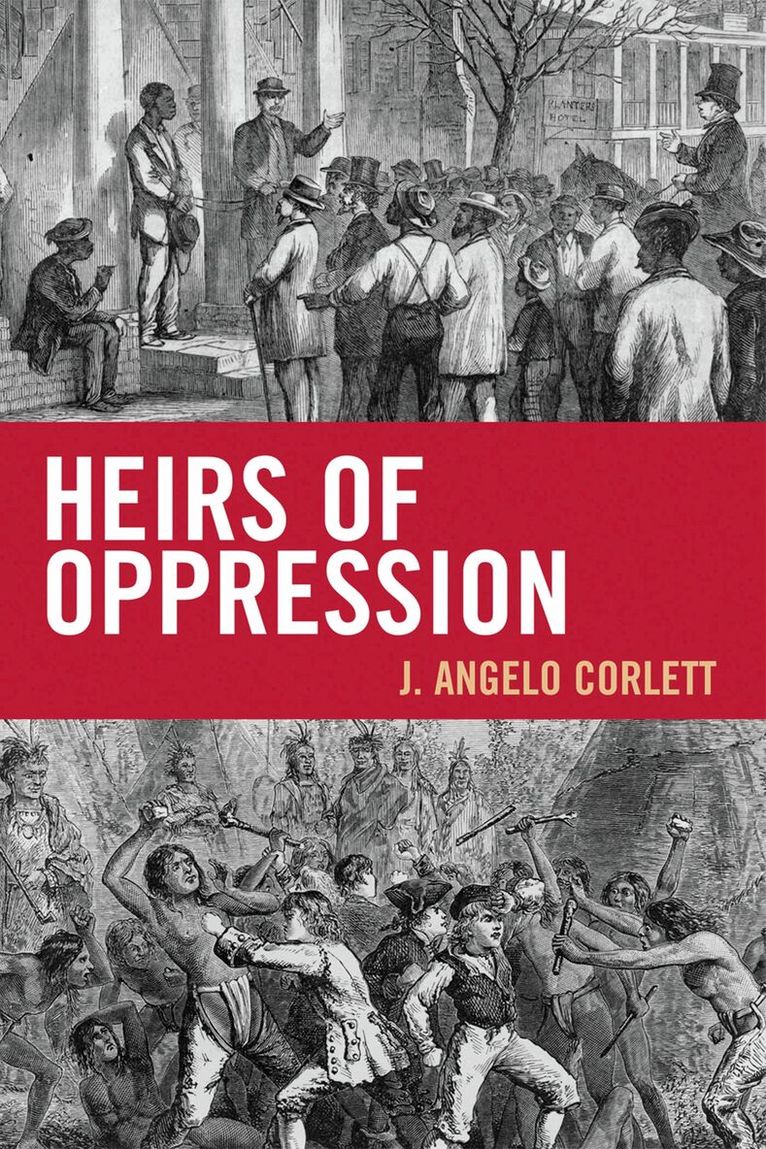
Inbunden, Engelska, 2010
1 517 kr
Skickas inom 10-15 vardagar
Packing his case with moral argument and relevant facts, Angelo Corlett offers the most comprehensive defense to date in favor of reparations for African Americans and American Indians. As Corlett see it, the heirs of oppression are both the descendants of the oppressors and the descendants of their victims. Corlett delves deeply into the philosophically related issues of collective responsibility, forgiveness and apology, and reparations as a human right in ways that no other book or article to date has done. He recommends specific policies and tests the basic arguments of this book with a lengthy chapter considering several objections to the line of reasoning grounding the project.
Häftad, Engelska, 2010
693 kr
Skickas inom 10-15 vardagar
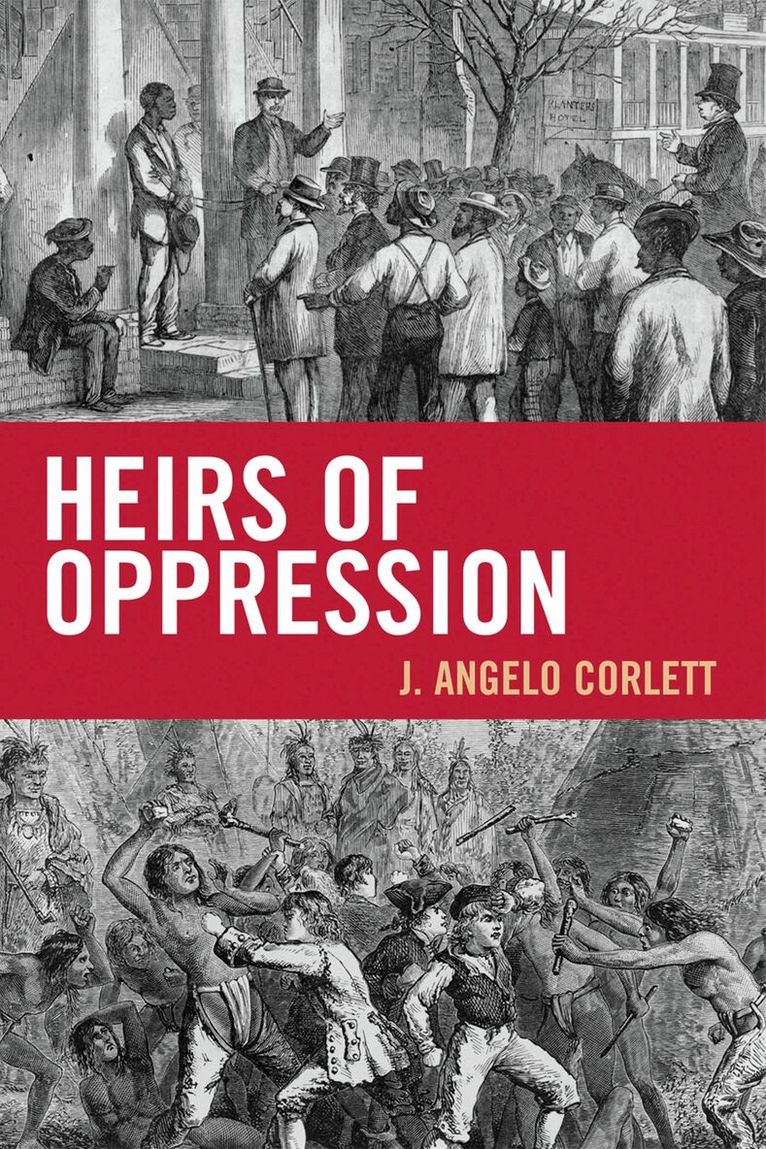
Packing his case with moral argument and relevant facts, Angelo Corlett offers the most comprehensive defense to date in favor of reparations for African Americans and American Indians. As Corlett see it, the heirs of oppression are both the descendants of the oppressors and the descendants of their victims. Corlett delves deeply into the philosophically related issues of collective responsibility, forgiveness and apology, and reparations as a human right in ways that no other book or article to date has done. He recommends specific policies and tests the basic arguments of this book with a lengthy chapter considering several objections to the line of reasoning grounding the project.
Inbunden, Engelska, 2005
345 kr
Skickas inom 5-8 vardagar
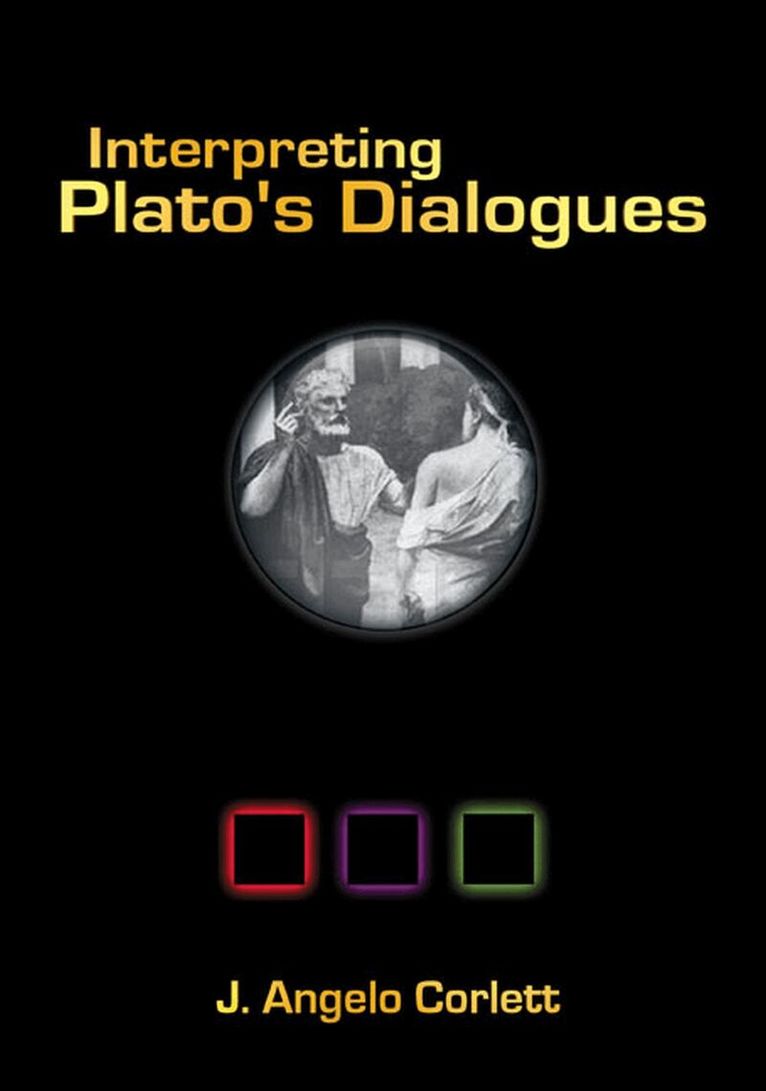
Interpreting Plato’s Dialogues introduces readers to some key problems in understanding Plato’s writings, and explores in-depth and critically the various ways of approaching Plato. The problem of how to interpret Plato’s dialogues dates back to Plato’s Academy, and Plato’s interpreters ought not to forego this important discussion. For how one approaches texts will inevitably influence how one interprets their contents. This is especially true of Plato’s writings, as they are, with few exceptions, dialogues. For the sake of historical accuracy, then, it is crucial that the most plausible interpretation of Plato’s works is articulated and well defended. And this is precisely what this book provides: an articulation and critical evaluation of the various ways to approach Plato’s dialogues, along with the articulation and defense of a plausible new way to interpret Plato.This new way of approaching Plato neither sees Plato’s words as doctrines according to which the dialogues are to be interpreted, nor does it reduce Plato’s dialogues to dramatic literature. Rather, it seeks to interpret the aim of Plato’s writings as being influenced primarily by Plato’s respect for his teacher, Socrates, and the manner in which Socrates engaged others in philosophical discourse. It places the focus of philosophical investigation of Plato’s dialogues on the content of the dialogues themselves, and on the Socratic way of doing philosophy.This book contains a comprehensive bibliography of philosophical sources on the interpretation of Plato’s corpus of writings, as well as some important works in the field of classical studies and philology. Interpreting Plato’s Dialogues provides both an analytical, scholarly, and thorough treatment of what is perhaps the most long-standing problem in Plato studies. The book serves quite well as a companion text to Plato’s dialogues and is of special interest to philosophers, classicists, and philologists.