Angie Voela – författare
Visar alla böcker från författaren Angie Voela. Handla med fri frakt och snabb leverans.
8 produkter
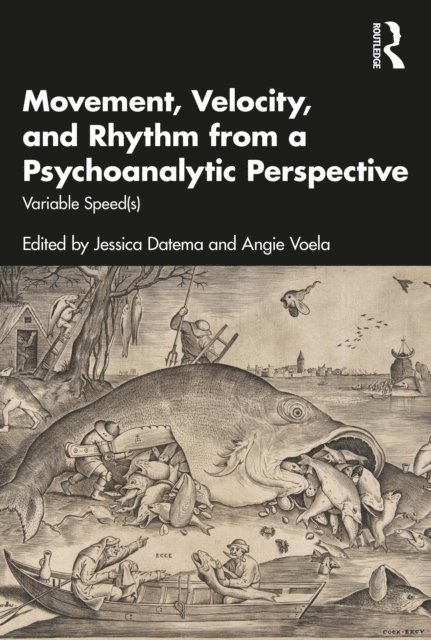
Movement, Velocity, and Rhythm from a Psychoanalytic Perspective
Variable Speed(s)
Av Angie Voela, Jessica Datema
E-bok, 2022
610 kr
Lägg i varukorg
Movement, Velocity, and Rhythm from a Psychoanalytic Perspective: Variable Speed(s) explores philosophical and psychoanalytic theories, as well as artworks, that show sensible bodily rituals for reviving our social and subjective lives. With a wide range of contributors from interdisciplinary …
Movement, Velocity, and Rhythm from a Psychoanalytic Perspective
Variable Speed(s)
Av Angie Voela, Jessica Datema
E-bok, 2022
610 kr
Lägg i varukorg
Movement, Velocity, and Rhythm from a Psychoanalytic Perspective: Variable Speed(s) explores philosophical and psychoanalytic theories, as well as artworks, that show sensible bodily rituals for reviving our social and subjective lives. With a wide range of contributors from interdisciplinary …
Movement, Velocity, and Rhythm from a Psychoanalytic Perspective
Variable Speed(s)
Av Jessica Datema, Angie Voela
Inbunden, 2022
2126 kr
Lägg i varukorg
Movement, Velocity, and Rhythm from a Psychoanalytic Perspective: Variable Speed(s) explores philosophical and psychoanalytic theories, as well as artworks, that show sensible bodily rituals for reviving our social and subjective lives. With a wide range of contributors from interdisciplinary …
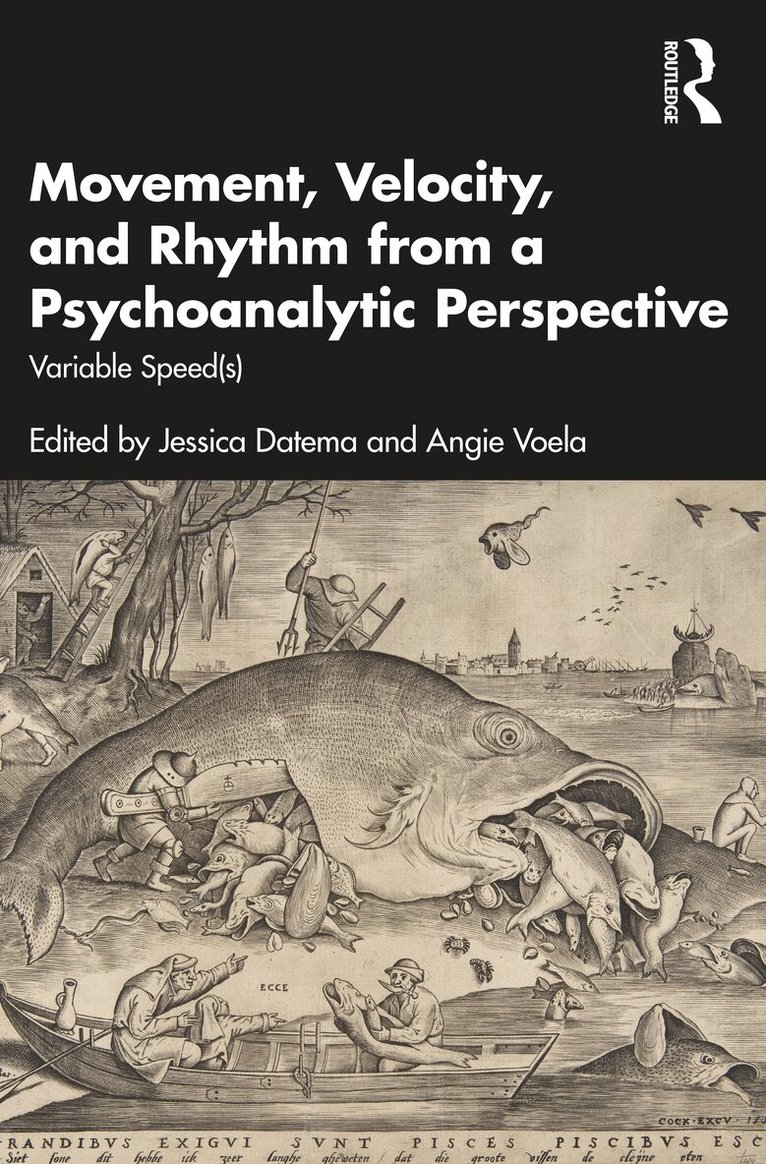
Movement, Velocity, and Rhythm from a Psychoanalytic Perspective
Variable Speed(s)
Av Jessica Datema, Angie Voela
Häftad, 2022
530 kr
Lägg i varukorg
Movement, Velocity, and Rhythm from a Psychoanalytic Perspective: Variable Speed(s) explores philosophical and psychoanalytic theories, as well as artworks, that show sensible bodily rituals for reviving our social and subjective lives. With a wide range of contributors from interdisciplinary …
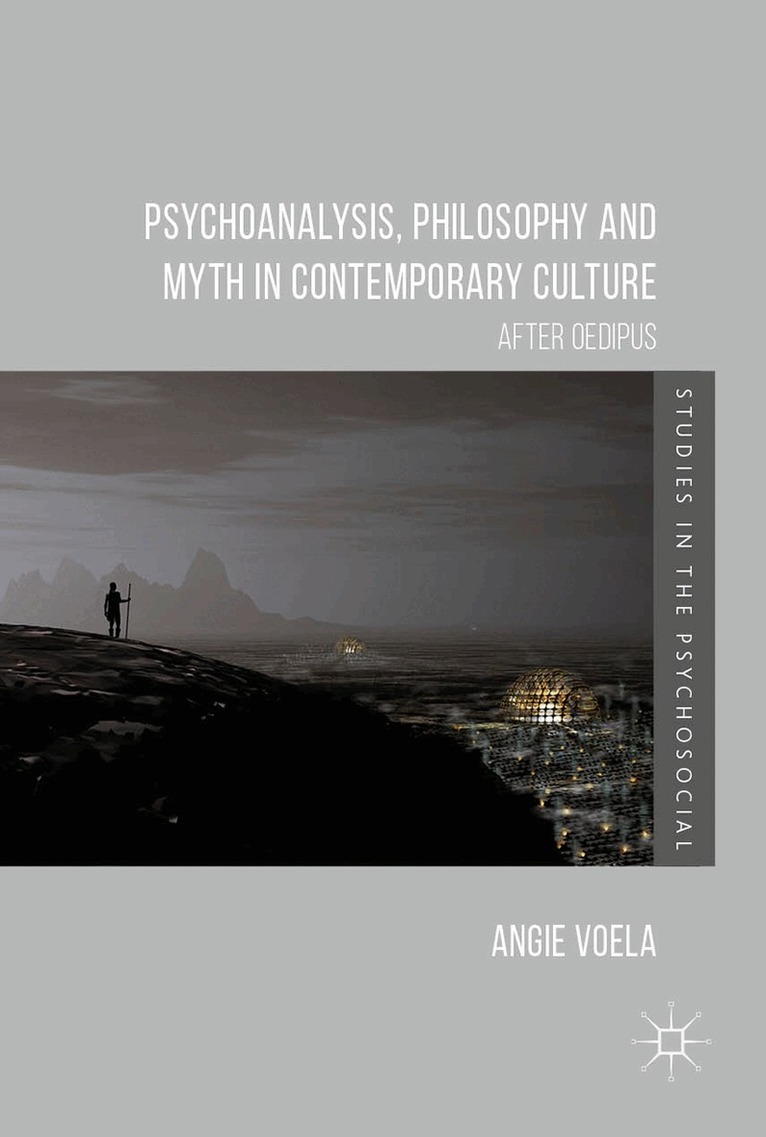
Psychoanalysis, Philosophy and Myth in Contemporary Culture
After Oedipus
Av Angie Voela
Inbunden, 2017
986 kr
Lägg i varukorg
This book examines the use of myth in contemporary popular and high culture, and proposes that the aporetic subject, the individual that ‘does not know’, is the ideal contemporary subject. Using several contemporary novels, films and theatrical plays that illustrate aporia – such as Percy Jackson …
Psychoanalysis, Philosophy and Myth in Contemporary Culture
After Oedipus
Av Angie Voela
E-bok, 2017
1377 kr
Lägg i varukorg
This book examines the use of myth in contemporary popular and high culture, and proposes that the aporetic subject, the individual that ‘does not know’, is the ideal contemporary subject. Using several contemporary novels, films and theatrical plays that illustrate aporia – such as Percy Jackson …
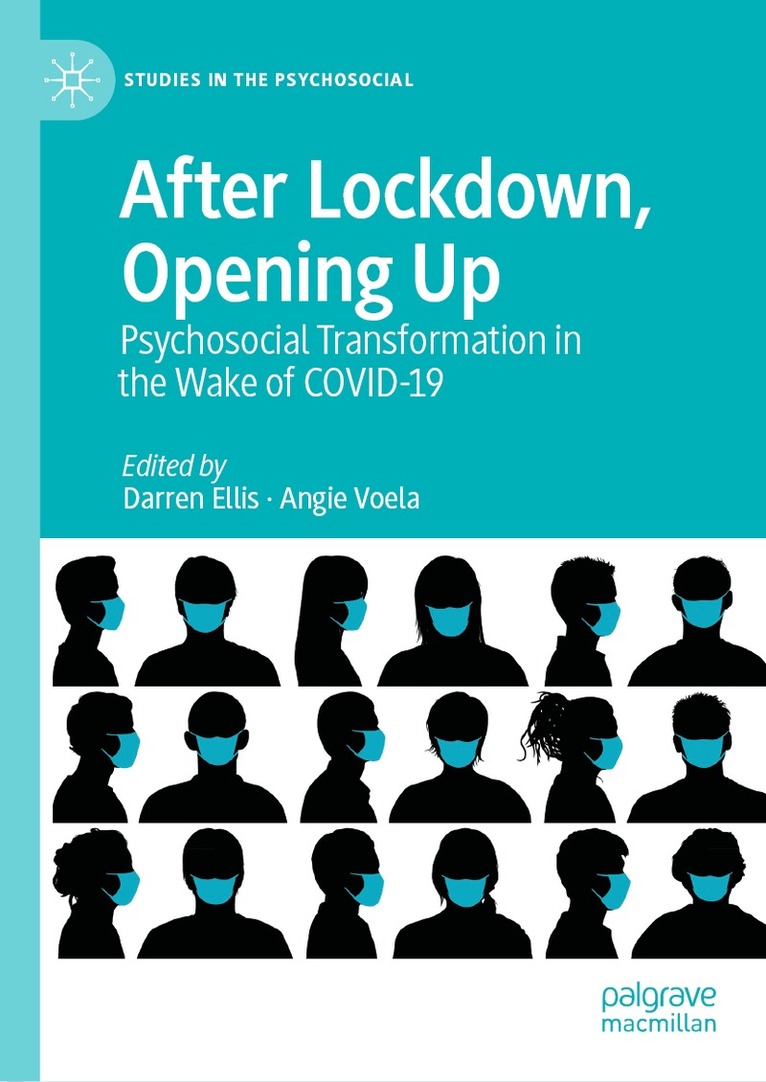
After Lockdown, Opening Up
Psychosocial Transformation in the Wake of COVID-19
Inbunden, 2021
1580 kr
Lägg i varukorg
This edited volume examines the psychosocial transformations experienced during the COVID-19 pandemic and lockdown, and envisions those that might lead to a more equitable society as we ‘open up’. The book integrates psychoanalysis, sociology, cultural studies, and psychology to address three main …
After Lockdown, Opening Up
Psychosocial Transformation in the Wake of COVID-19
E-bok, 2021
2006 kr
Lägg i varukorg
This edited volume examines the psychosocial transformations experienced during the COVID-19 pandemic and lockdown, and envisions those that might lead to a more equitable society as we ‘open up’. The book integrates psychoanalysis, sociology, cultural studies, and psychology to address three main …