Angus J.L. Winchester – författare
Visar alla böcker från författaren Angus J.L. Winchester. Handla med fri frakt och snabb leverans.
3 produkter
3 produkter
626 kr
Skickas inom 10-15 vardagar
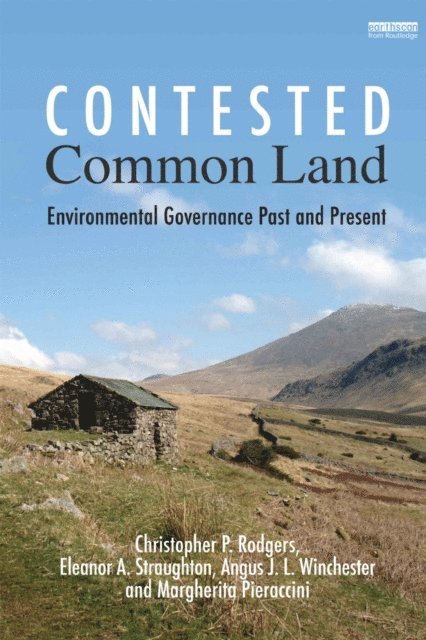
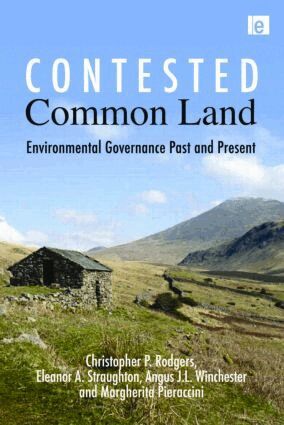
This innovative and interdisciplinary book makes a major contribution to common pool resource studies. It offers a new perspective on the sustainable governance of common resources, grounded in contemporary and archival research on the common lands of England and Wales - an important common resource with multiple, and often conflicting, uses. It encompasses ecologically sensitive environments and landscapes, is an important agricultural resource and provides public access to the countryside for recreation. Contested Common Land brings together historical and contemporary legal scholarship to examine the environmental governance of common land from c.1600 to the present day. It uses four case studies to illustrate the challenges presented by the sustainable management of common property from an interdisciplinary perspective - from the Lake District, Yorkshire Dales, North Norfolk coast and the Cambrian Mountains. These demonstrate that cultural assumptions concerning the value of common land have changed across the centuries, with profound consequences for the law, land management, the legal expression of concepts of common 'property' rights and their exercise. The 'stakeholders' of today are the inheritors of this complex cultural legacy, and must negotiate diverse and sometimes conflicting objectives in their pursuit of a potentially unifying goal: a secure and sustainable future for the commons.The book also has considerable contemporary relevance, providing a timely contribution to discussion of strategies for the implementation of the Commons Act of 2006. The case studies position the new legislation in England and Wales within the wider context of institutional scholarship on the governance principles for successful common pool resource management, and the rejection of the 'tragedy of the commons'.
177 kr
Skickas
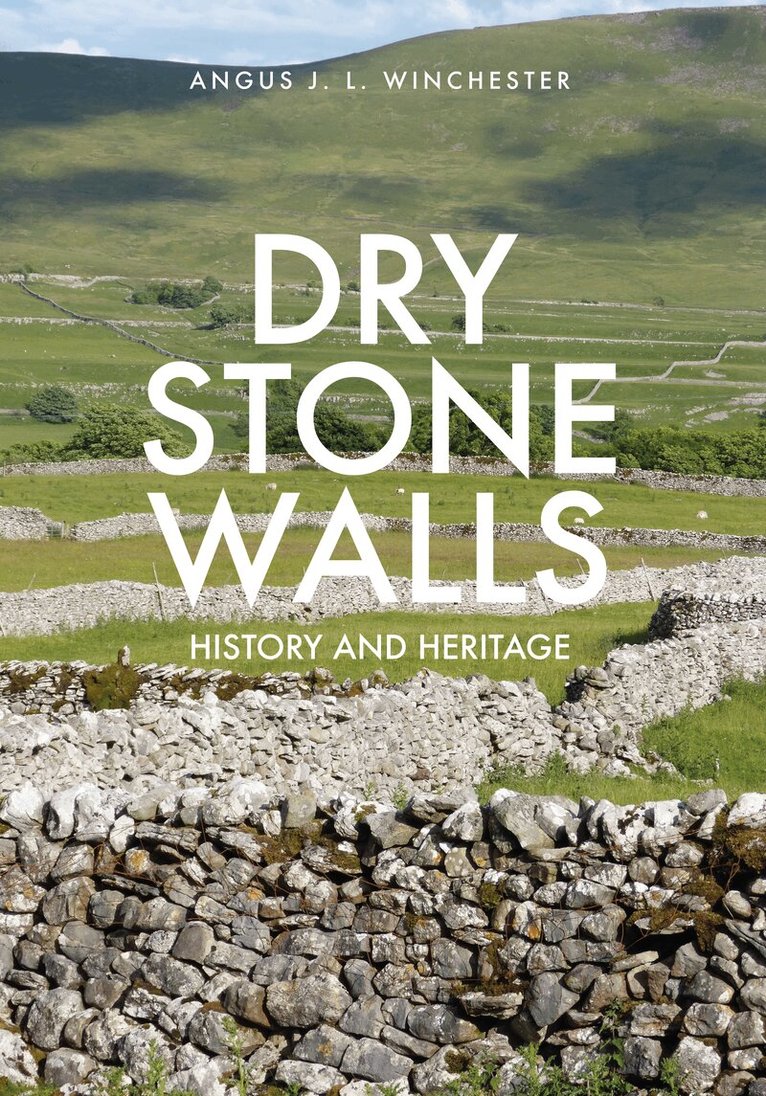
Dry stone walls create much of the character of upland landscapes across Britain. How do we go about dating dry stone walls? Why were they built and by whom? This book seeks answers to these questions and also suggests how walls themselves may be ‘read’ as historical evidence, shedding light on past farming practice and the history of local communities.The first part of the book traces the history of dry stone walls from medieval times to the present. The standard form of most dry stone walls probably dates from Tudor times but the great era of wall-building in the uplands took place comparatively recently, in the eighteenth and nineteenth centuries. There are numerous regional variations: ‘Galloway dykes’ in south-west Scotland; stone slab fences, found from Orkney to mid-Wales; ‘consumption’ walls, built to absorb vast quantities of stone from the fields.The second part of the book looks at dry stone walls as part of Britain’s cultural heritage. The walls themselves contain evidence of why they were built and how they functioned as part of the hill farming system. They sometimes preserve information about their builders and owners or evidence of lost features in the landscape.
1 964 kr
Skickas inom 10-15 vardagar
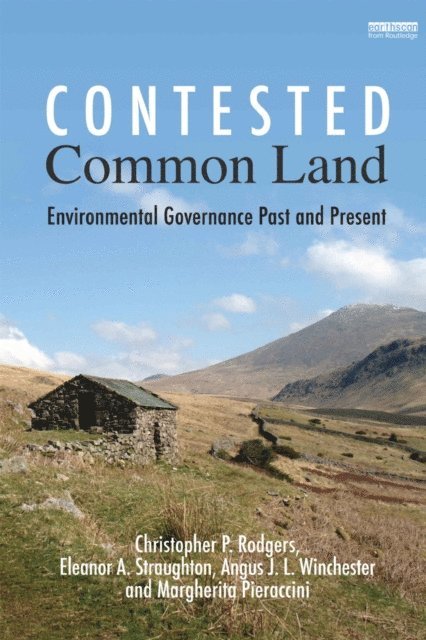
This innovative and interdisciplinary book makes a major contribution to common pool resource studies. It offers a new perspective on the sustainable governance of common resources, grounded in contemporary and archival research on the common lands of England and Wales - an important common resource with multiple, and often conflicting, uses. It encompasses ecologically sensitive environments and landscapes, is an important agricultural resource and provides public access to the countryside for recreation. Contested Common Land brings together historical and contemporary legal scholarship to examine the environmental governance of common land from c.1600 to the present day. It uses four case studies to illustrate the challenges presented by the sustainable management of common property from an interdisciplinary perspective - from the Lake District, Yorkshire Dales, North Norfolk coast and the Cambrian Mountains. These demonstrate that cultural assumptions concerning the value of common land have changed across the centuries, with profound consequences for the law, land management, the legal expression of concepts of common 'property' rights and their exercise. The 'stakeholders' of today are the inheritors of this complex cultural legacy, and must negotiate diverse and sometimes conflicting objectives in their pursuit of a potentially unifying goal: a secure and sustainable future for the commons.The book also has considerable contemporary relevance, providing a timely contribution to discussion of strategies for the implementation of the Commons Act of 2006. The case studies position the new legislation in England and Wales within the wider context of institutional scholarship on the governance principles for successful common pool resource management, and the rejection of the 'tragedy of the commons'.