Animesh Roy – författare
Visar alla böcker från författaren Animesh Roy. Handla med fri frakt och snabb leverans.
4 produkter
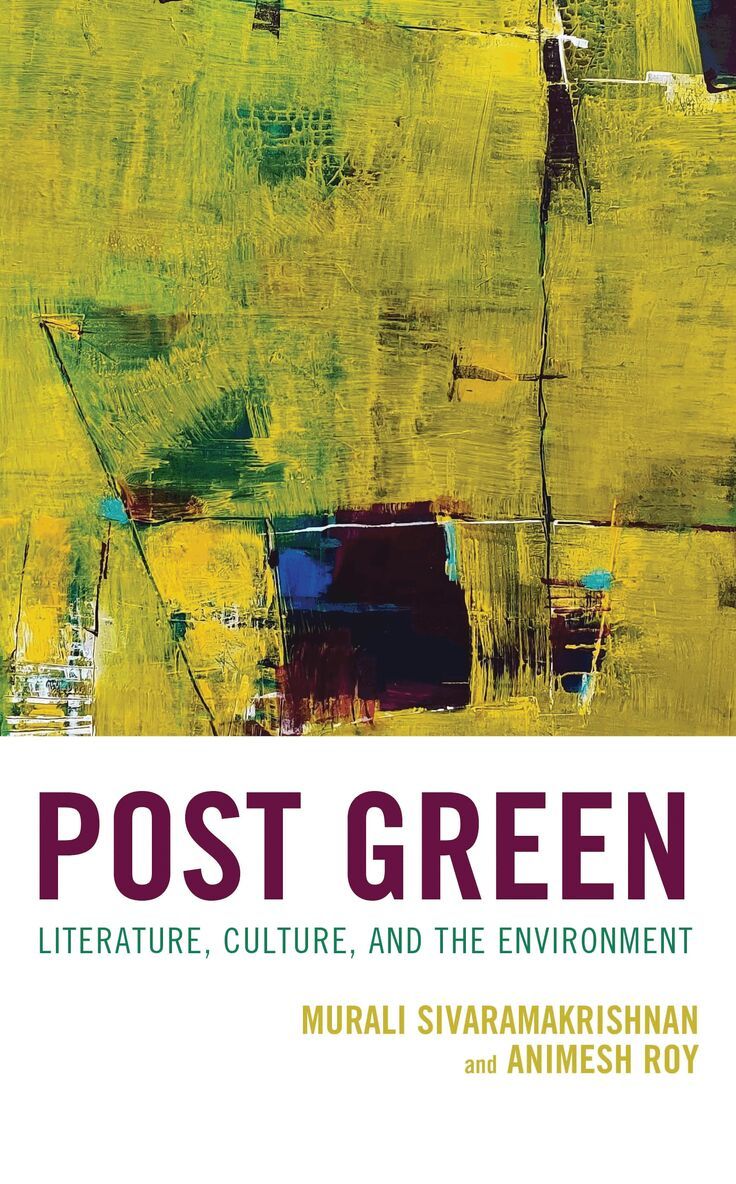
Post Green
Literature, Culture, and the Environment
Av Murali Sivaramakrishnan, Animesh Roy
Inbunden, 2023
1304 kr
Lägg i varukorg
The idea in Post Green: Literature, Culture, and the Environment is not to create another binary like East/West, but rather a call for a shift in the order of perception. The contributors signal a movement from the conventional understanding of green thinking—acknowledging human-centered …
Ibero-American Perspective on Narratives of Pandemics
Av Zélia M. Bora, Animesh Roy m. fl.
Inbunden, 2023
1168 kr
Lägg i varukorg
An Ibero-American Perspective on Narratives of Pandemics is a critique of the realities of the pandemic in the Ibero-American world and its intertwined relationship with the environment. Through a critical gaze into the history of the region as it has evolved through periods of socio-environmental …
Earth of One's Own: Eco-cognizance and Environmental Justice
Av Clara Shu-Chun Chang, Kathryn Yalan Chang m. fl.
Inbunden, 2026
1337 kr
Lägg i varukorg
Earth of One's Own: Eco-cognizance and Environmental Justice
Eco-cognizance and Environmental Justice
Av Clara Shu-Chun Chang, Kathryn Yalan Chang m. fl.
Häftad, 2026
926 kr
Lägg i varukorg