Anita Casavantes Bradford – författare
Visar alla böcker från författaren . Handla med fri frakt och snabb leverans.
10 produkter
10 produkter
Häftad, Engelska, 2014
461 kr
Skickas inom 10-15 vardagar
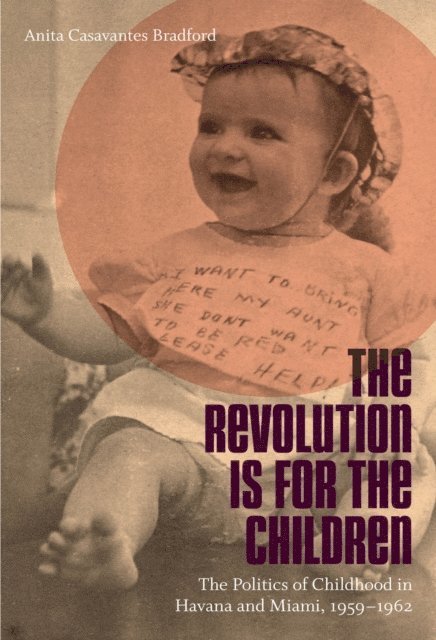
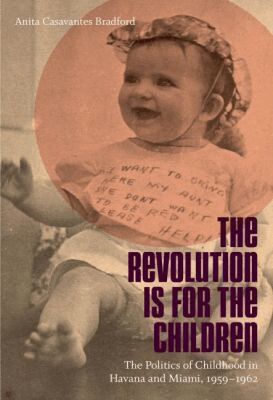
Since 1959, the Cuban revolutionary government has proudly proclaimed that ""the revolution is for the children."" Many Cuban Americans reject this claim, asserting that they chose exile in the United States to protect their children from the evils of ""Castro-communism."" Anita Casavantes Bradford's analysis of the pivotal years between the Revolution's triumph and the 1962 Missile Crisis uncovers how and when children were first pressed into political service by ideologically opposed Cuban communities on both sides of the Florida Straits. Casavantes Bradford argues that, in Havana, the Castro government deployed a morally charged ""politics of childhood"" to steer a nationalist and reformist revolution toward socialism. At the same time, Miami exile leaders put children at the heart of efforts to mobilise opposition to Castro's regime and to link the well-being of Cuban refugees to U.S. Cold War foreign policy objectives. Casavantes Bradford concludes that the 1999 Elían González custody battle was the most notorious recent manifestation of the ongoing struggle to define and control Cuban childhood, revealing the persistent centrality of children to Cuban politics and national identity.
E-bok
Engelska, 20141 472 kr
Läs direkt efter köp
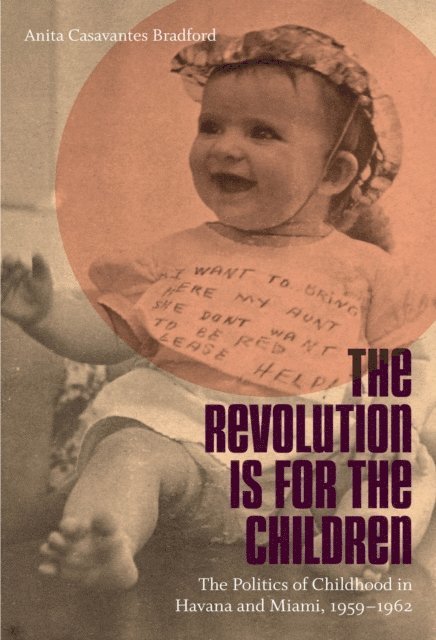
Since 1959, the Cuban revolutionary government has proudly proclaimed that “the revolution is for the children.” Many Cuban Americans reject this claim, asserting that they chose exile in the United States to protect their children from the evils of “Castro-communism.” Anita Casavantes Bradford’s analysis of the pivotal years between the Revolution’s triumph and the 1962 Missile Crisis uncovers how and when children were first pressed into political service by ideologically opposed Cuban communities on both sides of the Florida Straits.Casavantes Bradford argues that, in Havana, the Castro government deployed a morally charged “politics of childhood” to steer a nationalist and reformist revolution toward socialism. At the same time, Miami exile leaders put children at the heart of efforts to mobilize opposition to Castro’s regime and to link the well-being of Cuban refugees to U.S. Cold War foreign policy objectives. Casavantes Bradford concludes that the 1999 Elián González custody battle was the most notorious recent manifestation of the ongoing struggle to define and control Cuban childhood, revealing the persistent centrality of children to Cuban politics and national identity.
E-bok
Engelska, 2014347 kr
Läs direkt efter köp
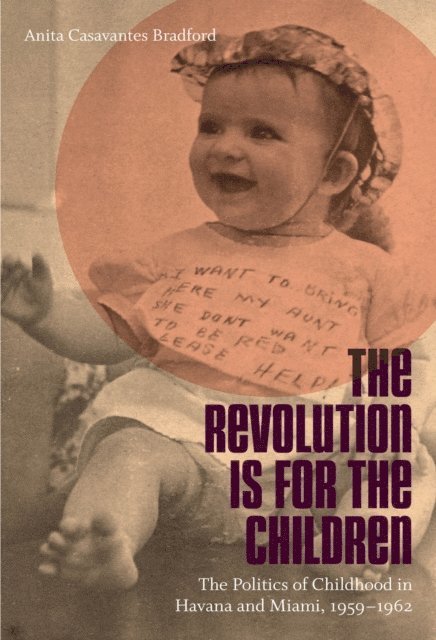
Since 1959, the Cuban revolutionary government has proudly proclaimed that “the revolution is for the children.” Many Cuban Americans reject this claim, asserting that they chose exile in the United States to protect their children from the evils of “Castro-communism.” Anita Casavantes Bradford’s analysis of the pivotal years between the Revolution’s triumph and the 1962 Missile Crisis uncovers how and when children were first pressed into political service by ideologically opposed Cuban communities on both sides of the Florida Straits.Casavantes Bradford argues that, in Havana, the Castro government deployed a morally charged “politics of childhood” to steer a nationalist and reformist revolution toward socialism. At the same time, Miami exile leaders put children at the heart of efforts to mobilize opposition to Castro’s regime and to link the well-being of Cuban refugees to U.S. Cold War foreign policy objectives. Casavantes Bradford concludes that the 1999 Elián González custody battle was the most notorious recent manifestation of the ongoing struggle to define and control Cuban childhood, revealing the persistent centrality of children to Cuban politics and national identity.
Inbunden, Engelska, 2022
1 256 kr
Skickas inom 10-15 vardagar
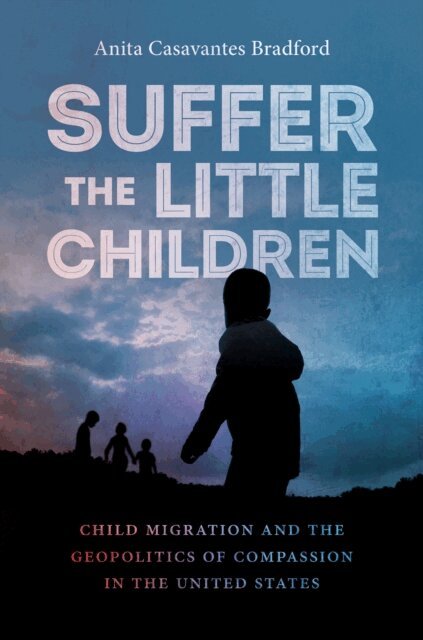
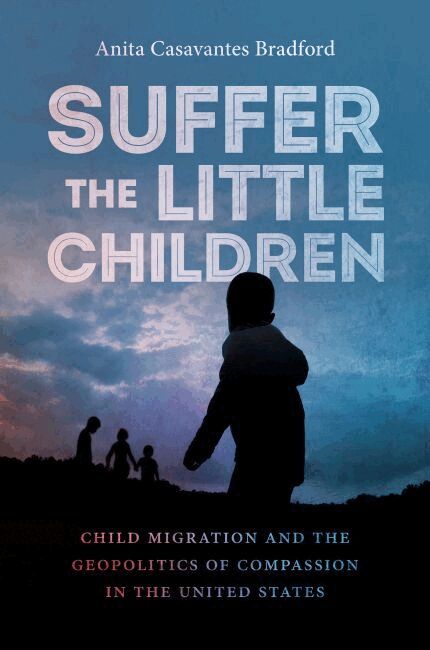
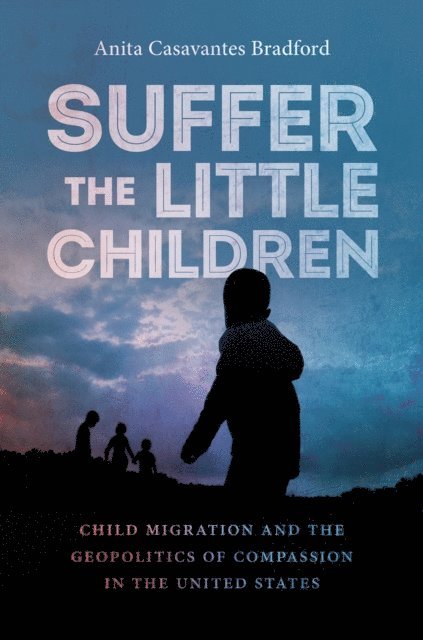
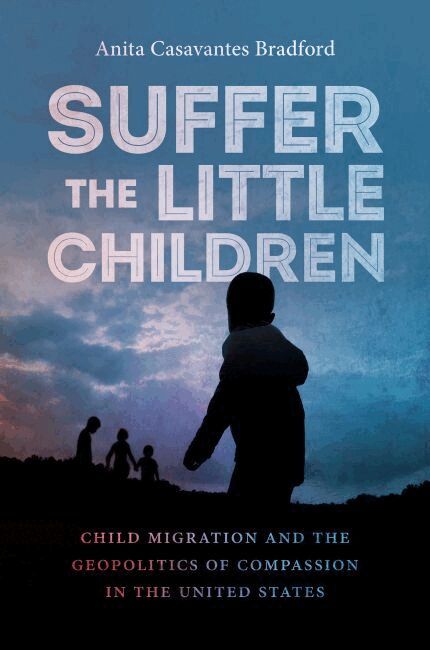
In this affecting and innovative global history—starting with the European children who fled the perils of World War II and ending with the Central American children who arrive every day at the U.S. southern border—Anita Casavantes Bradford traces the evolution of American policy toward unaccompanied children. At first a series of ad hoc Cold War-era initiatives, such policy grew into a more broadly conceived set of programs that claim universal humanitarian goals. But the cold reality is that decisions about which endangered minors are allowed entry to the United States have always been and continue to be driven primarily by a "geopolitics of compassion" that imagines these children essentially as tools of political statecraft.Even after the creation of the Unaccompanied Refugee Minors program in 1980, the federal government has failed to see migrant children as individual rights-bearing subjects. The claims of these children, especially those who are poor, nonwhite, and non-Christian, continue to be evaluated not in terms of their unique circumstances but rather in terms of broader implications for migratory flows from their homelands. This book urgently demonstrates that U.S. policy must evolve in order to ameliorate the desperate needs of unaccompanied children.
E-bok
Engelska, 20222 337 kr
Läs direkt efter köp
In this affecting and innovative global history—starting with the European children who fled the perils of World War II and ending with the Central American children who arrive every day at the U.S. southern border—Anita Casavantes Bradford traces the evolution of American policy toward unaccompanied children. At first a series of ad hoc Cold War–era initiatives, such policy grew into a more broadly conceived set of programs that claim universal humanitarian goals. But the cold reality is that decisions about which endangered minors are allowed entry to the United States have always been and continue to be driven primarily by a “geopolitics of compassion” that imagines these children essentially as tools of political statecraft.Even after the creation of the Unaccompanied Refugee Minors program in 1980, the federal government has failed to see migrant children as individual rights-bearing subjects. The claims of these children, especially those who are poor, nonwhite, and non-Christian, continue to be evaluated not in terms of their unique circumstances but rather in terms of broader implications for migratory flows from their homelands. This book urgently demonstrates that U.S. policy must evolve in order to ameliorate the desperate needs of unaccompanied children.
Häftad, Engelska, 2022
329 kr
Skickas inom 5-8 vardagar
In this affecting and innovative global history—starting with the European children who fled the perils of World War II and ending with the Central American children who arrive every day at the U.S. southern border—Anita Casavantes Bradford traces the evolution of American policy toward unaccompanied children. At first a series of ad hoc Cold War-era initiatives, such policy grew into a more broadly conceived set of programs that claim universal humanitarian goals. But the cold reality is that decisions about which endangered minors are allowed entry to the United States have always been and continue to be driven primarily by a "geopolitics of compassion" that imagines these children essentially as tools of political statecraft.Even after the creation of the Unaccompanied Refugee Minors program in 1980, the federal government has failed to see migrant children as individual rights-bearing subjects. The claims of these children, especially those who are poor, nonwhite, and non-Christian, continue to be evaluated not in terms of their unique circumstances but rather in terms of broader implications for migratory flows from their homelands. This book urgently demonstrates that U.S. policy must evolve in order to ameliorate the desperate needs of unaccompanied children.
E-bok
PDF, Engelska, 20141 119 kr
Läs direkt efter köp
Since 1959, the Cuban revolutionary government has proudly proclaimed that “the revolution is for the children.” Many Cuban Americans reject this claim, asserting that they chose exile in the United States to protect their children from the evils of “Castro-communism.” Anita Casavantes Bradford’s analysis of the pivotal years between the Revolution’s triumph and the 1962 Missile Crisis uncovers how and when children were first pressed into political service by ideologically opposed Cuban communities on both sides of the Florida Straits.Casavantes Bradford argues that, in Havana, the Castro government deployed a morally charged “politics of childhood” to steer a nationalist and reformist revolution toward socialism. At the same time, Miami exile leaders put children at the heart of efforts to mobilize opposition to Castro’s regime and to link the well-being of Cuban refugees to U.S. Cold War foreign policy objectives. Casavantes Bradford concludes that the 1999 Elián González custody battle was the most notorious recent manifestation of the ongoing struggle to define and control Cuban childhood, revealing the persistent centrality of children to Cuban politics and national identity.
E-bok
PDF, Engelska, 2014306 kr
Läs direkt efter köp
Since 1959, the Cuban revolutionary government has proudly proclaimed that the revolution is for the children. Many Cuban Americans reject this claim, asserting that they chose exile in the United States to protect their children from the evils of Castro-communism. Anita Casavantes Bradfords analysis of the pivotal years between the Revolutions triumph and the 1962 Missile Crisis uncovers how and when children were first pressed into political service by ideologically opposed Cuban communities on both sides of the Florida Straits.Casavantes Bradford argues that, in Havana, the Castro government deployed a morally charged politics of childhood to steer a nationalist and reformist revolution toward socialism. At the same time, Miami exile leaders put children at the heart of efforts to mobilize opposition to Castros regime and to link the well-being of Cuban refugees to U.S. Cold War foreign policy objectives. Casavantes Bradford concludes that the 1999 Elin Gonzlez custody battle was the most notorious recent manifestation of the ongoing struggle to define and control Cuban childhood, revealing the persistent centrality of children to Cuban politics and national identity.
E-bok
PDF, Engelska, 2022277 kr
Läs direkt efter köp
In this affecting and innovative global history—starting with the European children who fled the perils of World War II and ending with the Central American children who arrive every day at the U.S. southern border—Anita Casavantes Bradford traces the evolution of American policy toward unaccompanied children. At first a series of ad hoc Cold War–era initiatives, such policy grew into a more broadly conceived set of programs that claim universal humanitarian goals. But the cold reality is that decisions about which endangered minors are allowed entry to the United States have always been and continue to be driven primarily by a “geopolitics of compassion” that imagines these children essentially as tools of political statecraft.Even after the creation of the Unaccompanied Refugee Minors program in 1980, the federal government has failed to see migrant children as individual rights-bearing subjects. The claims of these children, especially those who are poor, nonwhite, and non-Christian, continue to be evaluated not in terms of their unique circumstances but rather in terms of broader implications for migratory flows from their homelands. This book urgently demonstrates that U.S. policy must evolve in order to ameliorate the desperate needs of unaccompanied children.
E-bok
PDF, Engelska, 20221 903 kr
Läs direkt efter köp
In this affecting and innovative global history—starting with the European children who fled the perils of World War II and ending with the Central American children who arrive every day at the U.S. southern border—Anita Casavantes Bradford traces the evolution of American policy toward unaccompanied children. At first a series of ad hoc Cold War–era initiatives, such policy grew into a more broadly conceived set of programs that claim universal humanitarian goals. But the cold reality is that decisions about which endangered minors are allowed entry to the United States have always been and continue to be driven primarily by a “geopolitics of compassion” that imagines these children essentially as tools of political statecraft.Even after the creation of the Unaccompanied Refugee Minors program in 1980, the federal government has failed to see migrant children as individual rights-bearing subjects. The claims of these children, especially those who are poor, nonwhite, and non-Christian, continue to be evaluated not in terms of their unique circumstances but rather in terms of broader implications for migratory flows from their homelands. This book urgently demonstrates that U.S. policy must evolve in order to ameliorate the desperate needs of unaccompanied children.