Anju Malik - Böcker
Visar alla böcker från författaren Anju Malik. Handla med fri frakt och snabb leverans.
4 produkter
4 produkter
2 155 kr
Skickas inom 10-15 vardagar
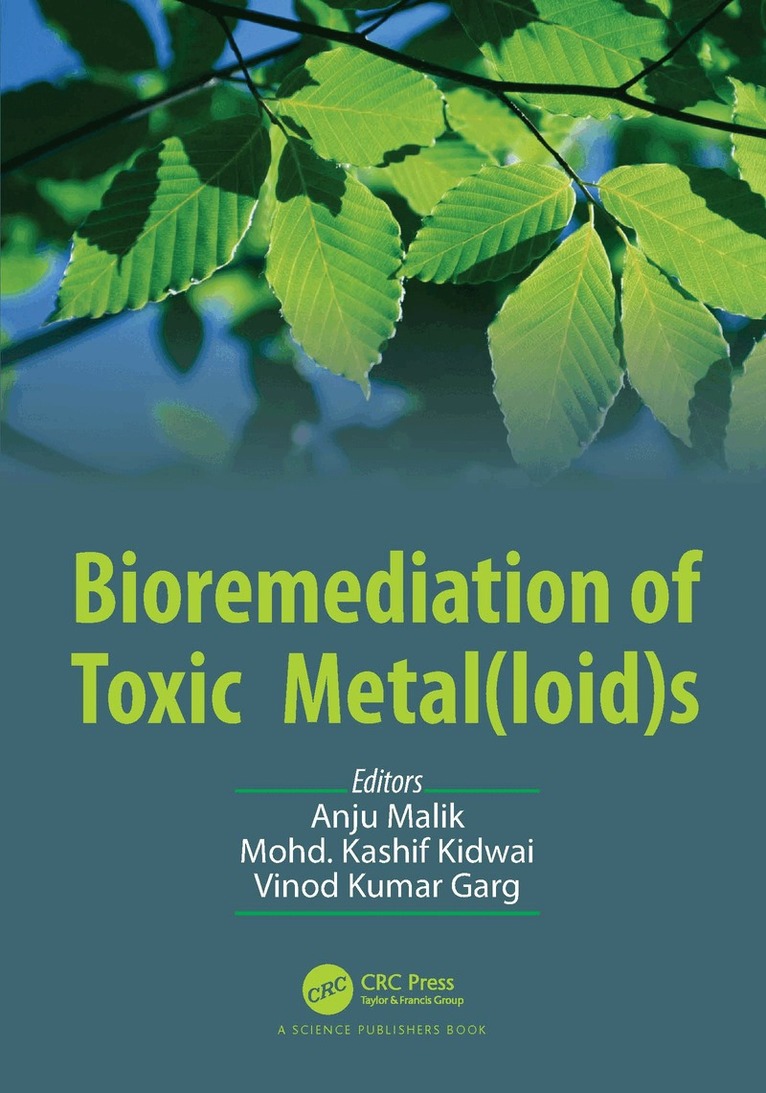
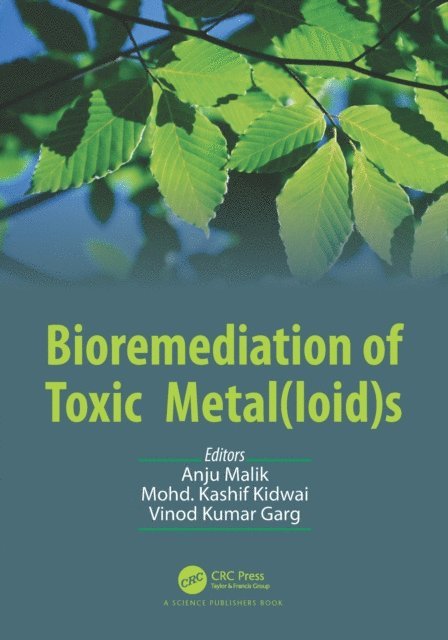
The book, Bioremediation of Toxic Metal(loid)s, describes the state-of-the-art and potential of emerging technologies on bioremediation of toxic metal(loid)s. It has a compilation of the available comprehensive knowledge of the fundamentals and advancements in the field of bioremediation of toxic metal(loid)s. The mechanisms, applications, and current advancements of various bioremediation strategies used for metal(loid)s have been described in 21 chapters contributed by leading experts from different institutes, universities, and research laboratories from various countries across the globe including Argentina, Canada, Chile, Colombia, France, India, Japan, Republic of Korea, the United Kingdom, and the United States of America. This book offers a bird’s eye view on various bioremediation technologies based on a variety of biological agents viz. plants, bacteria, algae, fungi etc., used for environmental clean-up of toxic metal(loid)s.
834 kr
Skickas inom 10-15 vardagar
The book, Bioremediation of Toxic Metal(loid)s, describes the state-of-the-art and potential of emerging technologies on bioremediation of toxic metal(loid)s. It has a compilation of the available comprehensive knowledge of the fundamentals and advancements in the field of bioremediation of toxic metal(loid)s. The mechanisms, applications, and current advancements of various bioremediation strategies used for metal(loid)s have been described in 21 chapters contributed by leading experts from different institutes, universities, and research laboratories from various countries across the globe including Argentina, Canada, Chile, Colombia, France, India, Japan, Republic of Korea, the United Kingdom, and the United States of America. This book offers a bird’s eye view on various bioremediation technologies based on a variety of biological agents viz. plants, bacteria, algae, fungi etc., used for environmental clean-up of toxic metal(loid)s.
2 222 kr
Skickas inom 10-15 vardagar
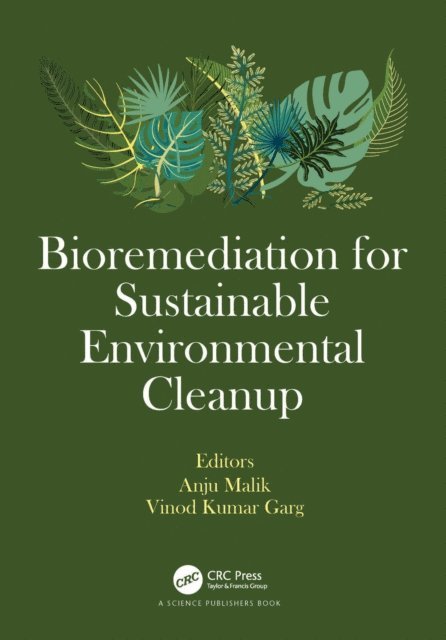
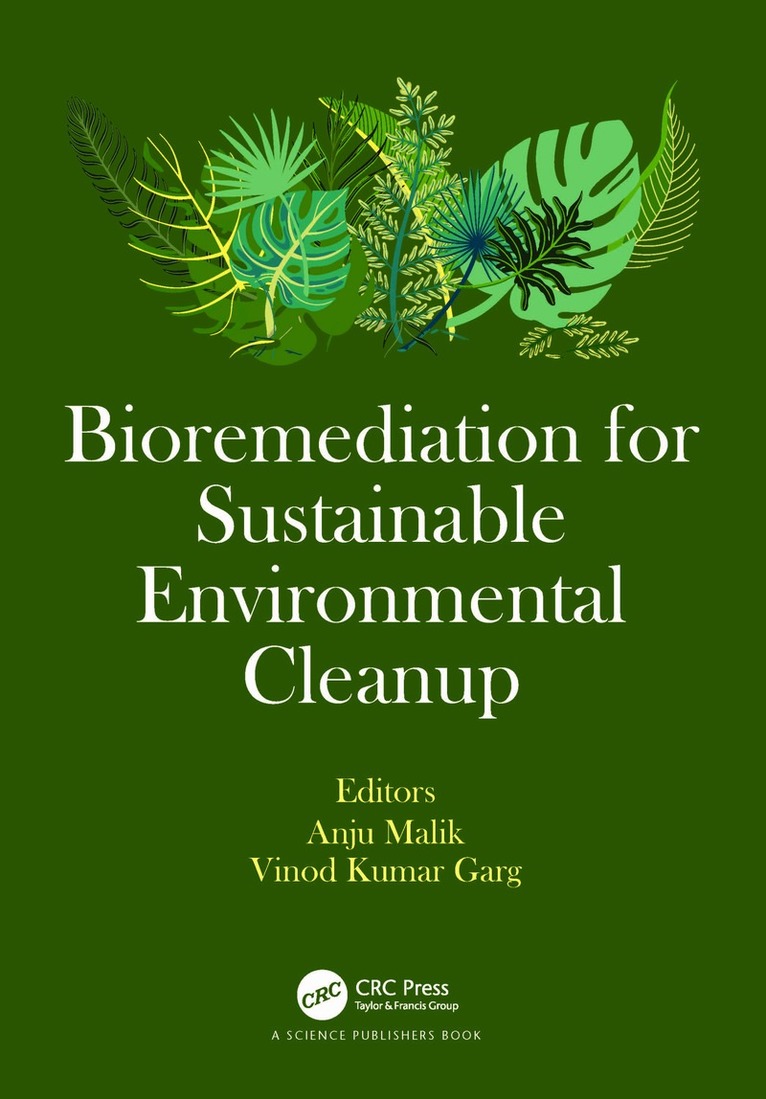
The present book, Bioremediation for Sustainable Environmental Cleanup, has a compilation of seventeen chapters comprehensively describing the state-of-the-art on emerging bioremediation approaches employed for sustainable environmental clean-up of diverse environmental pollutants such as metal(loid)s, polycyclic aromatic hydrocarbons, dyes, pesticides, petroleum hydrocarbons, etc., by using bacteria, fungi, algae, higher plants, and novel materials like biohybrids, nano-biomaterials, and graphitic carbon nitride (g-C3N4). Different bioremediation strategies such as biosorption, bioprecipitation, bioaccumulation, biodegradation, biotransformation etc. have been described in detail. The emphasis throughout, however, is on sustainable environmental clean-up. Eminent researchers from various countries located in diverse geographical areas, including Argentina, Canada, Germany, India, Pakistan, South Africa, the United Kingdom, and the United States of America, have contributed towards the chapters of this book.
820 kr
Skickas inom 10-15 vardagar
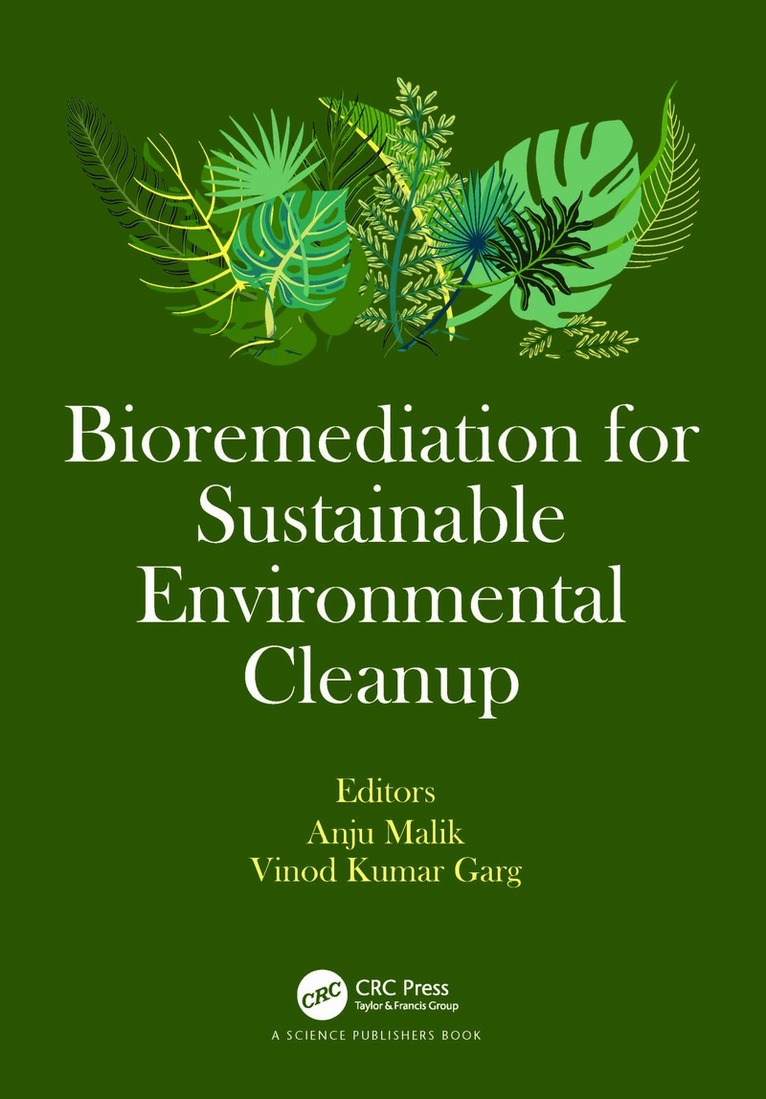
The present book, Bioremediation for Sustainable Environmental Cleanup, has a compilation of seventeen chapters comprehensively describing the state-of-the-art on emerging bioremediation approaches employed for sustainable environmental clean-up of diverse environmental pollutants such as metal(loid)s, polycyclic aromatic hydrocarbons, dyes, pesticides, petroleum hydrocarbons, etc., by using bacteria, fungi, algae, higher plants, and novel materials like biohybrids, nano-biomaterials, and graphitic carbon nitride (g-C3N4). Different bioremediation strategies such as biosorption, bioprecipitation, bioaccumulation, biodegradation, biotransformation etc. have been described in detail. The emphasis throughout, however, is on sustainable environmental clean-up. Eminent researchers from various countries located in diverse geographical areas, including Argentina, Canada, Germany, India, Pakistan, South Africa, the United Kingdom, and the United States of America, have contributed towards the chapters of this book.