Anke Kempkes – författare
Visar alla böcker från författaren Anke Kempkes. Handla med fri frakt och snabb leverans.
3 produkter
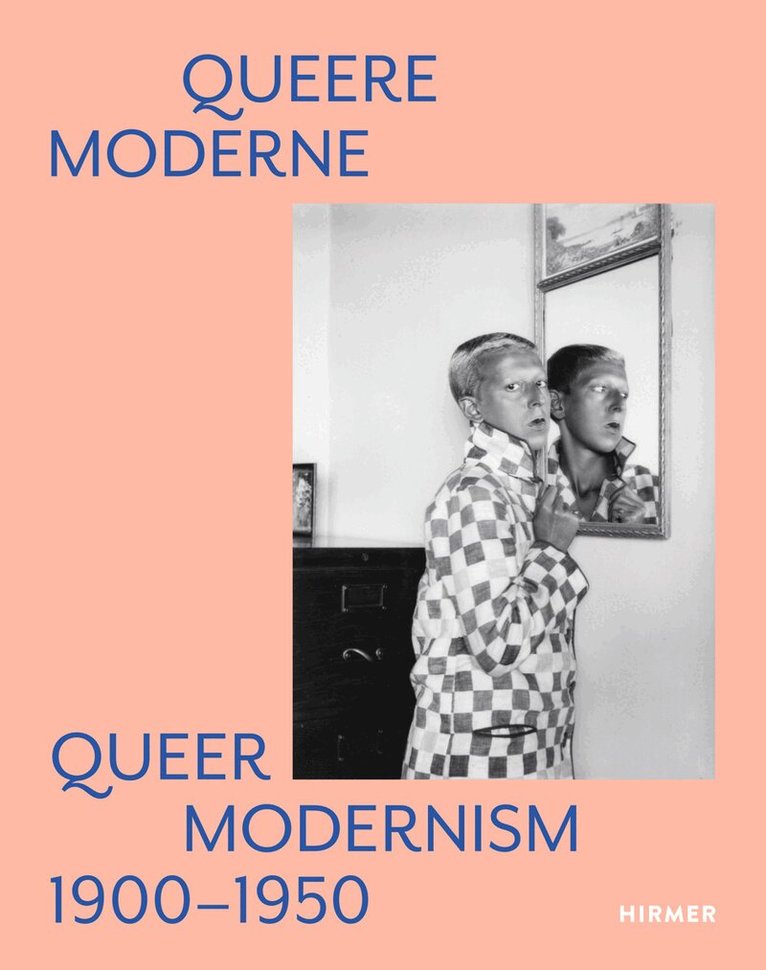
Queer Modernism
1900–1950
Av Susanne Gaensheimer, Isabelle Malz m. fl.
Inbunden, 2025
455 kr
Lägg i varukorg
Desire, eroticism, playing with gender – these qualities in the works of queer artists are not regarded here as external to the creative process, but rather as foundational. By approaching the art through a perspective of queer aesthetics, the aim is to discover the visual worlds of hitherto …
Bahman Mohassess
Av Bahman Mohassess, Anke Kempkes
Häftad, 2026
505 kr
Kommande
First major survey on Bahman MohassessBahman Mohassess conceived his lifelong experimentation with collage as “assemblage”–an extension of the fractured figuration and charged materiality that shaped his paintings and sculptures. This publication repositions his assemblages as a radical laboratory …
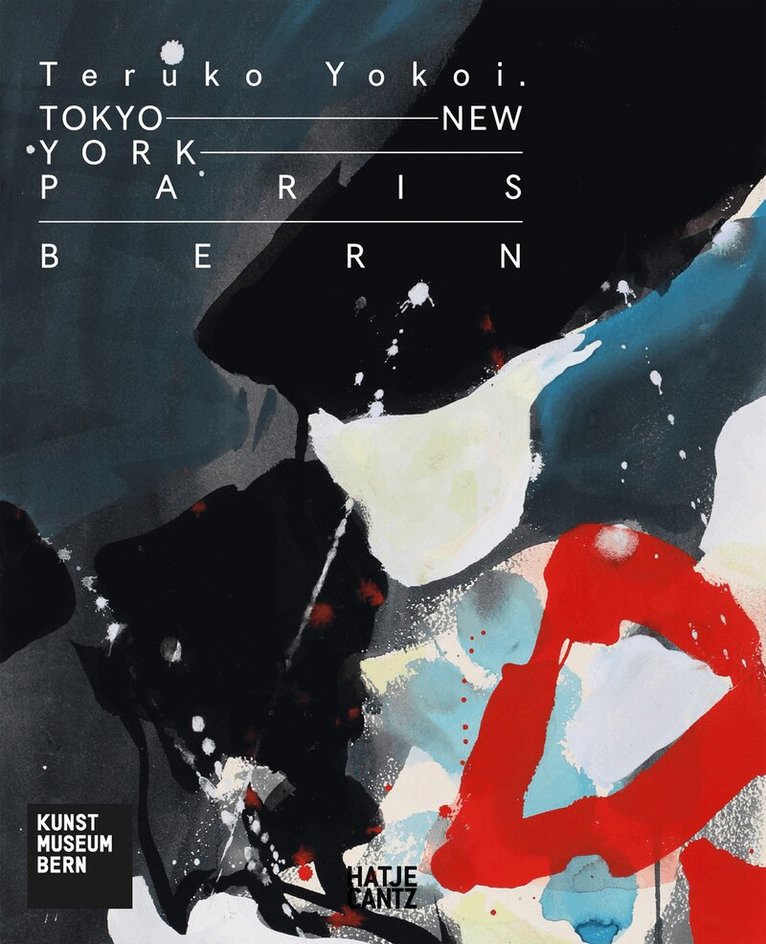
Teruko Yokoi
Tokyo - New York - Paris - Bern
Av Jean Francois Chevrier, Anke Kempkes m. fl.
Häftad, 2020
375 kr
Tillfälligt slut
What does it mean, not only to be an artist, but to become one? What does the quest for the personal artistic language consist of? The life and art of Japanese artist Teruko Yokoi provides some insight into this process. Teruko Yokoi: Tokyo—New York—Paris—Bern features the artist’s work from the …