Ankit Srivastava – författare
Visar alla böcker från författaren Ankit Srivastava. Handla med fri frakt och snabb leverans.
6 produkter
The Lean AI Handbook
Building, Deploying, and Scaling AI for Business Value
Av Ken Johnston, Ankit Srivastava m. fl.
Häftad, 2027
319 kr
Kommande
A hands-on framework that combines Lean, DataOps, MLOps, and cross functional delivery to ship AI from prototype to production with speed. AI projects fail more often, not because the math is hard, but because delivery is. The Lean AI Handbook shows leaders, analysts, and AI builders how to build, …
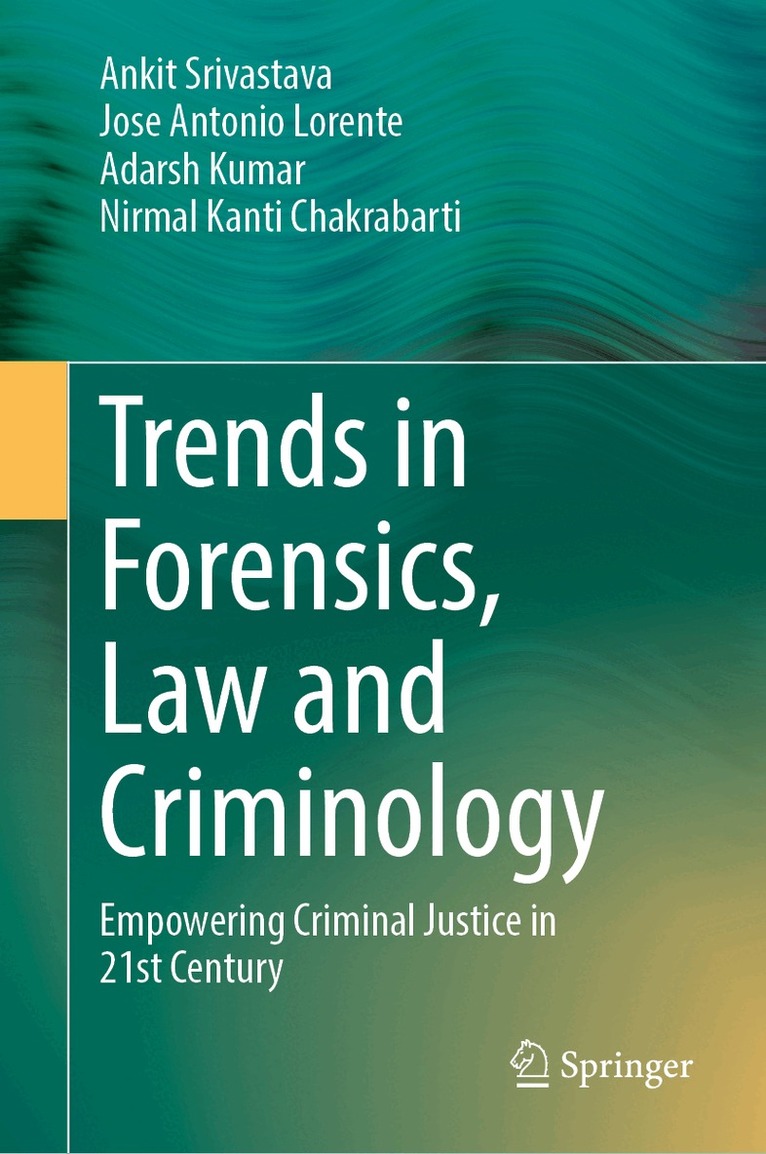
Trends in Forensics, Law and Criminology
Empowering Criminal Justice in 21st Century
Av Adarsh Kumar, Ankit Srivastava m. fl.
Inbunden, 2027
2613 kr
Kommande
This book showcases original work with practical implementation and comprehensive reviews for future developments. This book, titled, ‘Trends in Forensics, Law and Criminology: Empowering Criminal Justice in 21st Century’, the first of two volumes brings together eighteen original contributions …
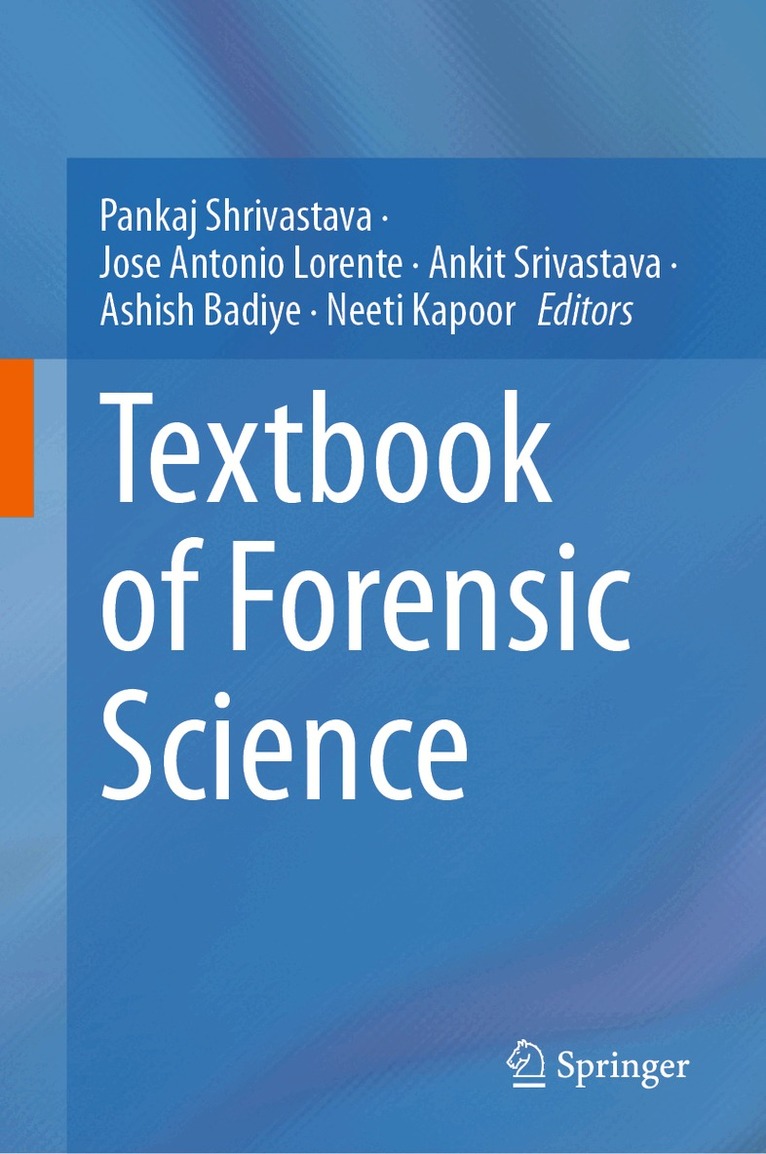
Textbook of Forensic Science
Av Pankaj Shrivastava, Jose Antonio Lorente m. fl.
Inbunden, 2023
1800 kr
Lägg i varukorg
This textbook provides essential and fundamental information to modern forensics investigations. It discusses criminalistics and crime scene aspects, including investigation, management, collecting and packaging various types of physical evidence, forwarding, and chain of custody. It presents …
Textbook of Forensic Science
Av Neeti Kapoor, Ashish Badiye m. fl.
E-bok, 2023
1723 kr
Lägg i varukorg
This textbook provides essential and fundamental information to modern forensics investigations. It discusses criminalistics and crime scene aspects, including investigation, management, collecting and packaging various types of physical evidence, forwarding, and chain of custody. It presents …
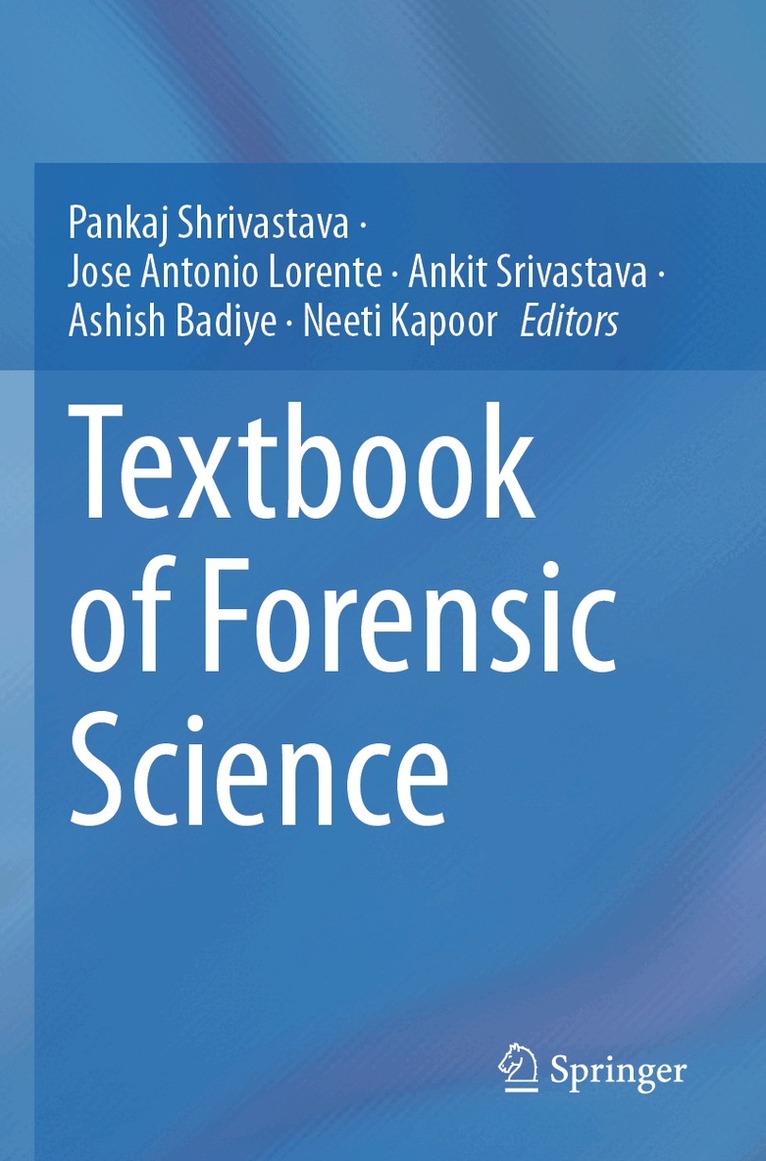
Textbook of Forensic Science
Av Pankaj Shrivastava, Jose Antonio Lorente m. fl.
Häftad, 2024
1352 kr
Lägg i varukorg
This textbook provides essential and fundamental information to modern forensics investigations. It discusses criminalistics and crime scene aspects, including investigation, management, collecting and packaging various types of physical evidence, forwarding, and chain of custody. It presents …