Ann Black - Böcker
Visar alla böcker från författaren Ann Black. Handla med fri frakt och snabb leverans.
4 produkter
4 produkter
1 805 kr
Skickas inom 7-10 vardagar
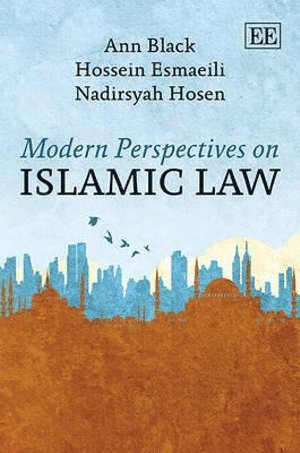
This well-informed book explains, reflects on and analyzes Islamic law, not only in the classical legal tradition of Sharia, but also its modern, contemporary context.The book explores the role of Islamic law in secular Western nations and reflects on the legal system of Islam in its classical context as applied in its traditional homeland of the Middle East and also in South East Asia. Written by three leading scholars from three different backgrounds: a Muslim in the Sunni tradition, a Muslim in the Shia tradition, and a non-Muslim woman - the book is not only unique, but also enriched by differing insights into Islamic law.Sir William Blair provides the foreword to a book which acknowledges that Islam continues to play a vital role not just in the Middle East but across the wider world, the discussion on which the authors embark is a crucial one.The book starts with an analysis of the nature of Islamic law, its concepts, meaning and sources, as well as its development in different stages of Islamic history. This is followed by accounts of how Islamic law is being practised today. Key modern institutions are discussed, such as the parliament, judiciary, dar al-ifta, political parties, and other important organizations. It continues by analysing some key concepts in our modern times: nation-state, citizenship, ummah, dhimmah (recognition of the status of certain non-Muslims in Islamic states), and the rule of law. The book investigates how in recent times, more and more fatwas are issued collectively rather than emanating from an individual scholar. The authors then evaluate how Islamic law deals with family matters, economics, crime, property and alternative dispute resolution. Lastly, the book revisits certain contemporary issues of debate in Islamic law such as the burqa, halal food, riba (interest) and apostasy.Modern Perspectives on Islamic Law will become a standard scholarly text on Islamic law. Its wide-ranging coverage will appeal to researchers and students of Islamic law, or Islamic studies in general. Legal practitioners will also be interested in the comparative aspects of Islamic law presented in this book.Contents: Foreword by The Honorable Sir William Blair Preface Prologue 1. The Nature of Law, and its Relationship with Religion, in Islam 2. Islamic Law and Institutions 3. Seeing a Western Nation through Muslim Eyes: Citizenship and the Sharia in Modern Nation-states 4. Fatwa and Muftis 5. Islamic Family Law 6. Mediation, Arbitration and Islamic Alternative Dispute Resolution 7. Islamic Law and Economics 8. Property Rights, Inheritance Law and Trusts (waqf) 9. Islamic Criminal Law 10. Contemporary Debates On and Within Islam Epilogue Index
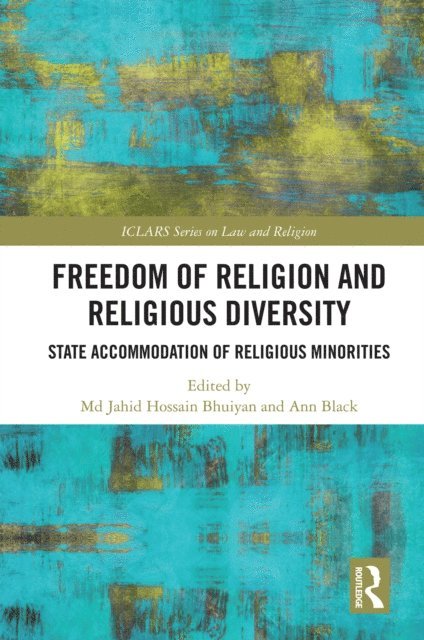
Freedom of Religion and Religious Diversity
State Accommodation of Religious Minorities
Inbunden, Engelska, 2024
2 289 kr
Skickas inom 10-15 vardagar
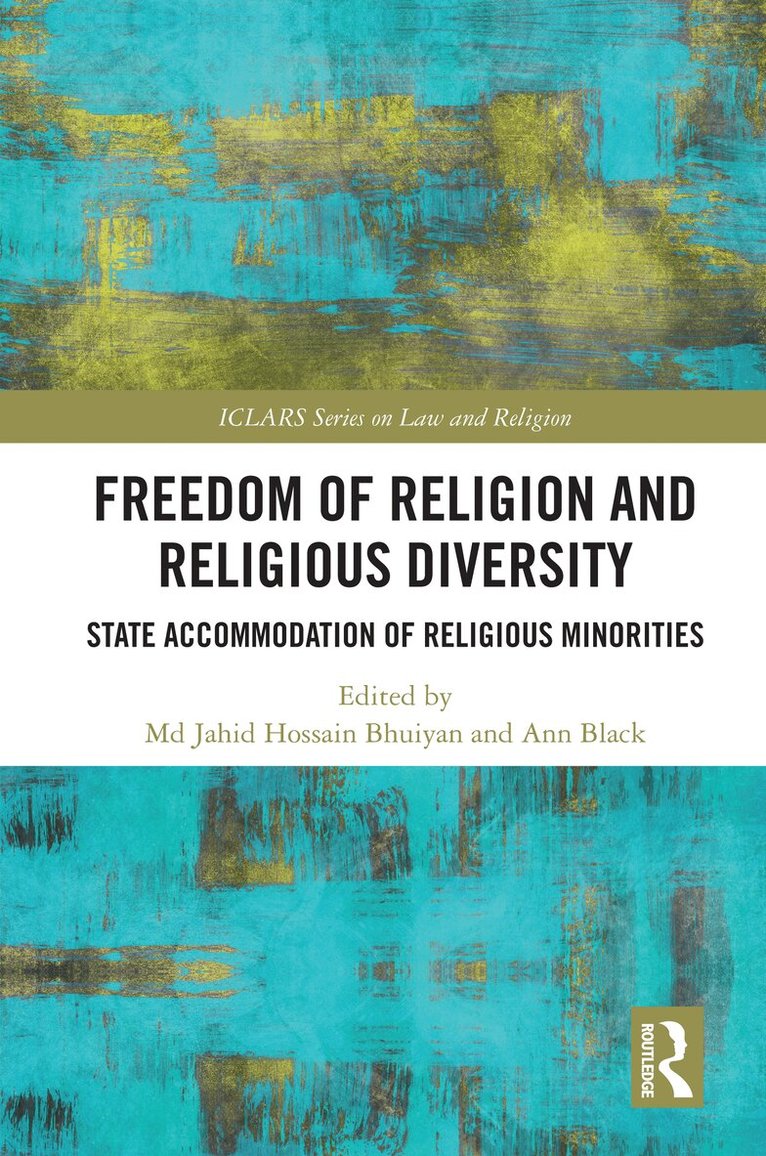
Today, pluralism is increasingly the norm and can be seen as a permanent characteristic of modernity. As seen in world events, religion has not become irrelevant but more diverse, giving rise to a complex web of religion and belief minorities, together with intra-plural majorities. Nations seek ways to implement the ideal of freedom of religion, but as this book shows, whether East or West, in the global North or the South, there is no simple formalism for accommodating religious diversity. Different faith communities have competing needs and demands for the same social space, with tensions inevitably arising. This book highlights responses from liberal democracies which enshrine secularism into their constitutions to other constitutions where religion and ethnic identity are enshrined to prioritise their ethno-religious majority. Western and Asian countries encounter different obstacles and challenges. With analysis from 19 international scholars, the book explores different obstacles and responses to accommodation of religious minorities in a range of jurisdictions. In a globalised world, it will be invaluable for comparative legal scholars, for law and religion scholars, researchers and students, and decision-makers, e.g., governments, non-governmental organisations, and for those who seek to better understand the challenges of our time.
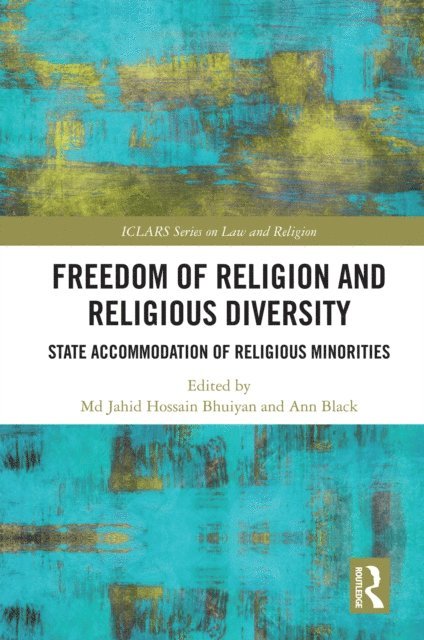
Freedom of Religion and Religious Diversity
State Accommodation of Religious Minorities
Häftad, Engelska, 2026
675 kr
Kommande
Today, pluralism is increasingly the norm and can be seen as a permanent characteristic of modernity. As seen in world events, religion has not become irrelevant but more diverse, giving rise to a complex web of religion and belief minorities, together with intra-plural majorities. Nations seek ways to implement the ideal of freedom of religion, but as this book shows, whether East or West, in the global North or the South, there is no simple formalism for accommodating religious diversity. Different faith communities have competing needs and demands for the same social space, with tensions inevitably arising. This book highlights responses from liberal democracies which enshrine secularism into their constitutions to other constitutions where religion and ethnic identity are enshrined to prioritise their ethno-religious majority. Western and Asian countries encounter different obstacles and challenges. With analysis from 19 international scholars, the book explores different obstacles and responses to accommodation of religious minorities in a range of jurisdictions. In a globalised world, it will be invaluable for comparative legal scholars, for law and religion scholars, researchers and students, and decision-makers, e.g., governments, non-governmental organisations, and for those who seek to better understand the challenges of our time.
527 kr
Skickas inom 7-10 vardagar
This well-informed book explains, reflects on and analyzes Islamic law, not only in the classical legal tradition of Sharia, but also its modern, contemporary context.The book explores the role of Islamic law in secular Western nations and reflects on the legal system of Islam in its classical context as applied in its traditional homeland of the Middle East and also in South East Asia. Written by three leading scholars from three different backgrounds: a Muslim in the Sunni tradition, a Muslim in the Shia tradition, and a non-Muslim woman - the book is not only unique, but also enriched by differing insights into Islamic law.Sir William Blair provides the foreword to a book which acknowledges that Islam continues to play a vital role not just in the Middle East but across the wider world, the discussion on which the authors embark is a crucial one.The book starts with an analysis of the nature of Islamic law, its concepts, meaning and sources, as well as its development in different stages of Islamic history. This is followed by accounts of how Islamic law is being practised today. Key modern institutions are discussed, such as the parliament, judiciary, dar al-ifta, political parties, and other important organizations. It continues by analysing some key concepts in our modern times: nation-state, citizenship, ummah, dhimmah (recognition of the status of certain non-Muslims in Islamic states), and the rule of law. The book investigates how in recent times, more and more fatwas are issued collectively rather than emanating from an individual scholar. The authors then evaluate how Islamic law deals with family matters, economics, crime, property and alternative dispute resolution. Lastly, the book revisits certain contemporary issues of debate in Islamic law such as the burqa, halal food, riba (interest) and apostasy.Modern Perspectives on Islamic Law will become a standard scholarly text on Islamic law. Its wide-ranging coverage will appeal to researchers and students of Islamic law, or Islamic studies in general. Legal practitioners will also be interested in the comparative aspects of Islamic law presented in this book.Contents: Foreword by The Honorable Sir William Blair Preface Prologue 1. The Nature of Law, and its Relationship with Religion, in Islam 2. Islamic Law and Institutions 3. Seeing a Western Nation through Muslim Eyes: Citizenship and the Sharia in Modern Nation-states 4. Fatwa and Muftis 5. Islamic Family Law 6. Mediation, Arbitration and Islamic Alternative Dispute Resolution 7. Islamic Law and Economics 8. Property Rights, Inheritance Law and Trusts (waqf) 9. Islamic Criminal Law 10. Contemporary Debates On and Within Islam Epilogue Index