Ann Conrad Lammers – författare
Visar alla böcker från författaren Ann Conrad Lammers. Handla med fri frakt och snabb leverans.
18 produkter
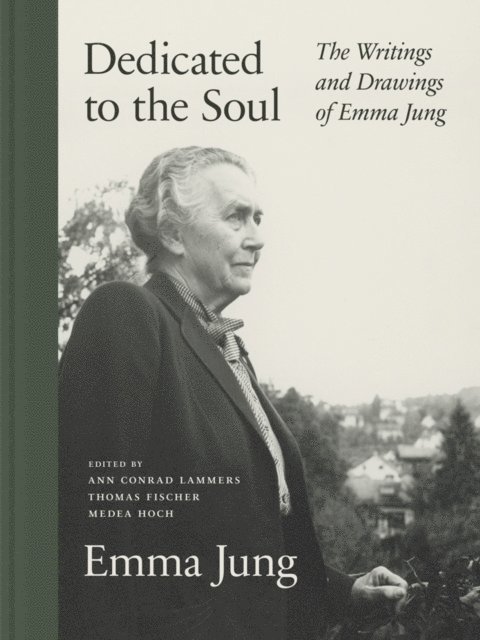
Dedicated to the Soul
The Writings and Drawings of Emma Jung
Av Emma Jung, Ann Conrad Lammers m. fl.
Inbunden, 2025
418 kr
Lägg i varukorg
A richly illustrated collection of never-before-seen writings and drawings from the notebooks, portfolios, and personal papers of C. G. Jung’s wife and collaboratorEmma Jung (1882–1955) was the life and work partner of one of the great intellectual figures of the twentieth century, yet she kept …
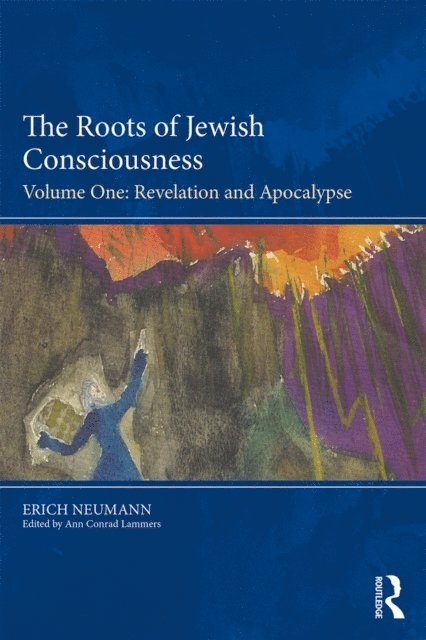
Roots of Jewish Consciousness (2 Volume set)
Av Erich Neumann, Ann Conrad Lammers
2019
915 kr
Tillfälligt slut
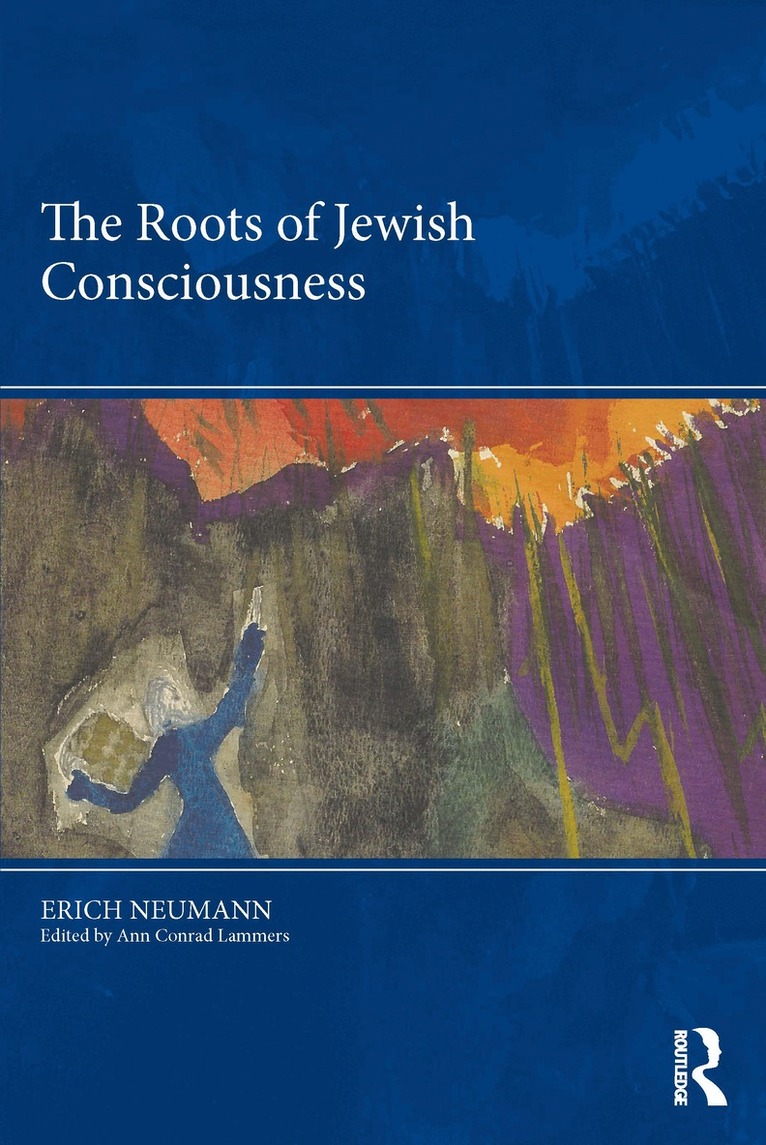
The Roots of Jewish Consciousness, Volume One: Revelation and Apocalypse is the first volume, fully annotated, of a major, previously unpublished, two-part work by Erich Neumann (1905-1960). It was written between 1934 and 1940, after Neumann, then a young philosopher and physician and freshly …
Dedicated to the Soul
The Writings and Drawings of Emma Jung
Av Emma Jung, Medea Hoch m. fl.
E-bok, 2025
576 kr
Lägg i varukorg
A richly illustrated collection of never-before-seen writings and drawings from the notebooks, portfolios, and personal papers of C. G. Jung’s wife and collaborator Emma Jung (1882–1955) was the life and work partner of one of the great intellectual figures of the twentieth century, yet she kept …
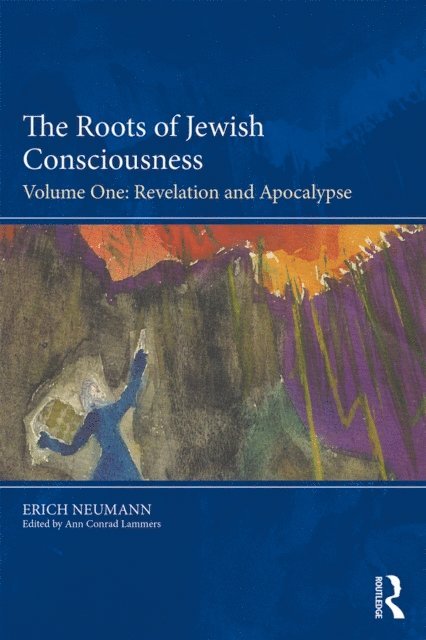
Roots of Jewish Consciousness, Volume One
Revelation and Apocalypse
Av Erich Neumann, Ann Conrad Lammers
Inbunden, 2019
2586 kr
Lägg i varukorg
The Roots of Jewish Consciousness, Volume One: Revelation and Apocalypse is the first volume, fully annotated, of a major, previously unpublished, two-part work by Erich Neumann (1905–1960). It was written between 1934 and 1940, after Neumann, then a young philosopher and physician and freshly …
Roots of Jewish Consciousness, Volume One
Revelation and Apocalypse
Av Erich Neumann, Ann Conrad Lammers
Häftad, 2019
637 kr
Lägg i varukorg
The Roots of Jewish Consciousness, Volume One: Revelation and Apocalypse is the first volume, fully annotated, of a major, previously unpublished, two-part work by Erich Neumann (1905–1960). It was written between 1934 and 1940, after Neumann, then a young philosopher and physician and freshly …
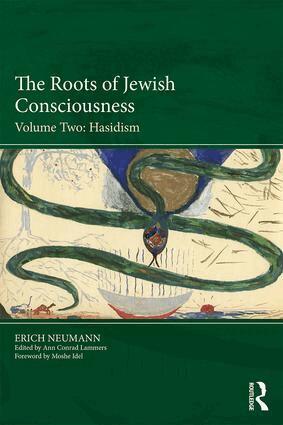
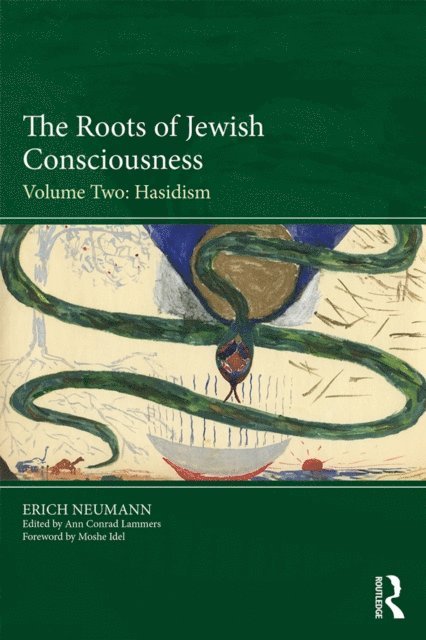
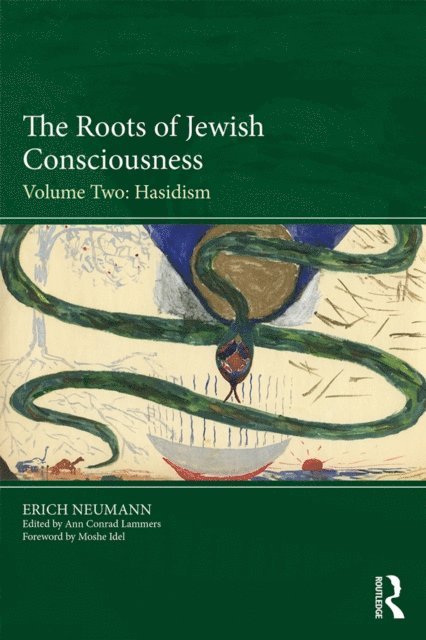
Roots of Jewish Consciousness, Volume Two
Hasidism
Av Erich Neumann, Ann Conrad Lammers
Inbunden, 2019
2073 kr
Lägg i varukorg
The Roots of Jewish Consciousness, Volume Two: Hasidism is the second volume, fullyannotated, of a major, previously unpublished, two-part work by Erich Neumann (1905–1960). It was written between 1940 and 1945, after Neumann, then a young philosopher and physician and freshly trained as a disciple …
Roots of Jewish Consciousness, Volume Two
Hasidism
Av Erich Neumann, Ann Conrad Lammers
Häftad, 2019
516 kr
Lägg i varukorg
The Roots of Jewish Consciousness, Volume Two: Hasidism is the second volume, fullyannotated, of a major, previously unpublished, two-part work by Erich Neumann (1905–1960). It was written between 1940 and 1945, after Neumann, then a young philosopher and physician and freshly trained as a disciple …
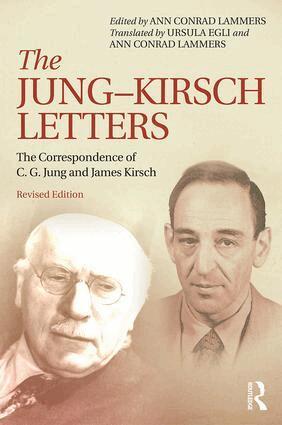
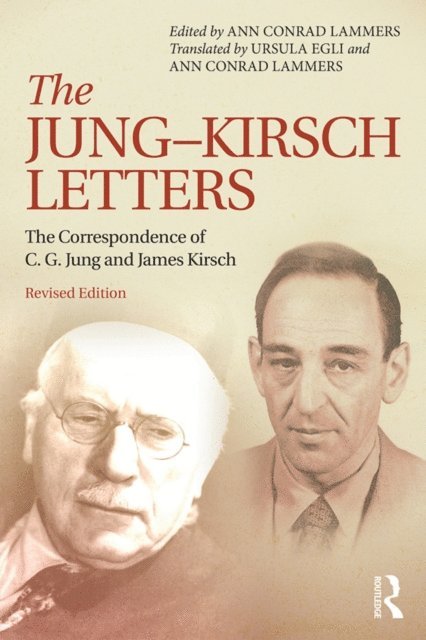
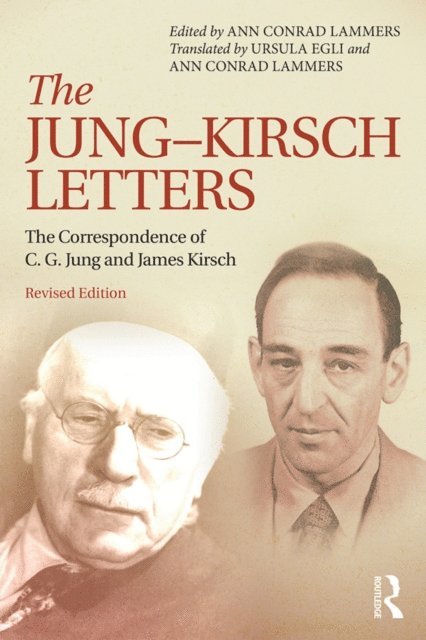
Jung-Kirsch Letters
The Correspondence of C.G. Jung and James Kirsch
Inbunden, 2016
4111 kr
Lägg i varukorg
This book charts Carl Gustav Jung’s 33-year (1928-61) correspondence with James Kirsch, adding depth and complexity to the previously published record of the early Jungian movement. Kirsch was a German-Jewish psychiatrist, a first-generation follower of Jung, who founded Jungian communities in …
Jung-Kirsch Letters
The Correspondence of C.G. Jung and James Kirsch
Häftad, 2016
927 kr
Lägg i varukorg
This book charts Carl Gustav Jung’s 33-year (1928-61) correspondence with James Kirsch, adding depth and complexity to the previously published record of the early Jungian movement. Kirsch was a German-Jewish psychiatrist, a first-generation follower of Jung, who founded Jungian communities in …
Jung-Kirsch Letters
The Correspondence of C.G. Jung and James Kirsch
E-bok, 2016
1160 kr
Lägg i varukorg
This book charts Carl Gustav Jung’s 33-year (1928-61) correspondence with James Kirsch, adding depth and complexity to the previously published record of the early Jungian movement. Kirsch was a German-Jewish psychiatrist, a first-generation follower of Jung, who founded Jungian communities in …
Jung-Kirsch Letters
The Correspondence of C.G. Jung and James Kirsch
E-bok, 2016
1195 kr
Lägg i varukorg
This book charts Carl Gustav Jung’s 33-year (1928-61) correspondence with James Kirsch, adding depth and complexity to the previously published record of the early Jungian movement. Kirsch was a German-Jewish psychiatrist, a first-generation follower of Jung, who founded Jungian communities in …
Roots of Jewish Consciousness, Volume Two
Hasidism
E-bok, 2019
624 kr
Lägg i varukorg
The Roots of Jewish Consciousness , Volume Two: Hasidism is the second volume, fullyannotated, of a major, previously unpublished, two-part work by Erich Neumann (1905–1960). It was written between 1940 and 1945, after Neumann, then a young philosopher and physician and freshly trained as a …
Roots of Jewish Consciousness, Volume Two
Hasidism
E-bok, 2019
624 kr
Lägg i varukorg
The Roots of Jewish Consciousness , Volume Two: Hasidism is the second volume, fullyannotated, of a major, previously unpublished, two-part work by Erich Neumann (1905–1960). It was written between 1940 and 1945, after Neumann, then a young philosopher and physician and freshly trained as a …
Roots of Jewish Consciousness, Volume One
Revelation and Apocalypse
E-bok, 2019
737 kr
Lägg i varukorg
The Roots of Jewish Consciousness, Volume One: Revelation and Apocalypse is the first volume, fully annotated, of a major, previously unpublished, two-part work by Erich Neumann (1905–1960). It was written between 1934 and 1940, after Neumann, then a young philosopher and physician and freshly …
Roots of Jewish Consciousness, Volume One
Revelation and Apocalypse
E-bok, 2019
737 kr
Lägg i varukorg
The Roots of Jewish Consciousness, Volume One: Revelation and Apocalypse is the first volume, fully annotated, of a major, previously unpublished, two-part work by Erich Neumann (1905–1960). It was written between 1934 and 1940, after Neumann, then a young philosopher and physician and freshly …
Jung-White Letters
Av Ann Conrad Lammers, Adrian Cunningham m. fl.
Inbunden, 2007
2080 kr
Lägg i varukorg
The Jung-White Letters charts fifteen years of correspondence between C. G. Jung and Victor White, an English Dominican priest and theologian. The dialogue between the two provides valuable insights into the development of Jung’s thought, and the relationship between psychology and religion.Jung …
Die Wurzeln Des Judischen Bewusstseins
Av Erich Neumann, Ann Conrad Lammers
Inbunden, 2024
790 kr
Lägg i varukorg
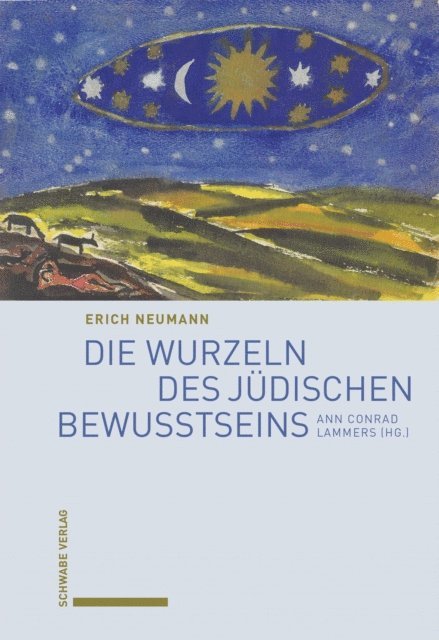
Die Wurzeln des jüdischen Bewusstseins
Av Erich Neumann, Ann Conrad Lammers
E-bok, 2024
780 kr
Lägg i varukorg
Vor dem Hintergrund existenzieller Herausforderungen schrieb Erich Neumann dieses frühe Werk, das hier erstmals auf Deutsch ediert vorliegt. Das jüdische Überleben beleuchtet er sowohl aus physischer als auch aus spiritueller und psychologischer Perspektive. Neumann glaubt, dass moderne Juden …