Ann Downer – författare
Visar alla böcker från författaren . Handla med fri frakt och snabb leverans.
11 produkter
11 produkter
E-bok
PDF, Engelska, 2011725 kr
Läs direkt efter köp
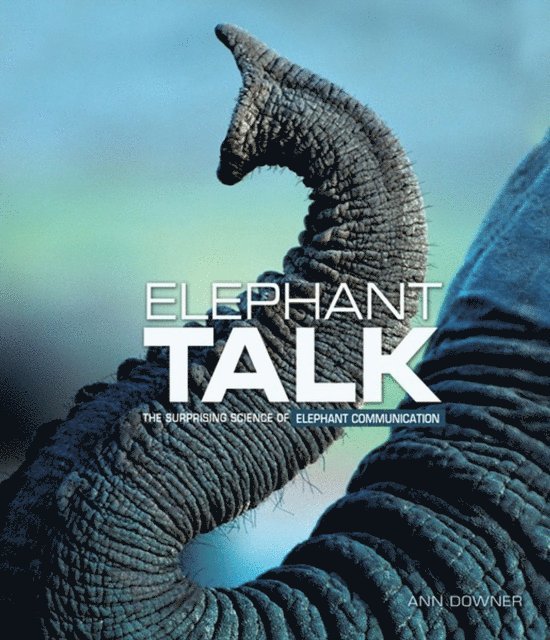
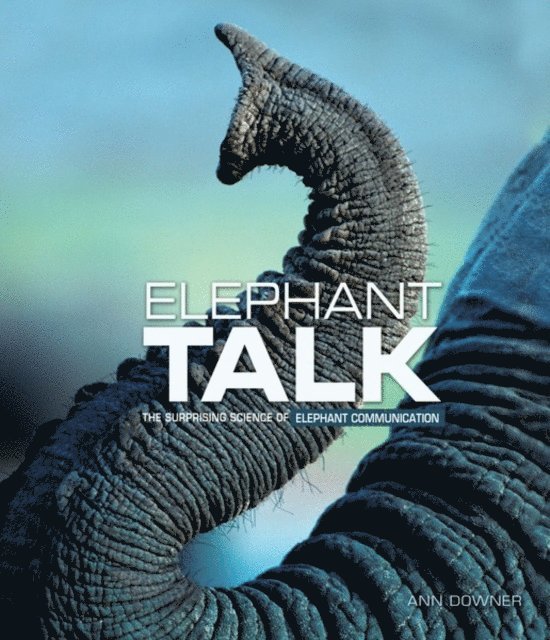
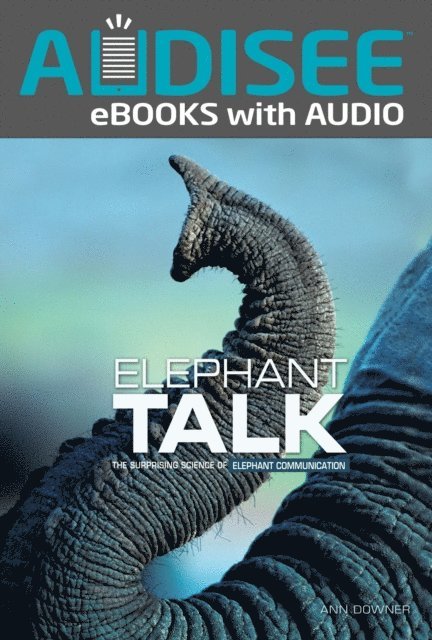
On a hot day in the African savannah, a group of elephants searches for food. While foraging they often lose sight of one another. Yet at the end of the day, in one coordinated movement, the elephants suddenly regroup. This coordinated movement—and others like it—has puzzled scientists and caused them to question how elephants communicate with each other.Since the 1990s, scientists have gathered significant data on elephant “talk.” Biologists have determined that elephants use a complex system of communication of at least ten distinct sounds, combined in many variations. Researchers are now asking: what do these sounds mean?As scientists study the elephant sounds that humans can hear, they are also identifying ways elephants communicate through nonverbal behaviors and making sounds too low for human ears. Scientists have realized that elephants even receive messages by using their sensitive feet to feel vibrations in the ground. All of these discoveries are helping elephant researchers better understand elephant behavior. But the elephant’s time as a wild animal is running out. Threatened by habitat loss and illegally hunted for their ivory tusks, elephants are on the brink of extinction. Will understanding elephant talk be the key to saving the species?
Häftad, Engelska, 2008
167 kr
Skickas inom 5-8 vardagar
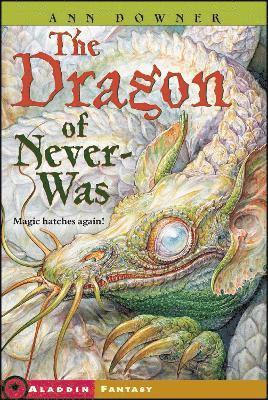
Ever since she was caught up in a magical whirlwind of dragons, spells, and wizards, Theodora Oglethorpe has been doing her best to put the Events of Last Summer behind her and go back to her life as a normal twelve-year-old girl. But no matter how hard she tries to forget about magic, it always seems to find her -- even when she's on vacation! When Theodora's biologist-dad is called to the Scottish island of Scornsay to study a scale believed to be from a previously unknown species, Theodora is thrilled to be invited along. A nice vacation is just what she needs to forget all about wyverns, demons, and magical tunnels through time. But as soon as Theodora sees the scale, she knows it's not from a fish, a reptile, or anything known to science. It's from a dragon, and as Theodora knows all too well, wherever there are dragons, there are wizards, and then there's sure to be trouble. Before she can solve the mystery of the dragon's scale, Theodora will have to confront her own magical heritage and make a perilous journey to the wizard's limbo known as Never-Was. The Dragon of Never-Was, the sequel to Hatching Magic, is just as funny, witty, and richly imagined as its predecessor. Filled with eccentric characters, crafty dragons, dazzling spells, good friends, and a feisty heroine that readers will root for, this is a middle-grade fantasy to be savored.
Häftad, Engelska, 2012
207 kr
Skickas inom 3-6 vardagar
E-bok
PDF, Engelska, 2013725 kr
Läs direkt efter köp
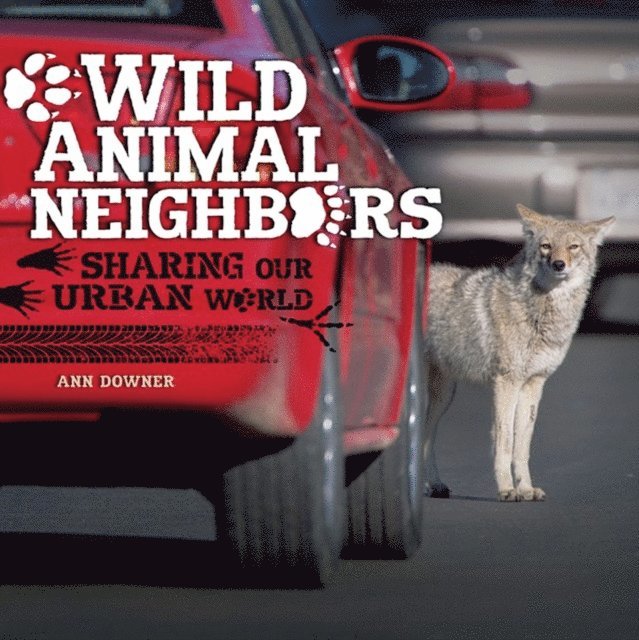
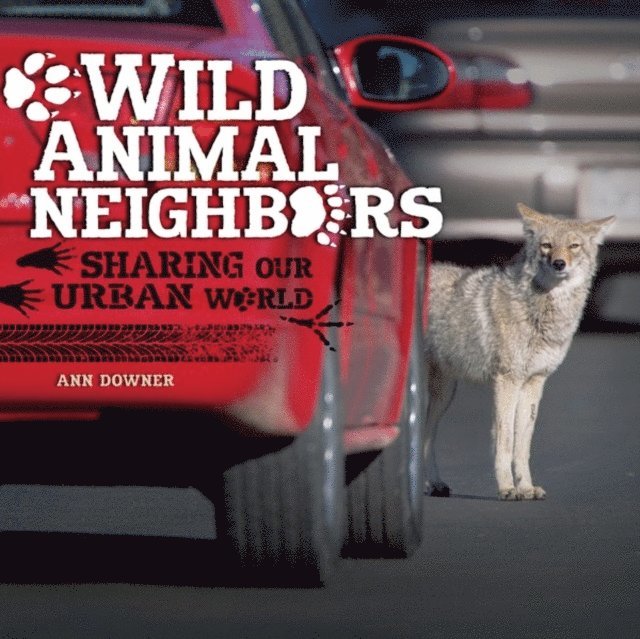
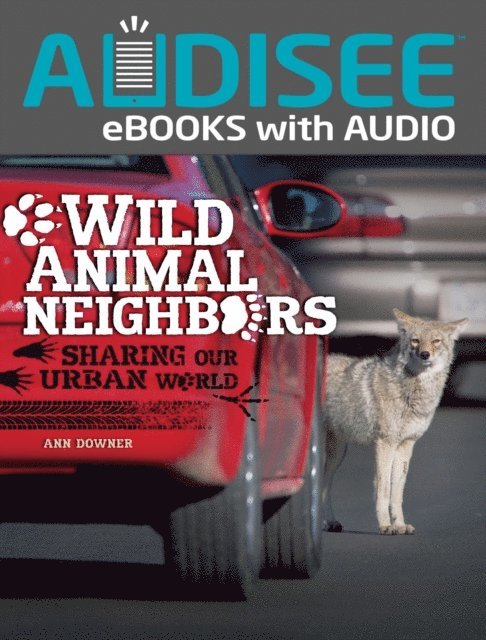
What would you do if you found an alligator in your garage? Or if you spotted a mountain lion downtown? In cities and suburbs around the world, wild creatures are showing up where we least expect them. Not all of them arrive by accident, and some are here to stay. As the human population tops seven billion, animals are running out of space. Their natural habitats are surrounded—and sometimes even replaced—by highways, shopping centers, office parks, and subdivisions. The result? A wildlife invasion of our urban neighborhoods. What kinds of animals are making cities their new home? How can they survive in our ecosystem of concrete, steel, and glass? And what does their presence there mean for their future and ours? Join scientists, activists, and the folks next door on a journey around the globe to track down our newest wild animal neighbors. Discover what is bringing these creatures to our backyards—and how we can create spaces for people and animals to live side by side.
E-bok
PDF, Engelska, 2015725 kr
Läs direkt efter köp
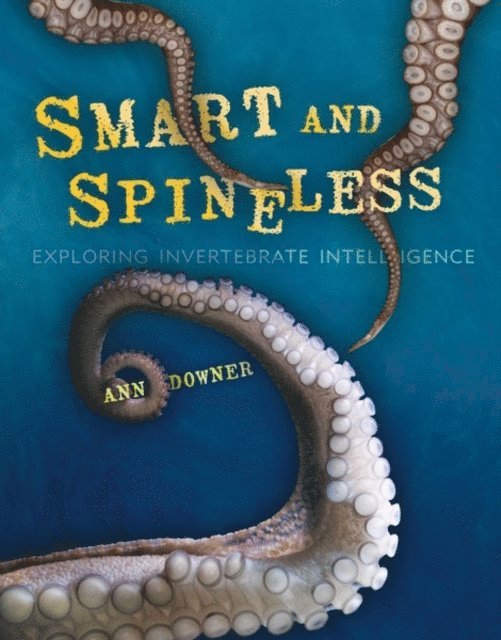
When you think of smart animals, what comes to mind? Wise old owls? Problem-solving dolphins? Maybe you have heard of Koko the gorilla, who has mastered one thousand signs in American Sign Language, or Chaser the border collie, who recognizes one thousand names for her stuffed toys. But what about ants building megacolonies or bees reporting to the hive about new nesting sites? What about escape artist octopuses and jellyfish that use their eyes (they have twenty-four!) to navigate? Are insects, spiders, and other animals without backbones considered smart, too? When we think of intelligent creatures, we often think of vertebrates, or animals with spinal columns and relatively large brains. We don''t usually think of invertebrates, or animals without a spine. But invertebrates can be astonishingly intelligent. These animals exhibit surprising feats of learning, memory, and problem-solving using their relatively simple, tiny brains—some the size of a sesame seed or even smaller. In fact, some intelligent invertebrates have no brain at all! Scientists around the world are putting invertebrate intelligence to use in mind-boggling ways. Engineers are designing swarmbots based on bees to take part in search-and-rescue efforts. And materials scientists are basing a new, tough ceramic on the structure of a mantis shrimp''s claw. In Smart and Spineless, readers will be challenged to think in a whole new way about what it means to be smart!
E-bok
PDF, Engelska, 2016782 kr
Läs direkt efter köp
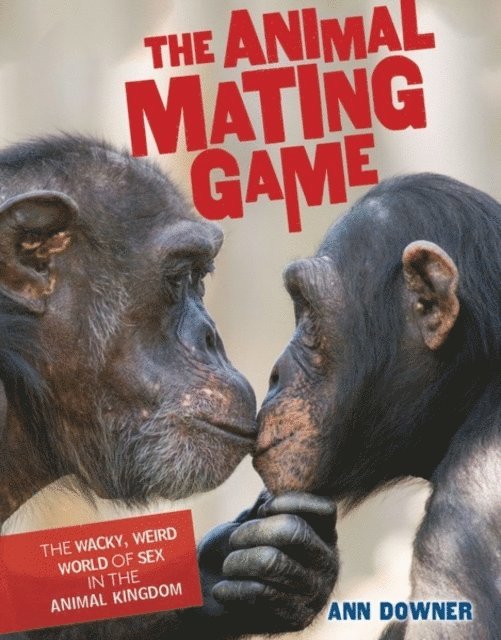
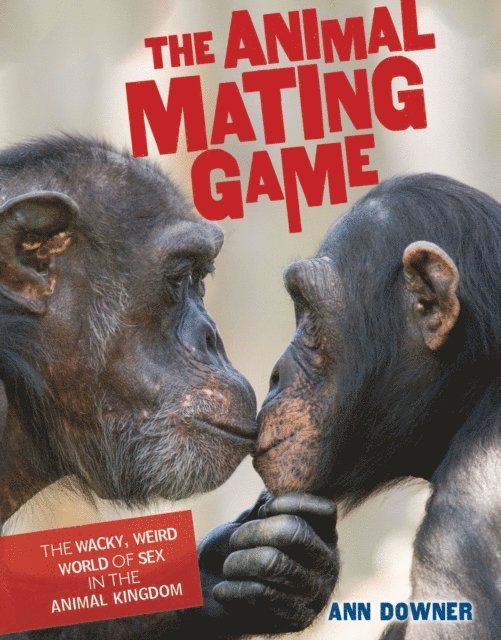
Birds do it, bees do it, penguins do it, and orangutans do it. By having sex and giving birth to offspring, animals ensure that their species will survive into the next generation. And in this quest for survival, animals go to great lengths.Some animal mating techniques may strike you as strange or gross, but to the animals themselves, these practices are essential. Animals with the best strategies for choosing mates and making babies ensure that their species live on. Without animal sex, there would be no animal life.
E-bok
Engelska, 2016143 kr
Läs direkt efter köp
Birds do it, bees do it, penguins do it, and orangutans do it. By having sex and giving birth to offspring, animals ensure that their species will survive into the next generation. And in this quest for survival, animals go to great lengths.Some animal mating techniques may strike you as strange or gross, but to the animals themselves, these practices are essential. Animals with the best strategies for choosing mates and making babies ensure that their species live on. Without animal sex, there would be no animal life.
E-bok
Engelska, 2017143 kr
Läs direkt efter köp
On a hot day in the African savannah, a group of elephants searches for food. While foraging they often lose sight of one another. Yet at the end of the day, in one coordinated movement, the elephants suddenly regroup. This coordinated movement—and others like it—has puzzled scientists and caused them to question how elephants communicate with each other.Since the 1990s, scientists have gathered significant data on elephant “talk.” Biologists have determined that elephants use a complex system of communication of at least ten distinct sounds, combined in many variations. Researchers are now asking: what do these sounds mean?As scientists study the elephant sounds that humans can hear, they are also identifying ways elephants communicate through nonverbal behaviors and making sounds too low for human ears. Scientists have realized that elephants even receive messages by using their sensitive feet to feel vibrations in the ground. All of these discoveries are helping elephant researchers better understand elephant behavior. But the elephant’s time as a wild animal is running out. Threatened by habitat loss and illegally hunted for their ivory tusks, elephants are on the brink of extinction. Will understanding elephant talk be the key to saving the species?
E-bok
Engelska, 2017143 kr
Läs direkt efter köp
What would you do if you found an alligator in your garage? Or if you spotted a mountain lion downtown? In cities and suburbs around the world, wild creatures are showing up where we least expect them. Not all of them arrive by accident, and some are here to stay. As the human population tops seven billion, animals are running out of space. Their natural habitats are surrounded—and sometimes even replaced—by highways, shopping centers, office parks, and subdivisions. The result? A wildlife invasion of our urban neighborhoods. What kinds of animals are making cities their new home? How can they survive in our ecosystem of concrete, steel, and glass? And what does their presence there mean for their future and ours? Join scientists, activists, and the folks next door on a journey around the globe to track down our newest wild animal neighbors. Discover what is bringing these creatures to our backyards—and how we can create spaces for people and animals to live side by side.
E-bok
Engelska, 2017172 kr
Läs direkt efter köp
Audisee® eBooks with Audio combine professional narration and sentence highlighting for an engaging read aloud experience! On a hot day in the African savannah, a group of elephants searches for food. While foraging they often lose sight of one another. Yet at the end of the day, in one coordinated movement, the elephants suddenly regroup. This coordinated movement—and others like it—has puzzled scientists and caused them to question how elephants communicate with each other.Since the 1990s, scientists have gathered significant data on elephant “talk.” Biologists have determined that elephants use a complex system of communication of at least ten distinct sounds, combined in many variations. Researchers are now asking: what do these sounds mean?As scientists study the elephant sounds that humans can hear, they are also identifying ways elephants communicate through nonverbal behaviors and making sounds too low for human ears. Scientists have realized that elephants even receive messages by using their sensitive feet to feel vibrations in the ground. All of these discoveries are helping elephant researchers better understand elephant behavior. But the elephant’s time as a wild animal is running out. Threatened by habitat loss and illegally hunted for their ivory tusks, elephants are on the brink of extinction. Will understanding elephant talk be the key to saving the species?
E-bok
Engelska, 2017172 kr
Läs direkt efter köp
Audisee® eBooks with Audio combine professional narration and sentence highlighting for an engaging read aloud experience! What would you do if you found an alligator in your garage? Or if you spotted a mountain lion downtown? In cities and suburbs around the world, wild creatures are showing up where we least expect them. Not all of them arrive by accident, and some are here to stay. As the human population tops seven billion, animals are running out of space. Their natural habitats are surrounded—and sometimes even replaced—by highways, shopping centers, office parks, and subdivisions. The result? A wildlife invasion of our urban neighborhoods. What kinds of animals are making cities their new home? How can they survive in our ecosystem of concrete, steel, and glass? And what does their presence there mean for their future and ours? Join scientists, activists, and the folks next door on a journey around the globe to track down our newest wild animal neighbors. Discover what is bringing these creatures to our backyards—and how we can create spaces for people and animals to live side by side.