Ann Dumas – författare
Visar alla böcker från författaren Ann Dumas. Handla med fri frakt och snabb leverans.
5 produkter
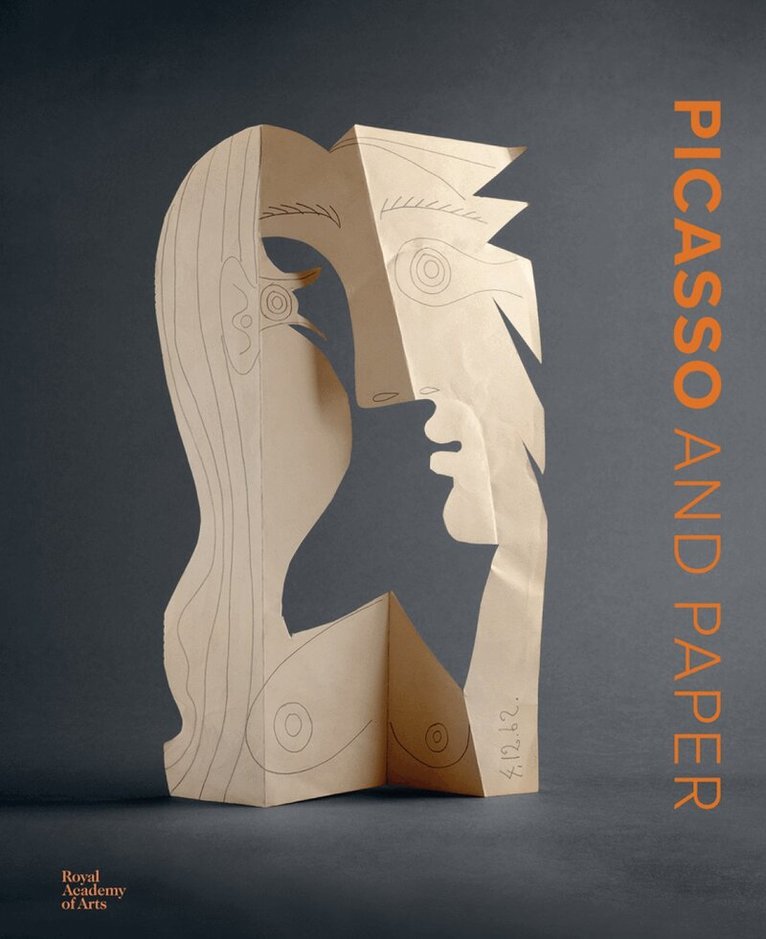
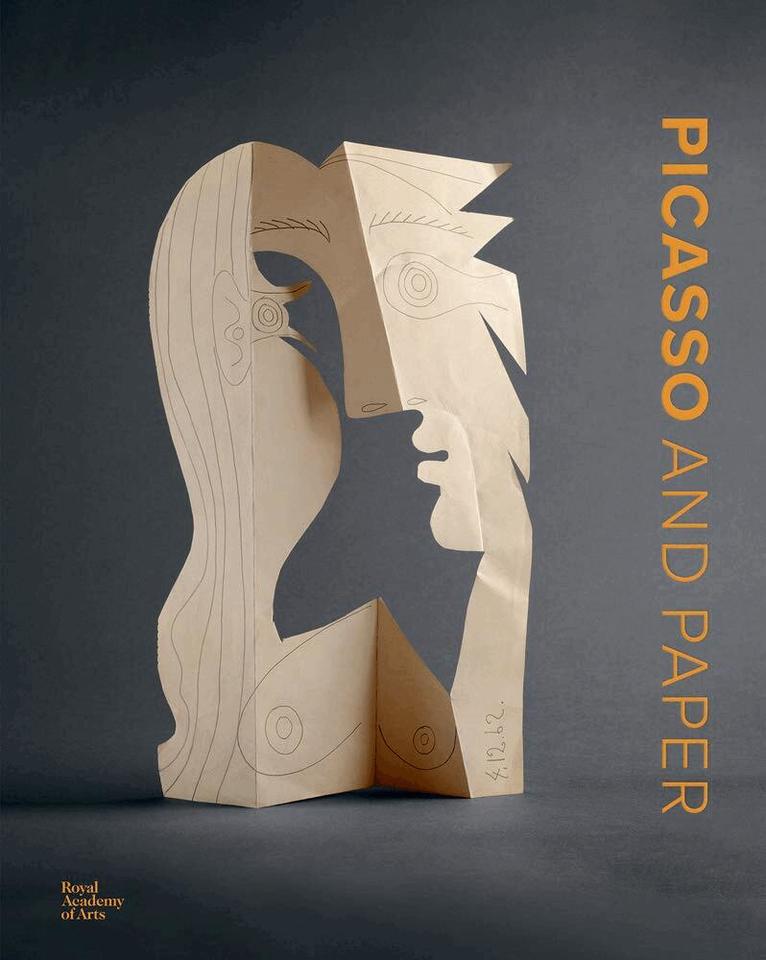
Picasso and Paper
Av Ann Dumas, Emmanuelle Hincelin m. fl.
Häftad, 2020
259 kr
Tillfälligt slut
Pablo Picasso's artistic output is astonishing in its ambition and variety. This handsome publication examines a particular aspect of his legendary capacity for invention: his imaginative and original use of paper. He used it as a support for autonomous works, including etchings, prints and …
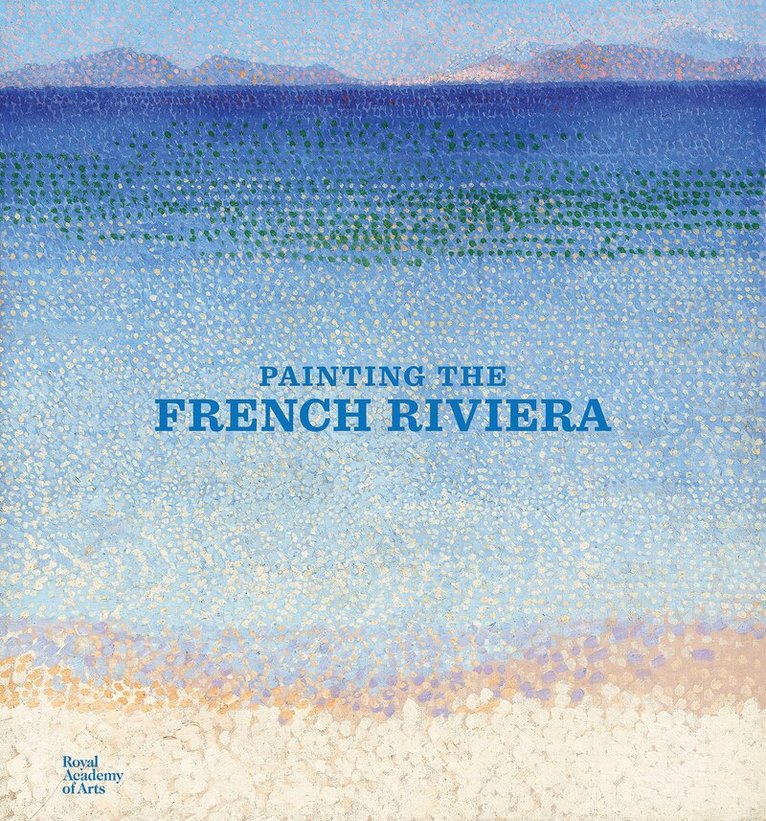
Painting the French Riviera
Av Jean-Louis Andral, Heather Lemonedes Brown m. fl.
Inbunden, 2026
574 kr
Lägg i varukorg
The Mediterranean coast of France witnessed the rise and development of modern art over a century, from Cézanne in the 1860s to Matisse, Picasso and Klein in the 1950s and 1960s. These artists and the many more featured here discovered an inexhaustible source of inspiration in this storied region, …
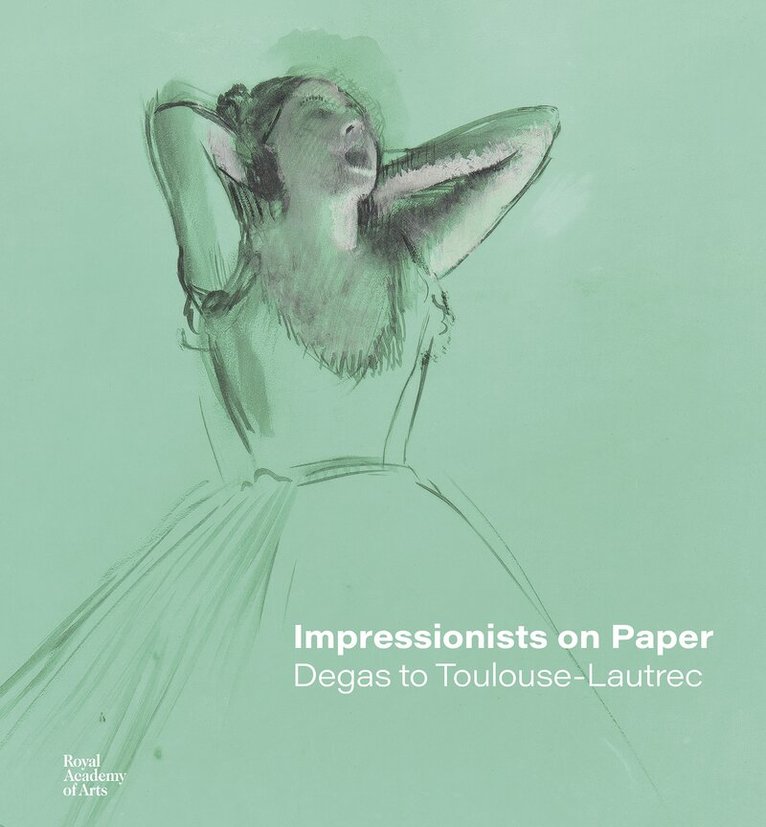
Impressionists on Paper
Degas to Toulouse-Lautrec
Av Ann Dumas, Leïla Jarbouai m. fl.
Inbunden, 2023
322 kr
Lägg i varukorg
"Monet, van Gogh and Cezanne feature in a pleasurable Royal Academy show that demonstrates why the Impressionists remain the world's favourite set of artists." — IndependentBest known for their superlative oils on canvas, Degas, Cézanne, Renoir, Toulouse-Lautrec, Van Gogh and numerous other …
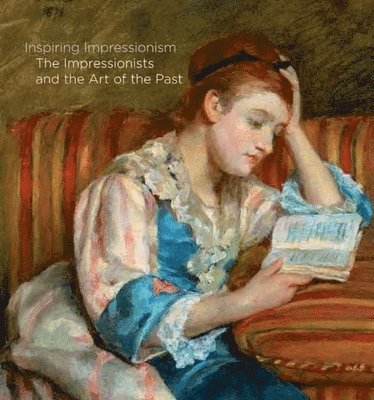
Inspiring Impressionism
The Impressionists and the Art of the Past
Av Xavier Bray, Michael Clarke m. fl.
Inbunden, 2007
477 kr
Tillfälligt slut
Inspiring Impressionism explores links between Impressionists and the major European art-historical movements that came before them, demonstrating how often beneath the Impressionists’ commitment to capturing contemporary life there lay a deep exploration of the art of the past. Presenting …
Picasso and Paper
Av Ann Dumas, Emilia Philippot m. fl.
Inbunden, 2020
508 kr
Tillfälligt slut
Pablo Picasso's artistic output is astonishing in its ambition and variety. This handsome new publication examines a particular aspect of his legendary capacity for invention: his imaginative and original use of paper.He used it as a support for autonomous works, including etchings, prints and …