Anna Akasoy – författare
Visar alla böcker från författaren Anna Akasoy. Handla med fri frakt och snabb leverans.
9 produkter
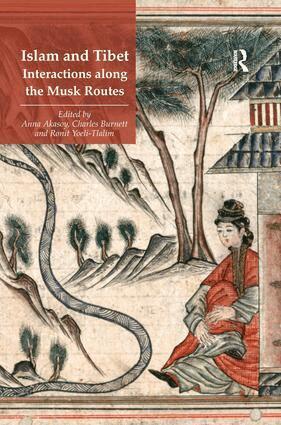
Islam and Tibet – Interactions along the Musk Routes
Av Anna Akasoy, Charles Burnett
Inbunden, 2011
2588 kr
Lägg i varukorg
The first encounters between the Islamic world and Tibet took place in the course of the expansion of the Abbasid Empire in the eighth century. Military and political contacts went along with an increasing interest in the other side. Cultural exchanges and the transmission of knowledge were …
Islam and Tibet – Interactions along the Musk Routes
Av Anna Akasoy, Charles Burnett
Häftad, 2016
925 kr
Lägg i varukorg
The first encounters between the Islamic world and Tibet took place in the course of the expansion of the Abbasid Empire in the eighth century. Military and political contacts went along with an increasing interest in the other side. Cultural exchanges and the transmission of knowledge were …
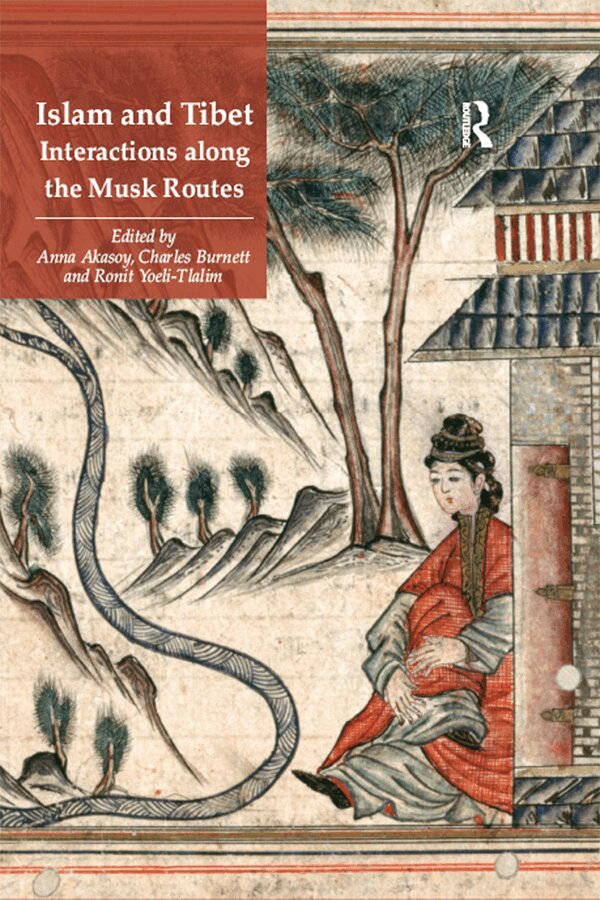
Islam and Tibet – Interactions along the Musk Routes
Av Anna Akasoy, Charles Burnett
E-bok, 2016
1124 kr
Lägg i varukorg
The first encounters between the Islamic world and Tibet took place in the course of the expansion of the Abbasid Empire in the eighth century. Military and political contacts went along with an increasing interest in the other side. Cultural exchanges and the transmission of knowledge were …
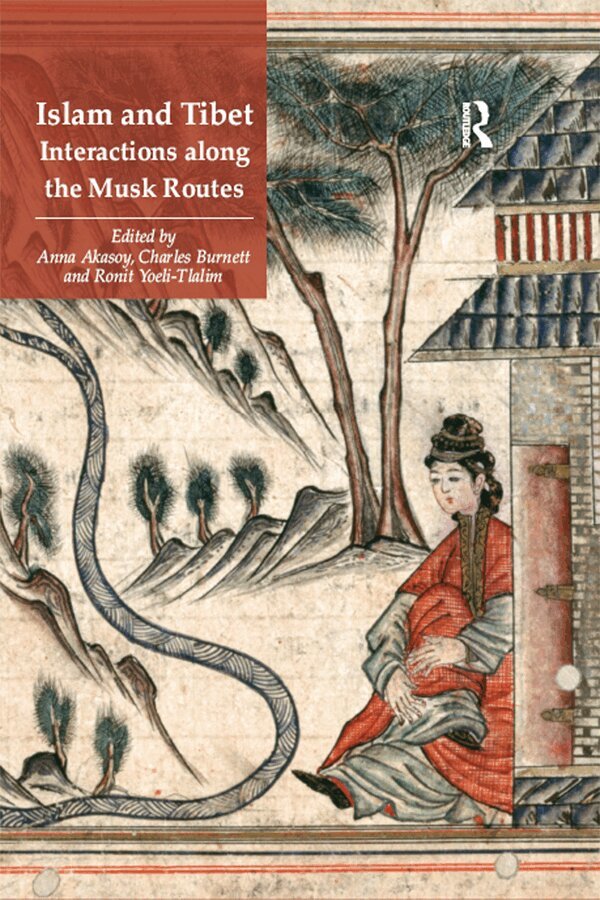
Islam and Tibet – Interactions along the Musk Routes
Av Anna Akasoy, Charles Burnett
E-bok, 2016
1124 kr
Lägg i varukorg
The first encounters between the Islamic world and Tibet took place in the course of the expansion of the Abbasid Empire in the eighth century. Military and political contacts went along with an increasing interest in the other side. Cultural exchanges and the transmission of knowledge were …
Falken- Und Hundebuch Des Kalifen Al-Mutawakkil
Ein Arabischer Traktat Aus Dem 9. Jahrhundert
Av Muhammad Ibn 'Abdallah Al-Bazyar, Anna Akasoy m. fl.
Inbunden, 2005
1402 kr
Lägg i varukorg
Die Zeit der frühen Abbasiden ist bekannt für ihre kulturelle Blüte. Auf allen Gebieten wurde das Wissen der Griechen, Perser und anderer Kulturen zusammengetragen und ins Arabische übersetzt. Das neu erschlossene Material wurde zugleich Ausgangspunkt eigenständiger Werke. Zu wenig ist freilich …
Das Falken- und Hundebuch des Kalifen al-Mutawakkil
Ein arabischer Traktat aus dem 9. Jahrhundert
Av Muhammad ibn 'Abdallah al-Bazyar, Stefan Georges m. fl.
E-bok, 2011
1679 kr
Lägg i varukorg
Die Zeit der frühen Abbasiden ist bekannt für ihre kulturelle Blüte. Auf allen Gebieten wurde das Wissen der Griechen, Perser und anderer Kulturen zusammengetragen und ins Arabische übersetzt. Das neu erschlossene Material wurde zugleich Ausgangspunkt eigenständiger Werke. Zu wenig ist freilich …
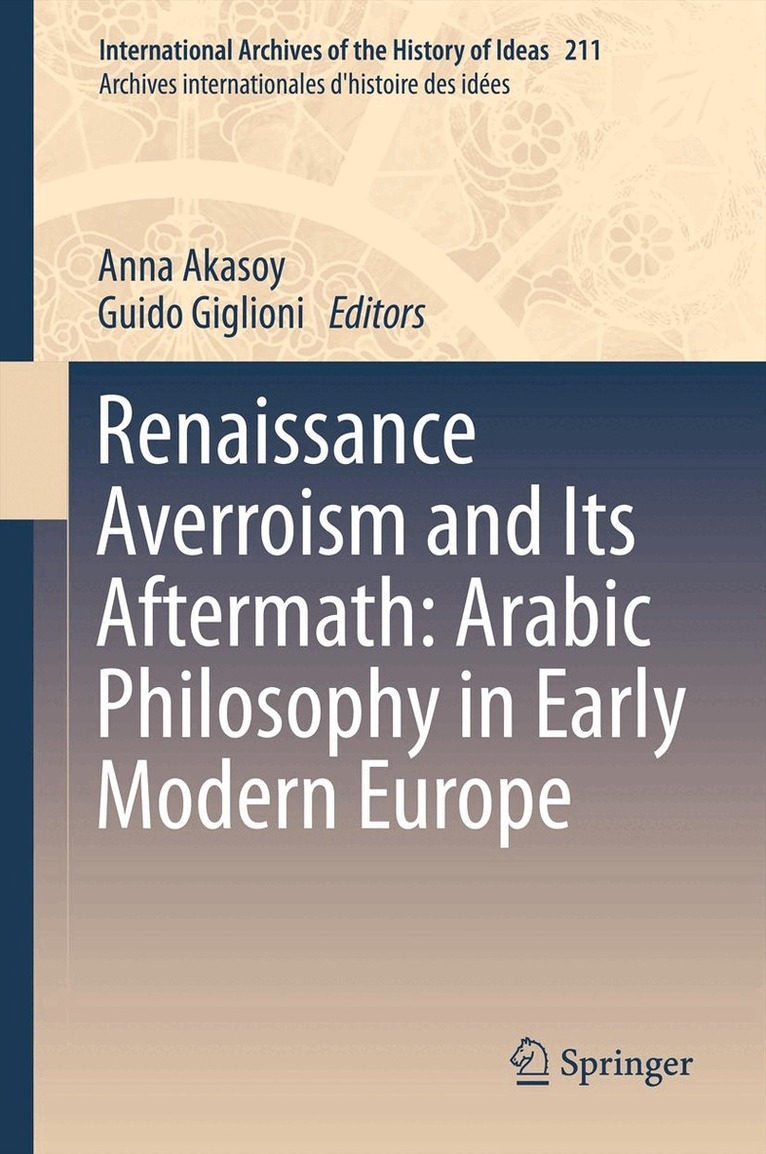
Renaissance Averroism and Its Aftermath: Arabic Philosophy in Early Modern Europe
Av Anna Akasoy, Guido Giglioni
Inbunden, 2012
1094 kr
Lägg i varukorg
While the transmission of Greek philosophy and science via the Muslim world to western Europe in the Middle Ages has been closely scrutinized, the fate of the Arabic philosophical and scientific legacy in later centuries has received less attention, a fault this volume aims to correct. The authors …
Renaissance Averroism and Its Aftermath: Arabic Philosophy in Early Modern Europe
Av Guido Giglioni, Anna Akasoy
E-bok, 2012
1459 kr
Lägg i varukorg
While the transmission of Greek philosophy and science via the Muslim world to western Europe in the Middle Ages has been closely scrutinized, the fate of the Arabic philosophical and scientific legacy in later centuries has received less attention, a fault this volume aims to correct. The authors …
Renaissance Averroism and Its Aftermath: Arabic Philosophy in Early Modern Europe
Av Anna Akasoy, Guido Giglioni
Häftad, 2015
1094 kr
Lägg i varukorg
While the transmission of Greek philosophy and science via the Muslim world to western Europe in the Middle Ages has been closely scrutinized, the fate of the Arabic philosophical and scientific legacy in later centuries has received less attention, a fault this volume aims to correct. The authors …