Anna Dziedzic – författare
Visar alla böcker från författaren Anna Dziedzic. Handla med fri frakt och snabb leverans.
8 produkter
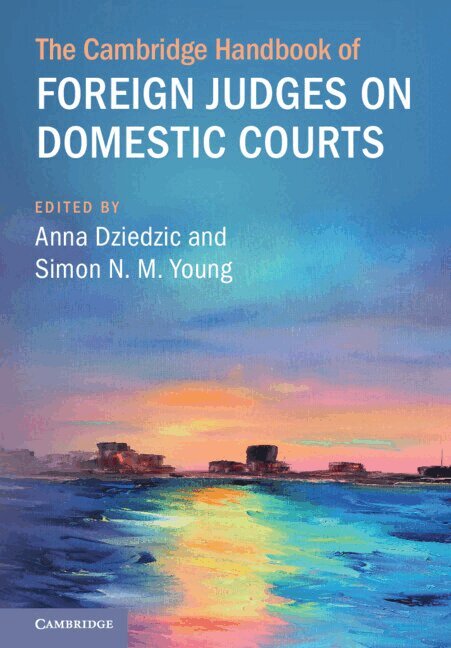
The Cambridge Handbook of Foreign Judges on Domestic Courts
Av Anna Dziedzic, Simon N. M. Young
Inbunden, 2023
3094 kr
Lägg i varukorg
Foreign judges sit on domestic courts in over fifty jurisdictions worldwide. They serve on ordinary courts, including apex and constitutional courts, as well as specialist courts, such as international commercial courts and hybrid criminal tribunals. This Handbook presents the first global …
Cambridge Handbook of Foreign Judges on Domestic Courts
Av Simon N. M. Young, Anna Dziedzic
E-bok, 2023
600 kr
Lägg i varukorg
Cambridge Handbook of Foreign Judges on Domestic Courts
Av Simon N. M. Young, Anna Dziedzic
E-bok, 2023
600 kr
Lägg i varukorg
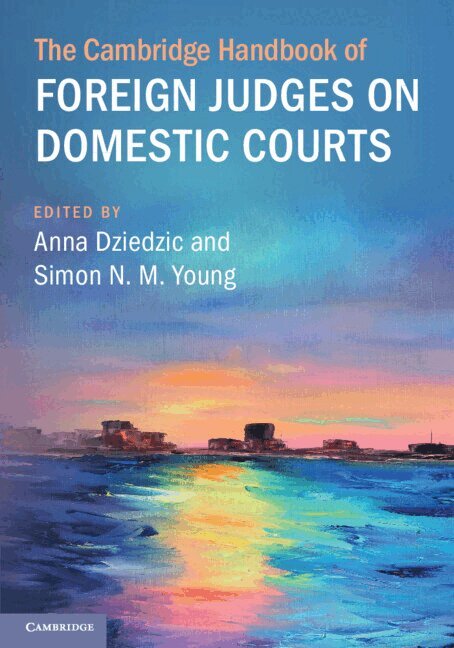
The Cambridge Handbook of Foreign Judges on Domestic Courts
Av Anna Dziedzic, Simon N. M. Young
Häftad, 2026
569 kr
Lägg i varukorg
Foreign judges sit on domestic courts in over fifty jurisdictions worldwide. They serve on ordinary courts, including apex and constitutional courts, as well as specialist courts, such as international commercial courts and hybrid criminal tribunals. This Handbook presents the first global …
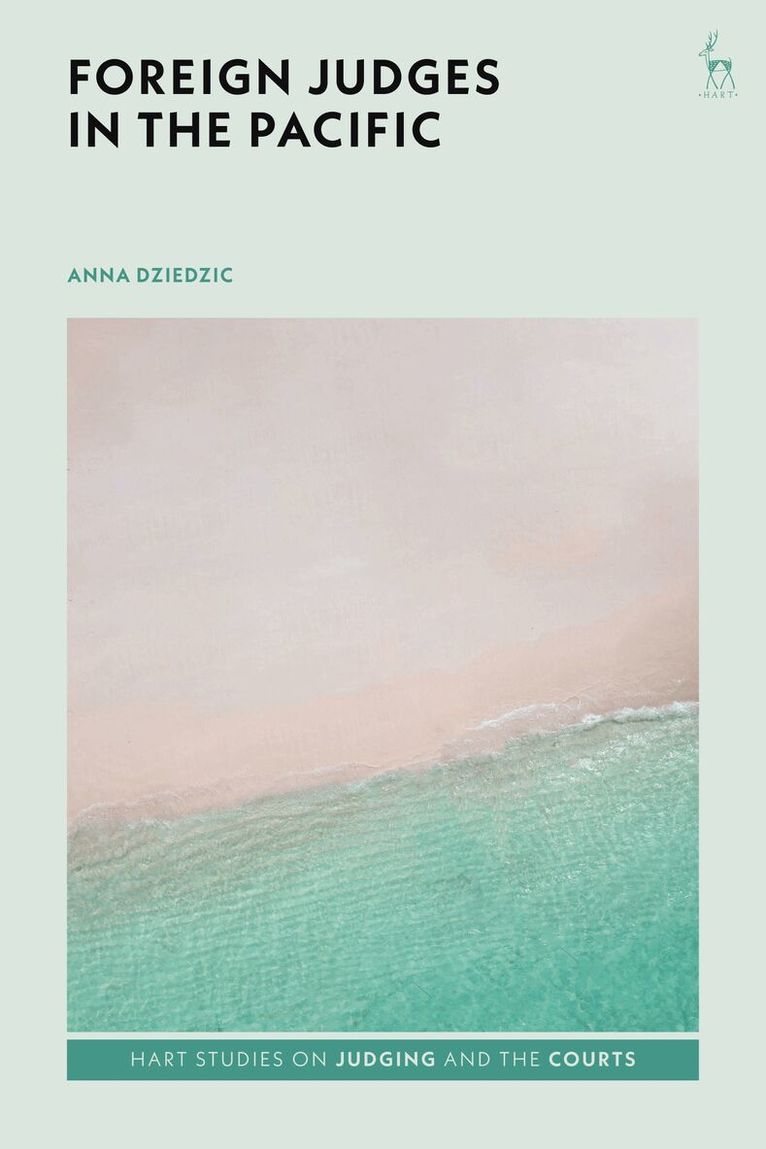
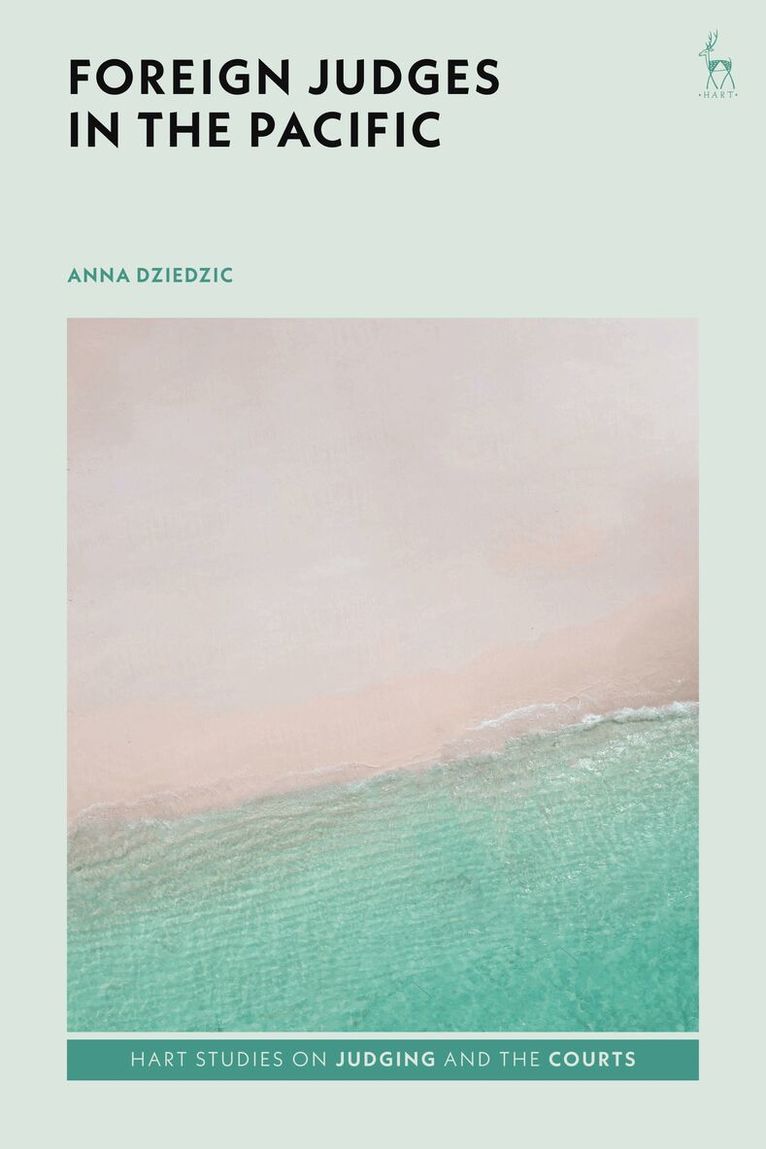
Foreign Judges in the Pacific
Av Anna Dziedzic, Andrew Lynch
Inbunden, 2021
1237 kr
Lägg i varukorg
This book explores the use of foreign judges on courts of constitutional jurisdiction in 9 Pacific states: Fiji, Kiribati, Nauru, Papua New Guinea, Samoa, Solomon Islands, Tonga, Tuvalu and Vanuatu.We often assume that the judges sitting on domestic courts will be citizens. However across the …
Foreign Judges in the Pacific
E-bok, 2021
617 kr
Lägg i varukorg
This book explores the use of foreign judges on courts of constitutional jurisdiction in 9 Pacific states: Fiji, Kiribati, Nauru, Papua New Guinea, Samoa, Solomon Islands, Tonga, Tuvalu and Vanuatu. We often assume that the judges sitting on domestic courts will be citizens. However across the …
Foreign Judges in the Pacific
E-bok, 2021
603 kr
Lägg i varukorg
This book explores the use of foreign judges on courts of constitutional jurisdiction in 9 Pacific states: Fiji, Kiribati, Nauru, Papua New Guinea, Samoa, Solomon Islands, Tonga, Tuvalu and Vanuatu. We often assume that the judges sitting on domestic courts will be citizens. However across the …
Foreign Judges in the Pacific
Av Anna Dziedzic, Erin F. Delaney
Häftad, 2023
564 kr
Lägg i varukorg
This book explores the use of foreign judges on courts of constitutional jurisdiction in 9 Pacific states: Fiji, Kiribati, Nauru, Papua New Guinea, Samoa, Solomon Islands, Tonga, Tuvalu and Vanuatu.We often assume that the judges sitting on domestic courts will be citizens. However across the …