Anna G. Piotrowska – författare
Visar alla böcker från författaren Anna G. Piotrowska. Handla med fri frakt och snabb leverans.
6 produkter
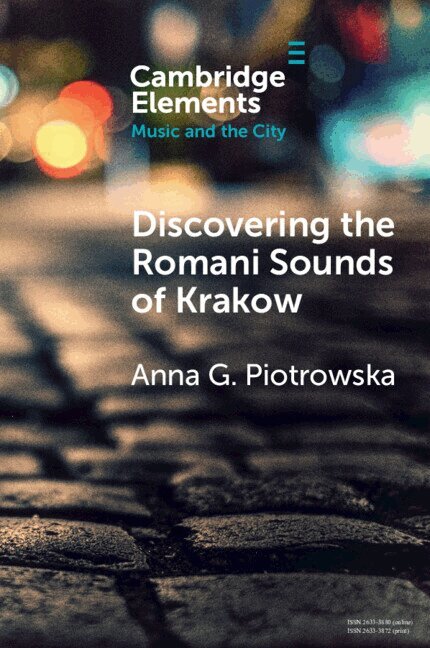
Discovering the Romani Sounds of Krakow
The Legend of Stefan Dymiter
Häftad, 2026
300 kr
Kommande
This study explores the post-pandemic rediscovery of Romani musical heritage in Krakow, focusing on the emblematic figure of Corroro, a prominent Romani busker. It examines how the sonic legacy associated with the Roma, and with Corroro in particular, functions as a site of cultural memory and …
Discovering the Romani Sounds of Krakow
The Legend of Stefan Dymiter
Inbunden, 2026
959 kr
Kommande
This study explores the post-pandemic rediscovery of Romani musical heritage in Krakow, focusing on the emblematic figure of Corroro, a prominent Romani busker. It examines how the sonic legacy associated with the Roma, and with Corroro in particular, functions as a site of cultural memory and …
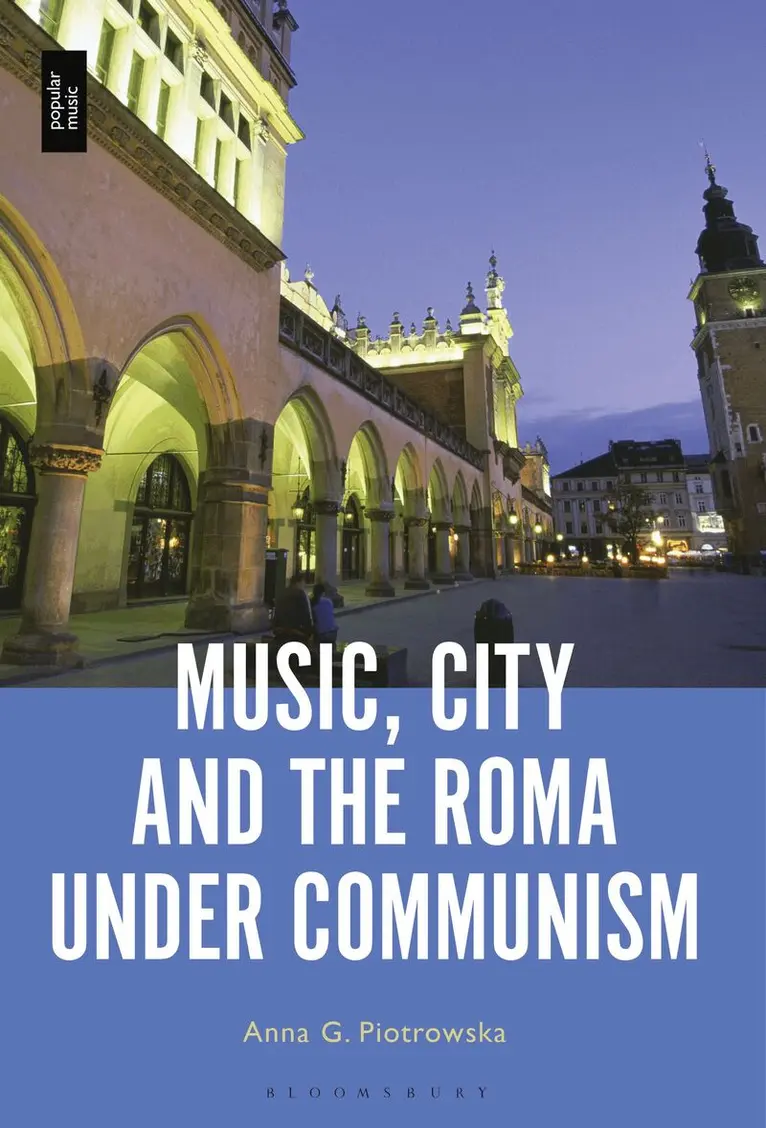
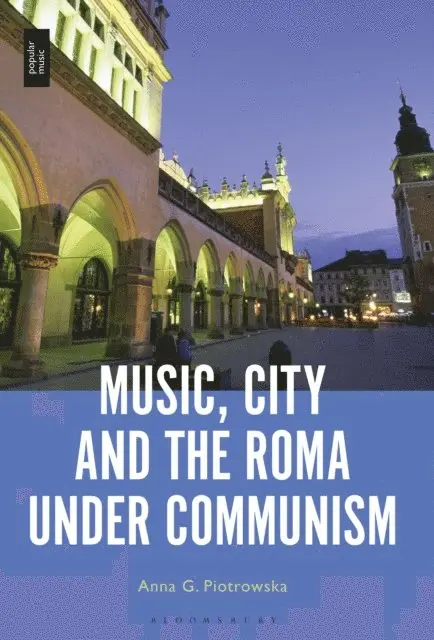
Music, City and the Roma under Communism
Inbunden, 2022
1461 kr
Lägg i varukorg
This book highlights the role of Romani musical presence in Central and Eastern Europe, especially from Krakow in the Communist period, and argues that music can and should be treated as one of the main points of relation between Roma and non-Roma. It discusses Romani performers and the complexity …
Music, City and the Roma under Communism
E-bok, 2022
451 kr
Lägg i varukorg
This book highlights the role of Romani musical presence in Central and Eastern Europe, especially from Krakow in the Communist period, and argues that music can and should be treated as one of the main points of relation between Roma and non-Roma. It discusses Romani performers and the complexity …
Music, City and the Roma under Communism
E-bok, 2022
471 kr
Lägg i varukorg
This book highlights the role of Romani musical presence in Central and Eastern Europe, especially from Krakow in the Communist period, and argues that music can and should be treated as one of the main points of relation between Roma and non-Roma. It discusses Romani performers and the complexity …
Music, City and the Roma under Communism
Häftad, 2023
443 kr
Lägg i varukorg
This book highlights the role of Romani musical presence in Central and Eastern Europe, especially from Krakow in the Communist period, and argues that music can and should be treated as one of the main points of relation between Roma and non-Roma. It discusses Romani performers and the complexity …