Anna Hájková – författare
Visar alla böcker från författaren . Handla med fri frakt och snabb leverans.
10 produkter
10 produkter
Häftad, Engelska, 2025
209 kr
Skickas inom 5-8 vardagar
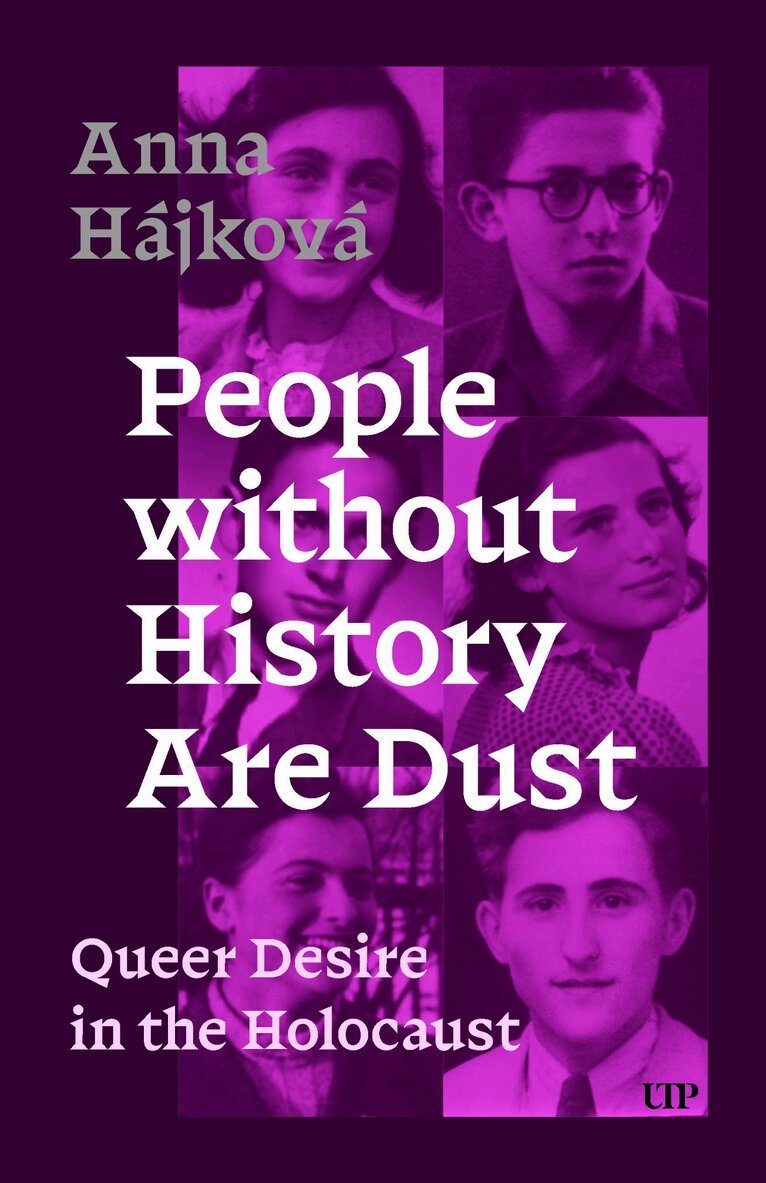
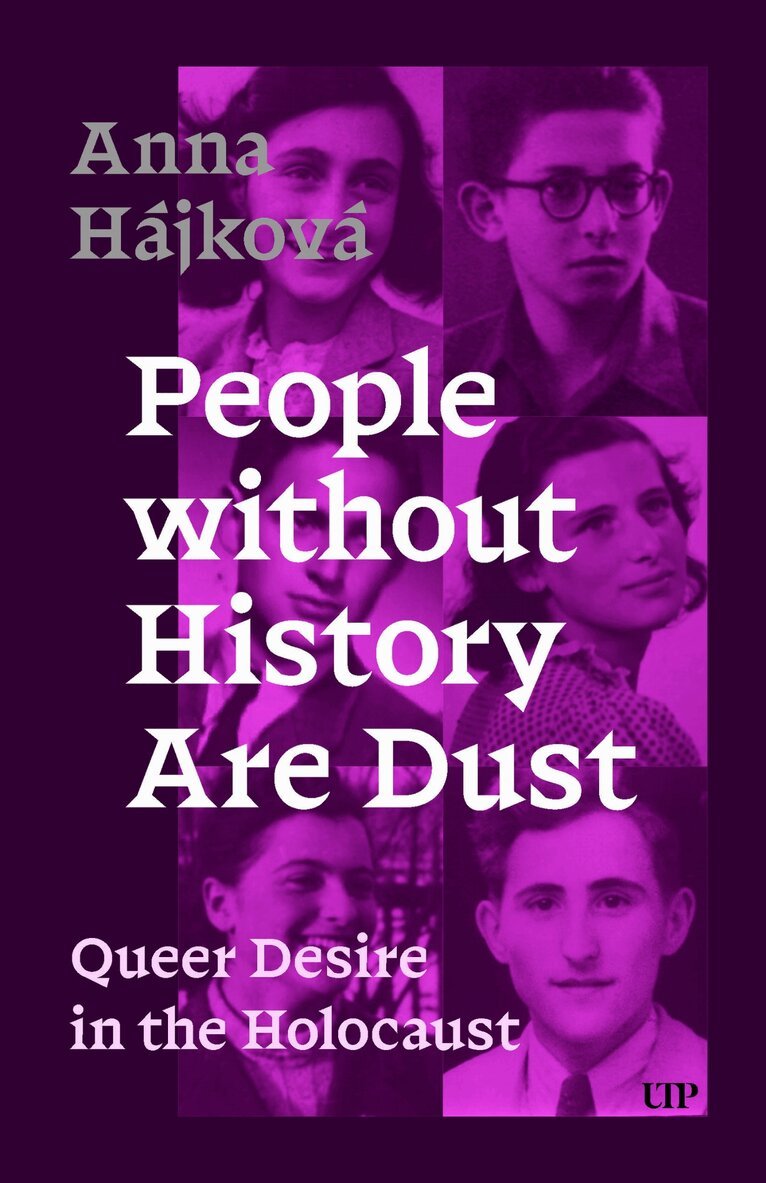
2025 Winner of the Holocaust Category of the 75th National Jewish Book Awards. Queerness remains one of the most stigmatized and overlooked aspects of Holocaust history, often erased due to the lingering homophobia of survivors. People Without History Are Dust challenges this silence, weaving together compelling stories of German, Dutch, Czech, and Polish Jewish Holocaust victims and survivors – including Anne Frank, Molly Applebaum, Margot Heuman, and Gad Beck – whose experiences help illuminate the hidden history of queerness in a time of genocide. Drawing on extensive archival research, this groundbreaking book uncovers the lives of those who were doubly marginalized, not only persecuted as Jews but also as queer individuals. In doing so, it confronts the ways in which history has excluded or minimized their experiences, urging us to question normative accounts of the Holocaust. By shedding light on these long-overlooked stories, People Without History Are Dust deepens our understanding of identity, survival, and memory, reminding us why an inclusive and complex approach to history is essential – not just for the sake of the past, but in service to the present and the future as well.
Inbunden, Engelska, 2021
473 kr
Skickas inom 5-8 vardagar
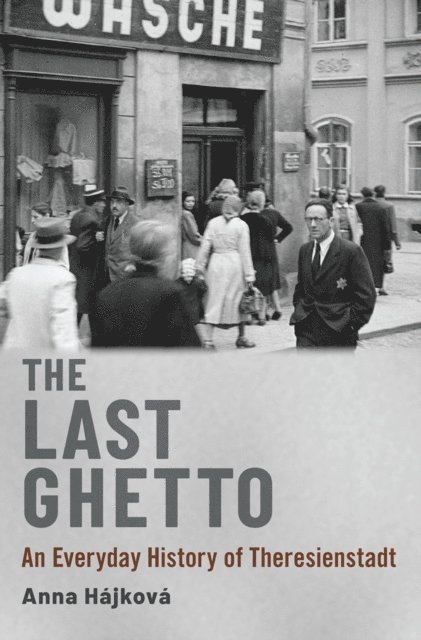
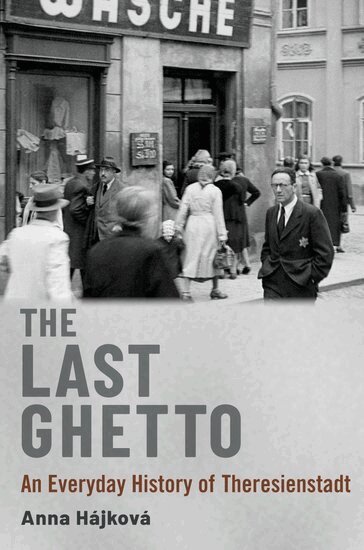
Terezín, as it was known in Czech, or Theresienstadt as it was known in German, was operated by the Nazis between November 1941 and May 1945 as a transit ghetto for Central and Western European Jews before their deportation for murder in the East. Terezín was the last ghetto to be liberated, one day after the end of World War II.The Last Ghetto is the first in-depth analytical history of a prison society during the Holocaust. Rather than depict the prison society which existed within the ghetto as an exceptional one, unique in kind and not understandable by normal analytical methods, Anna Hájková argues that such prison societies that developed during the Holocaust are best understood as simply other instances of the societies human beings create under normal circumstances. Challenging conventional claims of Holocaust exceptionalism, Hájková insists instead that we ought to view the Holocaust with the same analytical tools as other historical events. The prison society of Terezín produced its own social hierarchies under which seemingly small differences among prisoners (of age, ethnicity, or previous occupation) could determine whether one ultimately lived or died. During the three and a half years of the camp's existence, prisoners created their own culture and habits, bonded, fell in love, and forged new families. Based on extensive archival research in nine languages and on empathetic reading of victim testimonies, The Last Ghetto is a transnational, cultural, social, gender, and organizational history of Terezín, revealing how human society works in extremis and highlighting the key issues of responsibility, agency and its boundaries, and belonging.
E-bok
PDF, Engelska, 2020228 kr
Läs direkt efter köp
Terez?n, as it was known in Czech, or Theresienstadt as it was known in German, was operated by the Nazis between November 1941 and May 1945 as a transit ghetto for Central and Western European Jews before their deportation for murder in the East. Terez?n was the last ghetto to be liberated, one day after the end of World War II.The Last Ghetto is the first in-depth analytical history of a prison society during the Holocaust. Rather than depict the prison society which existed within the ghetto as an exceptional one, unique in kind and not understandable by normal analytical methods, Anna H?jkov? argues that such prison societies that developed during the Holocaust are best understood as simply other instances of the societies human beings create under normal circumstances. Challenging conventional claims of Holocaust exceptionalism, H?jkov? insists instead that we ought to view the Holocaust with the same analytical tools as other historical events. The prison society of Terez?n produced its own social hierarchies under which seemingly small differences among prisoners (of age, ethnicity, or previous occupation) could determine whether one ultimately lived or died. During the three and a half years of the camp''s existence, prisoners created their own culture and habits, bonded, fell in love, and forged new families. Based on extensive archival research in nine languages and on empathetic reading of victim testimonies, The Last Ghetto is a transnational, cultural, social, gender, and organizational history of Terez?n, revealing how human society works in extremis and highlighting the key issues of responsibility, agency and its boundaries, and belonging.
E-bok
Engelska, 2020228 kr
Läs direkt efter köp
Terez?n, as it was known in Czech, or Theresienstadt as it was known in German, was operated by the Nazis between November 1941 and May 1945 as a transit ghetto for Central and Western European Jews before their deportation for murder in the East. Terez?n was the last ghetto to be liberated, one day after the end of World War II.The Last Ghetto is the first in-depth analytical history of a prison society during the Holocaust. Rather than depict the prison society which existed within the ghetto as an exceptional one, unique in kind and not understandable by normal analytical methods, Anna H?jkov? argues that such prison societies that developed during the Holocaust are best understood as simply other instances of the societies human beings create under normal circumstances. Challenging conventional claims of Holocaust exceptionalism, H?jkov? insists instead that we ought to view the Holocaust with the same analytical tools as other historical events. The prison society of Terez?n produced its own social hierarchies under which seemingly small differences among prisoners (of age, ethnicity, or previous occupation) could determine whether one ultimately lived or died. During the three and a half years of the camp''s existence, prisoners created their own culture and habits, bonded, fell in love, and forged new families. Based on extensive archival research in nine languages and on empathetic reading of victim testimonies, The Last Ghetto is a transnational, cultural, social, gender, and organizational history of Terez?n, revealing how human society works in extremis and highlighting the key issues of responsibility, agency and its boundaries, and belonging.
Häftad, Engelska, 2023
309 kr
Skickas inom 5-8 vardagar
Terezín, as it was known in Czech, or Theresienstadt as it was known in German, was operated by the Nazis between November 1941 and May 1945 as a transit ghetto for Central and Western European Jews before their deportation for murder in the East. Terezín was the last ghetto to be liberated, one day after the end of World War II.The Last Ghetto is the first in-depth analytical history of a prison society during the Holocaust. Rather than depict the prison society which existed within the ghetto as an exceptional one, unique in kind and not understandable by normal analytical methods, Anna Hájková argues that such prison societies that developed during the Holocaust are best understood as simply other instances of the societies human beings create under normal circumstances. Challenging conventional claims of Holocaust exceptionalism, Hájková insists instead that we ought to view the Holocaust with the same analytical tools as other historical events. The prison society of Terezín produced its own social hierarchies under which seemingly small differences among prisoners (of age, ethnicity, or previous occupation) could determine whether one ultimately lived or died. During the three and a half years of the camp's existence, prisoners created their own culture and habits, bonded, fell in love, and forged new families. Based on extensive archival research in nine languages and on empathetic reading of victim testimonies, The Last Ghetto is a transnational, cultural, social, gender, and organizational history of Terezín, revealing how human society works in extremis and highlighting the key issues of responsibility, agency and its boundaries, and belonging.
Inbunden, Engelska, 2025
746 kr
Skickas inom 5-8 vardagar
Queerness remains one of the most stigmatized and overlooked aspects of Holocaust history, often erased due to the lingering homophobia of survivors. People Without History Are Dust challenges this silence, weaving together compelling stories of German, Dutch, Czech, and Polish Jewish Holocaust victims and survivors – including Anne Frank, Molly Applebaum, Margot Heuman, and Gad Beck – whose experiences help illuminate the hidden history of queerness in a time of genocide. Drawing on extensive archival research, this groundbreaking book uncovers the lives of those who were doubly marginalized, not only persecuted as Jews but also as queer individuals. In doing so, it confronts the ways in which history has excluded or minimized their experiences, urging us to question normative accounts of the Holocaust. By shedding light on these long-overlooked stories, People Without History Are Dust deepens our understanding of identity, survival, and memory, reminding us why an inclusive and complex approach to history is essential – not just for the sake of the past, but in service to the present and the future as well.
E-bok
PDF, Tyska, 202191 kr
Läs direkt efter köp
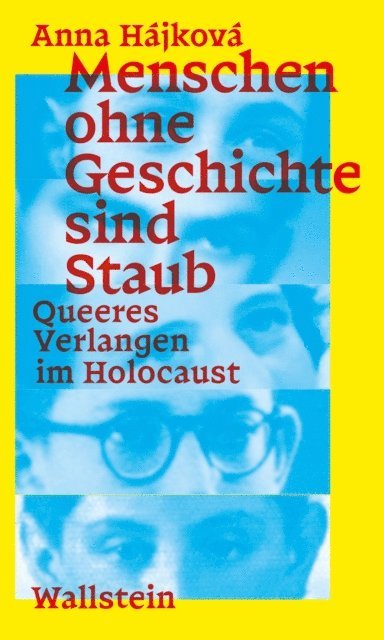
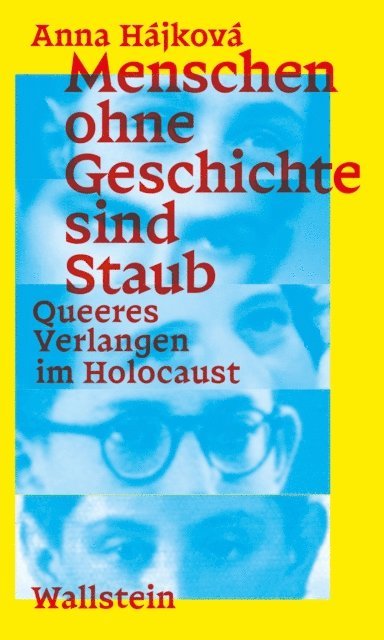
Eine Untersuchung, die für das Erinnern an queere jüdische Opfer während des Holocausts und für ein Ende der Stigmatisierung eintritt.Queere Geschichte des Holocaust, also die Frage nach gleichgeschlechtlichem Verlangen unter den Holocaustopfern, ist bis in die heutigen Tage eine Leerstelle geblieben. Dies liegt an einer weitreichenden Homophobie der Häftlingsgesellschaft in KZs und Ghettos, was dazu führte, dass die Stimmen dieser Menschen weitgehend aus den Archiven getilgt sind. Anna Hájkovás Text baut auf bestehender Forschung zu Homophobie auf und macht den Versuch, die Geschichte dieser ausradierten Menschen zu schreiben. Die Untersuchung ist dabei gleichzeitig eine Geschichte der Sexualität des Holocaust und nimmt in Augenschein, dass die Beziehungen im Lager mitunter ausbeuterisch und gewaltsam waren, wobei die Übergänge fließend waren. Hájková setzt sich mit einigen besonderen Fällen von Jugendlichen (unter anderem Anne Frank) und Erwachsenen auseinander, es geht um romantische, erzwungene und abhängige Beziehungen, um romantische Sexualität und sexuellen Tauschhandel. Sie zeigt die Gleichzeitigkeit von queerer und Hetero-Sexualität und argumentiert, dass wir von einem ausschließlichen Konzept der sexueller Identität Abschied nehmen und von Akten und Praktiken sprechen müssen, um das Verhalten der Opfer verstehen zu können.
Del 14 - Hirschfeld-Lectures
Menschen ohne Geschichte sind Staub
Inbunden, Tyska, 2024
244 kr
Skickas inom 3-6 vardagar
E-bok
PDF, Tyska, 2024204 kr
Läs direkt efter köp
Eine Untersuchung, die für das Erinnern an queere jüdische Opfer während des Holocausts und für ein Ende der Stigmatisierung eintritt.Queere Geschichte des Holocaust, also die Frage nach gleichgeschlechtlichem Verlangen unter den Holocaustopfern, ist bis in die heutigen Tage eine Leerstelle geblieben. Dies liegt an einer weitreichenden Homophobie der Häftlingsgesellschaft in KZs und Ghettos, was dazu führte, dass die Stimmen dieser Menschen weitgehend aus den Archiven getilgt sind. Anna Hájkovás Text baut auf bestehender Forschung zu Homophobie auf und macht den Versuch, die Geschichte dieser ausradierten Menschen zu schreiben. Die Untersuchung ist dabei gleichzeitig eine Geschichte der Sexualität des Holocaust und nimmt in Augenschein, dass die Beziehungen im Lager mitunter ausbeuterisch und gewaltsam waren, wobei die Übergänge fließend waren. Hájková setzt sich mit einigen besonderen Fällen von Jugendlichen (unter anderem Anne Frank) und Erwachsenen auseinander, es geht um romantische, erzwungene und abhängige Beziehungen, um romantische Sexualität und sexuellen Tauschhandel. Sie zeigt die Gleichzeitigkeit von queerer und Hetero-Sexualität und argumentiert, dass wir von einem ausschließlichen Konzept der sexueller Identität Abschied nehmen und von Akten und Praktiken sprechen müssen, um das Verhalten der Opfer verstehen zu können.
204 kr
Läs direkt efter köp
Eine Untersuchung, die für das Erinnern an queere jüdische Opfer während des Holocausts und für ein Ende der Stigmatisierung eintritt.Queere Geschichte des Holocaust, also die Frage nach gleichgeschlechtlichem Verlangen unter den Holocaustopfern, ist bis in die heutigen Tage eine Leerstelle geblieben. Dies liegt an einer weitreichenden Homophobie der Häftlingsgesellschaft in KZs und Ghettos, was dazu führte, dass die Stimmen dieser Menschen weitgehend aus den Archiven getilgt sind. Anna Hájkovás Text baut auf bestehender Forschung zu Homophobie auf und macht den Versuch, die Geschichte dieser ausradierten Menschen zu schreiben. Die Untersuchung ist dabei gleichzeitig eine Geschichte der Sexualität des Holocaust und nimmt in Augenschein, dass die Beziehungen im Lager mitunter ausbeuterisch und gewaltsam waren, wobei die Übergänge fließend waren. Hájková setzt sich mit einigen besonderen Fällen von Jugendlichen (unter anderem Anne Frank) und Erwachsenen auseinander, es geht um romantische, erzwungene und abhängige Beziehungen, um romantische Sexualität und sexuellen Tauschhandel. Sie zeigt die Gleichzeitigkeit von queerer und Hetero-Sexualität und argumentiert, dass wir von einem ausschließlichen Konzept der sexueller Identität Abschied nehmen und von Akten und Praktiken sprechen müssen, um das Verhalten der Opfer verstehen zu können.