Anna Hilton – författare
Visar alla böcker från författaren Anna Hilton. Handla med fri frakt och snabb leverans.
4 produkter
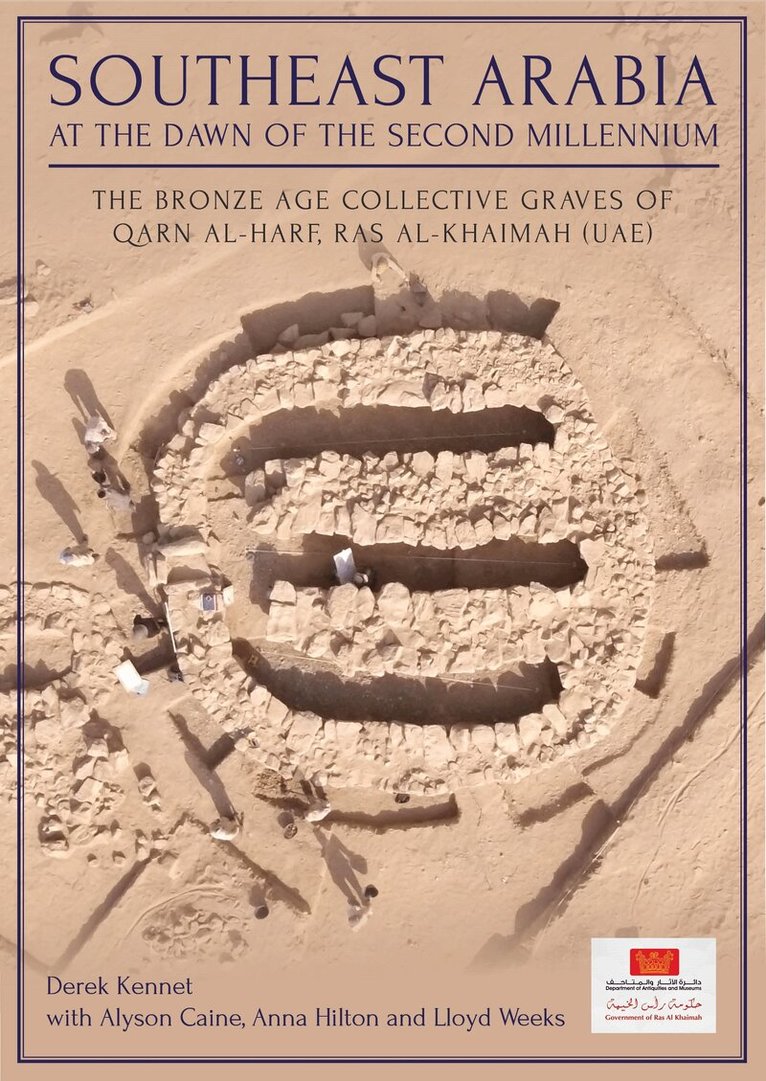
Southeast Arabia at the Dawn of the Second Millennium
The Bronze Age Collective Graves of Qarn al-Harf, Ras al-Khaimah (UAE)
Av Derek Kennet, Alyson Caine m. fl.
Inbunden, 2024
935 kr
Lägg i varukorg
The end of the 3rd millennium was a time of significant transformation in Southeast Arabia (the United Arab Emirates and Northern Oman). The cultural homogeneity of the preceding Early Bronze Age, Umm an-Nar period (c. 2700–2000 BC) came to an end and gave way to the Middle Bronze Age, Wadi Suq …
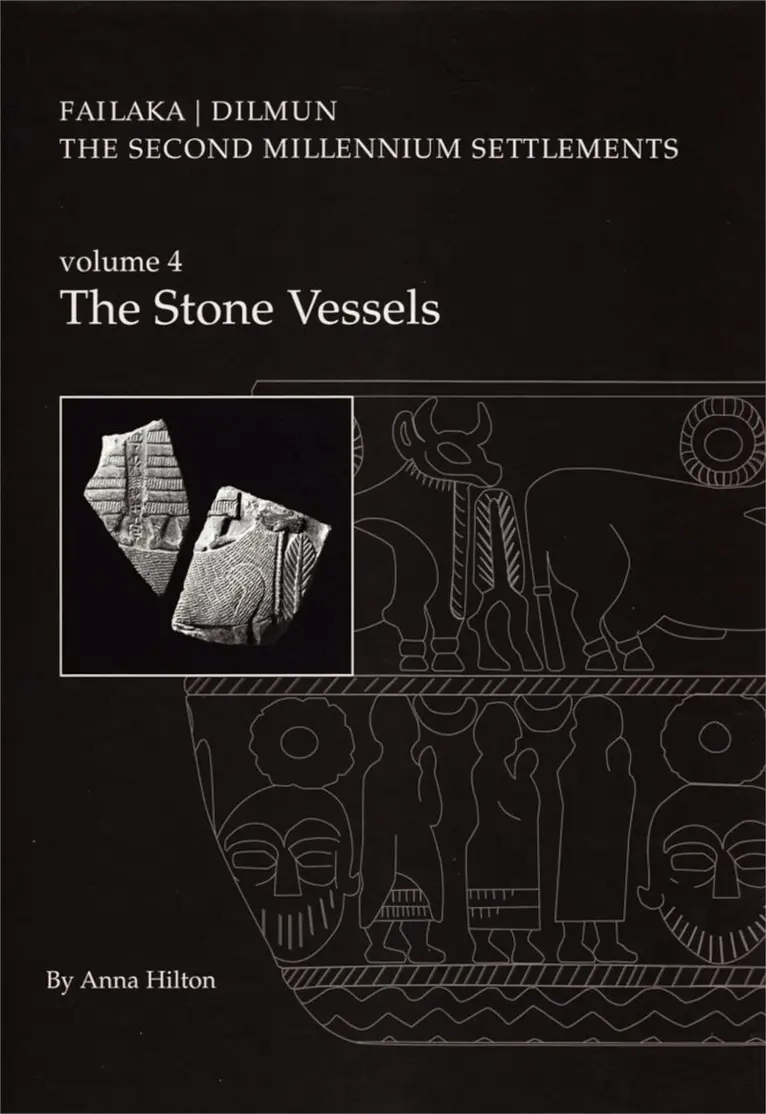
Failaka/Dilmun. the Second Millennium Settlements. Danish Archaoological Investigations on Failaka, Kuwait
Volume 4 the Stone Vessels
Av Anna Hilton
Inbunden, 2014
410 kr
Lägg i varukorg
Excavations carried out by the Danish Moesgaard Museum on the island of Failaka in Kuwait in 1958-1963 produced a large collection of stone vessel fragments which have ever since puzzled scholars. The settlements excavated on Failaka, Tell F3 and Tell F6, belong to the 2nd millennium BC, but stone …
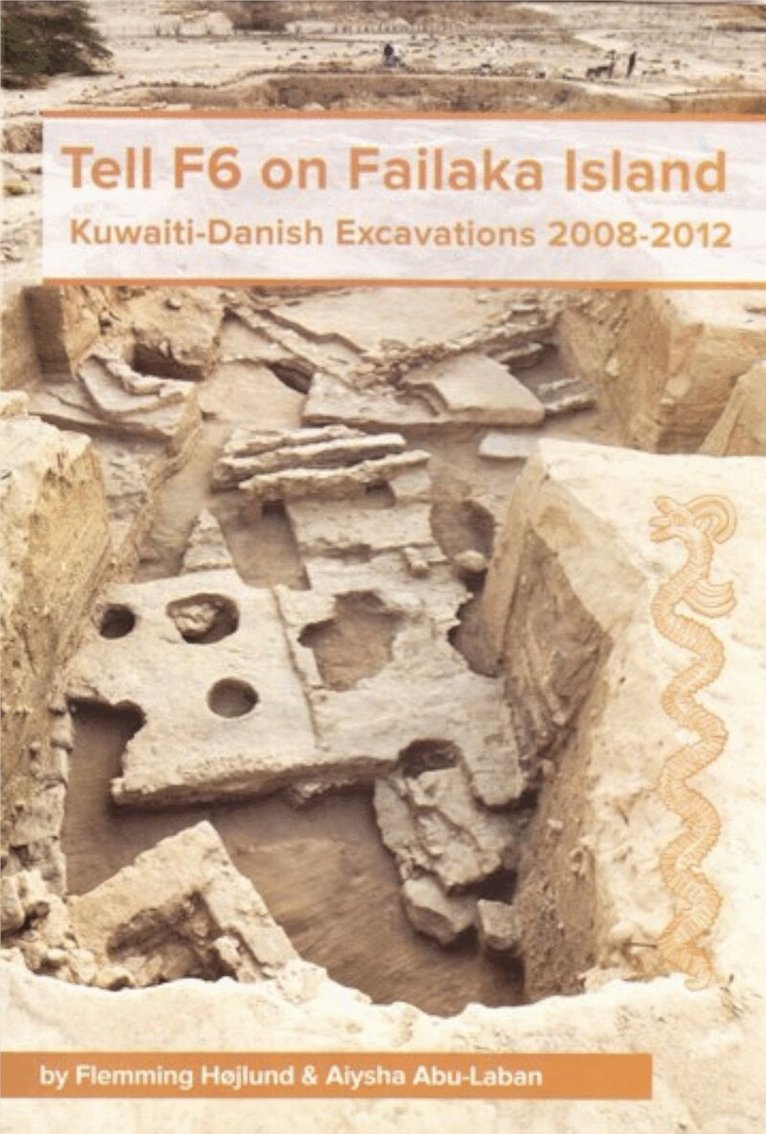
Tell F6 on Failaka Island
Kuwaiti-Danish Excavations 2008-2012
Av Flemming Højlund, Aiysha Abu-Laban m. fl.
Inbunden, 2016
499 kr
Lägg i varukorg
In the 3rd and 2nd millennium BC, the Arabian Gulf was an important waterway linking the large cities and states of Mesopotamia and Iran with Southeast Arabia and the Indus Valley. Trade along the Lower Sea, as the Gulf was named, demanded supporting stations, and civilizations grew and declined …
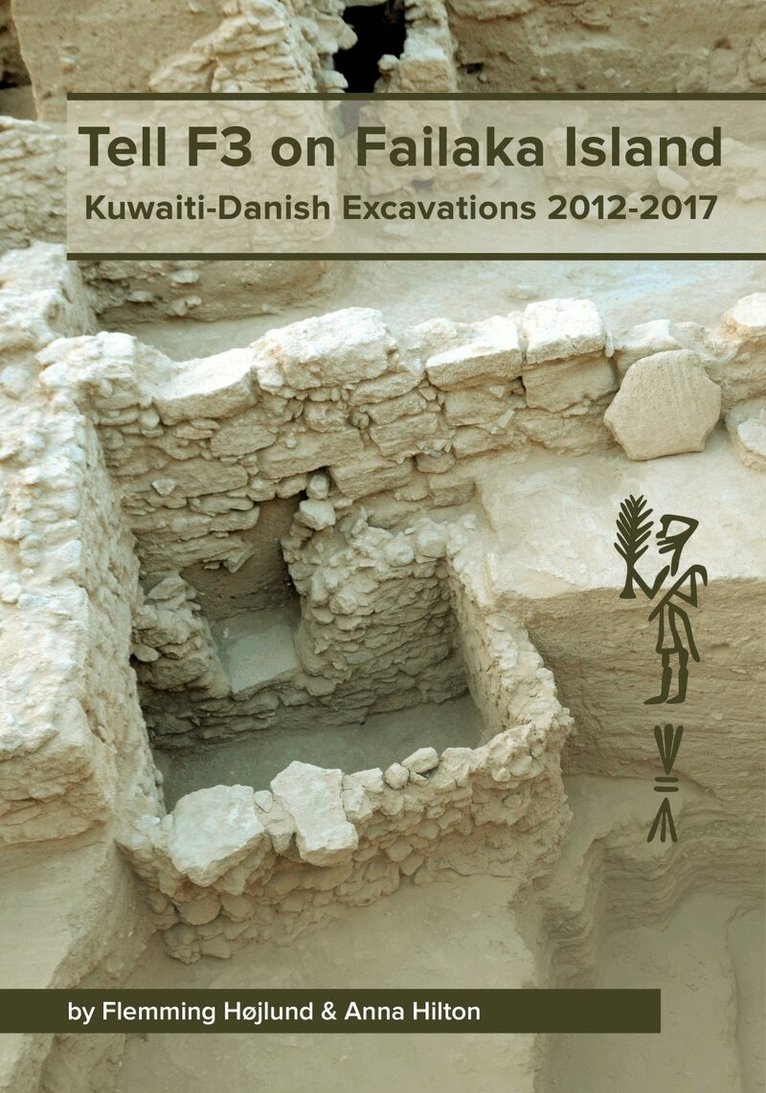
Tell F3 on Failaka Island
Kuwaiti-Danish Excavations 2012-2017
Av Flemming Højlund, Anna Hilton
Inbunden, 2024
426 kr
Tillfälligt slut
Six years of excavations in Tell F3 have uncovered several occupation phases belonging to the middle of the 2nd millennium BC, Failaka period 3B (c. 1600 BC). Though the material culture of Dilmun was heavily influenced by South Mesopotamia, this was a period where Dilmun regained its former …