Anna-Lena Högenauer – författare
Visar alla böcker från författaren Anna-Lena Högenauer. Handla med fri frakt och snabb leverans.
4 produkter
4 produkter
Inbunden, Engelska, 2016
543 kr
Skickas inom 10-15 vardagar
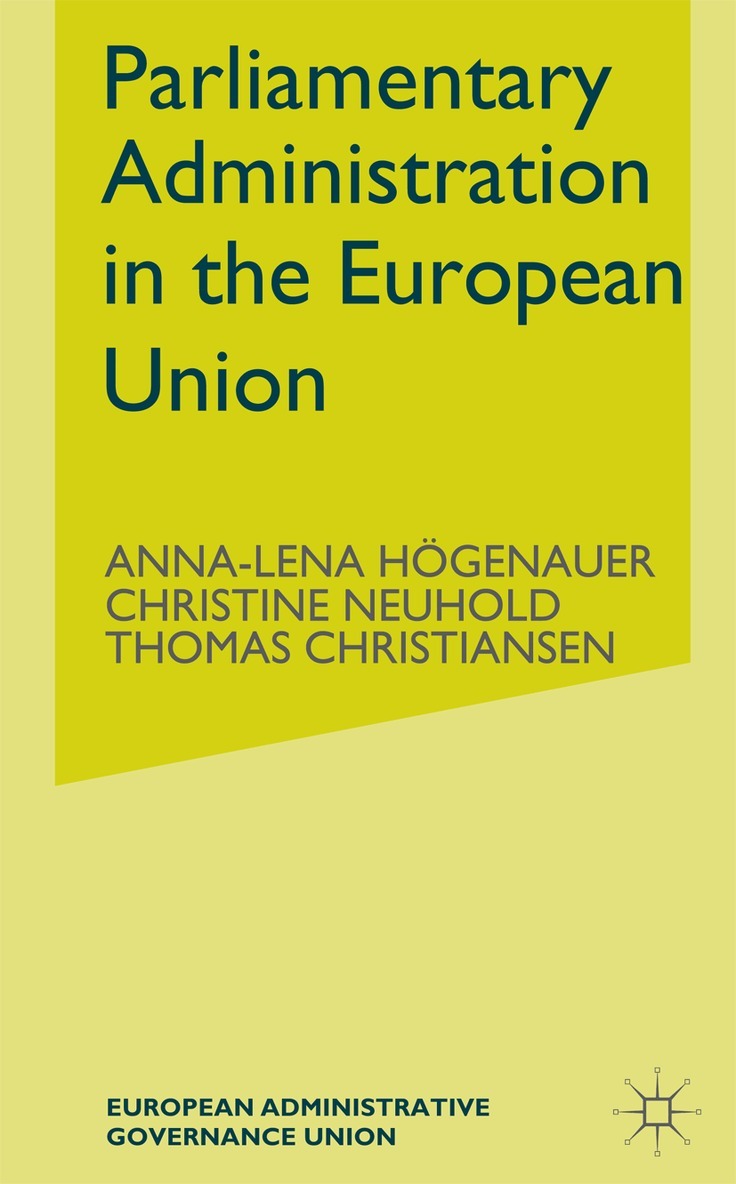
This book offers a comprehensive overview of the role of parliamentary administrations in the control of European Union policy-making. It questions whether the decision to give parliaments greater powers in the aftermath of the Lisbon Treaty had only the intended effect of political debate on European policies, or whether it has also resulted in the bureaucratisation of parliaments. The authors argue that the challenges of information-management faced by parliaments lead them to delegate an extensive set of tasks to their administrations. They offer a broad empirical picture, analysing the challenges faced by national parliaments and the role and response of their administrations in the case of the European Parliament, national parliaments and regional parliaments. In addition, the book studies the interaction between different administrations and their contribution to interparliamentary cooperation. It presents a new and different perspective on the challenges and dynamics of multi-level parliamentarism.
Inbunden, Engelska, 2024
2 055 kr
Skickas inom 10-15 vardagar
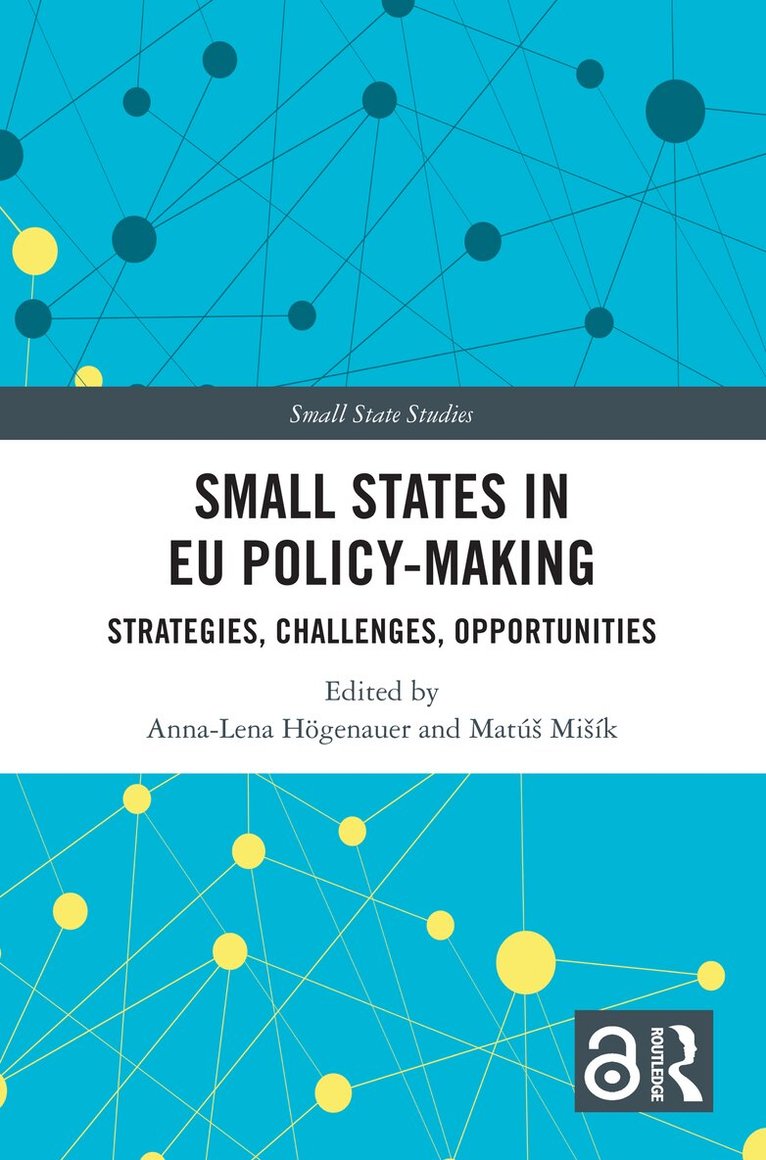
Small States in EU Policy-Making analyses how small states try to impact European Union policy-making through a range of strategies.With the last rounds of enlargement and Brexit, the number and weight of small states in the European Union have steadily increased. At the same time, small states face distinct challenges in different institutions, which may impact their strategies. Nonetheless, the existing literature primarily focuses on the Council of the European Union and the European Council and offers few insights into how small states navigate the other institutions. The contributions to this volume examine how small states can wield influence in different institutions, arguing that they do indeed pursue different strategies depending on institutional context. The policy case studies on the EU’s foreign and security policies confirm these findings: small states can have influence in EU policy-making and can create situations where their needs are met. They are most likely to succeed when they build foreign policy coalitions, when they anticipate major economic developments and when they manage to acquire a high level of expertise in a policy area. However, the case studies also show that there is a risk of small states becoming policy-takers in cases where they cannot provide leadership in terms of ideas and expertise and/or fail to build political weight through coalitions.This book will be of interest to academics and practitioners of European politics and the EU in particular, as well as policy-makers and practitioners working on small states.The Open Access version of this book, available at http://www.taylorfrancis.com, has been made available under a Creative Commons Attribution-Non Commercial-No Derivatives (CC-BY-NC-ND) 4.0 license.
Häftad, Engelska, 2025
680 kr
Skickas inom 10-15 vardagar
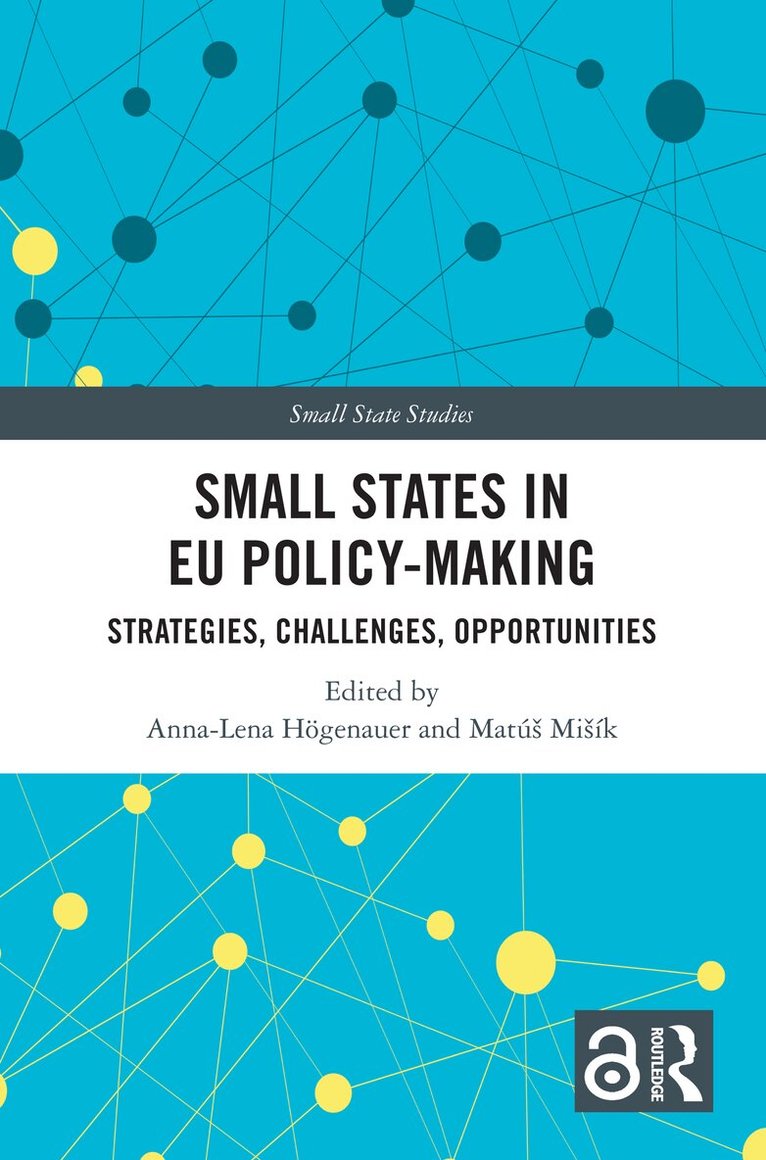
Small States in EU Policy-Making analyses how small states try to impact European Union policy-making through a range of strategies.With the last rounds of enlargement and Brexit, the number and weight of small states in the European Union have steadily increased. At the same time, small states face distinct challenges in different institutions, which may impact their strategies. Nonetheless, the existing literature primarily focuses on the Council of the European Union and the European Council and offers few insights into how small states navigate the other institutions. The contributions to this volume examine how small states can wield influence in different institutions, arguing that they do indeed pursue different strategies depending on institutional context. The policy case studies on the EU’s foreign and security policies confirm these findings: small states can have influence in EU policy-making and can create situations where their needs are met. They are most likely to succeed when they build foreign policy coalitions, when they anticipate major economic developments and when they manage to acquire a high level of expertise in a policy area. However, the case studies also show that there is a risk of small states becoming policy-takers in cases where they cannot provide leadership in terms of ideas and expertise and/or fail to build political weight through coalitions.This book will be of interest to academics and practitioners of European politics and the EU in particular, as well as policy-makers and practitioners working on small states.The Open Access version of this book, available at http://www.taylorfrancis.com, has been made available under a Creative Commons Attribution-Non Commercial-No Derivatives (CC-BY-NC-ND) 4.0 license.
Häftad, Engelska, 2016
543 kr
Skickas inom 10-15 vardagar
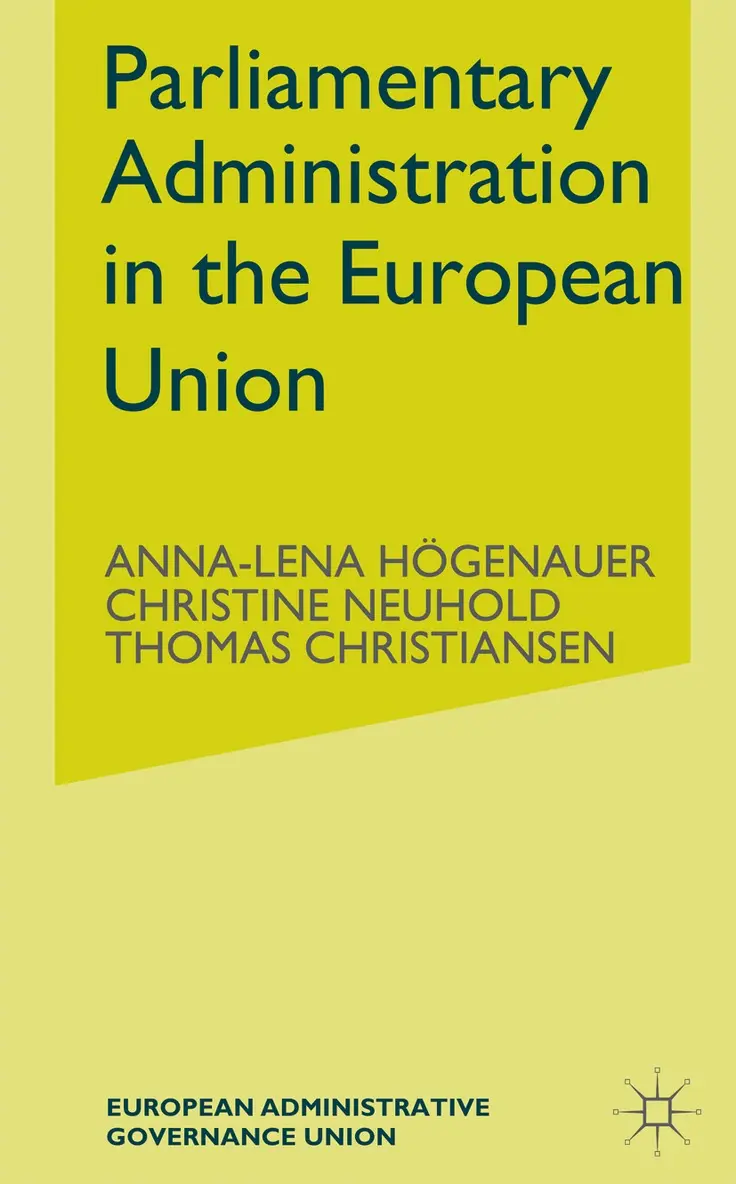
This book offers a comprehensive overview of the role of parliamentary administrations in the control of European Union policy-making. It questions whether the decision to give parliaments greater powers in the aftermath of the Lisbon Treaty had only the intended effect of political debate on European policies, or whether it has also resulted in the bureaucratisation of parliaments. The authors argue that the challenges of information-management faced by parliaments lead them to delegate an extensive set of tasks to their administrations. They offer a broad empirical picture, analysing the challenges faced by national parliaments and the role and response of their administrations in the case of the European Parliament, national parliaments and regional parliaments. In addition, the book studies the interaction between different administrations and their contribution to interparliamentary cooperation. It presents a new and different perspective on the challenges and dynamics of multi-level parliamentarism.