Anna Maria Lis – Författare
Visar alla böcker från författaren Anna Maria Lis. Handla med fri frakt och snabb leverans.
4 produkter
4 produkter
2 113 kr
Skickas inom 10-15 vardagar
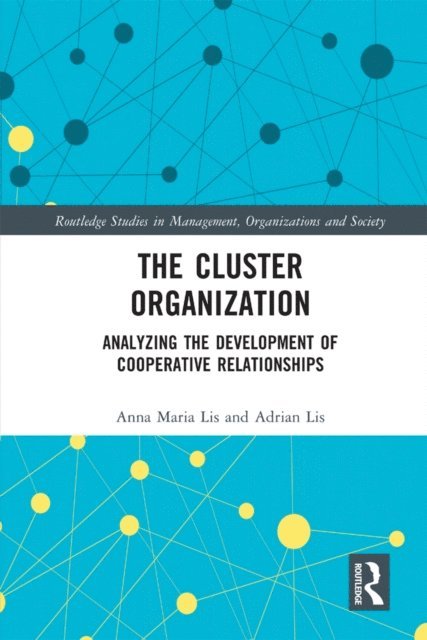
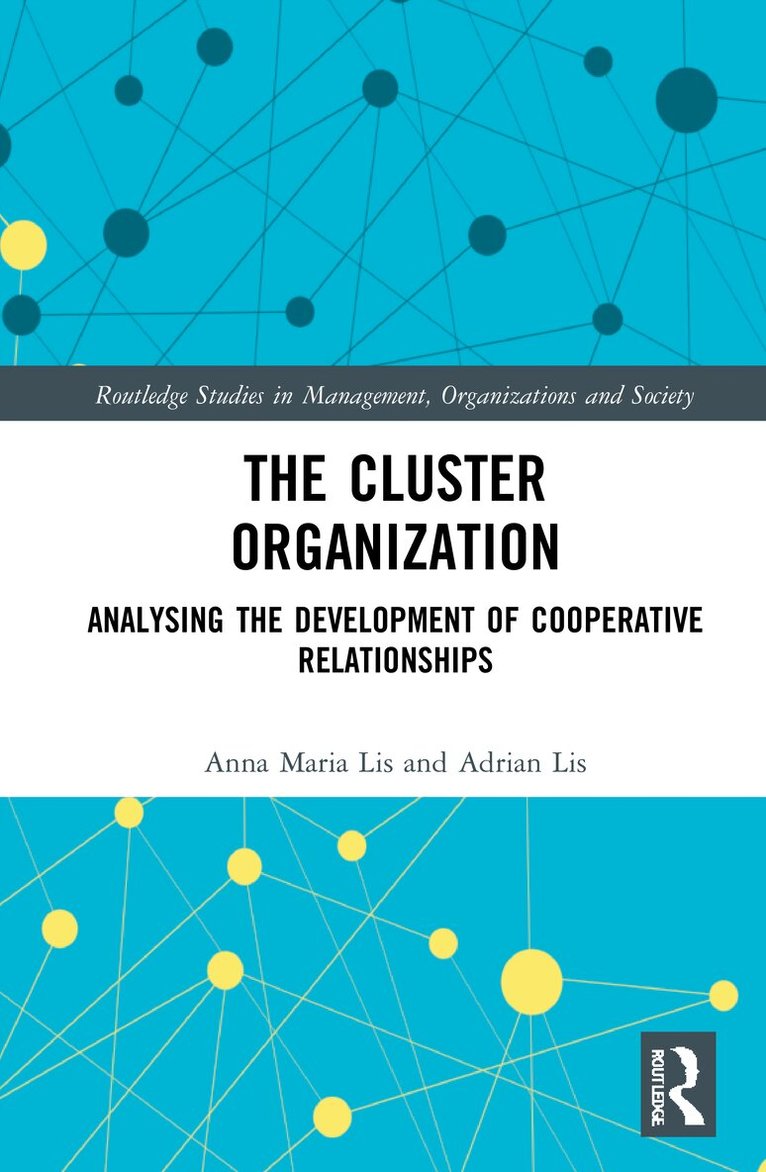
Cluster organizations are becoming more and more popular, both in developing and developed countries. Considering the development of cluster policy and the related dynamic growth of cluster initiatives in the world, the lack of sufficient knowledge on the development of cooperation in cluster organizations inhibits their development and, in many cases, causes their complete disintegration. The book provides new important elements to the current system of knowledge, filling in cognitive and research gaps in the scientific literature on problems related to cooperation in cluster organizations. The most valuable features for the reader concern the epistemological, methodological, and application aspects. The new element includes a theoretical concept, which refers to the trajectory of development of cooperative relationships in cluster organizations that facilitates the understanding and explanation of mechanisms responsible for cooperation in such organizations. The concept also has great practical advantages, especially for people implementing the idea of "clustering": coordinators, facilitators, and members of cluster organizations as well as politicians and public authorities are responsible for shaping and implementing the cluster policy. It will be of value to researchers, academics, and students in fields with an interest in organizational studies, management of innovation and technology, strategic management, industrial economics, and economic geography.
618 kr
Skickas inom 10-15 vardagar
Cluster organizations are becoming more and more popular, both in developing and developed countries. Considering the development of cluster policy and the related dynamic growth of cluster initiatives in the world, the lack of sufficient knowledge on the development of cooperation in cluster organizations inhibits their development and, in many cases, causes their complete disintegration. The book provides new important elements to the current system of knowledge, filling in cognitive and research gaps in the scientific literature on problems related to cooperation in cluster organizations. The most valuable features for the reader concern the epistemological, methodological, and application aspects. The new element includes a theoretical concept, which refers to the trajectory of development of cooperative relationships in cluster organizations that facilitates the understanding and explanation of mechanisms responsible for cooperation in such organizations. The concept also has great practical advantages, especially for people implementing the idea of "clustering": coordinators, facilitators, and members of cluster organizations as well as politicians and public authorities are responsible for shaping and implementing the cluster policy. It will be of value to researchers, academics, and students in fields with an interest in organizational studies, management of innovation and technology, strategic management, industrial economics, and economic geography.
1 977 kr
Skickas inom 10-15 vardagar
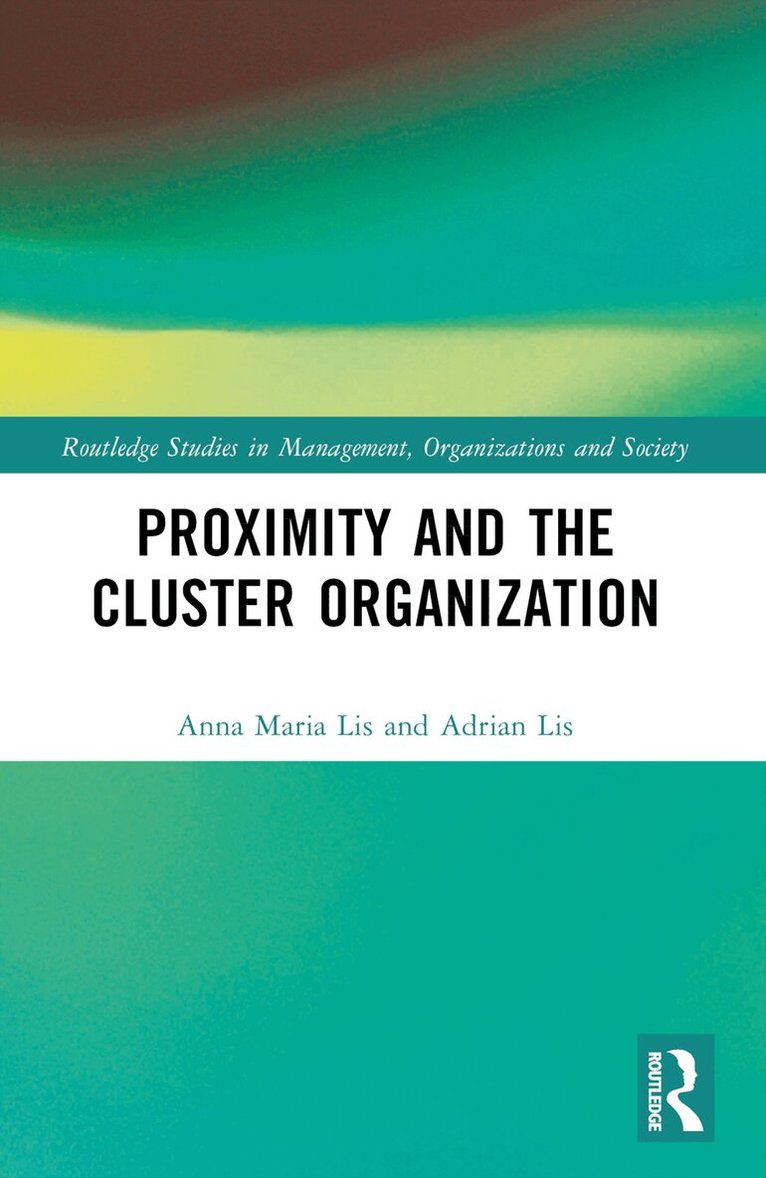
Including the category of proximity in theoretical considerations and empirical analyzes in cluster organizations is an attempt to integrate existing approaches to understand and explain the specificity of inter-organizational cooperation developed in geographical proximity. The importance of geographical proximity to create a competitive advantage is emphasized in all theories on the establishment and development of industrial clusters.However, proximity should not be perceived only in the geographical dimension. The similarity of knowledge systems (cognitive proximity), relationships based on trust (social proximity), organizational links (organizational proximity), and finally the similarity of institutional operating conditions (institutional proximity) enable and facilitate the development of cooperation relationships between business entities. Each of the above-mentioned threads deals separately with issues that have much in common, namely they can be treated as different dimensions of the same concept – proximity. Proximity provides a specific concretization of the features, processes and mechanisms underlying inter-organizational cooperation, and thus facilitates its understanding, increasing the possibility of its effective management.The study provides new important elements to the current system of knowledge, filling in the cognitive and research gaps in the scientific literature on problems related to proximity development in cluster organizations. The new element includes a multidimensional concept of proximity explaining its role in the development of cooperative relationships in the cluster organizations. A strong point of the developed concept is its inductive-abductive origin and the use of grounded theory methodology, which is rare in the studies of cluster organizations. The developed concept has also significant practical advantages since it allows to consciously shape proximity in COs, thus contributing to the development of cooperation between cluster enterprises.
595 kr
Skickas inom 10-15 vardagar
Including the category of proximity in theoretical considerations and empirical analyzes in cluster organizations is an attempt to integrate existing approaches to understand and explain the specificity of inter-organizational cooperation developed in geographical proximity. The importance of geographical proximity to create a competitive advantage is emphasized in all theories on the establishment and development of industrial clusters.However, proximity should not be perceived only in the geographical dimension. The similarity of knowledge systems (cognitive proximity), relationships based on trust (social proximity), organizational links (organizational proximity), and finally the similarity of institutional operating conditions (institutional proximity) enable and facilitate the development of cooperation relationships between business entities. Each of the above-mentioned threads deals separately with issues that have much in common, namely they can be treated as different dimensions of the same concept – proximity. Proximity provides a specific concretization of the features, processes and mechanisms underlying inter-organizational cooperation, and thus facilitates its understanding, increasing the possibility of its effective management.The study provides new important elements to the current system of knowledge, filling in the cognitive and research gaps in the scientific literature on problems related to proximity development in cluster organizations. The new element includes a multidimensional concept of proximity explaining its role in the development of cooperative relationships in the cluster organizations. A strong point of the developed concept is its inductive-abductive origin and the use of grounded theory methodology, which is rare in the studies of cluster organizations. The developed concept has also significant practical advantages since it allows to consciously shape proximity in COs, thus contributing to the development of cooperation between cluster enterprises.