Anna Mdee - Böcker
Visar alla böcker från författaren Anna Mdee. Handla med fri frakt och snabb leverans.
8 produkter
8 produkter
234 kr
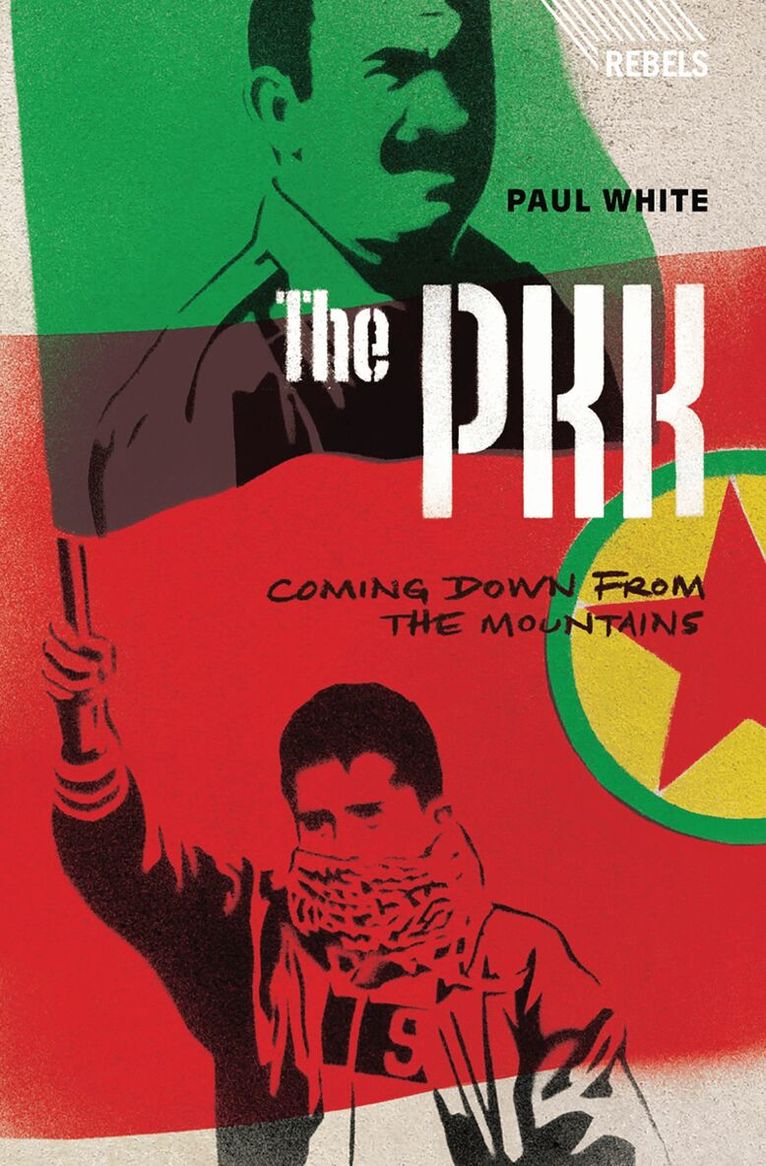
The Kurdistan Workers’ Party (PKK) is infamous for its violence. The struggle it has waged for Kurdish independence in southeastern Turkey has cost in excess of 40,000 lives since 1984. A less-known fact, however, is that the PKK now embraces a non-violent end to the conflict, with its leader Abdullah Öcalan having ordered a ceasefire and engaging in a negotiated peace with the Ankara government. Whether these tentative attempts at peacemaking mean an end to the bloodshed remains to be seen, but either way the ramifications for Turkey and the wider region are potentially huge.Charting the ideological evolution of the PKK, as well as its origins, aims and structure, Paul White provides the only authoritative and up-to-date analysis of one of the most important non-state political players in the contemporary Middle East.
1 209 kr
Skickas inom 10-15 vardagar
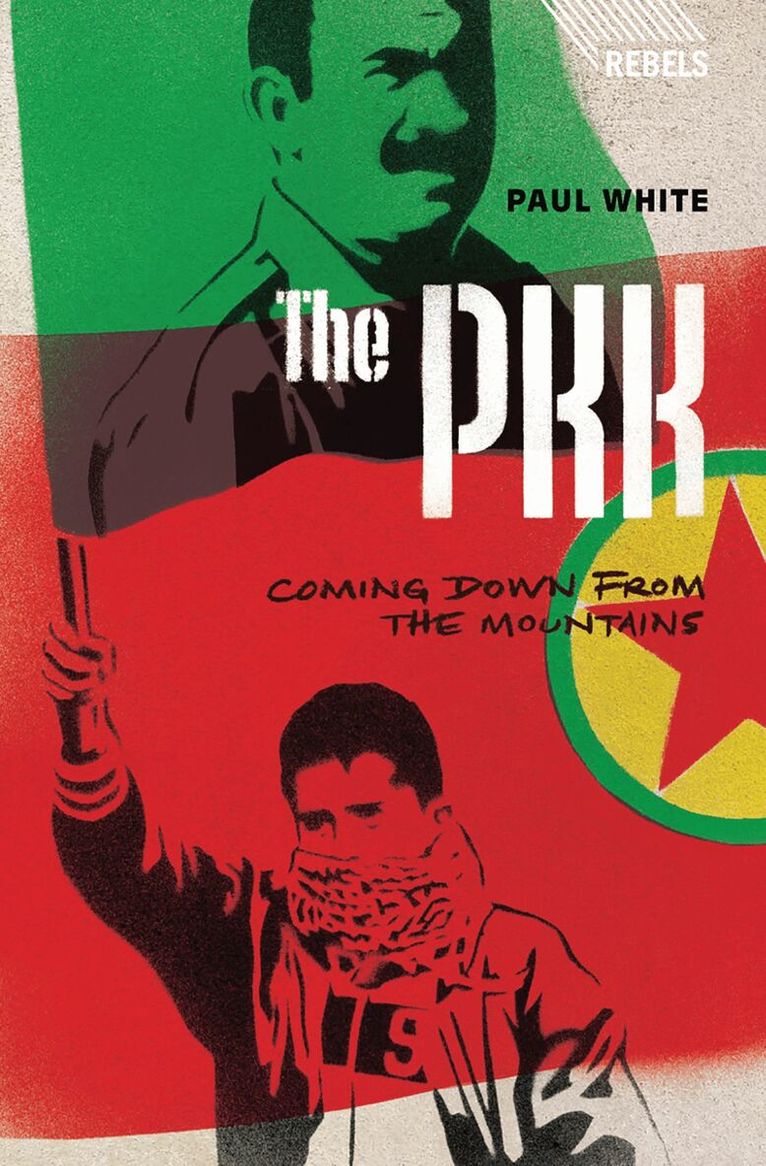
The Kurdistan Workers’ Party (PKK) is infamous for its violence. The struggle it has waged for Kurdish independence in southeastern Turkey has cost in excess of 40,000 lives since 1984. A less-known fact, however, is that the PKK now embraces a non-violent end to the conflict, with its leader Abdullah Öcalan having ordered a ceasefire and engaging in a negotiated peace with the Ankara government. Whether these tentative attempts at peacemaking mean an end to the bloodshed remains to be seen, but either way the ramifications for Turkey and the wider region are potentially huge.Charting the ideological evolution of the PKK, as well as its origins, aims and structure, Paul White provides the only authoritative and up-to-date analysis of one of the most important non-state political players in the contemporary Middle East.
1 209 kr
Skickas inom 10-15 vardagar
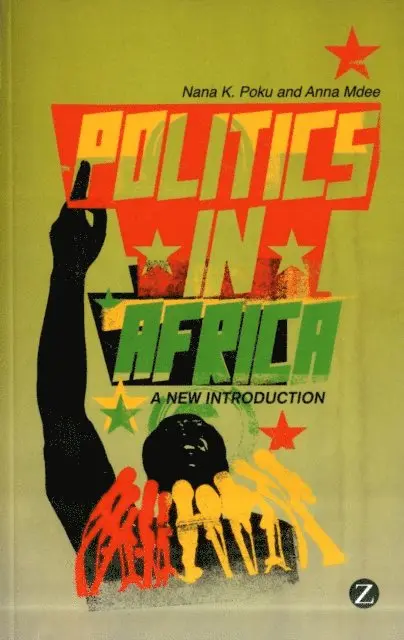
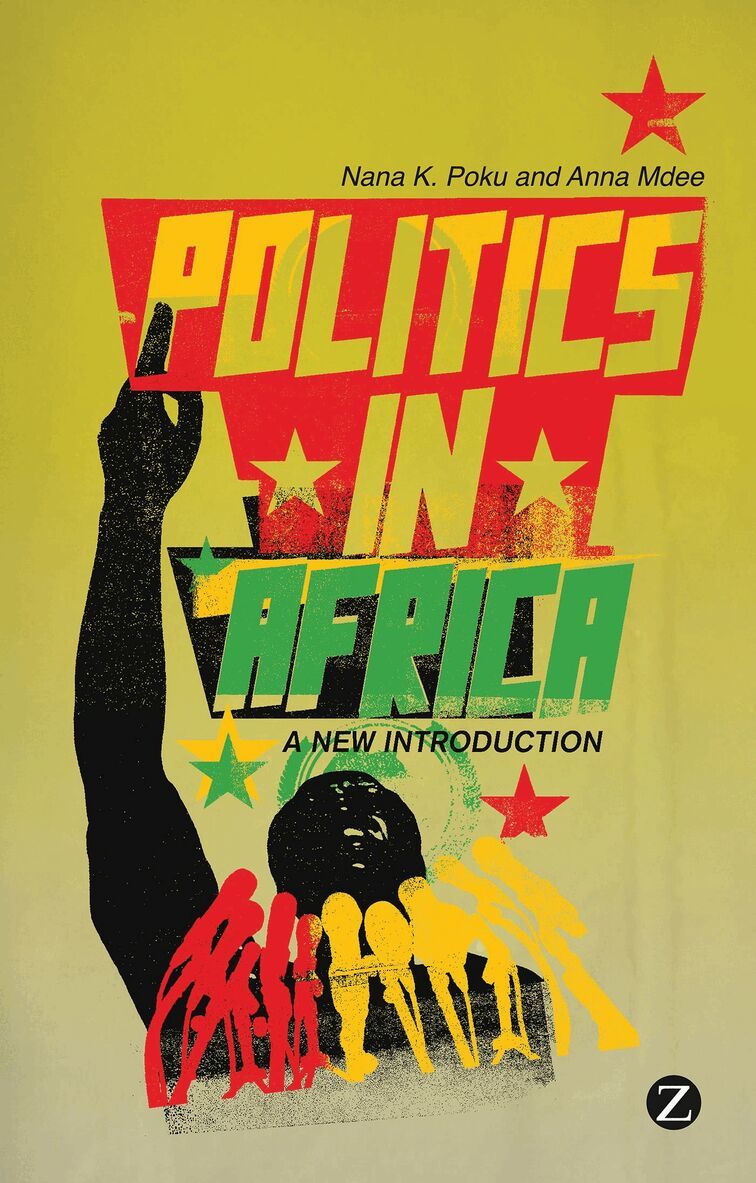
Democracy, prosperity and self-rule, this was the vision of African independence. Across the continent, however, the 'optimism' that characterized the immediate post-independence period has largely faded. Meanwhile, ordinary Africans lurch between undemocratic, unaccountable and unresponsive governments and a decaying traditional African past.How did things go so wrong? Why has the continent lagged behind others in economic development despite its potential natural resources? Why are so many African states prone to conflict? And why has democracy been slow to take root in a majority of the countries? Covering everything from African economies to the role of the state, rural livelihoods to issues of gender, 'Politics in Africa' offers a fresh perspective in answering these questions, making the continent's problems more understandable, less wretched and even intensely hopeful.Up-to-date, concise and provocative, this is indispensable reading for anyone interested in African politics.
287 kr
Skickas inom 10-15 vardagar
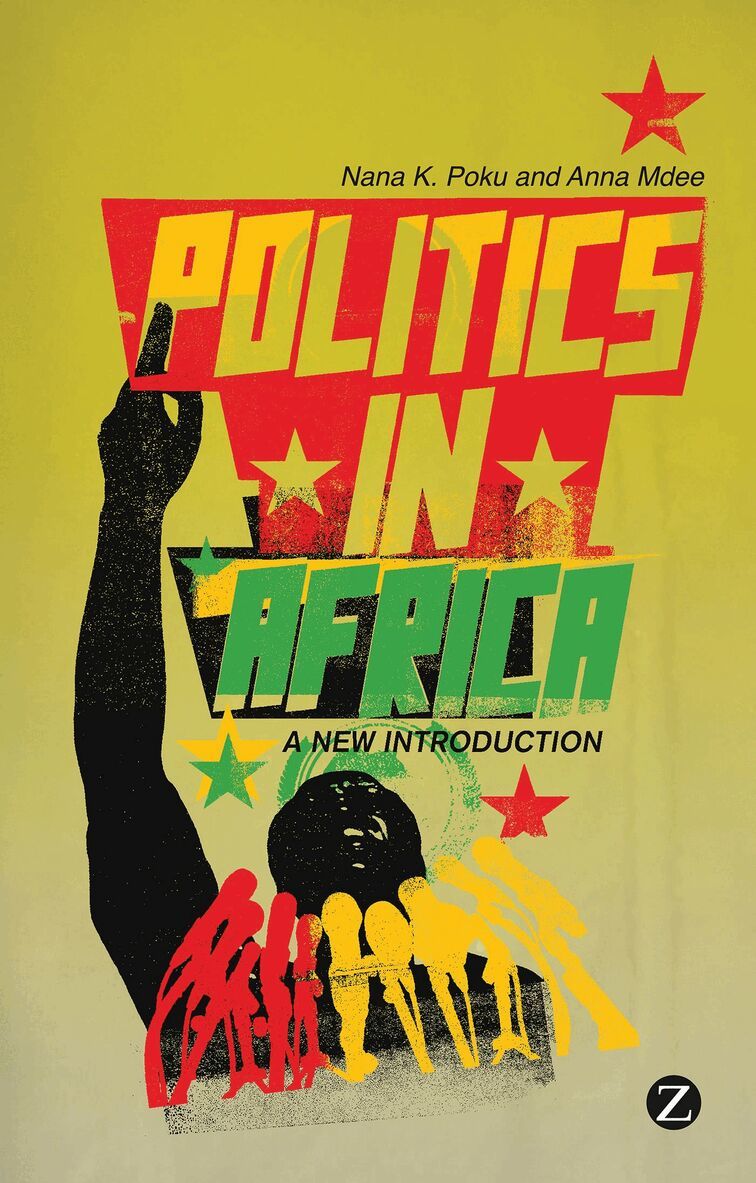
Democracy, prosperity and self-rule, this was the vision of African independence. Across the continent, however, the 'optimism' that characterized the immediate post-independence period has largely faded. Meanwhile, ordinary Africans lurch between undemocratic, unaccountable and unresponsive governments and a decaying traditional African past.How did things go so wrong? Why has the continent lagged behind others in economic development despite its potential natural resources? Why are so many African states prone to conflict? And why has democracy been slow to take root in a majority of the countries? Covering everything from African economies to the role of the state, rural livelihoods to issues of gender, 'Politics in Africa' offers a fresh perspective in answering these questions, making the continent's problems more understandable, less wretched and even intensely hopeful.Up-to-date, concise and provocative, this is indispensable reading for anyone interested in African politics.
1 245 kr
Skickas inom 10-15 vardagar
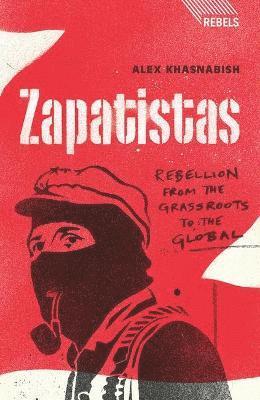
In the early hours of January 1, 1994 a guerrilla army of indigenous Mayan peasants emerged from the highlands and jungle in the far southeast of Mexico and declared "¡Ya basta!" - "Enough!" - to 500 years of colonialism, racism, exploitation, oppression, and genocide. As elites in Canada, the United States, and Mexico celebrated the coming into force of the North American Free Trade Agreement the Zapatista Army of National Liberation (Ejército Zapatista de Liberación Nacional, EZLN) declared war against this 500 year old trajectory toward oblivion, one that they said was most recently reincarnated in the form of neoliberal capitalist globalization that NAFTA represented. While the Zapatista uprising would have a profound impact upon the socio-political fabric of Chiapas its effects would be felt far beyond the borders of Mexico. At a moment when state-sponsored socialism had all but vanished from the global political landscape and other familiar elements of the left appeared utterly demoralized and defeated in the face of neoliberal capitalism's global ascendance, the Zapatista uprising would spark an unexpected and powerful new wave of radical socio-political action transnationally. Through an exploration of the Zapatista movement's origins, history, structure, aims, political philosophy and practice, and future directions this book provides a critical, comprehensive, and accessible overview of one of the most important rebel groups in recent history.
255 kr
Skickas inom 10-15 vardagar
In the early hours of January 1, 1994 a guerrilla army of indigenous Mayan peasants emerged from the highlands and jungle in the far southeast of Mexico and declared "¡Ya basta!" - "Enough!" - to 500 years of colonialism, racism, exploitation, oppression, and genocide. As elites in Canada, the United States, and Mexico celebrated the coming into force of the North American Free Trade Agreement the Zapatista Army of National Liberation (Ejército Zapatista de Liberación Nacional, EZLN) declared war against this 500 year old trajectory toward oblivion, one that they said was most recently reincarnated in the form of neoliberal capitalist globalization that NAFTA represented. While the Zapatista uprising would have a profound impact upon the socio-political fabric of Chiapas its effects would be felt far beyond the borders of Mexico. At a moment when state-sponsored socialism had all but vanished from the global political landscape and other familiar elements of the left appeared utterly demoralized and defeated in the face of neoliberal capitalism's global ascendance, the Zapatista uprising would spark an unexpected and powerful new wave of radical socio-political action transnationally. Through an exploration of the Zapatista movement's origins, history, structure, aims, political philosophy and practice, and future directions this book provides a critical, comprehensive, and accessible overview of one of the most important rebel groups in recent history.
247 kr
Skickas inom 10-15 vardagar
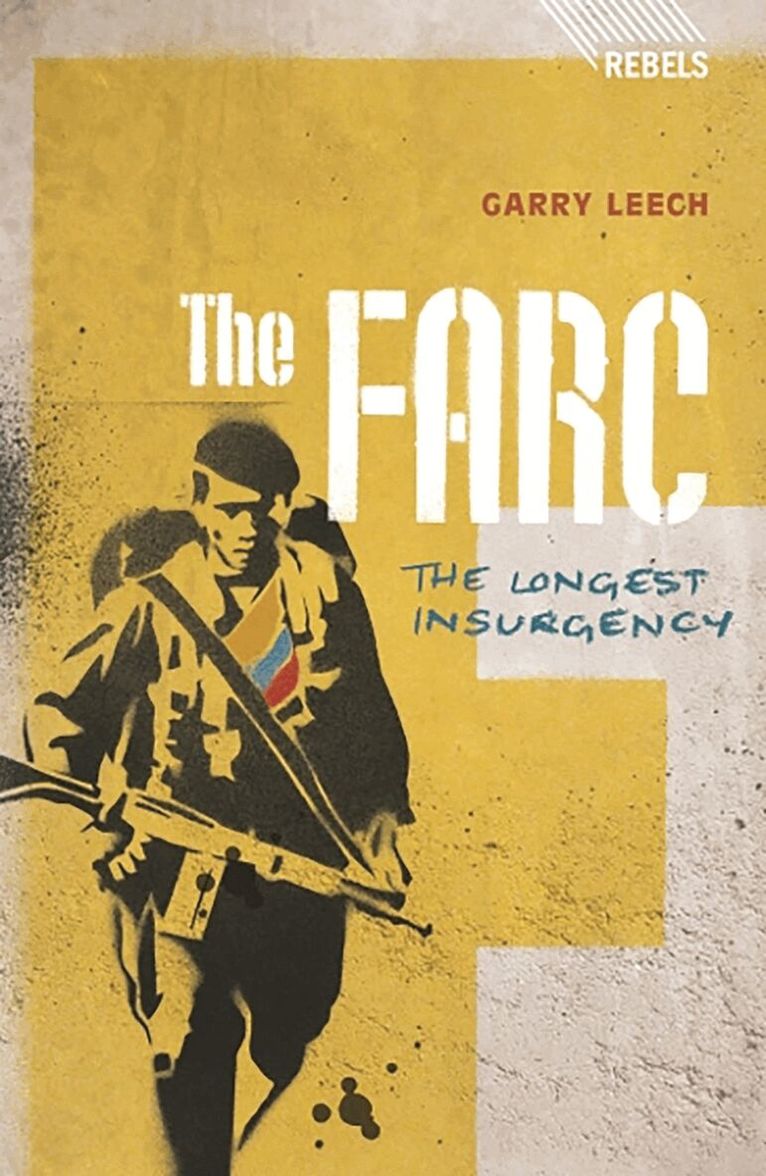
Garry Leech has written the definitive introduction to the FARC, examining the group's origins, aims, and ideology, and looking at its organizational and operational structures. The book also investigates the FARC's impact on local, regional, and global politics and explores its future direction.'Rebels' is an exciting and innovative new series looking at contemporary rebel groups and their place in global politics. Written by leading experts, the books serve as definitive introductions to the individual organizations, whilst seeking to place them within a broader geographical and political framework. They examine the origins, ideology and future direction of each group, whilst posting such questions as 'When does a "rebel" political movement become a "terrorist" organization?' and 'What are the social-economic drivers behind political violence?'.Provocative and original, the series is essential reading for anyone interested in how rebel groups operate today.
1 209 kr
Skickas inom 10-15 vardagar
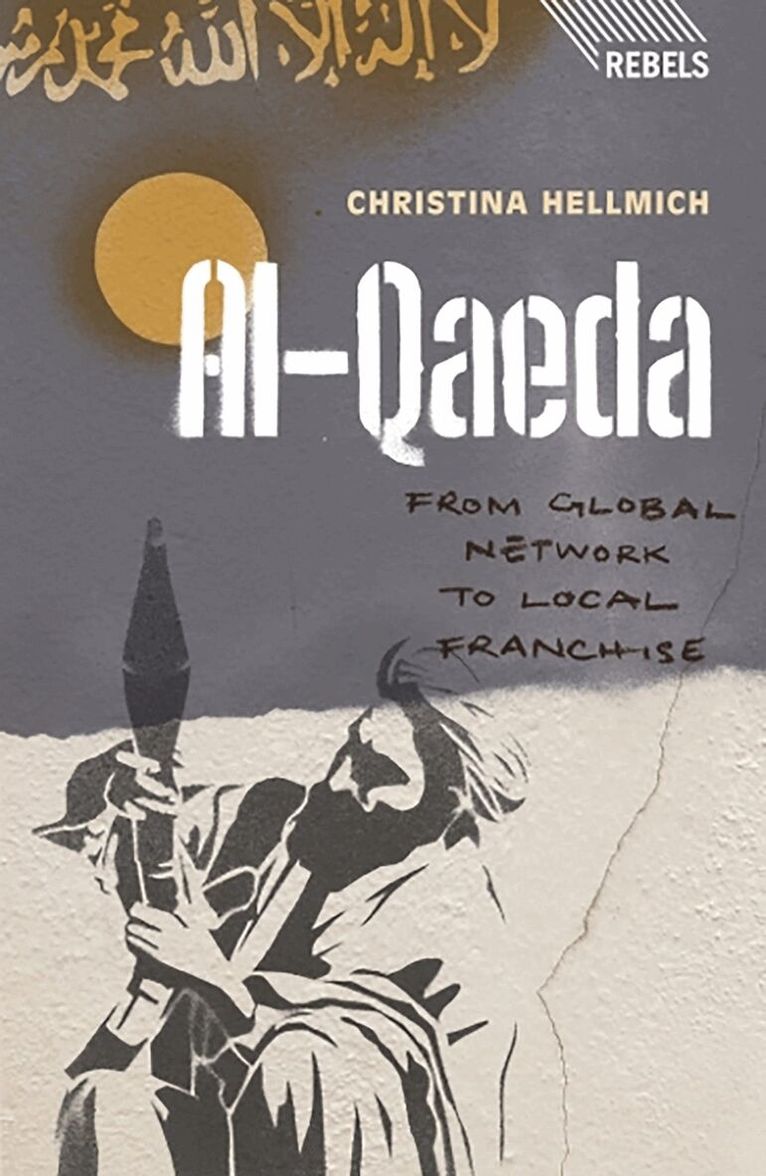
Since the attacks of September 11th 2001 and up to and beyond Osama bin Ladin's death, al-Qaeda has come to embody the new enigmatic face of terrorism, dominating discussions of national and international security. Yet in spite of the attention it receives, conflicting assumptions about the group abound. Is al-Qaeda a rigidly structured organization, a global network of semi-independent cells, a franchise, or simply an idea whose time has come? What is meant by talk of the ‘global Salafi jihad’ that is confronting the West? What are the implications of bin Ladin's death?Christina Hellmich offers a critical examination of the widely-held notions regarding the origins and manifestations of al-Qaeda and the sources on which they rely, mapping the organisation’s alleged transition from what began as a regional struggle against the Soviets in Afghanistan to the increasingly leaderless jihad of the post-9/11 world. Rather than just providing yet another biography of al-Qaeda, Hellmich forensically examines discrepancies between the most common explanations and to the limits of what can realistically be known.Drawing on a wide variety of sources, 'al-Qaeda: From Global Network to Local Franchise' offers a penetrating insight into an organization which, for all its notoriety, is one of the least-understood of our time.