Anna Neill – författare
Visar alla böcker från författaren Anna Neill. Handla med fri frakt och snabb leverans.
5 produkter
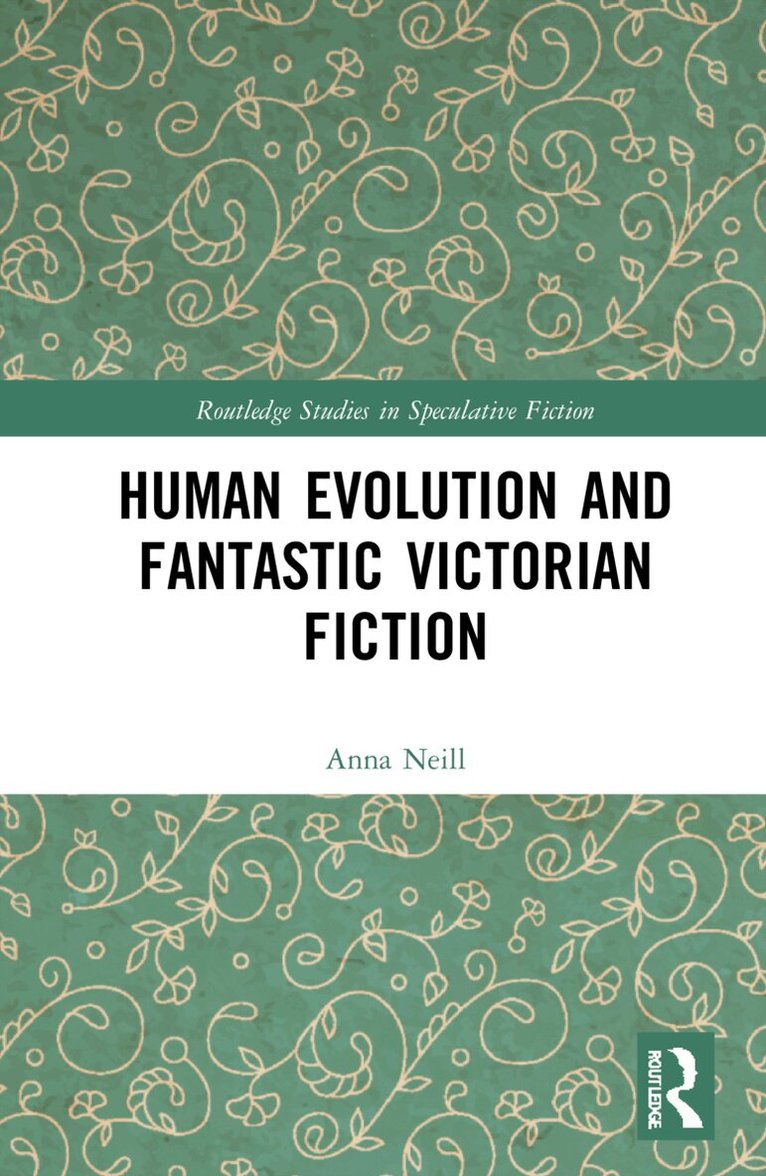
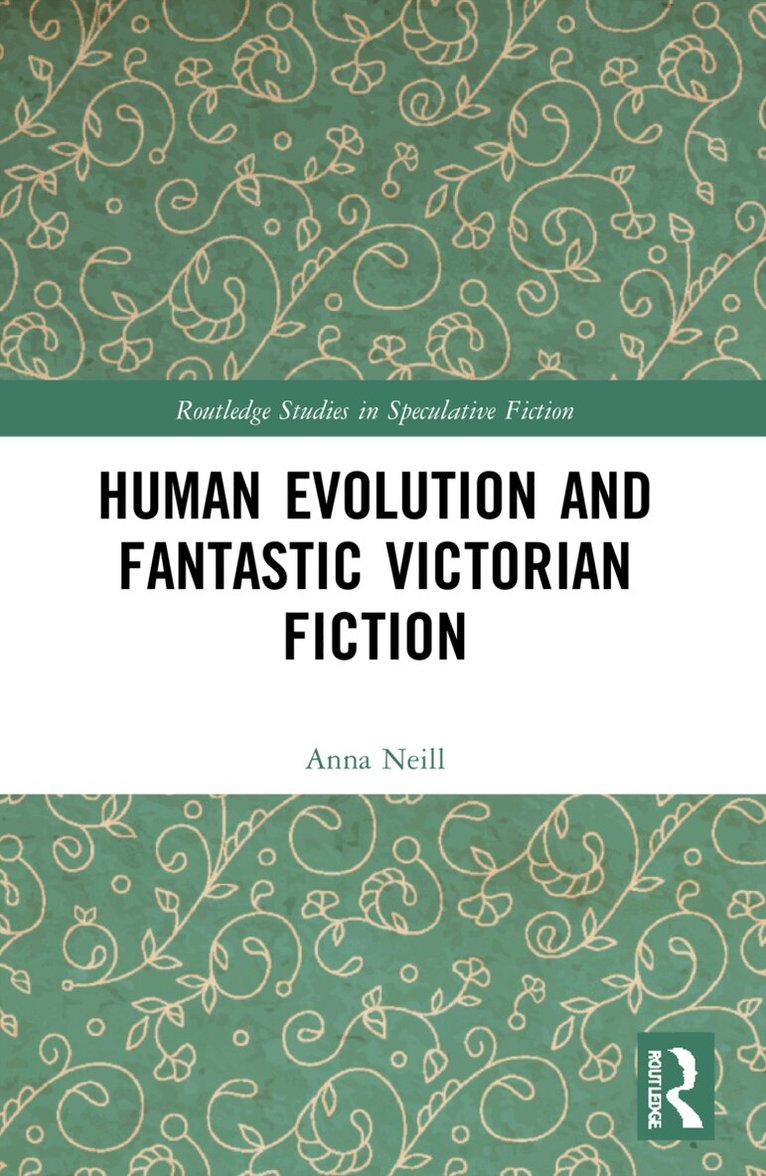
Human Evolution and Fantastic Victorian Fiction
Av Anna Neill
Inbunden, 2021
2887 kr
Lägg i varukorg
Following the publication of Darwin’s On the Origin of Species, Victorian anthropology made two apparently contradictory claims: it distinguished "civilized man" from animals and "primitive" humans and it linked them though descent. Paradoxically, it was by placing human history in a deep past …
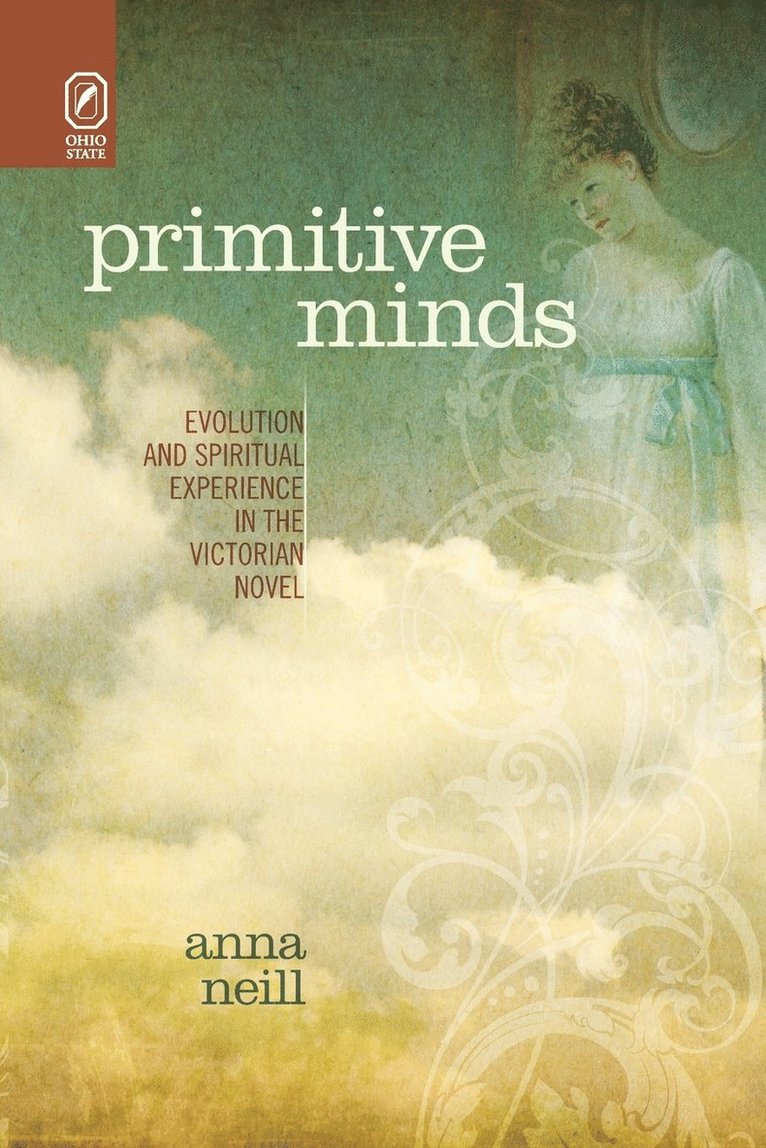
Primitive Minds
Evolution and Spiritual Experience in the Victorian Novel
Av Anna Neill
Häftad, 2016
676 kr
Lägg i varukorg
Human Evolution and Fantastic Victorian Fiction
Av Anna Neill
E-bok, 2021
876 kr
Lägg i varukorg
Following the publication of Darwin’s On the Origin of Species , Victorian anthropology made two apparently contradictory claims: it distinguished "civilized man" from animals and "primitive" humans and it linked them though descent. Paradoxically, it was by placing human history in a deep past …
Human Evolution and Fantastic Victorian Fiction
Av Anna Neill
E-bok, 2021
849 kr
Lägg i varukorg
Following the publication of Darwin’s On the Origin of Species , Victorian anthropology made two apparently contradictory claims: it distinguished "civilized man" from animals and "primitive" humans and it linked them though descent. Paradoxically, it was by placing human history in a deep past …
Human Evolution and Fantastic Victorian Fiction
Av Anna Neill
Häftad, 2023
744 kr
Lägg i varukorg
Following the publication of Darwin’s On the Origin of Species, Victorian anthropology made two apparently contradictory claims: it distinguished "civilized man" from animals and "primitive" humans and it linked them though descent. Paradoxically, it was by placing human history in a deep past …