Anna Smajdor - Böcker
Visar alla böcker från författaren Anna Smajdor. Handla med fri frakt och snabb leverans.
5 produkter
5 produkter
1 322 kr
Skickas inom 5-8 vardagar
This is a book for anyone who has ever paused to wonder: Will cloning ever be legal? Why it is that 'saviour siblings' and sex selection provoke such strong reactions? Will there ever be such a thing as an artificial womb? Assisted reproductive technologies are unique in their capacity to challenge our assumptions and elicit passionate responses. Looking at the moral, philosophical, and legal issues surrounding cases of surrogacy, single or same-sex parenthood, retrieval of sperm from dead or dying patients, and the insemination of post-menopausal women, this book questions whether these rapidly-developing technologies are refashioning the nature of the family. The UK has played a unique role in the development and regulation of reproductive technologies, and has been at the forefront of controversy over 'saviour siblings', designer babies, reproductive cloning, and embryo research. This book provides a clear and simple account of the techniques involved in assisted reproduction and embryo research, and discusses the legal and ethical implications of some of these technologies, illustrated by compelling descriptions of real-life cases. The book also addresses the ways in which reproductive technologies are regulated, critically examining the role of the Human Fertilisation and Embryology Authority and comparing the UK's approach with that of other countries. Finally, it contemplates the possibility that some of our most deeply-held assumptions about human nature may be called into question by further developments in stem cell research and fertility treatments.
686 kr
Skickas inom 5-8 vardagar
This is a book for anyone who has ever paused to wonder: Will cloning ever be legal? Why it is that 'saviour siblings' and sex selection provoke such strong reactions? Will there ever be such a thing as an artificial womb? Assisted reproductive technologies are unique in their capacity to challenge our assumptions and elicit passionate responses. Looking at the moral, philosophical, and legal issues surrounding cases of surrogacy, single or same-sex parenthood, retrieval of sperm from dead or dying patients, and the insemination of post-menopausal women, this book questions whether these rapidly-developing technologies are refashioning the nature of the family. The UK has played a unique role in the development and regulation of reproductive technologies, and has been at the forefront of controversy over 'saviour siblings', designer babies, reproductive cloning, and embryo research. This book provides a clear and simple account of the techniques involved in assisted reproduction and embryo research, and discusses the legal and ethical implications of some of these technologies, illustrated by compelling descriptions of real-life cases. The book also addresses the ways in which reproductive technologies are regulated, critically examining the role of the Human Fertilisation and Embryology Authority and comparing the UK's approach with that of other countries. Finally, it contemplates the possibility that some of our most deeply-held assumptions about human nature may be called into question by further developments in stem cell research and fertility treatments.
461 kr
Skickas
The Oxford Handbook of Medical Ethics and Law is the definitive guide to the legal and ethical issues around medical and surgical practice. It is written with the busy clinician in mind who will not have time to read lengthy and complex legal or philosophical documents but requires the key information presented without technical jargon in a handy quick-reference style. The handbook also includes a substantial number of examples taken from a wide variety of specialties with the relevant legal and ethical issues clearly explained, so that the reader can see how these principles play out in day-to-day patient care. Both medical students and current professionals will find this an essential practical resource.
Ethics of Human Reproduction and the Family
Individual and Collective Interests
Inbunden, Engelska, 2026
1 406 kr
Kommande
This open access book is the first volume on the ethics of intra-familial reproduction, exploring cutting-edge debates and developments in reproductive science and their impact on how we conceptualize kinship.In recent decades, reproductive technologies have enabled novel uses of family members’ reproductive materials (such as gametes or wombs) or functions (such as pregnancy). Reproductive material has been collected from comatose or deceased people at the request of their spouses, and then used in reproduction. Invasive fertility preservation measures have been undertaken on children, at the request of their parents. Mothers have carried their adult offspring´s babies in their wombs in order to help them become parents. Such examples raise unprecedented ethical challenges. Whose interests ground the creation of offspring using a deceased person’s gametes? What is the relation between a mother and the grandchild that she gave birth to; between a deceased man and the children conceived with his sperm; or between the parents of a deceased woman and the baby that they created with her eggs? Contributors to The Ethics of Intra-familial Access to Reproductive Potential explore how these new forms of family connection will only grow in number and complexity as new technologies proliferate. Chapters contribute to ongoing debates on the moral status of children, the importance of genetic reproduction, and the clarification of claims to others’ reproductive capacities in the context of the family.The ebook editions of this book are available open access under a CC BY-NC-ND 4.0 licence on bloomsburycollections.com. Open access was funded by the Marcus and Amalia Wallenberg Foundation.
1 228 kr
Skickas
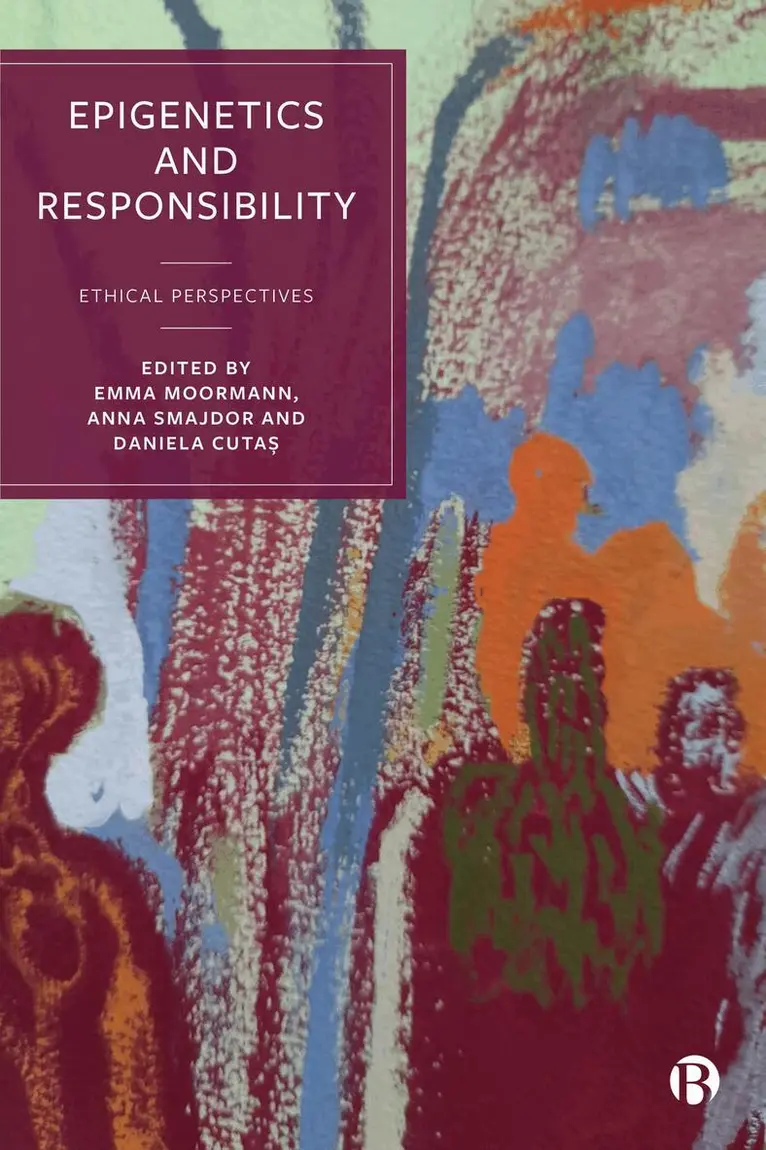
EPUB and EPDF available Open Access under CC-BY-NC-ND licence.We tend to hold people responsible for their choices, but not for what they can’t control: their nature, genes or biological makeup. This thought-provoking collection redefines the boundaries of moral responsibility. It shows how epigenetics reveals connections between our genetic make-up and our environment. The essays challenge established notions of human nature and the nature/nurture divide and suggest a shift in focus from individual to collective responsibility. Uncovering the links between our genetic makeup, environment and experiences, this is an important contribution to ongoing debates on ethics, genetics and responsibility.