Anna Suvorova – författare
Visar alla böcker från författaren Anna Suvorova. Handla med fri frakt och snabb leverans.
4 produkter
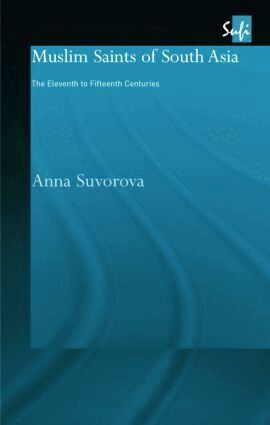
Muslim Saints of South Asia
The Eleventh to Fifteenth Centuries
Inbunden, 2004
2512 kr
Lägg i varukorg
This book studies the veneration practices and rituals of the Muslim saints. It outlines principal trends of the main Sufi orders in India, the profiles and teachings of the famous and less known saints, and the development of pilgrimage to their tombs in India, Pakistan and Bangladesh. A detailed …
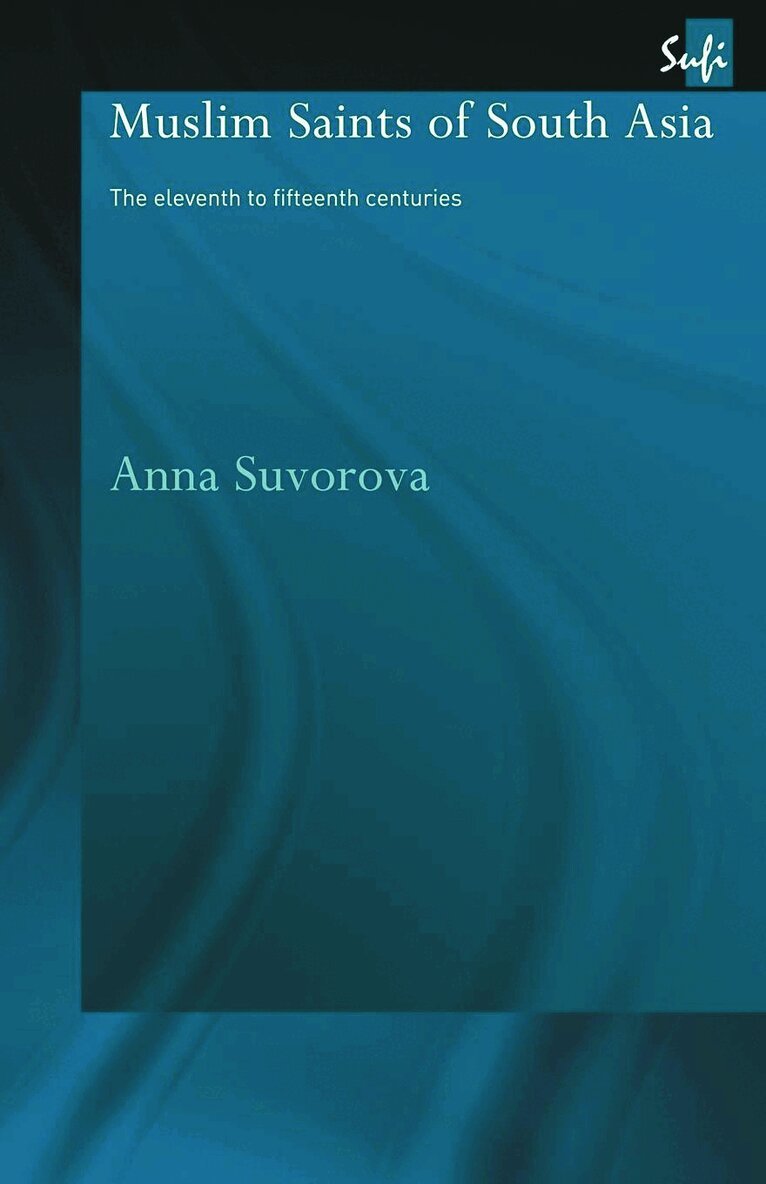
Muslim Saints of South Asia
The Eleventh to Fifteenth Centuries
Häftad, 2011
750 kr
Lägg i varukorg
This book studies the veneration practices and rituals of the Muslim saints. It outlines principal trends of the main Sufi orders in India, the profiles and teachings of the famous and less known saints, and the development of pilgrimage to their tombs in India, Pakistan and Bangladesh. A detailed …
Muslim Saints of South Asia
The Eleventh to Fifteenth Centuries
E-bok, 2004
890 kr
Lägg i varukorg
This book studies the veneration practices and rituals of the Muslim saints. It outlines principal trends of the main Sufi orders in India, the profiles and teachings of the famous and less known saints, and the development of pilgrimage to their tombs in India, Pakistan and Bangladesh. A detailed …
Muslim Saints of South Asia
The Eleventh to Fifteenth Centuries
E-bok, 2004
883 kr
Lägg i varukorg
This book studies the veneration practices and rituals of the Muslim saints. It outlines principal trends of the main Sufi orders in India, the profiles and teachings of the famous and less known saints, and the development of pilgrimage to their tombs in India, Pakistan and Bangladesh. A detailed …