Anna Szaniawska – författare
Visar alla böcker från författaren Anna Szaniawska. Handla med fri frakt och snabb leverans.
6 produkter
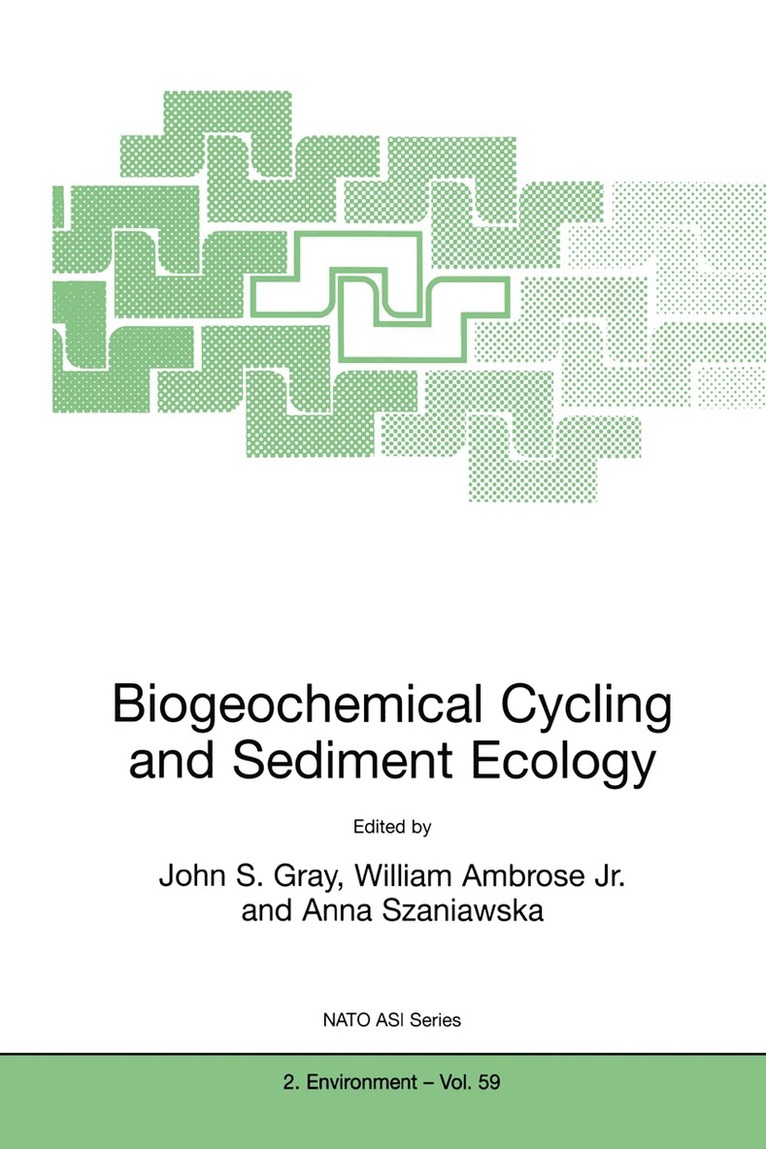
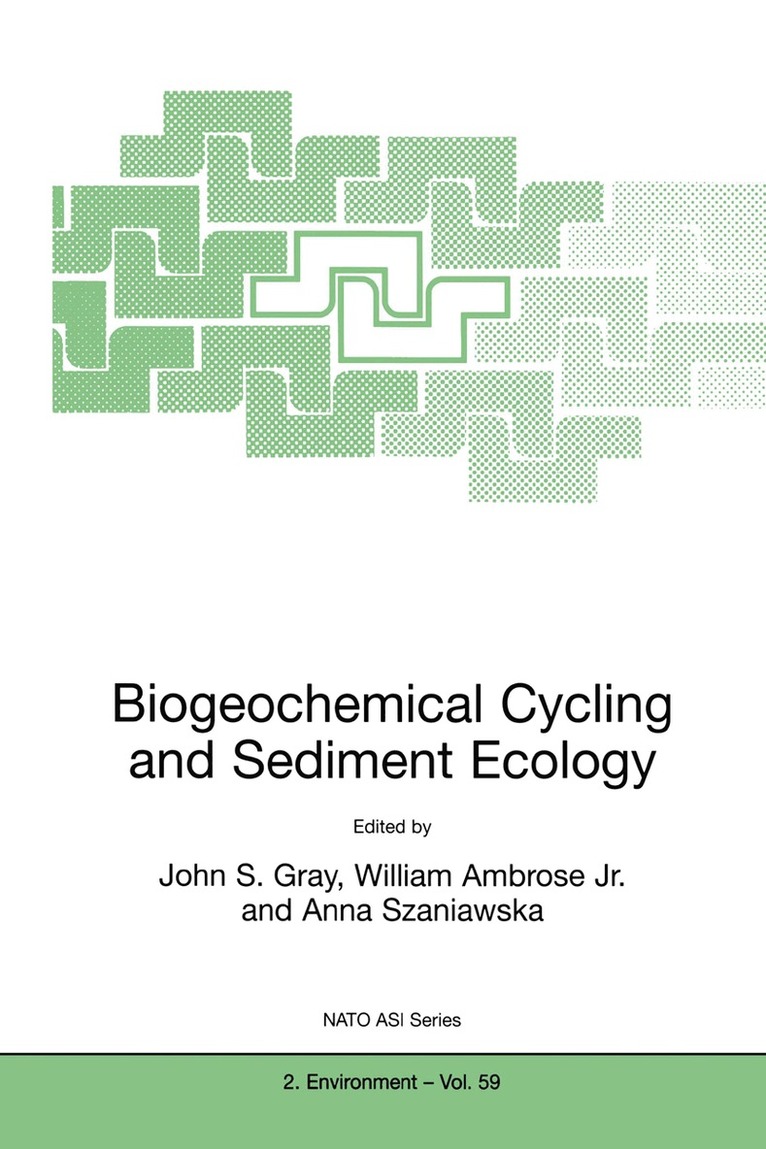
Biogeochemical Cycling and Sediment Ecology
Av J. Gray, William Ambrose Jr. m. fl.
Inbunden, 1999
1643 kr
Lägg i varukorg
This text represents a survey of recent Russian research on element cycling in the ocean, with new data on the Aral Sea. It takes the form of a broad-scale review of organic matter cycling in the world's oceans and in particular the working of marginal filters. It provides an up-to-date survey of …
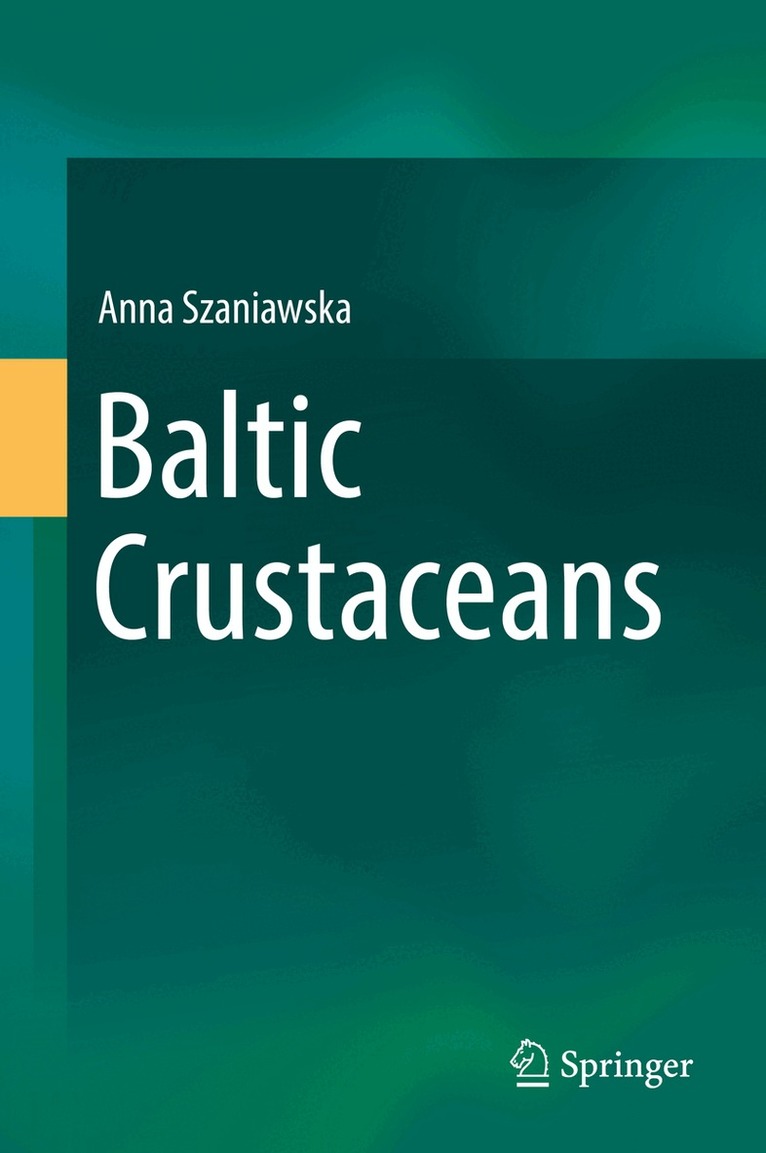
Baltic Crustaceans
Inbunden, 2017
1098 kr
Lägg i varukorg
This book presents all Malacostracan cructaceans occurring in the Baltic Sea in water salinity from 2 to 15 psu. The Baltic sea is very special due to its low salinity and characteristic fauna. For each of the 58 species the systematic position, the origin and distribution in European waters are …
Baltic Crustaceans
E-bok, 2017
1459 kr
Lägg i varukorg
This book presents all Malacostracan cructaceans occurring in the Baltic Sea in water salinity from 2 to 15 psu. The Baltic sea is very special due to its low salinity and characteristic fauna. For each of the 58 species the systematic position, the origin and distribution in European waters are …
Baltic Crustaceans
Häftad, 2018
1095 kr
Lägg i varukorg
This book presents all Malacostracan cructaceans occurring in the Baltic Sea in water salinity from 2 to 15 psu. The Baltic sea is very special due to its low salinity and characteristic fauna. For each of the 58 species the systematic position, the origin and distribution in European waters are …
Biogeochemical Cycling and Sediment Ecology
Av J. Gray, William Ambrose Jr. m. fl.
Häftad, 2012
1643 kr
Lägg i varukorg
Oceanographic discontinuities (e. g. frontal systems, upwelling areas, ice edges) are often areas of enhanced biological productivity. Considerable research on the physics and biology of the physical boundaries defining these discontinues has been accomplished (see [I D. The interface between water …
Biogeochemical Cycling and Sediment Ecology
Av Anna Szaniawska, William Ambrose Jr. m. fl.
E-bok, 2012
2111 kr
Lägg i varukorg
Oceanographic discontinuities (e. g. frontal systems, upwelling areas, ice edges) are often areas of enhanced biological productivity. Considerable research on the physics and biology of the physical boundaries defining these discontinues has been accomplished (see [I D. The interface between water …