Annabeth Headrick - Böcker
Visar alla böcker från författaren Annabeth Headrick. Handla med fri frakt och snabb leverans.
2 produkter
2 produkter
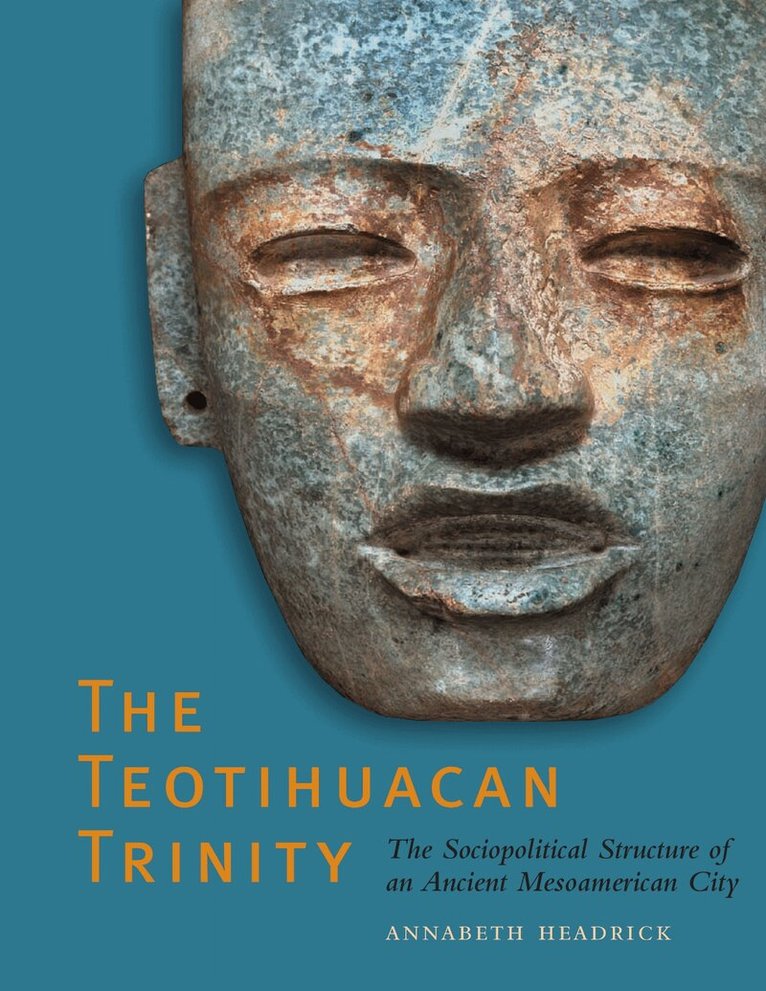
Teotihuacan Trinity
The Sociopolitical Structure of an Ancient Mesoamerican City
Häftad, Engelska, 2007
346 kr
Skickas inom 7-10 vardagar
Northeast of modern-day Mexico City stand the remnants of one of the world's largest preindustrial cities, Teotihuacan. Monumental in scale, Teotihuacan is organized along a three-mile-long thoroughfare, the Avenue of the Dead, that leads up to the massive Pyramid of the Moon. Lining the avenue are numerous plazas and temples, which indicate that the city once housed a large population that engaged in complex rituals and ceremonies. Although scholars have studied Teotihuacan for over a century, the precise nature of its religious and political life has remained unclear, in part because no one has yet deciphered the glyphs that may explain much about the city's organization and belief systems.In this groundbreaking book, Annabeth Headrick analyzes Teotihuacan's art and architecture, in the light of archaeological data and Mesoamerican ethnography, to propose a new model for the city's social and political organization. Challenging the view that Teotihuacan was a peaceful city in which disparate groups united in an ideology of solidarity, Headrick instead identifies three social groups that competed for political power-rulers, kin-based groups led by influential lineage heads, and military orders that each had their own animal insignia. Her findings provide the most complete evidence to date that Teotihuacan had powerful rulers who allied with the military to maintain their authority in the face of challenges by the lineage heads. Headrick's analysis also underscores the importance of warfare in Teotihuacan society and clarifies significant aspects of its ritual life, including shamanism and an annual tree-raising ceremony that commemorated the Mesoamerican creation story.
942 kr
Skickas inom 10-15 vardagar
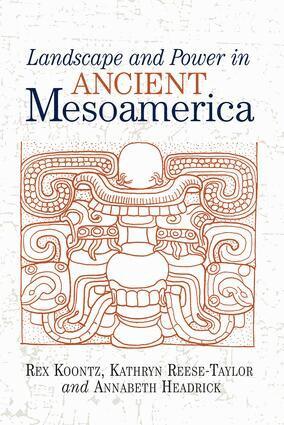
From the early cities in the second millennium BC to the Aztec capital of Tenochtitlan on the eve of the Spanish conquest, Ancient Mesoamericans created landscapes full of meaning and power in the centre of their urban spaces. The sixteenth century description of Tenochtitlan by Bernal Diaz del Castillo and the archaeological remnants of Teotihuacan attest to the power and centrality of these urban configurations in Ancient Mesoamerican history. In Landscape and Power in Ancient Mesoamerica , Rex Koontz, Kathryn Reese-Taylor, and Annabeth Headrick explore the cultural logic that structured and generated these centres.Through case studies of specific urban spaces and their meanings, the authors examine the general principles by which the Ancient Mesoamericans created meaningful urban space. In a profoundly interdisciplinary exchange involving both archaeologists and art historians, this volume connects the symbolism of those landscapes, the performances that activated this symbolism, and the cultural poetics of these ensembles.