AnnaKate Hartel – författare
206 kr
Läs direkt efter köp
Food Bites is an easy-to-read, often humorous book on the scientific basis of the foods we eat, and answers those pesky, niggling questions such as: Is the quality of beer really affected by the type of water used? and Processed foods: good or bad? Readers will be captivated by this superbly written book, especially so as their guides are Professor Richard Hartel, professor of Food Engineering at UW-Madison, along with his daughter, AnnaKate Hartel. Professor Hartel has for the last four years penned a witty and illuminating column on all aspects of food science for the Capital Times of Madison, and his weekly wisdom has now been collected into a single publication. With a huge and growing interest in the science of food, this treasure trove of knowledge and practical information, in 60 bite-sized chunks, is sure to be a bestseller.
302 kr
Skickas inom 10-15 vardagar
361 kr
Skickas inom 5-8 vardagar
519 kr
Läs direkt efter köp
This delicious new book reveals the fascinating science behind some of our favorite candies. If you’ve ever wondered how candy corn is made or whether Baby Ruth bars really float, as in the movie Caddy shack, then this engaging collection of food for thought is guaranteed to satisfy your hunger for knowledge. As well as delving into candy facts and myths such as the so-called ‘sugar high’ and the long history of making sweetmeats, the authors explore the chemistry of a candy store full of famous treats, from Tootsie Rolls to Pixy Styx and from Jawbreakers to Jordan Almonds. They reveal what makes bubble gum bubbly and why a Charleston Chew is so chewy.
Written in an engaging, accessible and humorous style that makes you laugh as you learn, Candy Bites doesn’t shy away from the hard facts or the hard questions, about candy. It tackles the chemistry of hydrocolloids in gummy bears alongside the relationship between candy and obesity and between candy and dental cavities. The chapters open a window on the commercial and industrial chemistry of candy manufacture, making this book a regular Pez dispenser of little-known, yet captivating factoids.
184 kr
Skickas inom 10-15 vardagar
53 kr
Läs direkt efter köp
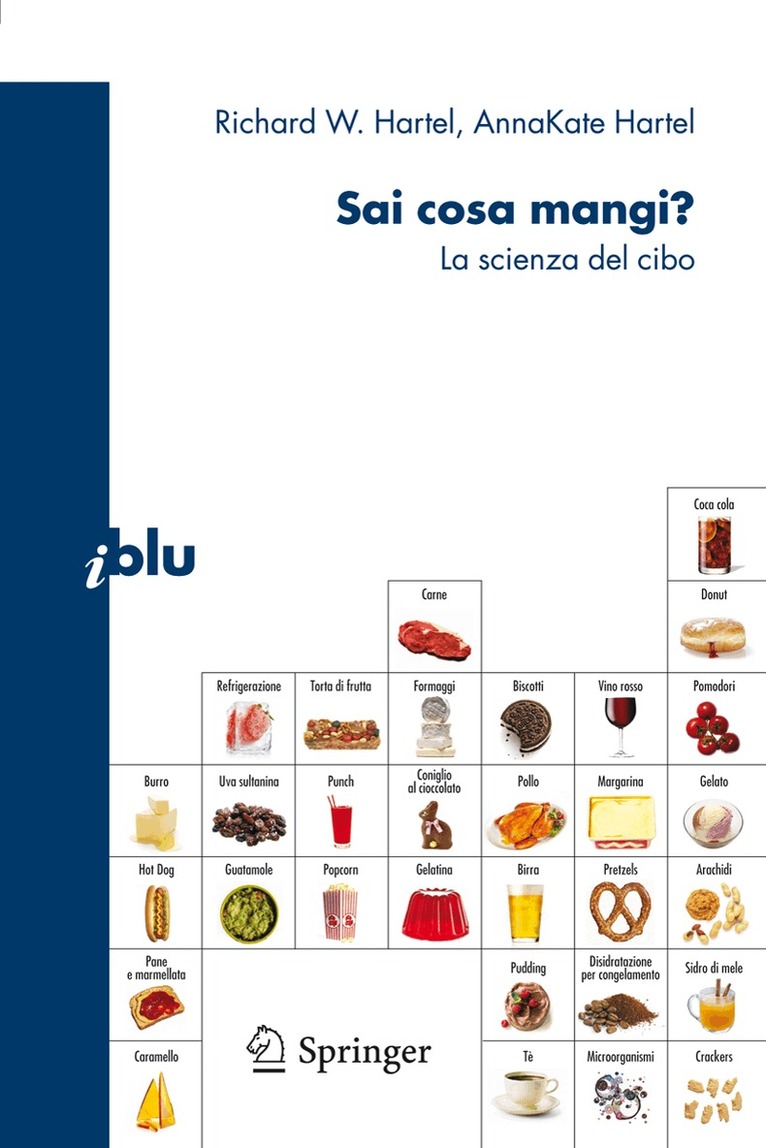
Cosa mangia l’America nell’era moderna? Probabilmente molte delle cose che mangeremo anche noi nel prossimo futuro.
Ormai la dinamica dei flussi è chiara: l’hamburger e la Coca Cola sono solo i simboli di un modello di consumo che, con diverse sfaccettature, ha definitivamente contaminato la nostra cultura del cibo. Se per noi gli spaghetti sono intoccabili e la pizza continua a essere il più gettonato tra i fast food, è comunque vero che le giovani generazioni sentono irresistibile il richiamo del cibo made in USA. All’insegna dell’intercultura e del mercato globale, ci troveremo sempre di più a fare i conti con prodotti per noi alieni come i Marshmallow (le famose caramelle spugnose a forma di cilindretto), magari in versioni addomesticate per sposarsi meglio con il gusto mediterraneo. Del resto il Parmigiano Reggiano e lo Speck dell’Alto Adige negli hamburger di McDonald’s sono già una realtà ed è un dato di fatto che i banchi del supermercato si arricchiscano ogni giorno di nuove proposte sempre più tecnologiche. Le "patatine" che hanno l’aspetto e il sapore del bacon (senza averlo mai visto nemmeno da lontano) sono dei must dell’happy hour, così come prosegue il successo degli energy drink dal gusto dubbio e delle gomme americane (per l’appunto…) che frizzano.
Pagina dopo pagina, questo libro ci introduce in un mondo diverso ma certamente affascinante, dove si scopre che il cibo può avere dimensioni e significati differenti da quelli che gli attribuiamo abitualmente. Oltre il piacere, oltre il nutrimento, diventa gioco, ricerca tecnologica, sfida scientifica, desiderio di stupire e di distinguersi…
Arricchito da informazioni inattese e uno humour sorprendente, Sai cosa mangi? approfondisce in maniera dettagliata e avvincente non solo come la scienza è presente nei nostri pasti quotidiani, ma anche quali sono i principi scientifici sottostanti aidiversi alimenti che ogni giorno mangiamo.