AnnaMarie Bliss – författare
Visar alla böcker från författaren AnnaMarie Bliss. Handla med fri frakt och snabb leverans.
4 produkter
4 produkter
Häftad, Engelska, 2020
603 kr
Skickas inom 5-8 vardagar
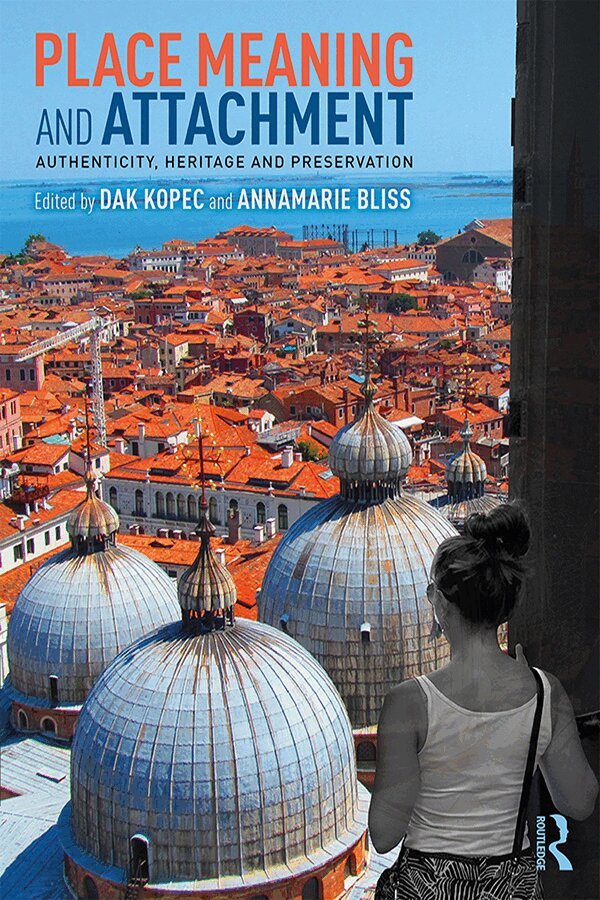
Revolutions have gripped many countries, leading to the destruction of buildings, places, and artifacts; climate change is threatening the ancestral homes of many, the increasingly uneven distribution of resources has made the poor vulnerable to the coercive efforts by the rich, and social uncertainty has led to the romanticizing of the past. Humanity is resilient, but we have a fundamental need for attachment to places, buildings, and objects.This edited volume will explore the different meanings and forms of place attachment and meaning based on our histories and conceptualization of material artifacts. Each chapter examines a varied relationship between a given society and the meaning formed through myth, symbols, and ideologies manifested through diverse forms of material artifacts. Topics of consideration examine place attachment at many scales including at the level of the artifact, human being, building, urban context, and region. We need a better understanding of human relationships to the past, our attachments to the events and places, and to the external influences on our attachments. This understanding will allow for better preservation methods pertaining to important places and buildings, and enhanced social wellbeing for all groups of people.Covering a broad range of international perspectives on place meaning from the United States to Europe, Asia to Russia, and Africa to Australia, this book is an essential read for students, academics, and professionals alike.
Inbunden, Engelska, 2020
2 215 kr
Skickas inom 10-15 vardagar
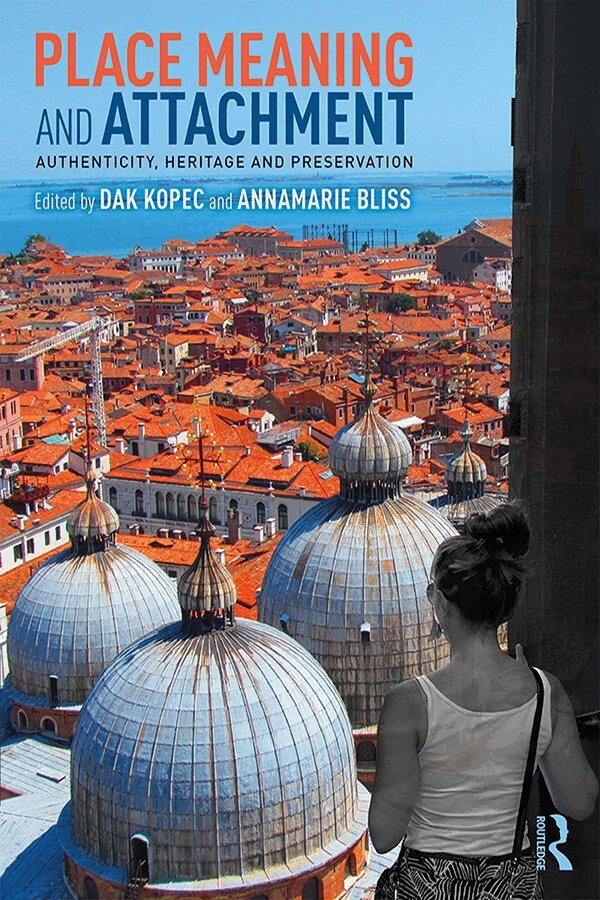
Revolutions have gripped many countries, leading to the destruction of buildings, places, and artifacts; climate change is threatening the ancestral homes of many, the increasingly uneven distribution of resources has made the poor vulnerable to the coercive efforts by the rich, and social uncertainty has led to the romanticizing of the past. Humanity is resilient, but we have a fundamental need for attachment to places, buildings, and objects.This edited volume will explore the different meanings and forms of place attachment and meaning based on our histories and conceptualization of material artifacts. Each chapter examines a varied relationship between a given society and the meaning formed through myth, symbols, and ideologies manifested through diverse forms of material artifacts. Topics of consideration examine place attachment at many scales including at the level of the artifact, human being, building, urban context, and region. We need a better understanding of human relationships to the past, our attachments to the events and places, and to the external influences on our attachments. This understanding will allow for better preservation methods pertaining to important places and buildings, and enhanced social wellbeing for all groups of people.Covering a broad range of international perspectives on place meaning from the United States to Europe, Asia to Russia, and Africa to Australia, this book is an essential read for students, academics, and professionals alike.
Inbunden, Engelska, 2022
2 201 kr
Skickas inom 10-15 vardagar
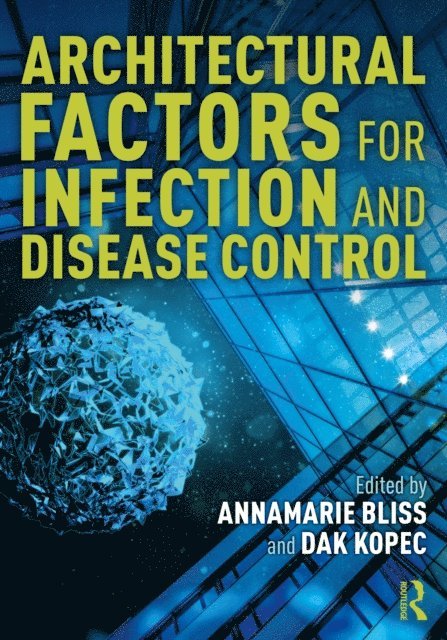
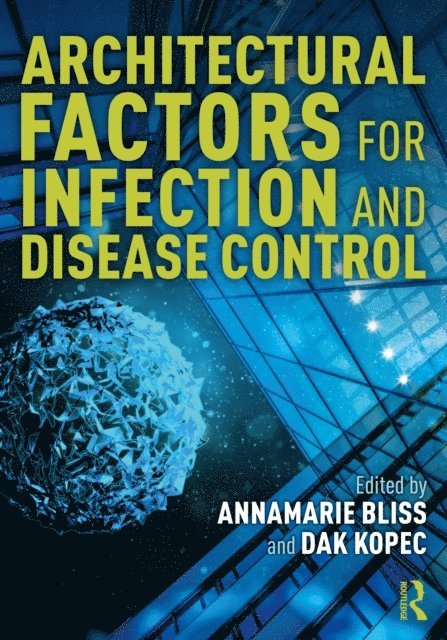
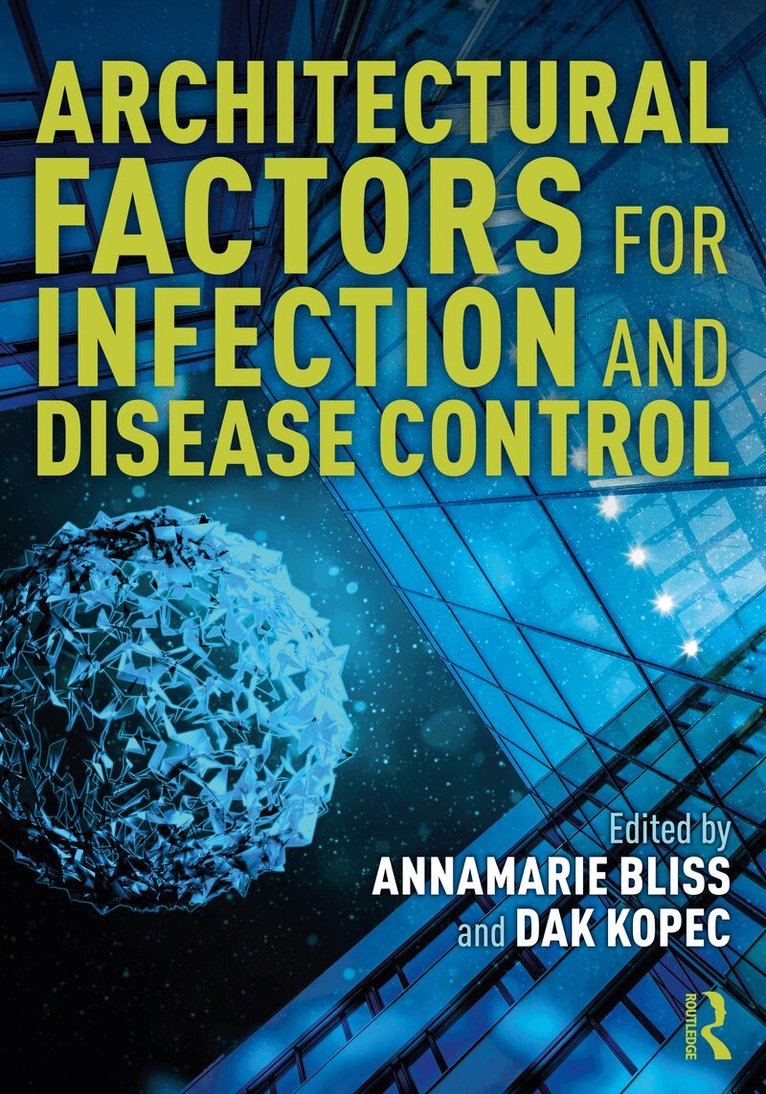
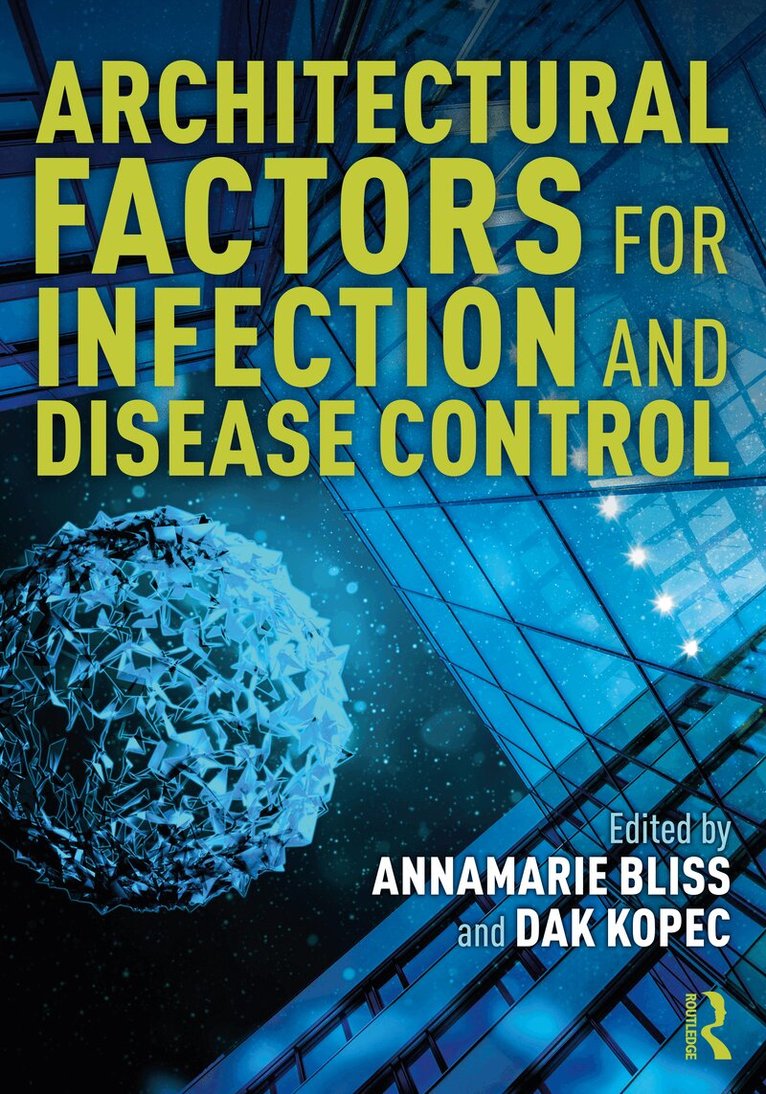
This edited collection explores disease transmission and the ways that the designed environment has promoted or limited its spread. It discusses the many design factors that can be used for infection and disease control through lenses of history, public health, building technology, design, and education.This book calls on designers to consider the role of the built environment as the primary source of bacterial, viral, and fungal transfers through fomites, ventilation systems, and overcrowding and spatial organization. Through 19 original contributions, it provides an array of perspectives to understand how the designed environment may offer a reprieve from disease. The authors build a historical foundation of infection and disease, using examples ranging from lazarettos to leprosy centers to show how the ability to control infection and disease has long been a concern for humanity. The book goes on to discuss disease propagation, putting forth a variety of ideas to control the transmission of pathogens, including environmental design strategies, pedestrian dynamics, and open space. Its final chapters serve as a prospective way forward, focusing on COVID-19 and the built environment in a post-pandemic world.Written for students and academics of architecture, design, and urban planning, this book ignites creative action on the ways to design our built environment differently and more holistically.Please note that research on COVID-19 has exponentially grown since this volume was written in October 2020. References cited reflect the evolving nature of research studies at that time.
Häftad, Engelska, 2022
573 kr
Skickas inom 10-15 vardagar
This edited collection explores disease transmission and the ways that the designed environment has promoted or limited its spread. It discusses the many design factors that can be used for infection and disease control through lenses of history, public health, building technology, design, and education.This book calls on designers to consider the role of the built environment as the primary source of bacterial, viral, and fungal transfers through fomites, ventilation systems, and overcrowding and spatial organization. Through 19 original contributions, it provides an array of perspectives to understand how the designed environment may offer a reprieve from disease. The authors build a historical foundation of infection and disease, using examples ranging from lazarettos to leprosy centers to show how the ability to control infection and disease has long been a concern for humanity. The book goes on to discuss disease propagation, putting forth a variety of ideas to control the transmission of pathogens, including environmental design strategies, pedestrian dynamics, and open space. Its final chapters serve as a prospective way forward, focusing on COVID-19 and the built environment in a post-pandemic world.Written for students and academics of architecture, design, and urban planning, this book ignites creative action on the ways to design our built environment differently and more holistically.Please note that research on COVID-19 has exponentially grown since this volume was written in October 2020. References cited reflect the evolving nature of research studies at that time.