Anne Cruz – författare
Visar alla böcker från författaren Anne Cruz. Handla med fri frakt och snabb leverans.
6 produkter
6 produkter
Häftad, Engelska, 1991
275 kr
Skickas inom 5-8 vardagar
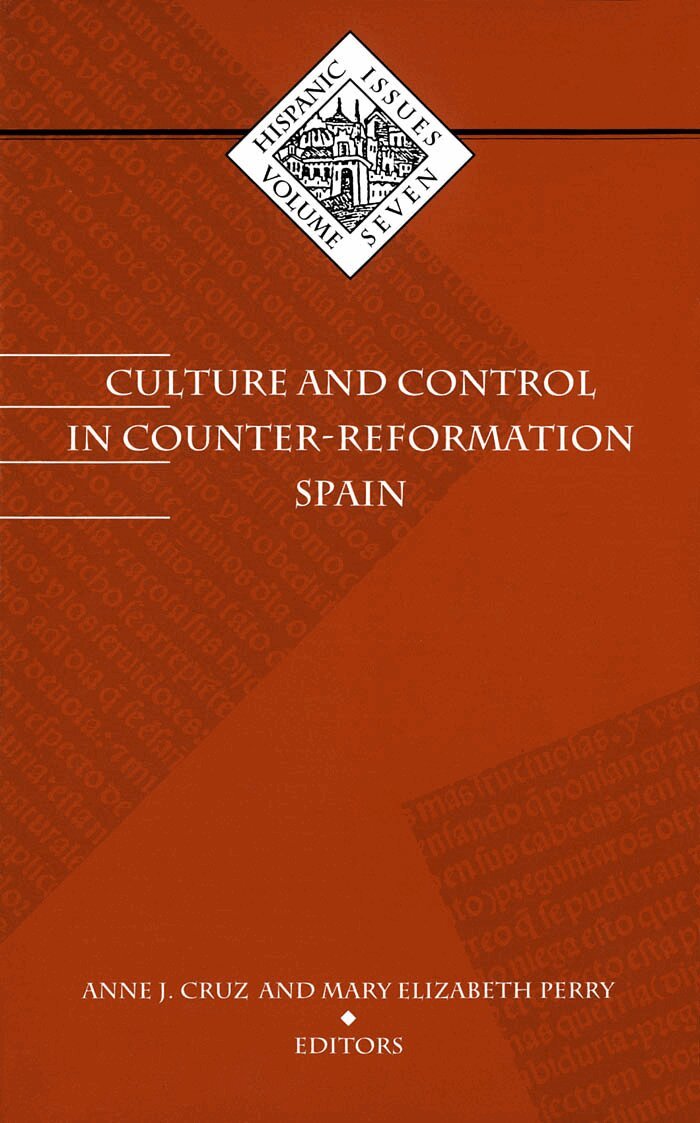
Contemporary cultural historians have located the Counter-Reformation as the most significant point in the material, intellectual, and spiritual development of Spain. Robust and full of productive contradictions, Spanish culture took a critical turn in 1492 when Ferdinand II, in his quest for purity and orthodoxy, expelled the Jews and Arabs from Spain.Culture and Control in Counter-Reformation Spain examines the various modes of repression and social control exerted by Spanish institutions during the Counter-Reformation as they attempted to coerce marginalized groups (women and religious minorities - the moriscos and conversos) into political and cultural integration. This penetrating exploration demonstrates how the Catholic Church - mainly through the disciplinary technology of the Inquisition - assumed and exerted its authority as the “official” guardian of cultural and literary production. Culture and Control in Counter-Reformation Spain details the ways in which marginalized groups, through the communal linkage of their diverse social practices, were nonetheless able to resist repression and preserve cultural heterogeneity within the dominant society.
E-bok
PDF, Engelska, 2025769 kr
Läs direkt efter köp
The new parameters of a global world in the early modern period gave rise to an expansion of movement that facilitated spatial and social mobility for women of different social ranks. Through their reexamination of archival documents and travel narratives, these essays investigate the opportunities for female mobility across the Spanish Empire, narrating the journeys of women who assumed new and unpredictable roles in distant environments. Some risked transoceanic journeys to hold positions of colonial power, while nuns traveled to found convents. Portuguese and Genoese women financiers and merchants traversed the Mediterranean to command enterprises in different cities. Breaking with tradition, the noblewomen considered in these essays exercised political agency as ambassadresses and diplomatic spies at various European courts. Still other women fled across borders from oppressive marriages or cross-dressed as soldiers to perform adventurous feats in support of imperial causes. Their frequently distorted histories, authored by men, have been revised and rectified by the authors of this volume.
769 kr
Läs direkt efter köp
The new parameters of a global world in the early modern period gave rise to an expansion of movement that facilitated spatial and social mobility for women of different social ranks. Through their reexamination of archival documents and travel narratives, these essays investigate the opportunities for female mobility across the Spanish Empire, narrating the journeys of women who assumed new and unpredictable roles in distant environments. Some risked transoceanic journeys to hold positions of colonial power, while nuns traveled to found convents. Portuguese and Genoese women financiers and merchants traversed the Mediterranean to command enterprises in different cities. Breaking with tradition, the noblewomen considered in these essays exercised political agency as ambassadresses and diplomatic spies at various European courts. Still other women fled across borders from oppressive marriages or cross-dressed as soldiers to perform adventurous feats in support of imperial causes. Their frequently distorted histories, authored by men, have been revised and rectified by the authors of this volume.
Häftad, Engelska, 2025
662 kr
Skickas inom 10-15 vardagar
The new parameters of a global world in the early modern period gave rise to an expansion of movement that facilitated spatial and social mobility for women of different social ranks. Through their reexamination of archival documents and travel narratives, these essays investigate the opportunities for female mobility across the Spanish Empire, narrating the journeys of women who assumed new and unpredictable roles in distant environments. Some risked transoceanic journeys to hold positions of colonial power, while nuns traveled to found convents. Portuguese and Genoese women financiers and merchants traversed the Mediterranean to command enterprises in different cities. Breaking with tradition, the noblewomen considered in these essays exercised political agency as ambassadresses and diplomatic spies at various European courts. Still other women fled across borders from oppressive marriages or cross-dressed as soldiers to perform adventurous feats in support of imperial causes. Their frequently distorted histories, authored by men, have been revised and rectified by the authors of this volume.
E-bok
PDF, Engelska, 19991 177 kr
Läs direkt efter köp
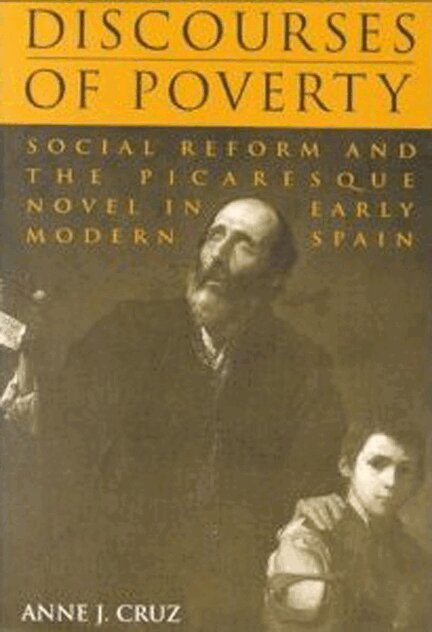
In this ground-breaking study, Anne Cruz examines the treatment of poverty, prostitution, war, and other social concerns in the cultural and literary discourses of early modern Spain. This book investigates the polemics on poor relief through religious charity and secularized reform articulated not only in the Spanish picaresque canon - Lazarillo de Tormes, Guzm¯n de Alfarache, El busc3/4n - but also in female picaresque narratives and soldiers' tales. Emphasizing Bakhtin's notion that discursive practices must be assessed as they intersect and become textualized in history, the book also looks at this literature in relation to normative writings such as royal decrees, regulations, economic proposals, synods, and sermons. Through these discourses, authors and authorities alike debated their theories of poor assistance for both men and women, from the critique of unregulated prostitution in works such as La lozana andaluza to the control of impoverished youths through military conscription as in Alonso de Contreras and Estebanillo Gonz¯lez. The rupture of the feudal system and the economic devastation of the country precipitated a dramatic rise in the number of poor, who were increasingly perceived as delinquents by an anxious populace. The book employs Foucault's paradigms of confinement and control to study the various suggestions for the social containment of Spain's marginalized elements. Positing that the literary p¦caros and p¦caras assume the role of scapegoats for this disenfranchised social Other, Cruz further argues that the picaresque novels respond dialectically to the growing demonization of the poor in early modern Spanish culture.
Del 9 - Connected Histories in the Early Modern World
Early Modern Women's Mobility, Authority, and Agency Across the Spanish Empire
Inbunden, Engelska, 2024
1 847 kr
Skickas inom 10-15 vardagar
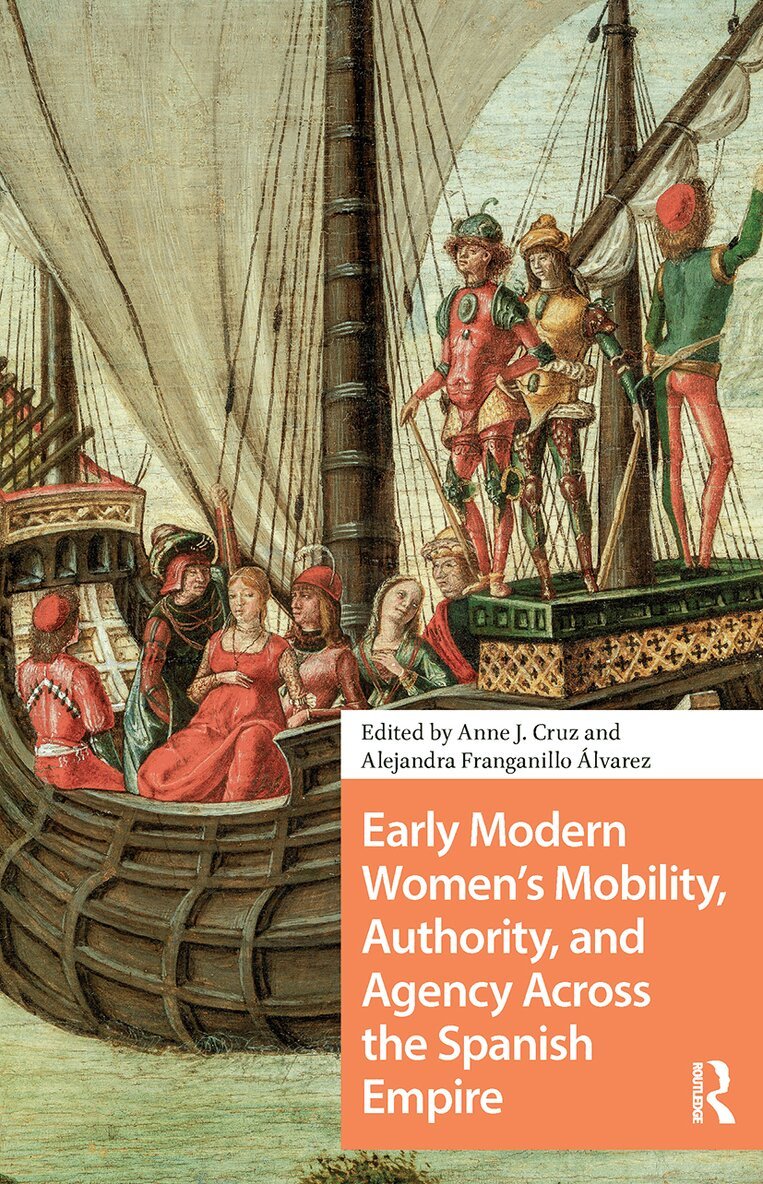
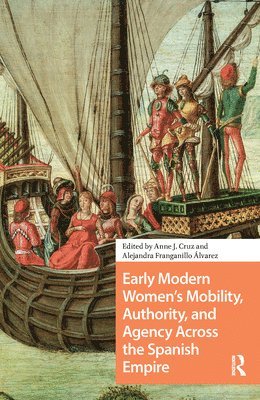
The new parameters of a global world in the early modern period gave rise to an expansion of movement that facilitated spatial and social mobility for women of different social ranks. Through their reexamination of archival documents and travel narratives, these essays investigate the opportunities for female mobility across the Spanish Empire, narrating the journeys of women who assumed new and unpredictable roles in distant environments. Some risked transoceanic journeys to hold positions of colonial power, while nuns traveled to found convents. Portuguese and Genoese women financiers and merchants traversed the Mediterranean to command enterprises in different cities. Breaking with tradition, the noblewomen considered in these essays exercised political agency as ambassadresses and diplomatic spies at various European courts. Still other women fled across borders from oppressive marriages or cross-dressed as soldiers to perform adventurous feats in support of imperial causes. Their frequently distorted histories, authored by men, have been revised and rectified by the authors of this volume.