Anne Dillon – författare
Visar alla böcker från författaren Anne Dillon. Handla med fri frakt och snabb leverans.
12 produkter
12 produkter
Inbunden, Engelska, 2003
2 179 kr
Skickas inom 10-15 vardagar
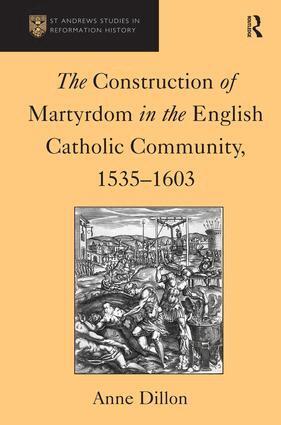
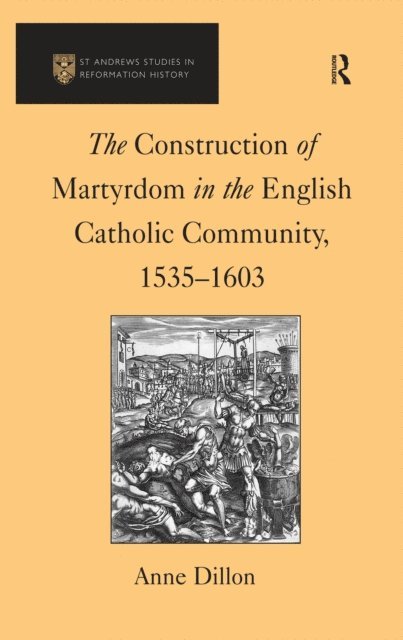
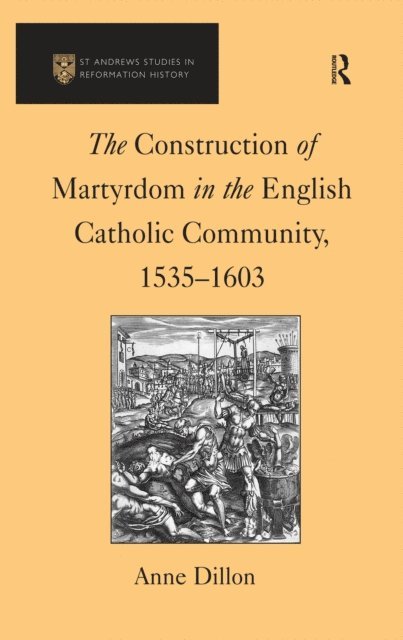
Between 1535 and 1603, more than 200 English Catholics were executed by the State for treason. Drawing on an extraordinary range of contemporary sources, Anne Dillon examines the ways in which these executions were transformed into acts of martyrdom. Utilizing the reports from the gallows, the Catholic community in England and in exile created a wide range of manuscripts and texts in which they employed the concept of martyrdom for propaganda purposes in continental Europe and for shaping Catholic identity and encouraging recusancy at home. Particularly potent was the derivation of images from these texts which provided visual means of conveying the symbol of the martyr. Through an examination of the work of Richard Verstegan and the martyr murals of the English College in Rome, the book explores the influence of these images on the Counter Reformation Church, the Jesuits, and the political intentions of English Catholics in exile and those of their hosts. The Construction of Martyrdom in the English Catholic Community, 1535-1603 shows how Verstegan used the English martyrs in his Theatrum crudelitatum of 1587 to rally support from Catholics on the Continent for a Spanish invasion of England to overthrow Elizabeth I and her government. The English martyr was, Anne Dillon argues, as much a construction of international, political rhetoric as it was of English religious and political debate; an international Catholic banner around which Catholic European powers were urged to rally.
Inbunden, Engelska, 2023
1 510 kr
Skickas inom 11-20 vardagar
Häftad, Engelska, 2024
596 kr
Skickas inom 10-15 vardagar
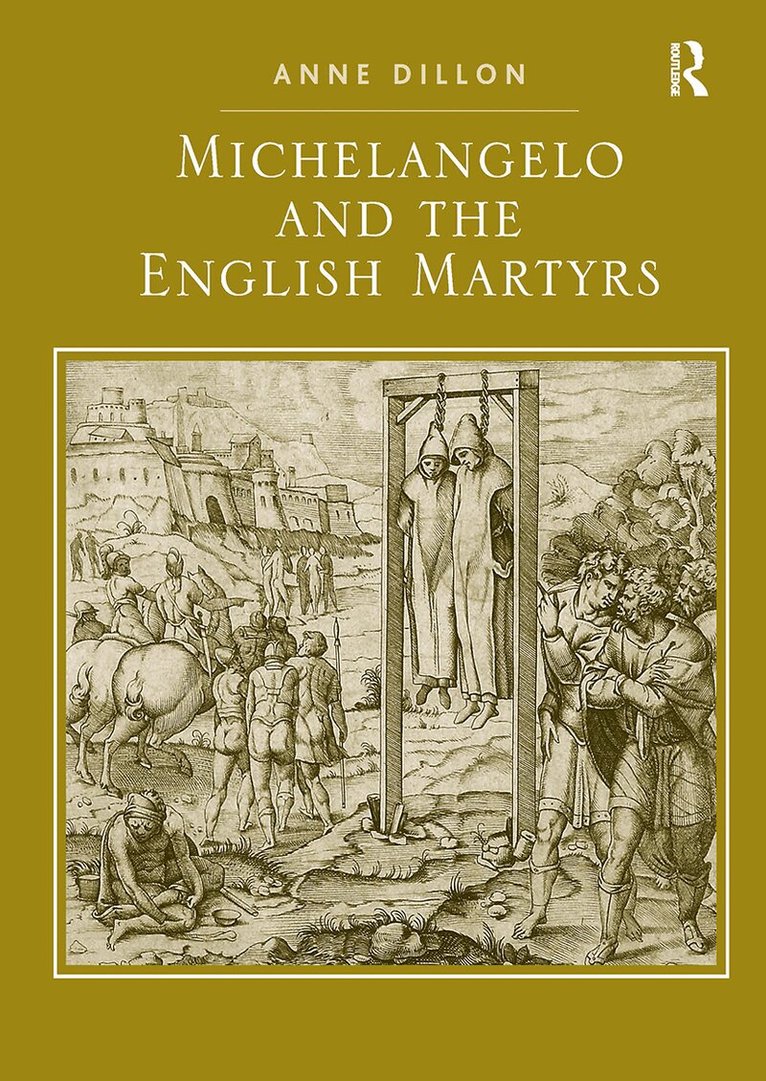
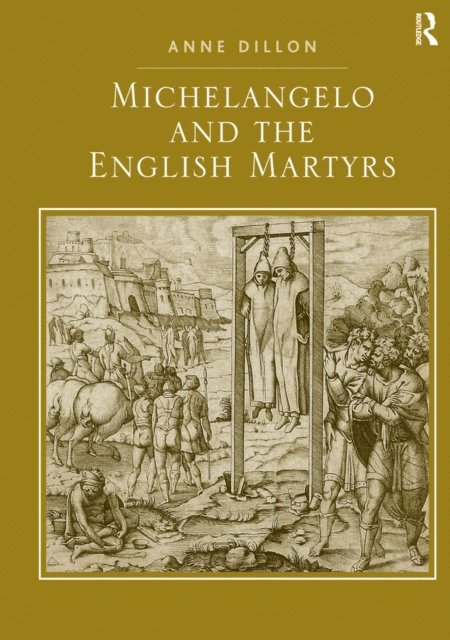
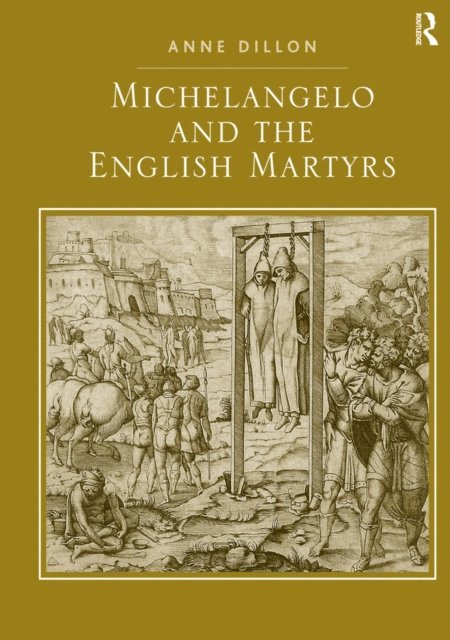
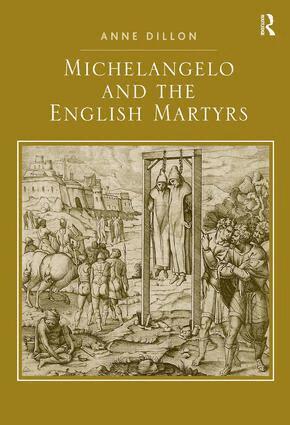
In May 1555, a broadsheet was produced in Rome depicting the torture and execution in London and York of the Carthusians of the Charterhouses of London, Axeholme, Beauvale and Sheen during the reign of Henry VIII. This single-page martyrology provides the basis for an in-depth exploration of several interconnected artistic, scientific and scholarly communities active in Rome in 1555 which are identified as having being involved in its production. Their work and concerns, which reflect their time and intellectual environment, are deeply embedded in the broadsheet, especially those occupying the groups and individuals who came to be known as Spirituali and in particular those associated with Cardinal Reginald Pole who is shown to have played a key role in its production. Following an examination of the text and a discussion of the narrative intentions of its producers a systematic analysis is made of the images. This reveals that the structure, content and intention of what, at first sight, seems to be nothing more than a confessionally charged Catholic image of the English Carthusian martyrs, typical of the genre of propaganda produced during the Reformation, is, astonishingly, dominated by the most celebrated name of the Italian Renaissance, the artist Michelangelo Buonarotti. Not only are there direct borrowings from two works by Michelangelo which had just been completed in Rome, The Conversion of St Paul and The Crucifixion of St Peter in the Pauline Chapel but many other of his works are deliberately cited by the broadsheet's producers. Through the use of a variety of artistic, scientific and historical approaches, the author makes a compelling case for the reasons for Michelangelo's presence in the broadsheet and his influence on its design and production. The book not only demonstrates Michelangelo's close relationship with notable Catholic reformers, but shows him to have been at the heart of the English Counter Reformation at its inception. This detailed analysis of the broadsheet also throws fresh light on the Marian religious policy in England in 1555, the influence of Spain and the broader preoccupations of the Counter Reformation papacy, while at the same time, enriching our understanding of martyrology across the confessional divide of the Reformation.
Häftad, Engelska, 2022
216 kr
Skickas inom 5-8 vardagar
Häftad, Engelska, 2022
216 kr
Skickas inom 5-8 vardagar
E-bok
Engelska, 2017698 kr
Läs direkt efter köp
Between 1535 and 1603, more than 200 English Catholics were executed by the State for treason. Drawing on an extraordinary range of contemporary sources, Anne Dillon examines the ways in which these executions were transformed into acts of martyrdom. Utilizing the reports from the gallows, the Catholic community in England and in exile created a wide range of manuscripts and texts in which they employed the concept of martyrdom for propaganda purposes in continental Europe and for shaping Catholic identity and encouraging recusancy at home. Particularly potent was the derivation of images from these texts which provided visual means of conveying the symbol of the martyr. Through an examination of the work of Richard Verstegan and the martyr murals of the English College in Rome, the book explores the influence of these images on the Counter Reformation Church, the Jesuits, and the political intentions of English Catholics in exile and those of their hosts. The Construction of Martyrdom in the English Catholic Community, 1535-1603 shows how Verstegan used the English martyrs in his Theatrum crudelitatum of 1587 to rally support from Catholics on the Continent for a Spanish invasion of England to overthrow Elizabeth I and her government. The English martyr was, Anne Dillon argues, as much a construction of international, political rhetoric as it was of English religious and political debate; an international Catholic banner around which Catholic European powers were urged to rally.
E-bok
PDF, Engelska, 2017698 kr
Läs direkt efter köp
Between 1535 and 1603, more than 200 English Catholics were executed by the State for treason. Drawing on an extraordinary range of contemporary sources, Anne Dillon examines the ways in which these executions were transformed into acts of martyrdom. Utilizing the reports from the gallows, the Catholic community in England and in exile created a wide range of manuscripts and texts in which they employed the concept of martyrdom for propaganda purposes in continental Europe and for shaping Catholic identity and encouraging recusancy at home. Particularly potent was the derivation of images from these texts which provided visual means of conveying the symbol of the martyr. Through an examination of the work of Richard Verstegan and the martyr murals of the English College in Rome, the book explores the influence of these images on the Counter Reformation Church, the Jesuits, and the political intentions of English Catholics in exile and those of their hosts. The Construction of Martyrdom in the English Catholic Community, 1535-1603 shows how Verstegan used the English martyrs in his Theatrum crudelitatum of 1587 to rally support from Catholics on the Continent for a Spanish invasion of England to overthrow Elizabeth I and her government. The English martyr was, Anne Dillon argues, as much a construction of international, political rhetoric as it was of English religious and political debate; an international Catholic banner around which Catholic European powers were urged to rally.
E-bok
Engelska, 2016702 kr
Läs direkt efter köp
In May 1555, a broadsheet was produced in Rome depicting the torture and execution in London and York of the Carthusians of the Charterhouses of London, Axeholme, Beauvale and Sheen during the reign of Henry VIII. This single-page martyrology provides the basis for an in-depth exploration of several interconnected artistic, scientific and scholarly communities active in Rome in 1555 which are identified as having being involved in its production. Their work and concerns, which reflect their time and intellectual environment, are deeply embedded in the broadsheet, especially those occupying the groups and individuals who came to be known as Spirituali and in particular those associated with Cardinal Reginald Pole who is shown to have played a key role in its production. Following an examination of the text and a discussion of the narrative intentions of its producers a systematic analysis is made of the images. This reveals that the structure, content and intention of what, at first sight, seems to be nothing more than a confessionally charged Catholic image of the English Carthusian martyrs, typical of the genre of propaganda produced during the Reformation, is, astonishingly, dominated by the most celebrated name of the Italian Renaissance, the artist Michelangelo Buonarotti. Not only are there direct borrowings from two works by Michelangelo which had just been completed in Rome, The Conversion of St Paul and The Crucifixion of St Peter in the Pauline Chapel but many other of his works are deliberately cited by the broadsheet''s producers. Through the use of a variety of artistic, scientific and historical approaches, the author makes a compelling case for the reasons for Michelangelo''s presence in the broadsheet and his influence on its design and production. The book not only demonstrates Michelangelo''s close relationship with notable Catholic reformers, but shows him to have been at the heart of the English Counter Reformation at its inception. This detailed analysis of the broadsheet also throws fresh light on the Marian religious policy in England in 1555, the influence of Spain and the broader preoccupations of the Counter Reformation papacy, while at the same time, enriching our understanding of martyrology across the confessional divide of the Reformation.
E-bok
PDF, Engelska, 2016708 kr
Läs direkt efter köp
In May 1555, a broadsheet was produced in Rome depicting the torture and execution in London and York of the Carthusians of the Charterhouses of London, Axeholme, Beauvale and Sheen during the reign of Henry VIII. This single-page martyrology provides the basis for an in-depth exploration of several interconnected artistic, scientific and scholarly communities active in Rome in 1555 which are identified as having being involved in its production. Their work and concerns, which reflect their time and intellectual environment, are deeply embedded in the broadsheet, especially those occupying the groups and individuals who came to be known as Spirituali and in particular those associated with Cardinal Reginald Pole who is shown to have played a key role in its production. Following an examination of the text and a discussion of the narrative intentions of its producers a systematic analysis is made of the images. This reveals that the structure, content and intention of what, at first sight, seems to be nothing more than a confessionally charged Catholic image of the English Carthusian martyrs, typical of the genre of propaganda produced during the Reformation, is, astonishingly, dominated by the most celebrated name of the Italian Renaissance, the artist Michelangelo Buonarotti. Not only are there direct borrowings from two works by Michelangelo which had just been completed in Rome, The Conversion of St Paul and The Crucifixion of St Peter in the Pauline Chapel but many other of his works are deliberately cited by the broadsheet''s producers. Through the use of a variety of artistic, scientific and historical approaches, the author makes a compelling case for the reasons for Michelangelo''s presence in the broadsheet and his influence on its design and production. The book not only demonstrates Michelangelo''s close relationship with notable Catholic reformers, but shows him to have been at the heart of the English Counter Reformation at its inception. This detailed analysis of the broadsheet also throws fresh light on the Marian religious policy in England in 1555, the influence of Spain and the broader preoccupations of the Counter Reformation papacy, while at the same time, enriching our understanding of martyrology across the confessional divide of the Reformation.
E-bok
Engelska, 2011127 kr
Läs direkt efter köp
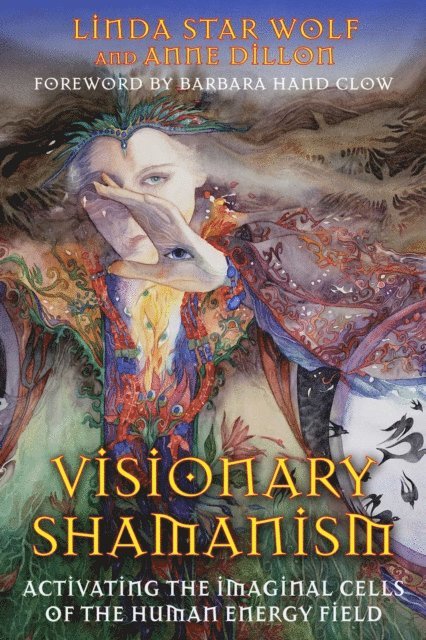
Shamanic practices to access your spiritual blueprint, communicate with the universal mind, and transform in to your highest spiritual self • Explains how to tune in to imaginal cells to heal the past, activate the shaman within, and download information from the future • Includes shamanic breathwork practices and rituals to open access to your spiritual blueprint--the hologram of who your highest, best self is meant to be--and be more potent and powerful in the present • Includes 55-minute Visionary Shamanism Musical Journeys CD We are in a highly transitional time on Earth as old structures break down in preparation for the new world that is coming. The accelerated pace of this time of spiritual evolution is forcing each of us to awaken the shaman within and reach our highest potential as quickly as possible. We no longer have the luxury of learning only from the past--we must also download information from the future in order to be fully present, fully conscious, in our most embodied and best self now. Incorporating the wisdom teachings of Seneca Wolf Clan Grandmother Twylah Nitsch with shamanic journeys and shamanic breathwork practices, Linda Star Wolf and Anne Dillon explain how to heal the past, learn from the future, and activate the imaginal cells within our human energy field. Imaginal cells are the energies of what has already happened and will happen stored in the blueprint of the invisible world. By tuning in to these imaginal cells, you can open access to your spiritual blueprint--the hologram of who your highest, best self is meant to be--and accelerate your evolutionary potential in this lifetime. Including information received by Star Wolf from the future, the book explores how to develop a communication link with the universe, receive guidance from the universal mind, and draw information from the future to be more potent and powerful in the present, live in harmony with one another and the planet, and fully prepare yourself for the new world to come.
Inbunden, Engelska, 2008
1 409 kr
Skickas inom 7-10 vardagar
Life-cycle analyses (LCA), vital in detailing the range of a technology's effects upon the environment and human health, afford us solid information for judiciously selecting those that provide the least damage. This book bring us a major step forward in generating well-balanced, accurate assessments of the environmental impacts of new energy conversion and storage technologies. It presents information on the life cycle of photovoltaics. Since this technology is rapidly evolving, periodic updates are essential for ensuring well-balanced comparisons with other technologies. It also focuses on nanomaterial-based technologies for energy storage and includes comprehensive overviews on the use of nanostructured materials in hydrogen storage, environmental issues related to such storage, and descriptions of new nanoscale systems for energy storage and offers interesting new energy storage technologies. The book also features LCA methodologies applicable to energy-systems analysis, detailing ways of quantifying land use and suggesting applicable metrics.
Inbunden, Engelska, 2012
1 591 kr
Tillfälligt slut
In May 1555, a broadsheet was produced in Rome depicting the torture and execution in London and York of the Carthusians of the Charterhouses of London, Axeholme, Beauvale and Sheen during the reign of Henry VIII. This single-page martyrology provides the basis for an in-depth exploration of several interconnected artistic, scientific and scholarly communities active in Rome in 1555 which are identified as having being involved in its production. Their work and concerns, which reflect their time and intellectual environment, are deeply embedded in the broadsheet, especially those occupying the groups and individuals who came to be known as Spirituali and in particular those associated with Cardinal Reginald Pole who is shown to have played a key role in its production. Following an examination of the text and a discussion of the narrative intentions of its producers a systematic analysis is made of the images. This reveals that the structure, content and intention of what, at first sight, seems to be nothing more than a confessionally charged Catholic image of the English Carthusian martyrs, typical of the genre of propaganda produced during the Reformation, is, astonishingly, dominated by the most celebrated name of the Italian Renaissance, the artist Michelangelo Buonarotti. Not only are there direct borrowings from two works by Michelangelo which had just been completed in Rome, The Conversion of St Paul and The Crucifixion of St Peter in the Pauline Chapel but many other of his works are deliberately cited by the broadsheet's producers. Through the use of a variety of artistic, scientific and historical approaches, the author makes a compelling case for the reasons for Michelangelo's presence in the broadsheet and his influence on its design and production. The book not only demonstrates Michelangelo's close relationship with notable Catholic reformers, but shows him to have been at the heart of the English Counter Reformation at its inception. This detailed analysis of the broadsheet also throws fresh light on the Marian religious policy in England in 1555, the influence of Spain and the broader preoccupations of the Counter Reformation papacy, while at the same time, enriching our understanding of martyrology across the confessional divide of the Reformation.