Anne Lafont – författare
Visar alla böcker från författaren . Handla med fri frakt och snabb leverans.
2 produkter
2 produkter
Häftad, Engelska, 2027
313 kr
Kommande
A study of how African objects shaped Western concepts of art, aesthetics, and value, and informed the foundations of art historyWhile the central role of African art, objects, and rituals in shaping twentieth-century art history has been widely recognized, the longer genealogy of this influence remains an ongoing area of inquiry. This collection of essays examines how European encounters with African objects from the sixteenth century onward reshaped concepts of art, aesthetics, economics, and value during the age of colonial expansion. Drawing on archival, literary, and material sources—from travel literature and judicial proceedings to sales catalogues and museum collections—these essays reveal how African objects, often described as “fetishes,” were central to the emergence of art history as a discipline. Distributed for the Clark Art Institute
Inbunden, Engelska, 2027
693 kr
Kommande
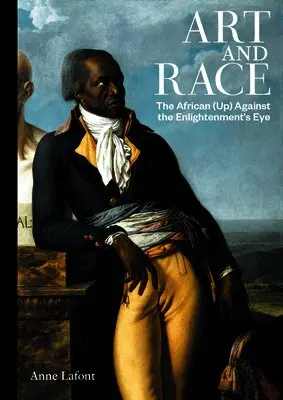
In this text, French art historian Anne Lafont examines the complexities and contradictions in Enlightenment-era ideas about race, focusing on the figurations of Africans and other people of color. Through studies of a wide range of eighteenth-century art, Lafont grounds her analysis in the objects themselves and, by doing so, highlights how visual works can reveal the values of the culture that produced them.While Lafont locates-unsurprisingly-instances of the marginalization and objectification of Black people, she also draws attention to depictions that present African sitters as subjects in their own right. For example, Anne-Louis Girodet's Portrait of Jean-Baptiste Belley (1797) offers a dignified, individualized representation of this formerly enslaved French politician from Saint-Domingue; and portraits of anonymous sitters show them as actual persons whose costumes and poses demonstrate their agency.Ultimately, Lafont moves beyond artworks to consider the broader intellectual context of the Enlightenment, particularly ideas about freedom, equality, and universal human rights, which were anchored in visual culture and indexed by it. She reveals how these ideals often conflicted with the realities of colonialism and the shifting status of Black people during this era.