Anne Whitelaw – författare
Visar alla böcker från författaren Anne Whitelaw. Handla med fri frakt och snabb leverans.
6 produkter
6 produkter
Del 32 - McGill-Queen's/Beaverbrook Canadian Foundation Studies in Art History
Object Lives and Global Histories in Northern North America
Material Culture in Motion, c.1780 - 1980
Inbunden, Engelska, 2021
1 799 kr
Skickas inom 5-8 vardagar
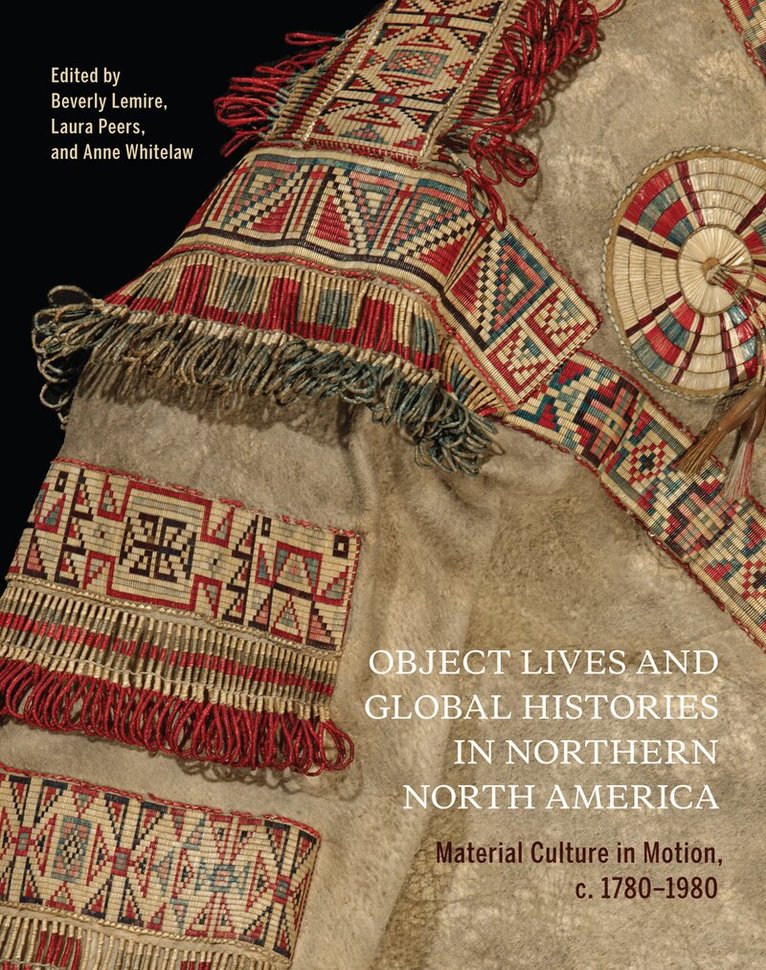
Object Lives and Global Histories in Northern North America explores how close, collaborative looking can discern the traces of contact, exchange, and movement of objects and give them a life and political power in complex cross-cultural histories. Red River coats, prints of colonial places and peoples, Indigenous-made dolls, and an Englishwoman's collection provide case studies of art and material culture that correct and give nuance to global and imperial histories. The result of a collaborative research process involving Indigenous and non-Indigenous contributors, this book looks closely at the circumstances of making, use, and circulation of these objects: things that supported and defined both Indigenous resistance and colonial and imperial purposes. Contributors re-envision the histories of northern North America by focusing on the lives of things flowing to and from this vast region between the eighteenth and the twentieth centuries, showing how material culture is a critical link that tied this diverse landscape to the wider world. An original perspective on the history of northern North American peoples grounded in things, Object Lives and Global Histories in Northern North America provides a key analytical and methodological lens that exposes the complexity of cultural encounters and connections between local and global communities.
Del 32 - McGill-Queen's/Beaverbrook Canadian Foundation Studies in Art History
Object Lives and Global Histories in Northern North America
Material Culture in Motion, c.1780 - 1980
Häftad, Engelska, 2021
539 kr
Skickas inom 5-8 vardagar
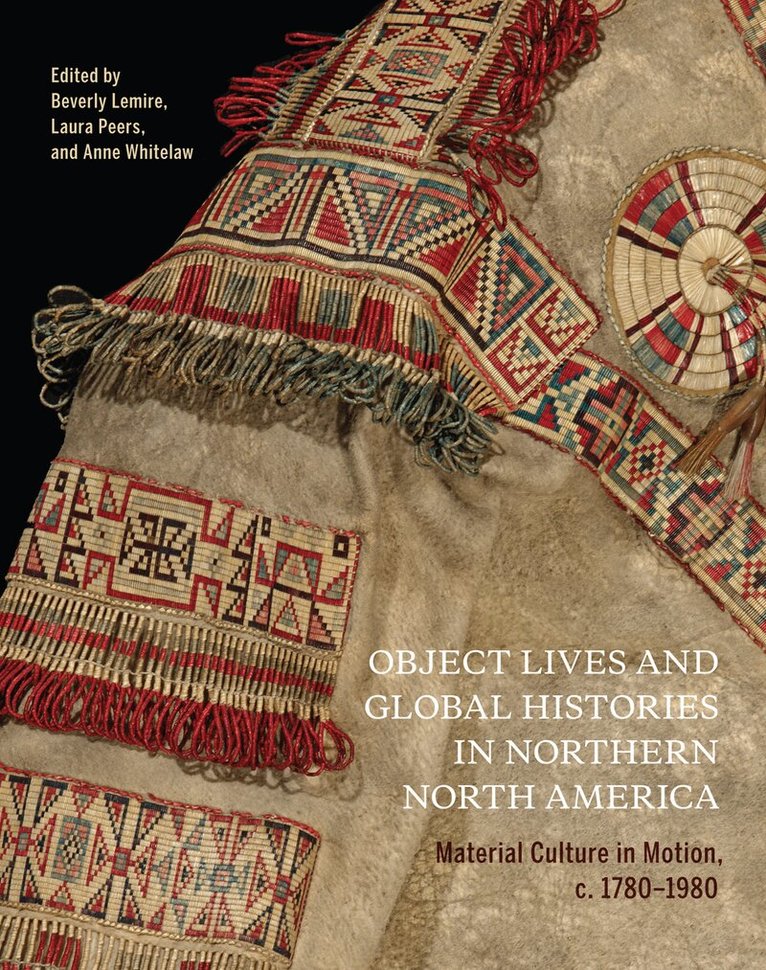
Object Lives and Global Histories in Northern North America explores how close, collaborative looking can discern the traces of contact, exchange, and movement of objects and give them a life and political power in complex cross-cultural histories. Red River coats, prints of colonial places and peoples, Indigenous-made dolls, and an Englishwoman's collection provide case studies of art and material culture that correct and give nuance to global and imperial histories. The result of a collaborative research process involving Indigenous and non-Indigenous contributors, this book looks closely at the circumstances of making, use, and circulation of these objects: things that supported and defined both Indigenous resistance and colonial and imperial purposes. Contributors re-envision the histories of northern North America by focusing on the lives of things flowing to and from this vast region between the eighteenth and the twentieth centuries, showing how material culture is a critical link that tied this diverse landscape to the wider world. An original perspective on the history of northern North American peoples grounded in things, Object Lives and Global Histories in Northern North America provides a key analytical and methodological lens that exposes the complexity of cultural encounters and connections between local and global communities.
Object Lives and Global Histories in Northern North America
Material Culture in Motion, c.1780 - 1980
E-bok
PDF, Engelska, 2022448 kr
Läs direkt efter köp
Object Lives and Global Histories in Northern North America explores how close, collaborative looking can discern the traces of contact, exchange, and movement of objects and give them a life and political power in complex cross-cultural histories. Red River coats, prints of colonial places and peoples, Indigenous-made dolls, and an Englishwoman''s collection provide case studies of art and material culture that correct and give nuance to global and imperial histories. The result of a collaborative research process involving Indigenous and non-Indigenous contributors, this book looks closely at the circumstances of making, use, and circulation of these objects: things that supported and defined both Indigenous resistance and colonial and imperial purposes. Contributors re-envision the histories of northern North America by focusing on the lives of things flowing to and from this vast region between the eighteenth and the twentieth centuries, showing how material culture is a critical link that tied this diverse landscape to the wider world. An original perspective on the history of northern North American peoples grounded in things, Object Lives and Global Histories in Northern North America provides a key analytical and methodological lens that exposes the complexity of cultural encounters and connections between local and global communities.
Häftad, Engelska, 2017
497 kr
Skickas inom 5-8 vardagar
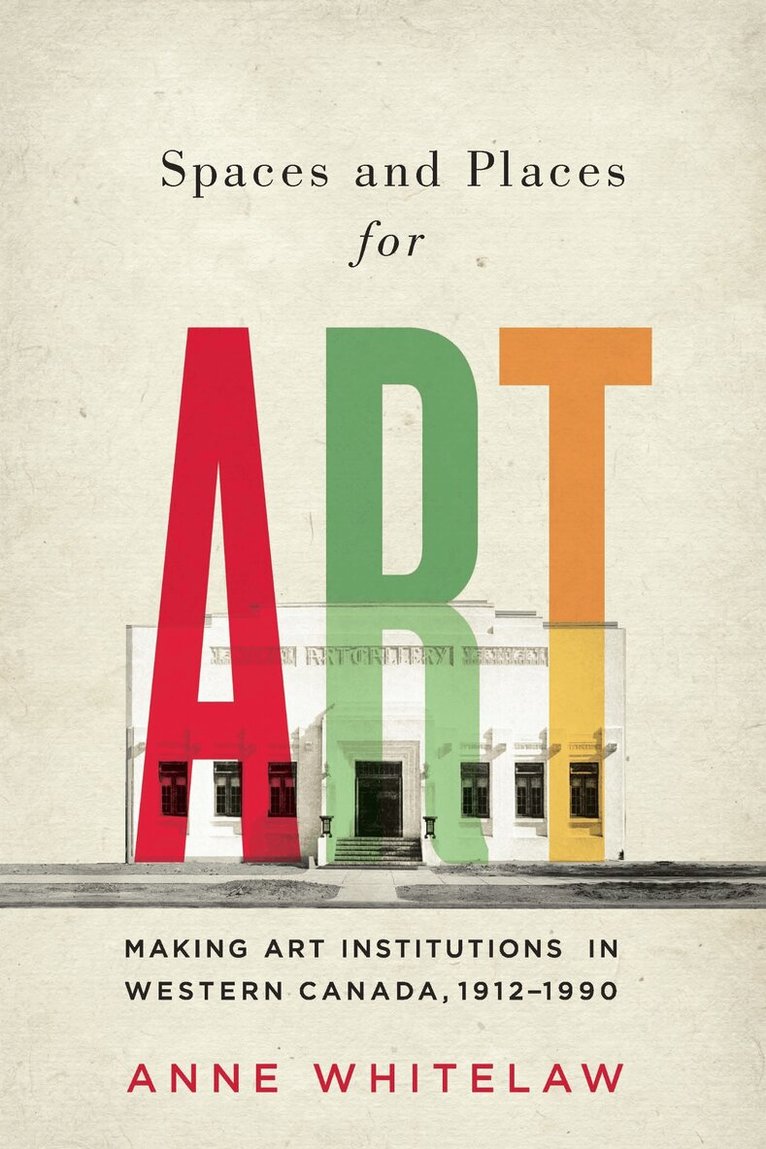
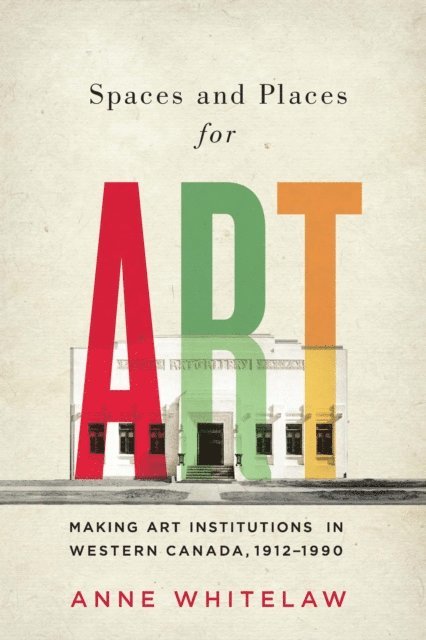
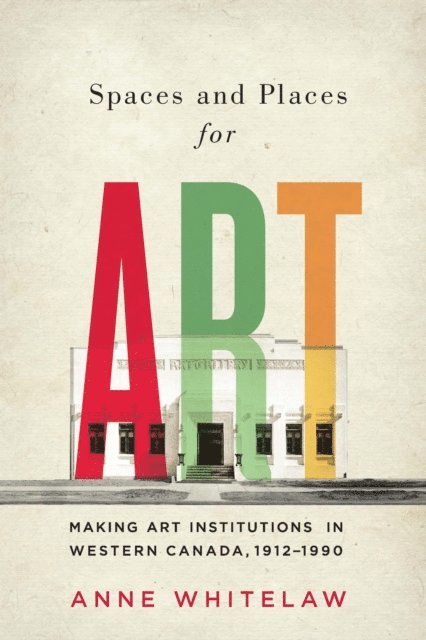
When the Edmonton Museum of Arts opened in 1924 it was only the second art gallery in Canada west of Toronto. Spaces and Places for Art tells the story of the financial and ideological struggles that community groups and artist societies in booming frontier cities and towns faced in establishing spaces for the cultivation of artistic taste. Mapping the development of art institutions in western Canada from the founding of the Winnipeg Art Gallery in 1912 to the 1990s heyday of art museums in Manitoba, Saskatchewan, Alberta, and British Columbia, Anne Whitelaw provides a glimpse into the production, circulation, and consumption of art in Canada throughout the twentieth century. Initially dependent on paintings loaned from the National Gallery of Canada, art galleries across the western part of the country gradually built their own collections and exhibitions and formed organizations that made them less reliant on institutions and government agencies in Ottawa. Tracing the impact of major national arts initiatives such as the Massey Commission, the funding programs of the Canada Council, and the policies of the National Museums Corporation, Whitelaw sheds light on the complex relationships between western Canada and Ottawa surrounding art. Building on extensive archival research and in-depth analysis of government involvement, Spaces and Places for Art is an invaluable explanation of the roles of cultural institutions and cultural policy in the emergence of artistic practice in Canada.
E-bok
PDF, Engelska, 2017454 kr
Läs direkt efter köp
When the Edmonton Museum of Arts opened in 1924 it was only the second art gallery in Canada west of Toronto. Spaces and Places for Art tells the story of the financial and ideological struggles that community groups and artist societies in booming frontier cities and towns faced in establishing spaces for the cultivation of artistic taste. Mapping the development of art institutions in western Canada from the founding of the Winnipeg Art Gallery in 1912 to the 1990s heyday of art museums in Manitoba, Saskatchewan, Alberta, and British Columbia, Anne Whitelaw provides a glimpse into the production, circulation, and consumption of art in Canada throughout the twentieth century. Initially dependent on paintings loaned from the National Gallery of Canada, art galleries across the western part of the country gradually built their own collections and exhibitions and formed organizations that made them less reliant on institutions and government agencies in Ottawa. Tracing the impact of major national arts initiatives such as the Massey Commission, the funding programs of the Canada Council, and the policies of the National Museums Corporation, Whitelaw sheds light on the complex relationships between western Canada and Ottawa surrounding art. Building on extensive archival research and in-depth analysis of government involvement, Spaces and Places for Art is an invaluable explanation of the roles of cultural institutions and cultural policy in the emergence of artistic practice in Canada.
454 kr
Läs direkt efter köp
When the Edmonton Museum of Arts opened in 1924 it was only the second art gallery in Canada west of Toronto. Spaces and Places for Art tells the story of the financial and ideological struggles that community groups and artist societies in booming frontier cities and towns faced in establishing spaces for the cultivation of artistic taste. Mapping the development of art institutions in western Canada from the founding of the Winnipeg Art Gallery in 1912 to the 1990s heyday of art museums in Manitoba, Saskatchewan, Alberta, and British Columbia, Anne Whitelaw provides a glimpse into the production, circulation, and consumption of art in Canada throughout the twentieth century. Initially dependent on paintings loaned from the National Gallery of Canada, art galleries across the western part of the country gradually built their own collections and exhibitions and formed organizations that made them less reliant on institutions and government agencies in Ottawa. Tracing the impact of major national arts initiatives such as the Massey Commission, the funding programs of the Canada Council, and the policies of the National Museums Corporation, Whitelaw sheds light on the complex relationships between western Canada and Ottawa surrounding art. Building on extensive archival research and in-depth analysis of government involvement, Spaces and Places for Art is an invaluable explanation of the roles of cultural institutions and cultural policy in the emergence of artistic practice in Canada.