Annemieke Stoppelenburg – författare
Visar alla böcker från författaren Annemieke Stoppelenburg. Handla med fri frakt och snabb leverans.
4 produkter
4 produkter
Häftad, Engelska, 2013
713 kr
Skickas inom 5-8 vardagar
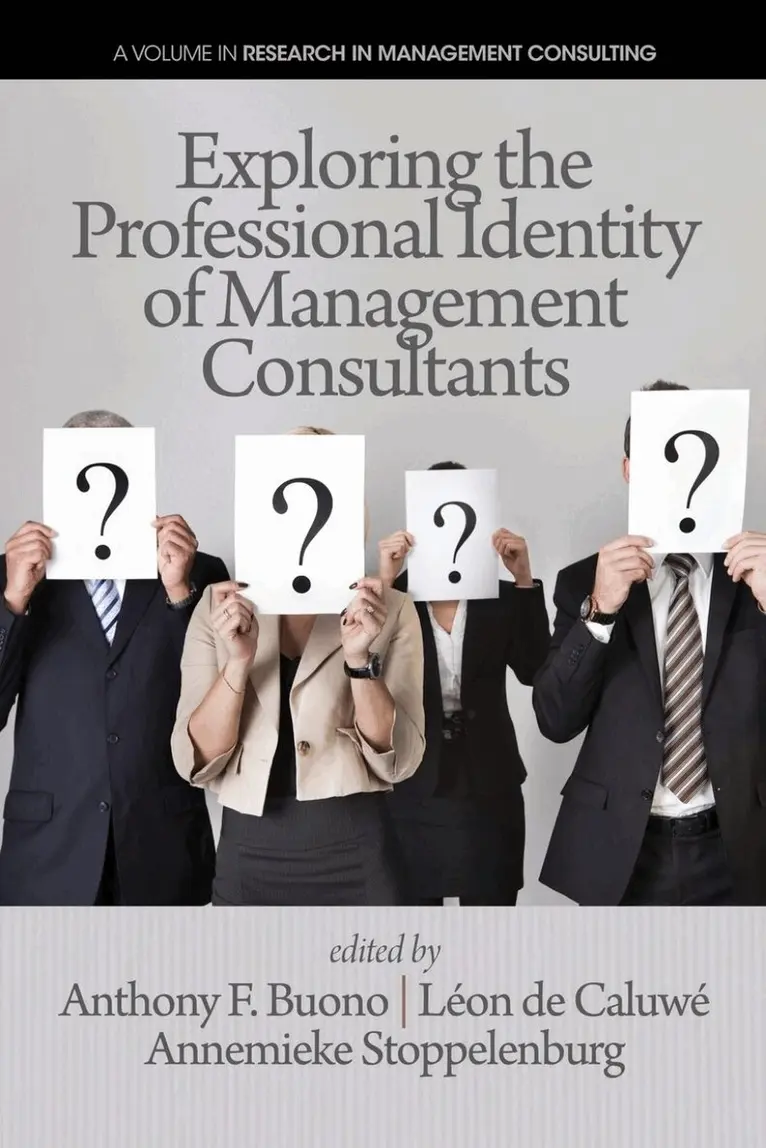
The volume is based on the presentations and discussions from the Fifth European Conference on Management Consulting sponsored by the Management Consulting Division of the Academy of Management, which took place June, 2011 at Vrije Universiteit in Amsterdam, the Netherlands. The conference theme – Exploring the Professional Identity of Management Consultants – attempted to capture the highly ambiguous social status of this young and emerging profession. Management consulting does not have professional standards or accreditation criteria like those found in medicine or law, there are low barriers to entry, and a broad range of tasks are undertaken in the name of consulting. As a result, a crucial aspect of what constitutes such a loosely defined profession is the identity of its members. The professional identity of management consultants is continuously developing through the interplay of how consultants are seen and valued by clients as well as in the larger society, and how consultancy firms and consultants identify and position themselves.This theme includes a variety of topics, ranging from the interaction between consultants and their clients, consultant rhetoric and self-presentation, and the plethora of books, media and public discourse on consulting, to human resource policies and practices, knowledge development activities of consultancy firms, career and life stories of consultants and consultancies, and consulting associations, accreditation bodies, and education programs. All of these factors contribute, either directly or indirectly, to identity construction in the field of management consulting.
Inbunden, Engelska, 2013
1 208 kr
Skickas inom 5-8 vardagar
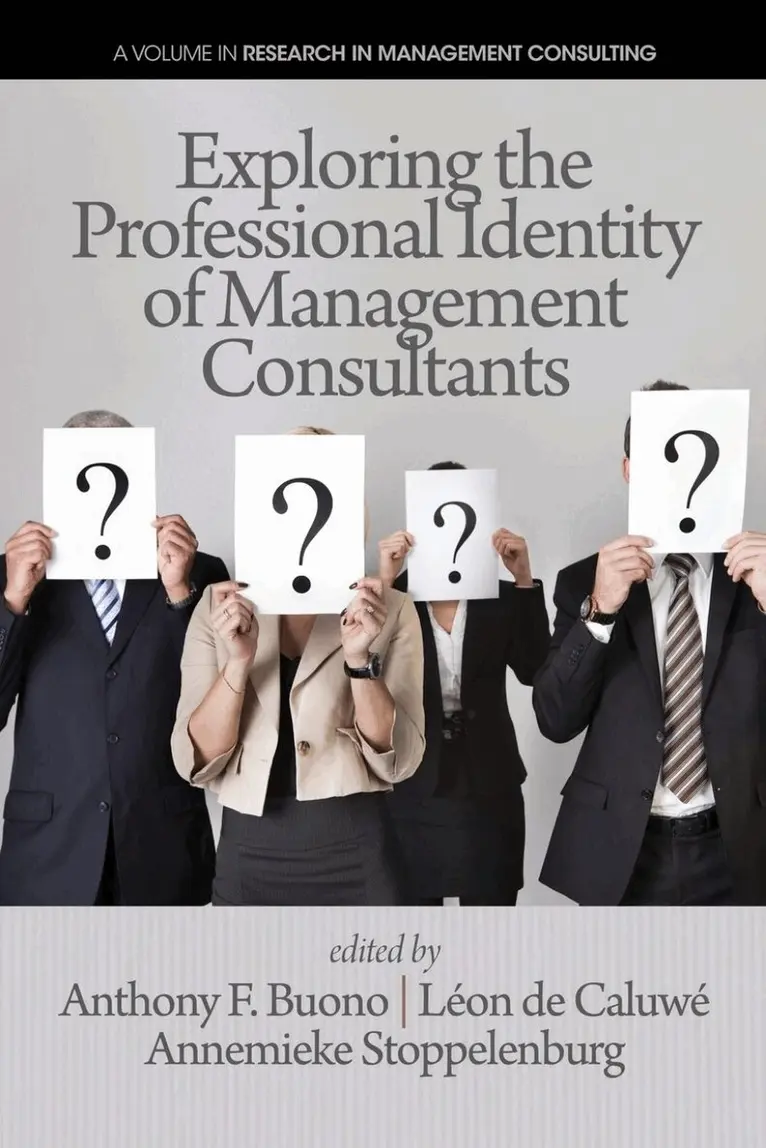
The volume is based on the presentations and discussions from the Fifth European Conference on Management Consulting sponsored by the Management Consulting Division of the Academy of Management, which took place June, 2011 at Vrije Universiteit in Amsterdam, the Netherlands. The conference theme – Exploring the Professional Identity of Management Consultants – attempted to capture the highly ambiguous social status of this young and emerging profession. Management consulting does not have professional standards or accreditation criteria like those found in medicine or law, there are low barriers to entry, and a broad range of tasks are undertaken in the name of consulting. As a result, a crucial aspect of what constitutes such a loosely defined profession is the identity of its members. The professional identity of management consultants is continuously developing through the interplay of how consultants are seen and valued by clients as well as in the larger society, and how consultancy firms and consultants identify and position themselves.This theme includes a variety of topics, ranging from the interaction between consultants and their clients, consultant rhetoric and self-presentation, and the plethora of books, media and public discourse on consulting, to human resource policies and practices, knowledge development activities of consultancy firms, career and life stories of consultants and consultancies, and consulting associations, accreditation bodies, and education programs. All of these factors contribute, either directly or indirectly, to identity construction in the field of management consulting.
E-bok
Engelska, 2013510 kr
Läs direkt efter köp
The volume is based on the presentations and discussions from the Fifth European Conference on Management Consulting sponsored by the Management Consulting Division of the Academy of Management, which took place June, 2011 at Vrije Universiteit in Amsterdam, the Netherlands. The conference theme - Exploring the Professional Identity of Management Consultants - attempted to capture the highly ambiguous social status of this young and emerging profession. Management consulting does not have professional standards or accreditation criteria like those found in medicine or law, there are low barriers to entry, and a broad range of tasks are undertaken in the name of consulting. As a result, a crucial aspect of what constitutes such a loosely defined profession is the identity of its members. The professional identity of management consultants is continuously developing through the interplay of how consultants are seen and valued by clients as well as in the larger society, and how consultancy firms and consultants identify and position themselves.This theme includes a variety of topics, ranging from the interaction between consultants and their clients, consultant rhetoric and self-presentation, and the plethora of books, media and public discourse on consulting, to human resource policies and practices, knowledge development activities of consultancy firms, career and life stories of consultants and consultancies, and consulting associations, accreditation bodies, and education programs. All of these factors contribute, either directly or indirectly, to identity construction in the field of management consulting.
E-bok
Engelska, 2013764 kr
Läs direkt efter köp
The volume is based on the presentations and discussions from the Fifth European Conference on Management Consulting sponsored by the Management Consulting Division of the Academy of Management, which took place June, 2011 at Vrije Universiteit in Amsterdam, the Netherlands. The conference theme - Exploring the Professional Identity of Management Consultants - attempted to capture the highly ambiguous social status of this young and emerging profession. Management consulting does not have professional standards or accreditation criteria like those found in medicine or law, there are low barriers to entry, and a broad range of tasks are undertaken in the name of consulting. As a result, a crucial aspect of what constitutes such a loosely defined profession is the identity of its members. The professional identity of management consultants is continuously developing through the interplay of how consultants are seen and valued by clients as well as in the larger society, and how consultancy firms and consultants identify and position themselves.This theme includes a variety of topics, ranging from the interaction between consultants and their clients, consultant rhetoric and self-presentation, and the plethora of books, media and public discourse on consulting, to human resource policies and practices, knowledge development activities of consultancy firms, career and life stories of consultants and consultancies, and consulting associations, accreditation bodies, and education programs. All of these factors contribute, either directly or indirectly, to identity construction in the field of management consulting.